

Morning television rarely asks to step past a gate that most fans will never approach. That is the peculiar draw of the Jerry Jones mansion Fox News tour, a short visit in which the Dallas Cowboys owner walks Steve Doocy through rooms that usually stay out of the weekly noise. The segment runs about eight minutes. In that span Jones shows Super Bowl trophies, championship rings, and a library, shifting for a moment from sideline commander to host. What lingers is not a floor plan. It is the reminder that the most public owner in the league still keeps a private house, and that a camera can enter without really explaining the life inside it.
What the cameras were allowed to see
Network visits of this kind are negotiated long before the lights come up. Producers want objects that read clearly on a small screen. Trophies do that work. Rings do it even better, because a hand can hold them and a voice can count the years. A library offers a different picture, quieter and harder to caption, which may be why it matters. The Jerry Jones mansion Fox News tour stays inside that narrow menu. Viewers are not handed a real estate listing. They are handed proof that the victories fans already know have a physical home.
An eight minute window also forces choices. Hallways vanish. Guest rooms vanish. The edit favors shine, wood, and a few sentences of recollection. That is not deception so much as the grammar of morning television. Doocy asks the questions a national audience can follow without a Cowboys encyclopedia. Jones answers as a man who has spent decades explaining himself. The result feels intimate and still carefully framed.
Trophies as a family record

Super Bowl hardware is built for ceremony. On a shelf it becomes something else, a record of seasons that consumed a city and a household at the same time. Jones has never pretended the franchise is a hobby. The trophies make that plain without a speech. Each one marks a winter when Dallas felt, fairly or not, like the center of American sport. Seeing them in a residence rather than a stadium lobby changes the scale. The objects are large. The room around them is still a room.
Fans often treat those wins as civic property. In a sense they are. Tickets, broadcasts, and arguments in parking lots turned private labor into public memory. A tour does not settle who owns the feeling. It only shows where the metal rests when the parade is over. That gap between civic myth and domestic shelf is the interesting part, and morning television can only gesture at it.
Rings and the habit of counting

Championship rings are easier to televise than architecture. They fit in a palm. They invite a close look at stones and dates without requiring the viewer to care about square footage. Jones has long understood objects as storytelling tools. A ring compresses a season into something a guest can admire and return. On camera, that exchange reads as generosity. Off camera, it is also control. The owner decides which years get lifted into the light.
Counting rings can flatten history. Losses disappear. Controversial calls disappear. So do the players whose names are engraved in smaller letters than the owner expects the audience to notice. A fair viewing keeps that tension. Admiration for craft does not require amnesia about how a franchise is built, paid for, and argued over. The segment is not an audit. It is a display. The distinction should stay visible.
The library and a different kind of status

A library is a harder prop. Books do not gleam the way trophies do, and a camera cannot prove that anyone has read them. Still, the choice to include one says something about the portrait Jones and his hosts wanted. Wealth in Dallas is often discussed through land, teams, and skyline. Shelves suggest another claim, that power keeps company with attention and memory. Whether the shelves function as a working room or a composed backdrop, viewers cannot know from a walk past a lens.
That uncertainty is useful. It keeps the tour from becoming a catalogue of victories alone. A house with a library implies hours that are not televised, decisions made away from the podium, and a taste for permanence. It also implies curation. Someone chose which spines face the aisle. Someone decided a morning show should see them. Private life, once invited onto a set, is already a version of public life.
Steve Doocy and the morning tone

Doocy brings a manner that flattens sharp edges. He is affable, quick, and practiced at letting a guest seem at ease. That tone suits a house tour better than a contract dispute or a draft argument. The host can marvel without cross examining. Jones can reminisce without being asked to reconcile every boast with a standings column. For viewers who want a softer picture of a hard charging owner, the pairing works.
Softness has a cost. Morning cheer can make scrutiny feel rude, even when the subject is a billionaire whose decisions shape hundreds of careers. A good segment does not need hostility. It does need proportion. Wonder at a ring should not erase the ordinary fact that access was granted, timed, and edited. Doocy knows the form. So does Jones. The audience can know it too and still enjoy the look around.
Why an owner opens the door

Famous owners rarely need more attention. Jones has spent years as his own headline. Opening a mansion anyway serves several purposes at once. It humanizes a figure often reduced to gestures on the sideline. It associates the brand with hospitality rather than conflict. It gives a network a segment that photographs well and offends almost no one. None of those motives cancels the others. Public relations and genuine pride can occupy the same hallway.
There is also a simpler impulse. People like to show what they have built, especially late in a long career. A tour lets an owner narrate success in rooms he chose, with objects he kept. That is more comfortable than a studio chair and a clock. The Jerry Jones mansion Fox News tour fits that comfort. It is rare in the sense that cameras do not live there. It is familiar in the sense that Jones has always preferred to tell the Cowboys story himself.
Dallas and the owner as local myth
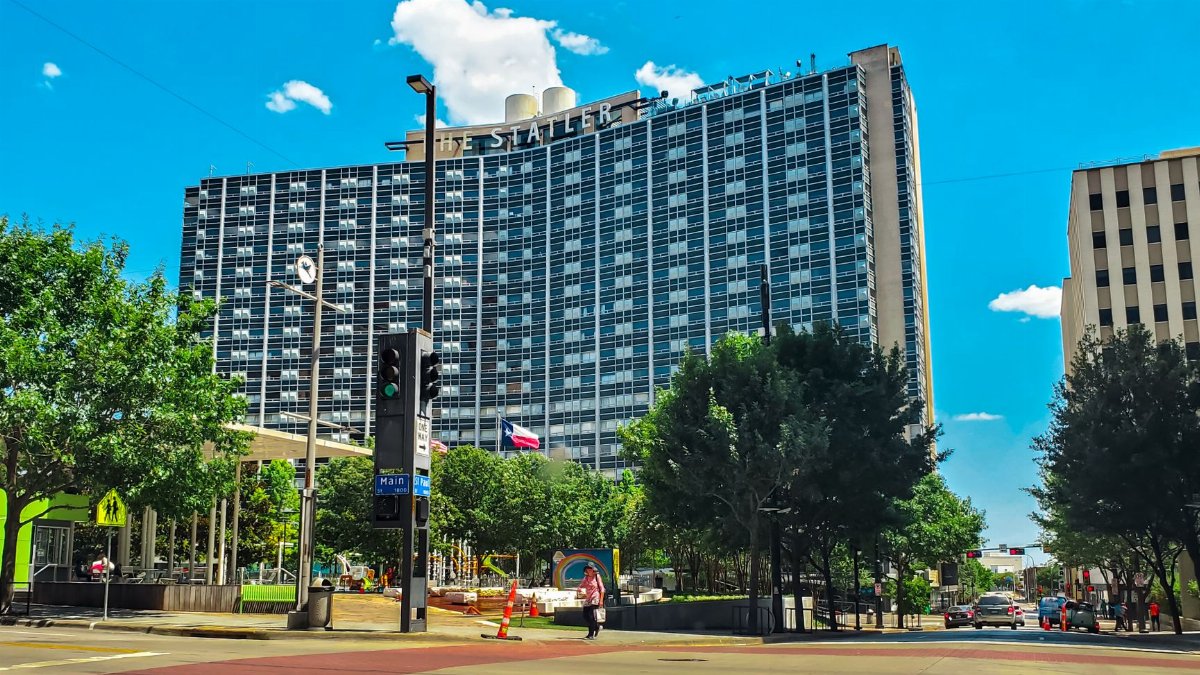
In North Texas the franchise is not a side interest. It organizes weekends, radio, and a remarkable amount of civic small talk. Jones sits at the center of that weather system, praised and blamed with equal energy. A glimpse of his house feeds the local appetite for proximity. Fans who will never receive an invitation can still say they saw the trophies. That is a thin kind of closeness, but thin closeness is what modern fame mostly offers.
The city has other houses and other fortunes. What distinguishes this one is the team attached to the name. Without the Cowboys, the segment would be a rich man showing silver. With the Cowboys, every object points back to Sundays. That is why the tour travels beyond Dallas. National viewers may not know the neighborhood. They know the star. The house borrows meaning from the logo, not the other way around.
Privacy after the lights leave

An eight minute visit cannot map a life. Family routines, arguments, quiet mornings, and the ordinary maintenance of a large property stay off screen. That residue is the actual private life, and it is not for a network to inventory. Journalism can describe the invitation without pretending the invitation was total. Respect here is not softness. It is accuracy about what a camera did and did not witness.
There is a spiritual dimension to that limit, if the word is used carefully. A home can function as sanctuary even when its owner is famous for noise. Rituals of winning, of display, of return after a road trip, all need a place to land. Viewers are guests at the edge of that sanctuary. They should not confuse a guided look with communion. The Jerry Jones mansion Fox News tour shows the threshold. It does not hand over the keys.
Legacy measured in objects

Late career portraits often lean on hardware because hardware is unambiguous. Wins can be counted. Rings can be lined up. A library can suggest a mind that outlasts a single season. Together they argue for permanence. Jones has chased that argument for decades, in stadiums, in media, and now in a brief domestic frame. Whether history will accept the argument is a longer question than any morning segment can settle.
Objects also age. Trophies need polish. Stories need updating when a new season embarrasses an old boast. The value of the tour may be modest and still real. It fixes a picture of how Jones wanted to be seen at a particular moment, among the things he chose to keep. Future arguments about his tenure will have louder evidence. This is a quieter exhibit, useful because it is partial.
What the segment leaves unsaid

No tour of trophies can cover payroll, coaching turnover, fan frustration, or the labor of players whose bodies make the hardware possible. Those subjects belong in other stories, reported with documents and names, not with a pan across a shelf. Leaving them out of an eight minute house visit is understandable. Pretending they do not exist because the visit was pleasant would be a mistake. Tone and completeness are different virtues.
I watched the idea of the segment more than I watched a revelation. The revelation was never likely. What arrived was a polished courtesy, a host, an owner, and a few objects carrying more memory than a morning clock can hold. That is enough for television. It is not enough for a full account of power in American sport. Readers can hold both judgments without scolding themselves for looking.
A rare look that stays rare

Rarity is part of the appeal. If cameras lived in the house, the mystique would thin into décor. Because they do not, a single visit feels like an exception. Jones can offer that exception without changing how he runs a franchise or how seldom the public crosses his threshold. The exception confirms the rule. Access remains a gift, timed and revocable.
For a broad audience, the lasting image is simple. A famous owner stands among proof of famous wins, with a familiar host keeping the mood light, and a library suggesting hours the broadcast cannot enter. The Jerry Jones mansion Fox News tour earns attention because it is specific and brief. It does not need exaggeration. The trophies are real. The rings are real. The privacy around them is real too, and mostly still intact when the segment ends.
How viewers might take it
Some viewers will treat the visit as harmless pleasure, a chance to see craft and history without a scorebug. Others will see brand management and move on. Both readings fit the evidence. The healthiest habit is to enjoy the concrete details and refuse the implication that a kind tour settles larger debates. Sports already asks for too much loyalty. A mansion does not require more.
If there is a trend here, it is the steady conversion of private rooms into short public exhibits. Faith traditions, civic clubs, and families have long understood that a threshold means something. Television understands it as content. Jones, Doocy, and the Cowboys simply supply a vivid case. The door opened. The clock ran. The house, after the thanks and the cut to commercial, went back to being a house.