

When the NBA named its Sixth Man of the Year, the announcement landed in Miami without much ceremony. Jaime Jaquez Jr had spent the season doing the unglamorous work of a modern reserve, entering games with the score already in motion, guarding bigger wings, and keeping possessions from slipping away. He scored when the second unit needed a creator and defended when the night turned physical. Voters studied that body of work and chose another player. The result was plain. What the season meant for him, and for a Heat team that builds patiently, was not settled by a single trophy.
A vote that measured more than minutes

Sixth Man of the Year is a strange prize. It honors a player who does not begin the game, which means the award is partly about role and partly about production. A reserve can change a night without ever being the face of it. Voters have to decide whether they are rewarding raw scoring, sturdy defense, or the simple fact that a team looked different when a certain player checked in.
The ballot also reflects narrative. A player on a contender can look more valuable than a player on a club fighting for position, even when the box score argues otherwise. Miami spent much of the year in that familiar tension, good enough to matter, rarely comfortable. In that setting a young forward who could start or come off the bench became more than a depth piece. He became a way for the coaching staff to change the math of a quarter.
The job the coaching staff actually gave him

Erik Spoelstra does not hand minutes out as compliments. He hands them out as problems to solve. For Jaquez the problem was versatility without excuse. He needed to score in the half court without monopolizing the ball, to rebound in traffic, and to stay attached to wings who wanted to attack the closeout. Some nights that meant a quiet handful of points and a few deflections. Other nights it meant the Heat could survive an injury or a cold stretch from a veteran.
That kind of role rarely produces a clean award case. A sixth man who hunts shots from deep on every possession leaves a brighter trail. A sixth man who connects lineups leaves a trail that coaches notice and voters sometimes undercount. Spoelstra has built a career on the second kind of player. The franchise trusts length, effort, and the ability to take a small assignment and make it large.
What stood out when the ball moved

Watch him for a few possessions and the traits hold. He uses his body to seal smaller defenders. He finishes through contact more often than a casual viewer expects. He does not panic when a drive collapses, and he will give the ball up if the extra pass is the right one. On the other end he slides his feet well enough to bother ball handlers, and he boxes out with real intent rather than a gesture.
None of this is flashy. It is the grammar of winning basketball in a league that still, at the margins, confuses spectacle with value. Miami has long preferred the grammar. Fans who stayed for the middle quarters, when stars rested and the game could have wandered, saw him keep the score respectable and sometimes seize it.
Why the case for the award was real

A standout season does not require a statistical masterpiece. It requires a player to raise the floor of his team across months, not across a single highlight. Jaquez did that often enough that his name entered the award conversation in a serious way. The Heat could deploy him next to creators or ask him to be the creator when the second unit lacked one. Opponents planned for his cuts. Teammates trusted his competitiveness on nights when the building was loud and on nights when it was not.
There is also the matter of growth. Players who arrive from college with a polished scoring game sometimes stall when the league takes away their favorite spots. He absorbed coaching after a productive career at UCLA. He accepted nights when the shot did not fall and the contribution had to come from effort, screening, and attention on defense. That is not a slogan posted in a locker room. It is how a young pro stays on the floor for a demanding staff.
The player who took the honor home
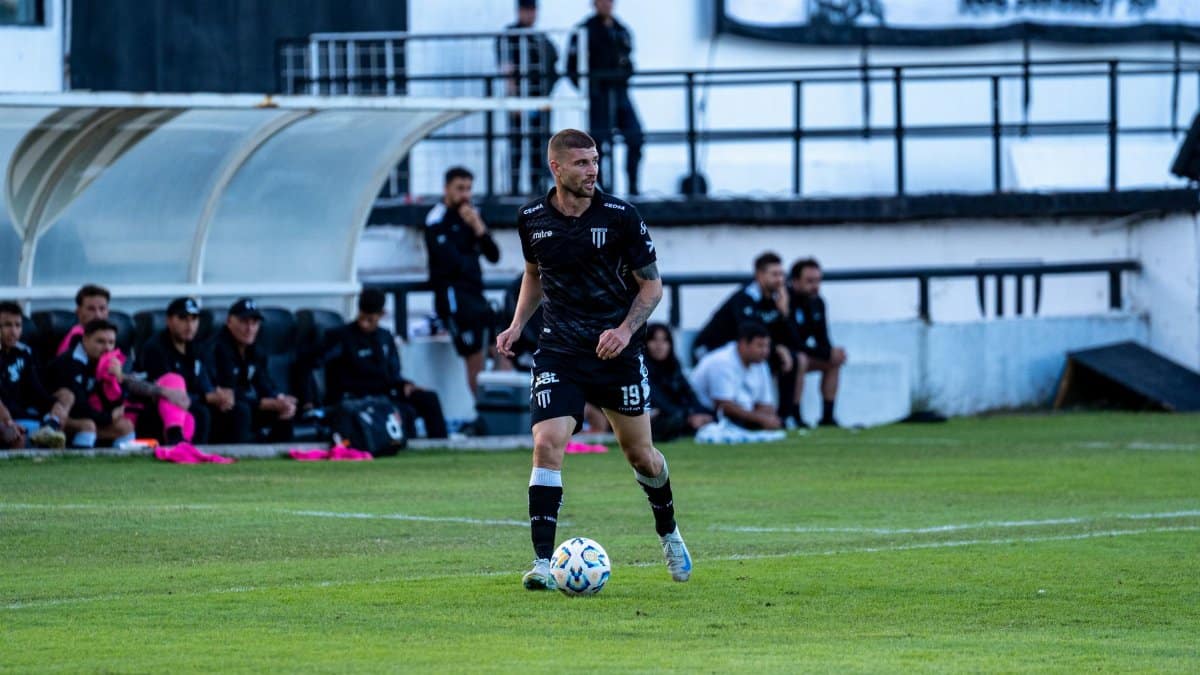
The honor went to Payton Pritchard of the Boston Celtics, a guard whose shooting and pace gave a contending roster a different gear off the bench. His case was easy to televise. Makes from deep travel well in a voting packet. So does the glow of a club that spent the year near the top of the East, in a market the rest of the league cannot ignore.
Awards are comparative by design. Two good seasons can share a ballot and only one name can be read aloud. Jaime Jaquez Jr finished on the wrong side of that comparison. He did not finish on the wrong side of a useful year. Boston got the trophy. Miami got another data point in a development story that was already underway.
How voters tend to read a reserve

History suggests the award favors certain profiles. High volume scorers off the bench win more often than connectors. Players on teams with national television windows win more often than players whose best work arrives on a weeknight in January. There is no conspiracy in that pattern. There is attention, and attention is uneven, and uneven attention has always shaped hardware.
A voter filling out a ballot from another city may remember a single Heat game, or none. That voter may remember a Celtics game because the Celtics are difficult to miss. This is an old problem in sports awards, not a fresh injustice invented for one spring. It does mean a Miami reserve has to be excellent in a way that survives partial attention. Jaquez was excellent often. He was not unavoidable.
The Heat habit of waiting on purpose

The franchise has spent years treating development as a competitive advantage. It takes players with college production, asks them to defend earlier than they want to, and waits for the offense to catch the standard. Some of those players become pillars. Some become useful for a while and move on. The organization rarely panics in public about either outcome, which can look cold from outside and functional from inside.
For a young pro still learning the league calendar, that patience is a gift and a test. The gift is trust. The test is that trust comes with a short leash on bad habits. Jaquez has looked comfortable inside that bargain. He does not need the ball on every trip to justify his presence, which is precisely why the staff can keep giving him the ball in the moments that matter. Patience, in this building, is not softness. It is a way of collecting evidence.
What the missed trophy does not erase

Awards are public. Improvement is mostly private until a coach decides it is ready for the games that decide a season. Jaime Jaquez Jr can point to a year in which he carried real responsibility for a franchise that does not pretend minutes are participation ribbons. He can point to nights when the Heat needed a body who would set a screen, crash the glass, and still have enough balance to finish. Those nights do not vanish because another name was read aloud.
There is a quieter dimension to that work, the part that never fits cleanly into a stat line. It is the discipline of showing up for a role that will not always be praised in proportion to its difficulty. Call it competitive faith if a phrase is required, the belief that effort compounds even when the trophy case does not. Many careers in this league are built on that belief. The absence of hardware is not the absence of meaning.
The standard he now has to meet

The danger of a strong season is the expectation it creates. Opponents will scout the spin and the shoulder. Coaches will ask for more playmaking when a lineup goes stale. Fans will remember the award miss and treat the next year as a referendum. That is unfair and also ordinary. Professional sports converts every good stretch into a baseline, then acts surprised when a human being has a cold month.
Jaquez does not control the ballot. He controls whether the habits survive a summer of extra attention. If the shot selection stays sound, if the defense stays attached, if the competitiveness teammates already cite remains the first thing he brings to practice, the award conversation may find him again. It may not. Either way the Heat will know what they have, because they watch him every day, not once in a voting window.
A city that keeps its own score

Miami audiences are not romantic about potential for long. They have watched too many deep playoff runs, and too many careful regular seasons, to confuse noise with usefulness. They will remember whether Jaime Jaquez Jr helped the club win close games, not whether a national broadcast led with his name. Local memory is specific. It keeps the missed box out and the timely putback in the same mental file.
That local standard is stricter than an award and, in some ways, kinder. It allows a player to be valuable without being famous on every coast. It also refuses to let a nice story replace a careless foul or a late rotation. The missed honor may sting in the moment a name is announced. It will not define the work if the games that follow are honest.
Looking past a single announcement

The league will move on to the next ballot and the next speech. Miami will move on to lineup questions that have nothing to do with hardware. Who closes. Who guards the hot hand. Who can give the stars eight quiet minutes without the lead evaporating. Those questions are where a reserve either becomes permanent or becomes a memory.
Jaime Jaquez Jr has already answered enough of them to matter. He has not answered all of them. A standout season that stops short of Sixth Man of the Year is not a failure unless someone insists on writing it that way. It is a progress report, filed in public, with the hardest grader still standing on the sideline.