
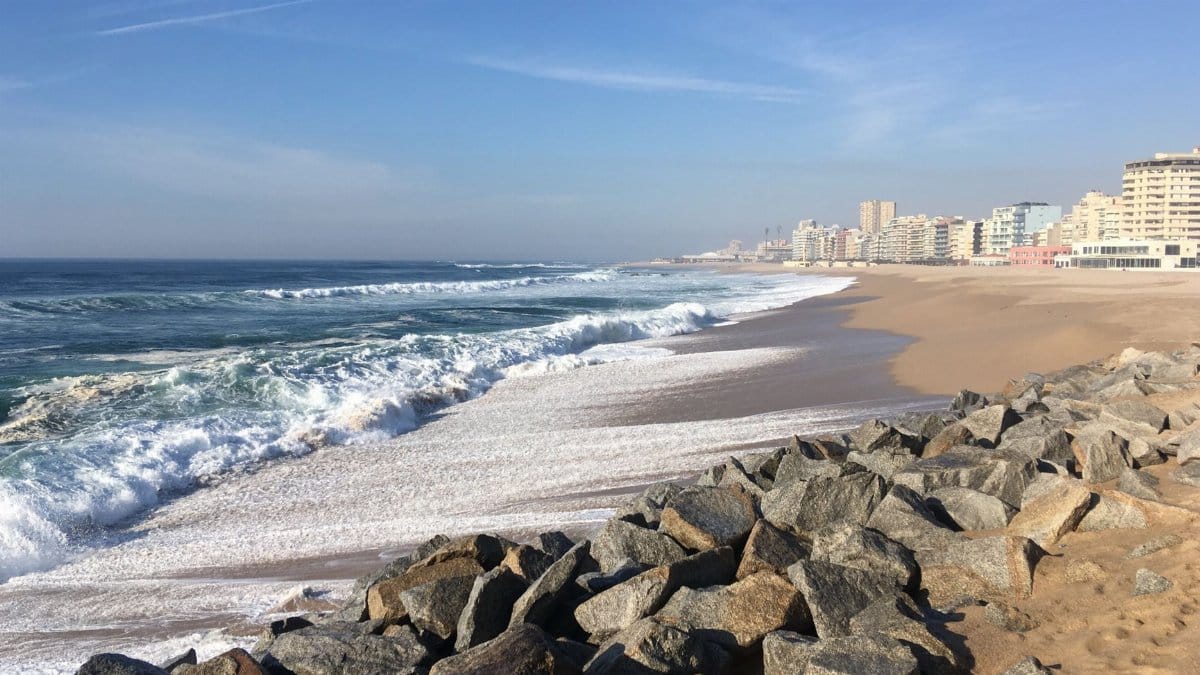
On a narrow finger of sand between Alamitos Bay and the open Pacific, the ocean has been spending energy that a distant storm never fully used up. In recent days, Long Beach peninsula waves have chewed at the edge of a neighborhood that treats the beach as both a front yard and a public room. Homes sit close to the water. A long boardwalk carries joggers, dogs, and people who came for an ordinary afternoon. Ordinary is no longer the word many of them reach for.
A strip of land that was always temporary

The Alamitos Peninsula is not a cliff and not a harbor wall. It is a built and rebuilt ribbon of sand, with the bay on one side and the surf on the other. That geography is the charm and the risk. People moved here for light, for the sound of water, for a walk that does not require a car. The same thinness that makes the place feel open also means there is little room for the beach to retreat before a patio, a foundation, or a public path is in the way.
Southern California has lived with this bargain for generations. Beaches are maintained, not merely inherited. Sand arrives by current, by river in wet years, and by human design. Sand also leaves. When a strong swell lines up with a high tide, the loss can look sudden even if the conditions that produced it were years in the making.
What the latest swell did to homes and the path
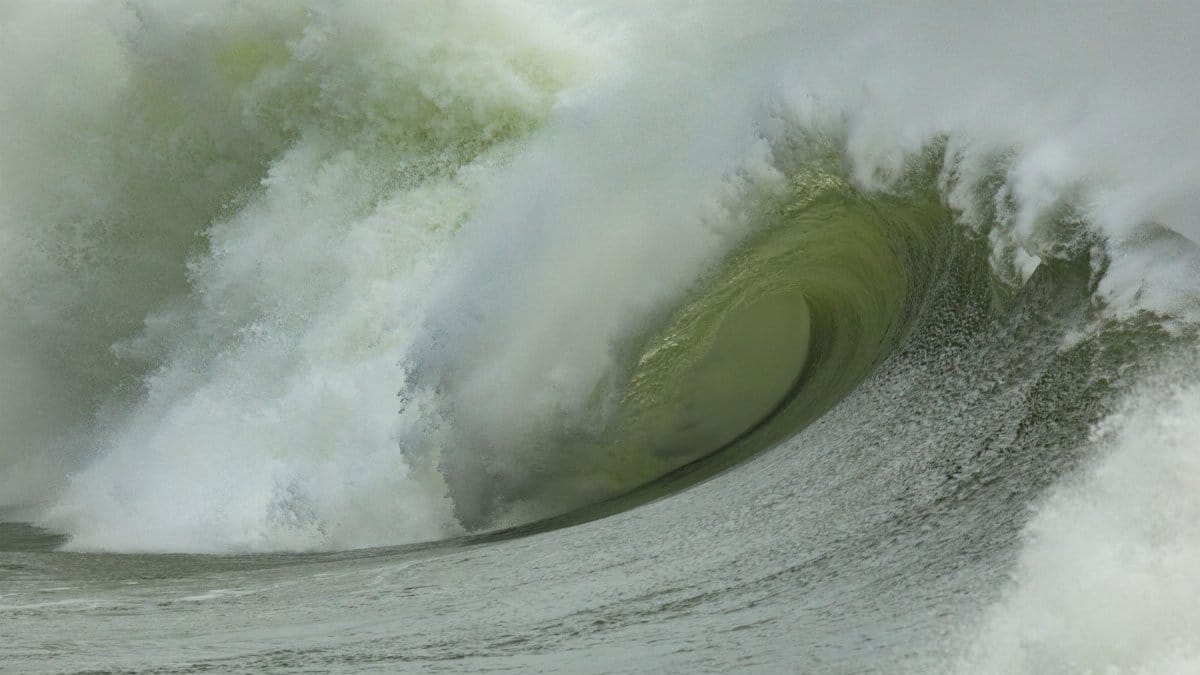
Powerful surf tied to the remnants of a tropical system has damaged homes and the boardwalk along the peninsula, according to reporting in the Los Angeles Times. Residents described water and sand pushed farther inland than they are used to seeing on a calm week. The phrase that traveled with the story, that the scene was quite shocking, fits a place where people measure the ocean by whether the path is still walkable after breakfast.
Damage of this kind is rarely cinematic in the way a hurricane news reel is cinematic. It is a stair that no longer meets the sand. It is a section of boardwalk undermined from below. It is a yard that used to end in dune grass and now ends in a scarp. For a homeowner, the shock is practical as much as emotional. Insurance questions arrive before the foam has dried. For the city, the shock is logistical. A public path is also an evacuation route, a tourism asset, and a daily habit for thousands of people who do not live on the water at all.
Why tropical leftovers still matter in Long Beach
A storm does not have to make landfall in Los Angeles County to rearrange a beach. Remnants of tropical systems can send long period swell across open water. By the time that energy reaches the peninsula, the sky may look merely gray. The waves do not care about the forecast graphic people saw on their phones two days earlier.
Local angle matters as much as height. A swell that arrives from the south or southwest can focus on stretches that a winter northwest swell treats more gently, and the reverse is also true. The peninsula does not face the ocean as a straight wall. Small changes in direction change which blocks take the hit. That is why neighbors a short walk apart can tell different stories about the same night.
Sand as the only real cushion
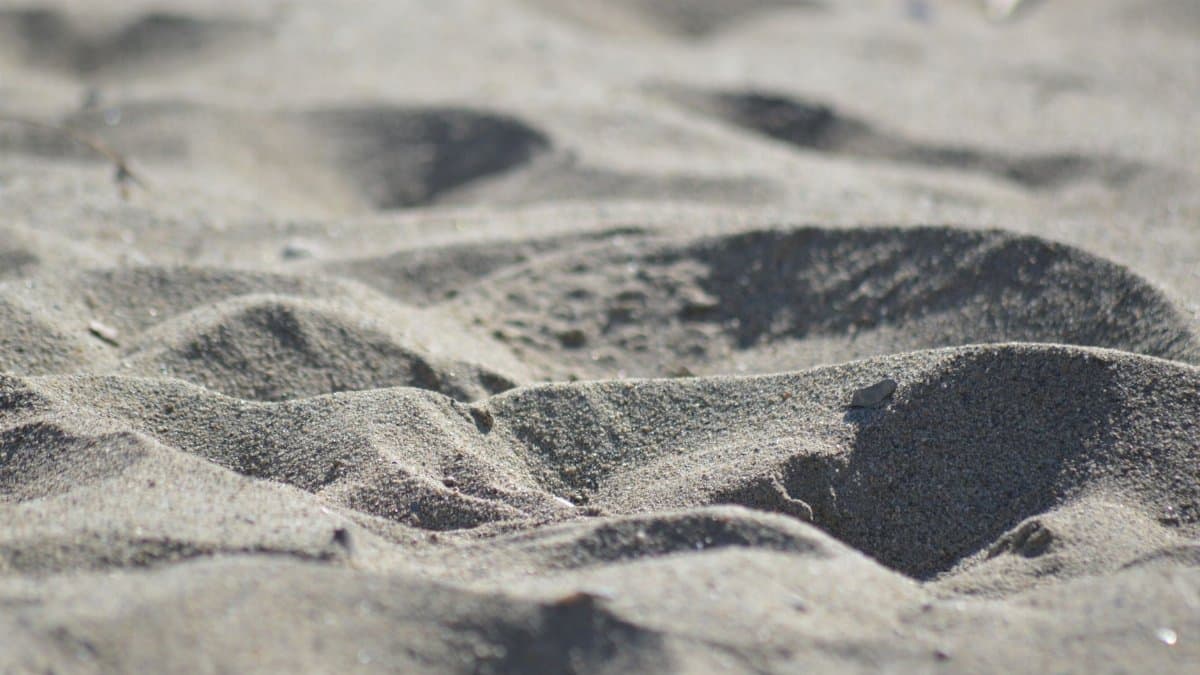
Engineers and lifeguards tend to talk about sand the way farmers talk about soil. It is the working material. A wide, high beach absorbs wave energy before that energy reaches walls and pilings. A narrow, low beach lets the same Long Beach peninsula waves break closer to structures, pull sand seaward, and leave a steeper face that fails faster on the next tide.
Much of the sand on urban Southern California beaches is not a permanent deposit. It moves alongshore. It is trapped by jetties and harbors. It is scooped from channels so boats can pass, then placed back on the shore if permits, money, and timing allow. When that cycle lags, a single swell can look like a verdict rather than a withdrawal from an account that was already low.
The dredging plan and the argument it will start
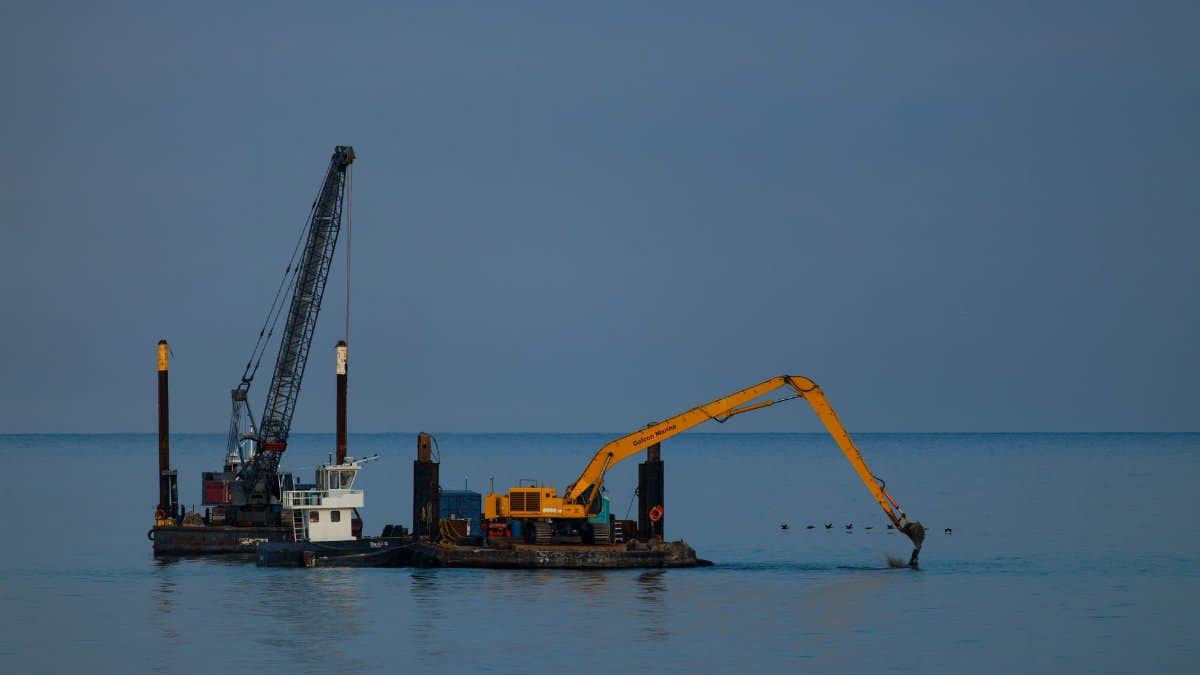
Officials have pointed to sand dredging and placement as the near term response, the Los Angeles Times has reported. In plain language, that means moving sand from where it has gathered, often a channel or an offshore borrow area, to where the beach has thinned. It is a familiar coastal tool. It is also never only a technical tool.
Dredging raises questions that a city council can answer only in part. Where does the sand come from, and what habitat is disturbed to get it. How coarse is the grain, and will it stay or wash away in the first south swell. Who pays, the homeowners closest to the loss, the wider city that uses the path, or state and federal programs built for harbors and flood control. How soon can barges and pipes actually work, given permits, marine mammal rules, and the calendar of the next storm season.
None of those questions makes dredging a bad idea. They make it an incomplete one if it is treated as a permanent fix. Nourishment buys width. Width buys time. Time is valuable on a peninsula where people already live. Time is not the same thing as a new shoreline that no longer moves.
Living with a public beach at the door
The peninsula is unusual because private life and public recreation share a few dozen feet. A damaged boardwalk is not only a homeowner problem. It is how Long Beach gets to the water without driving down a residential street and hunting for a spot. When waves undercut that path, the city has to choose between closing sections, improvising access, and spending money that was budgeted for something quieter.
Residents, for their part, did not invent the risk by choosing a view. Many houses stand where older maps already showed a beach that shifted. What has changed is the frequency with which people are asked to treat an emergency as routine maintenance. A shocking week becomes a meeting. The meeting becomes a permit. The permit becomes a winter of watching the tide tables with more attention than anyone wanted to give them.
What a higher ocean changes about the same waves

Wave height is only half the story. Water level decides where those waves do their work. Federal ocean agencies have documented a long rise in global sea level tied to warming water and melting land ice, a trend explained in public briefings from the National Oceanic and Atmospheric Administration. On a low peninsula, a few extra inches at high tide can be the difference between spray on a wall and water in a crawl space.
That does not mean every damaged stair is a climate parable. Storms have torn up this coast before modern records. It does mean the baseline is less forgiving. The same Long Beach peninsula waves, arriving on a higher tide, reach farther and leave less dry sand behind. Recovery projects sized to the beaches of past decades can fall short if planners pretend the waterline is fixed.
How scientists and crews read a failing beach
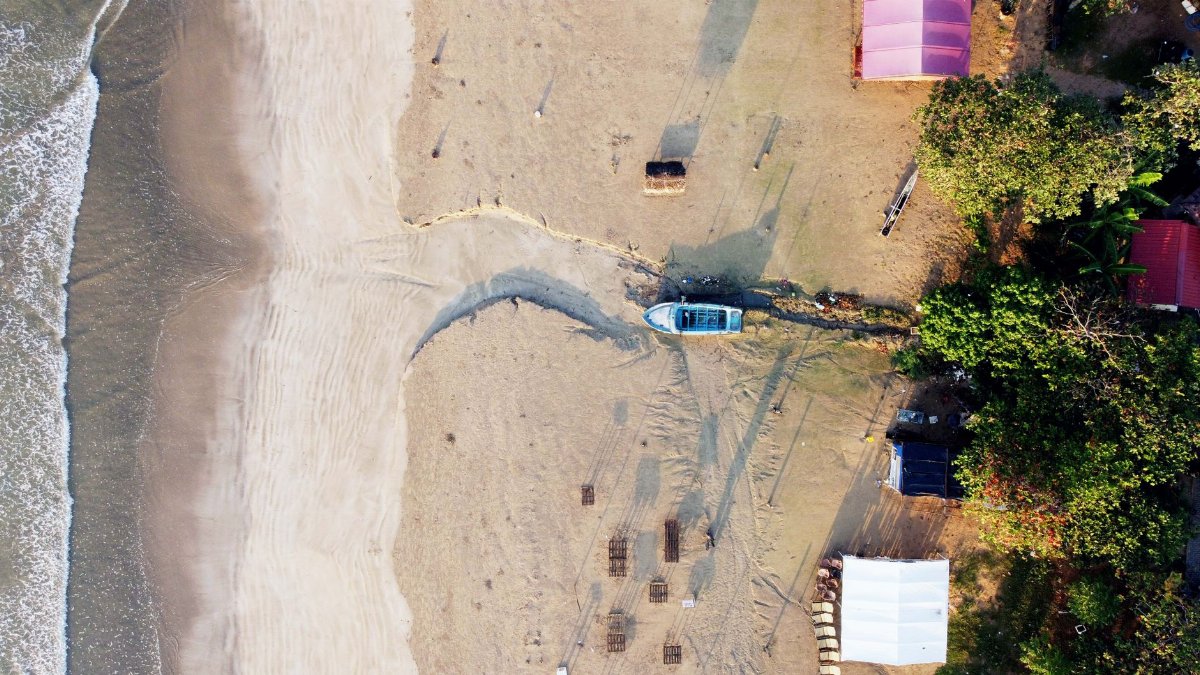
Coastal scientists look for patterns that a single dramatic video can hide. They measure beach width, the slope of the face, the size of the sand grains, and how often the berm is overtopped. The United States Geological Survey and university labs along this coast have spent years tracking those changes, not to declare a neighborhood doomed on a Tuesday, but to see whether loss is a seasonal loan or a structural debt.
Crews on the ground read different signs. They watch for voids under concrete, for rails that tilt, for sand that disappears from the toe of a wall overnight. Those observations should drive the order of repairs. A cosmetic patch on a walkway that has already lost its support will not survive the next set. A rush to armor every lot with rock can also steal the beach the public came to use, a trade that California coastal policy has tried, with mixed success, to slow.
The choice between armor, sand, and stepping back
Three responses sit on the table whenever a peninsula takes a hit. One is hard protection: walls, rock, and deeper foundations. It can save a house and starve the beach in front of it. Another is sand: dredging, dunes, and a wider buffer. It looks natural and needs to be repeated. A third is managed retreat, a phrase that sounds abstract until it means a path moved inland or a structure that is not rebuilt in the same footprint.
Long Beach is unlikely to pick only one. The peninsula is too developed for a clean retreat and too exposed for a promise that walls alone will keep the surf polite. The honest plan is a sequence. Emergency stabilization where people could be hurt. Sand placement timed to the seasons when it has a chance to settle. A public conversation, held before the next shocking week, about which stretches are worth defending at any cost and which are being defended mainly by habit.
What the coming months will test
The immediate test is practical. Can the boardwalk be made safe. Can sand be placed before another south swell arrives. Can the city explain, without false comfort, what dredging will and will not do. The longer test is political. Beach towns are good at celebrating the ocean and slower at budgeting for its habits.
I keep thinking about how ordinary the peninsula looks on a mild afternoon, which is exactly why the damage lands so hard. People do not move their lives for a theoretical erosion rate. They move, or they spend, when the water reaches the thing they use every day. Long Beach peninsula waves have already done that work of persuasion. The question is whether the response matches the physics, or whether the next remnant storm finds the same thin edge, a little lower, and a little less ready.