

On a warm Friday in late September, a branch library in East Nashville set out cardboard boxes and a hand lettered sign asking neighbors to bring a picture book. Staff had taped pink paper to the windows. Nobody was selling tickets. The point was simpler, and harder to fake. Dolly Parton Day 2026 asked a city to honor a singer by doing the thing she has spent decades funding: putting a book in a child’s hands. Similar tables appeared in church basements, school lobbies, and a bookstore in Brooklyn whose owner said the holiday did not need a stage to feel official.
A date that is not her birthday
Dolly Parton was born on January 19, 1946, in a cabin in Sevier County, Tennessee, the fourth of twelve children. Fans have long marked that winter day with playlists and pilgrimage to the Smokies. September 25 is a different kind of observance. It does not pretend to replace the birthday. It gathers the public work around the voice: the songs, yes, but also the mailers of books, the park that employs a county, the habit of showing up for people who will never buy a ticket.
Cities do this with artists when the catalog has already entered ordinary speech. A mayor’s proclamation is not what makes the feeling real. The feeling arrives when a stranger knows the chorus and also knows the mailing address of a literacy program. That double knowledge is what separated this Friday from a costume party.
Pink lights without a red carpet
In Nashville, pink bulbs showed up on porches, in a hotel lobby on Broadway, and along the railing of a pedestrian bridge where couples usually stop for photographs at dusk. The color nodded to an image everyone can picture, the high hair and the bright wardrobe, without requiring anyone to dress the part. A lighting crew at a downtown venue said they had used the same gels for a spring benefit and simply left the plot in the file. Economy, not irony, explained the glow.
New York did it smaller. A reading room on the Upper West Side dimmed its usual white lamps and set two pink ones near the new arrivals shelf. Children noticed before adults did. One librarian told me the point was not branding. It was a way to make a Friday feel set apart without a microphone. I had come for a notebook and stayed because a volunteer asked whether I had a board book to spare. I did not. I bought one at the desk and put it in the box, which is about as much heroism as the afternoon required.
What a book drive actually measures
The Imagination Library, which Parton began in 1995 in honor of her father, who never learned to read, mails a free book each month to enrolled children from birth until they start school. The Dollywood Foundation runs the effort with local partners who raise the money and recruit the families. Public tallies have long since passed two hundred million books mailed, a figure the program itself tracks at imaginationlibrary.com. That number is not a mood. It is postage, paper, and a list of addresses that has to be right.
A one day drive cannot match that machinery, and nobody serious claimed it could. What it can do is refill a classroom shelf, stock a clinic waiting room, and remind donors that the monthly bill does not pay itself. In Knoxville, a church that already sponsors enrollments in two zip codes asked members to bring gently used picture books for a shelter. In Memphis, a school librarian sorted donations by age and pulled out anything with torn pages. Care, in this case, looked like a trash bin next to a table of good copies.
The songs people actually played
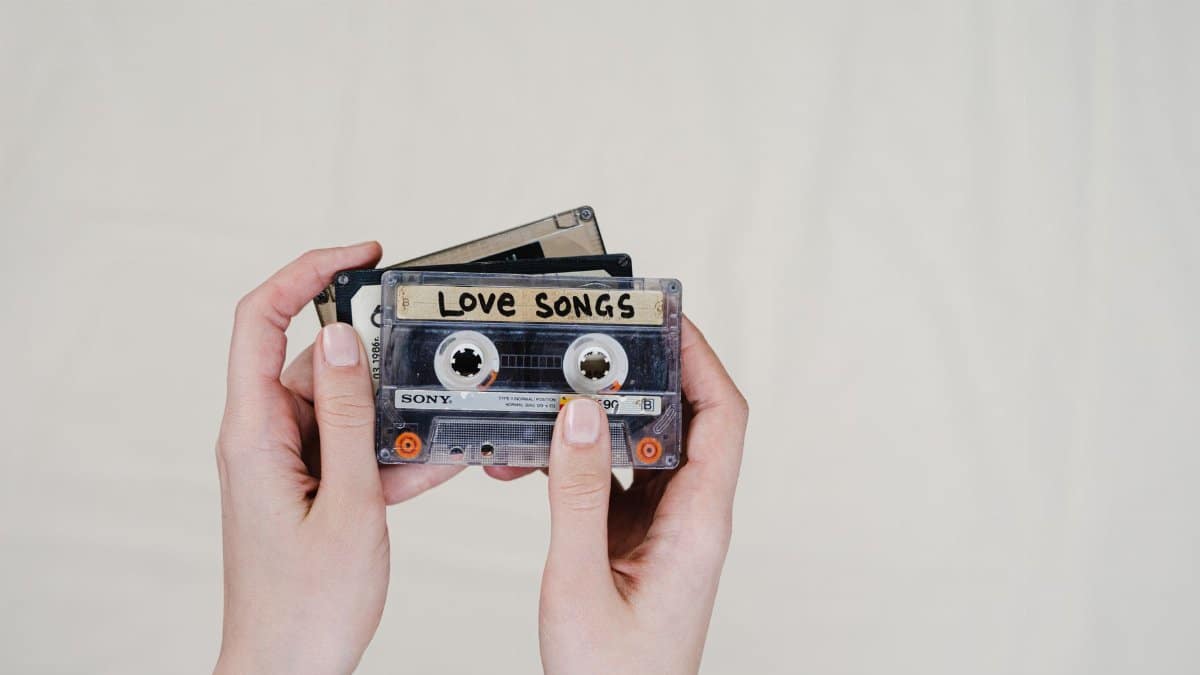
Radios and shop speakers leaned on the catalog everyone can sing without a lyric sheet. Jolene. Coat of Many Colors. I Will Always Love You, in her version and in the later ones that made the song a standard beyond country radio. Nine to Five still works in offices that have never seen the film, because the complaint inside it has not expired. Islands in the Stream turned up in a grocery line in Queens, which is as good a measure of reach as any chart.
Programmers who tried to be clever and reach for album tracks found that shoppers talked over them. The day belonged to songs that already live in kitchens. That is not a failure of taste. It is how a public holiday works. People bring what they already love, then notice, if the hosts are any good, the reason the love was organized in the first place.
A faith that prefers work to testimony
Parton has spoken for years about a childhood in the Church of God, about prayer, and about a gratitude that does not require a pulpit. Listeners who do not share that vocabulary still recognize the ethic. Coat of Many Colors is a hymn about poverty that refuses shame. The literacy program is a doctrine with a shipping label. On a day filed, in some calendars, under spiritual news, the evidence was not a sermon. It was a stack of books and a refusal to treat generosity as a brand exercise.
Appalachian religion, at its most durable, has always mixed testimony with casseroles and gas money. The observances fit that pattern more than they fit a celebrity mass. A pastor in Sevier County told a midmorning crowd that they could thank God and the postal service in the same breath. Nobody laughed at the pairing. They had stamped envelopes that morning.
From a cabin to a county employer

Dollywood is not a metaphor. It is a park, a theater calendar, and one of the largest employers in her home county. Visitors who roll their eyes at theme parks miss the payroll. When storms and fire have hit the Smokies, the same circle of companies and foundations has moved money faster than a distant headline cycle. Fame, in that setting, is a tool for keeping people housed and hired, not only a spotlight.
Friday’s events did not need to reenact that history. They needed not to forget it. A book drive in a city that has never seen the park still depends on the idea the park represents: that success can be routed back into the place, and the people, that made it possible. Parton has said versions of that sentence for decades. The day tested whether audiences were listening to the second half.
How libraries decided to join
Public libraries did not need a new mandate. They already buy children’s books, host story hours, and know which families cannot afford the rest. What they needed was a reason to put the work in the window. Several systems paired the day with sign up sheets for local Imagination Library affiliates, which is the useful version of a tribute. A selfie with a pink filter does not enroll a child. A form does.
Staff in at least three cities said the hardest part was not publicity. It was explaining that the monthly books go to the home, not to the branch, and that a drive for the shelves is a separate kindness. Clarity is a form of respect. Parents who thought they were already enrolled, and were not, left with a correct website instead of a vague promise. That small correction may matter more than the lights.
What New York borrowed from Nashville

The coastal version of the day could have been arch, a wink at big hair from people who think they have outgrown it. In the rooms I checked, it was not. A Brooklyn shop printed a short reading list that mixed picture books with Parton’s own I Am a Rainbow and a novel or two about leaving and returning. A Manhattan choir rehearsed a three song set and then spent longer packing boxes than singing. The sequence felt intentional.
Country music’s old quarrel with coastal rooms has softened, not because everyone suddenly shares a politics, but because the songs were never only regional. Heartbreak, work, and the fear of being made small travel well. Dolly Parton Day 2026 gave those rooms a reason to admit the debt without a lecture. Admission, here, meant carrying a box to a curb where a van was waiting.
The limits of a single Friday
A holiday can flatter itself. Pink light does not mail a book in October. A proclamation does not raise the local match that affiliates must find. Organizers who were honest said so out loud. One library director posted a note that the drive would continue through the next weekend because a single afternoon favors people with cars and spare time. She asked apartment neighbors to leave bags with the front desk. That is administration, and it is also ethics.
There is a further limit. Parton is still a working artist with a right to privacy, illness, and rest that fans do not own. Honoring the work is not the same as demanding a appearance. The better observances did not build a stage and then look wounded when she was not on it. They built a table.
Why the day felt official anyway
Official, in a culture that mints awareness days by the dozen, is a cheap word. It earns its keep only when institutions change a schedule. Schools that moved story hour, churches that moved a potluck, libraries that moved a shift: those changes are the seal. Dolly Parton Day 2026 collected enough of them, from Nashville to New York and in towns that will never make a national roundup, to feel less like a marketing notion and more like a custom in its early years.
Customs survive when they ask for a small, repeatable act. Bring a book. Learn the affiliate in your county. Play the song you already know and then read the credits, where session players and cowriters have always shared the wage. The pink lights will come down. The boxes, if people are serious, will not.
What readers carried home
By evening the East Nashville boxes were full enough that two volunteers needed a second trip to a car. A girl about five insisted on placing the last book herself, a worn copy of a story about a goat, and then asked if the goat would get a new reader. The volunteer said yes, which was probably true and, in any case, the right answer for the hour.
I walked out with the chorus of a song I had not put on in months and with the quieter fact of the program that outlasts any chorus. That pairing is the whole argument for the date. Music opens the door. A mailed book keeps a promise the song cannot keep by itself. If Dolly Parton Day 2026 has a second year that matters, it will be because the boxes were there again, and because someone checked the postage.