
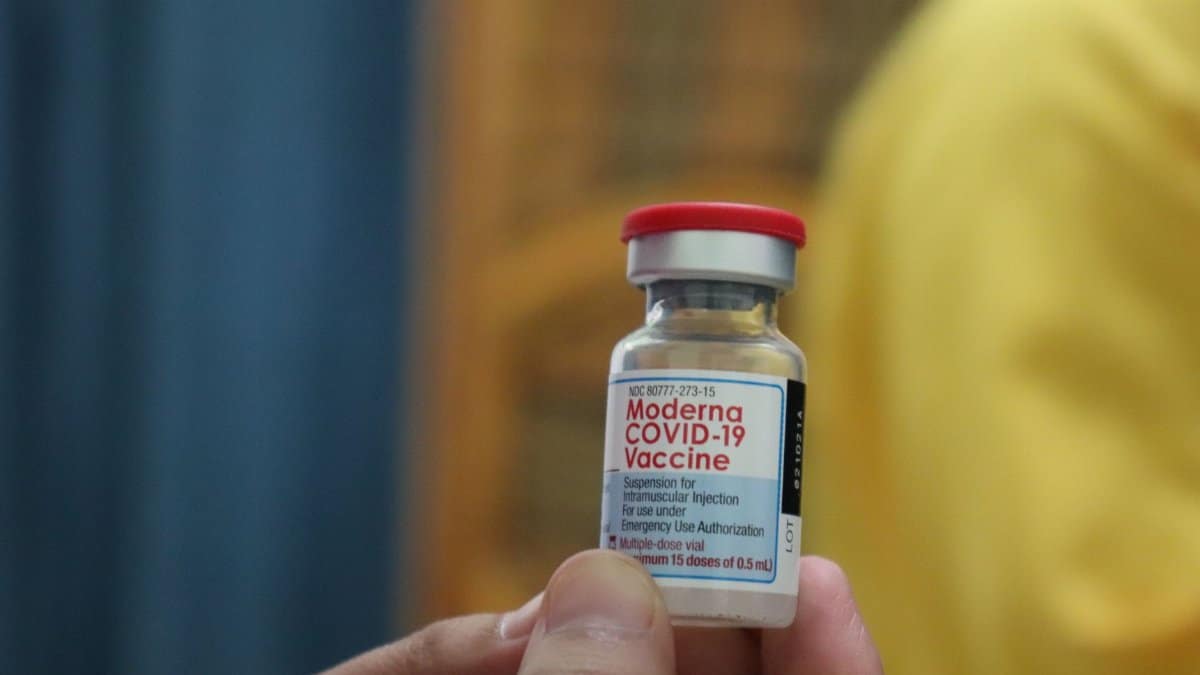
In the marble corridors outside the General Assembly hall, diplomats compared notes on a text that once seemed urgent and now competes with wars, debt, and election calendars. Six years after the first lockdowns, the draft on the table still names laboratories, vaccine equity, and financing as unfinished business. UN pandemic preparedness is the phrase negotiators keep returning to, even as the political oxygen thins. What remains is a question of whether governments will treat the next outbreak as a shared duty or as another file that can wait until the headlines return.
A session that arrived late and left early
The high level gathering in New York was meant to lock in lessons from Covid while memory was still sharp. Instead, many capitals sent deputies, and several leaders used their minutes to talk about conflicts rather than surveillance gaps. The declaration that emerged was real, but thinner than public health officials had hoped when they first sketched it. Language on pathogen sharing, benefit sharing, and predictable money survived in principle and stalled in detail. For readers who lived through school closures and empty grocery aisles, the gap between rhetoric and machinery is the story.
World Health Organization briefings from that period still describe the same bottlenecks: delayed data, uneven diagnostic capacity, and a scramble for doses that favored wealthy buyers. Those documents are public at the WHO account of the 2023 high level meeting. They do not accuse any single government of bad faith. They do show how a consensus text can affirm urgency without creating a fund that actually pays on time.
What the draft still tries to say about labs
Laboratory safety and rapid sharing of genetic sequence data sit near the center of the unfinished agenda. Scientists argue that early warning fails when samples move slowly or when countries fear they will be punished for transparency. The political problem is older than the last outbreak. States want credit and access to countermeasures if they hand over information that others will turn into products. A declaration can name that bargain. It cannot, by itself, write the contracts, the liability rules, or the timelines that make the bargain believable.
Independent reviews after 2020, including work summarized by the Independent Panel for Pandemic Preparedness and Response at theindependentpanel.org, pressed governments to treat early warning as a public good rather than a diplomatic favor. That advice has not aged into irrelevance. It has aged into familiarity, which is a different kind of risk. Familiar warnings are easy to applaud and easy to postpone.
Vaccines, manufacturing, and the memory of queues
Equity language in New York was not abstract for people who watched appointment systems crash or who waited months while other countries opened stadium clinics. The draft nods to regional manufacturing, technology transfer, and fair allocation. Those phrases matter because the last crisis showed that donations alone do not build a system. A plant that can fill vials in a calm year is not the same as a plant that can scale under export bans and raw material shortages.
Manufacturers and governments both have reasons to move carefully. Intellectual property, regulatory capacity, and workforce training do not appear overnight because a communique says they should. Still, the moral claim is plain enough for a general audience. A world that can sequence a virus in days and then distribute protection by passport privilege has not finished the job it claims to have learned. UN pandemic preparedness, in this narrow sense, is a test of whether production geography changes before the next wave, not after it.
Financing that sounds large until the invoice arrives
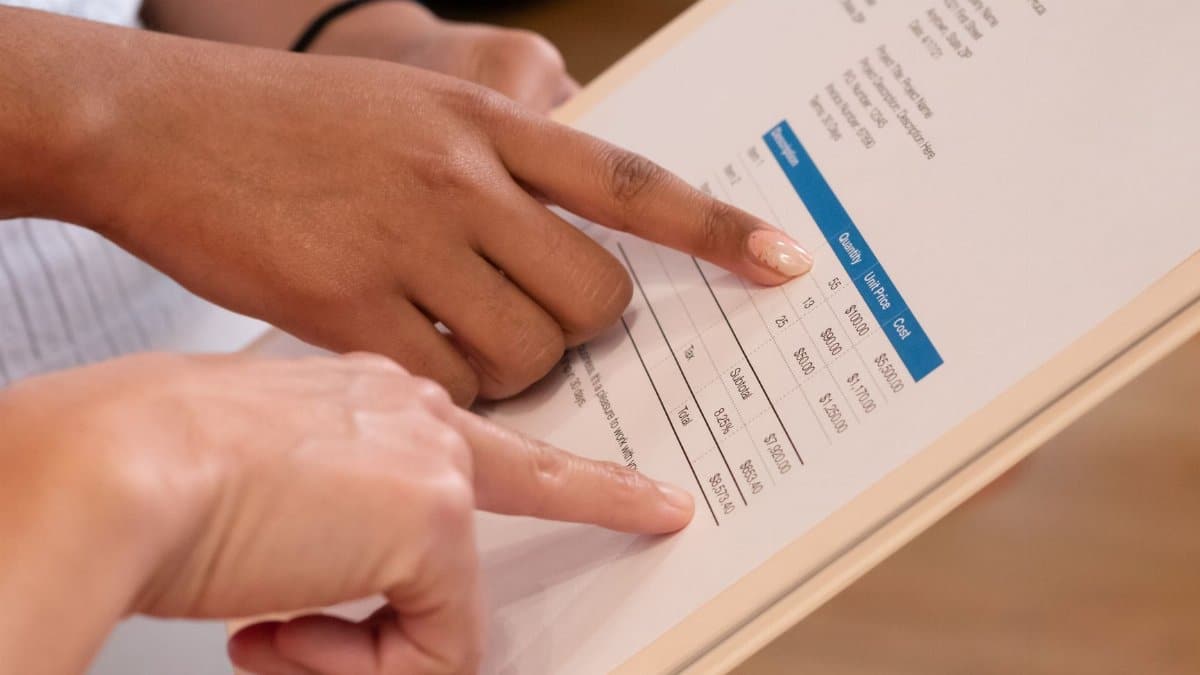
Money is where solemn speeches meet budget offices. The declaration calls for sustainable financing and for support to countries that cannot build surveillance, oxygen systems, or cold chains on domestic revenue alone. Global health advocates have long pointed to the Pandemic Fund hosted with the World Bank, described at the World Bank program page, as one attempt to move from pledges to grants. The sums discussed in public forums are meaningful next to a single hospital budget and small next to the economic losses of a prolonged shutdown.
Finance ministries ask a fair question in return. What will be bought, who will audit it, and how will success be measured if no outbreak occurs for a decade? Preparedness is politically awkward because its best outcome is an event that does not happen. Voters rarely reward a minister for a quiet year. That incentive problem is not solved by another paragraph in a United Nations text. It is only named there.
Why momentum keeps hitting the same speed bump
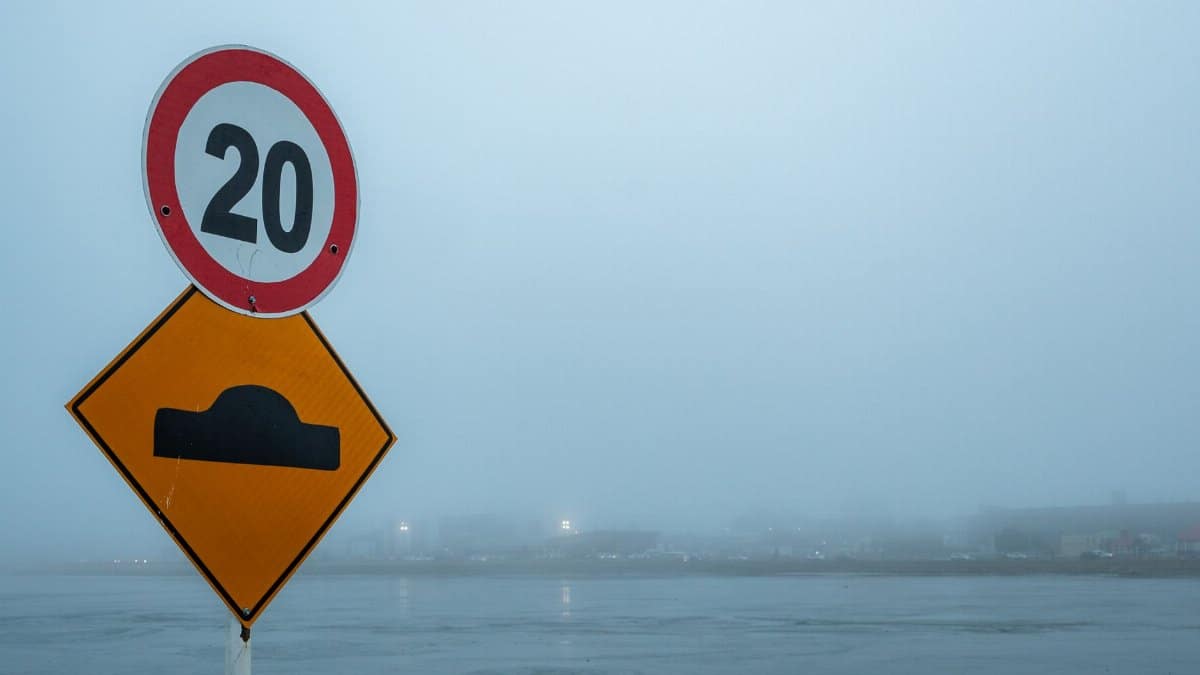
The Seattle conversation that followed the New York meetings captured a mood many health officials already knew. Attention spikes, then scatters. Geopolitical rivalry makes even technical cooperation look like leverage. Some governments worry that new rules will constrain sovereignty. Others worry that voluntary promises will again favor the countries that already hold factories, regulators, and purchasing power. Both fears can be true at once, which is why negotiations on a broader pandemic agreement at the World Health Organization have moved in fits, as tracked in public updates at WHO questions and answers on the accord process.
A speed bump is not a wall. It is a place where vehicles slow and drivers decide whether the destination is still worth the trip. In this case the destination is dull on purpose: routine reporting, funded labs, trained nurses, and contracts that do not have to be invented at 2 a.m. during a surge. Dull systems save lives. They also lose the argument to louder crises unless someone keeps them on the agenda.
The role of cities, hospitals, and people who never enter the hall
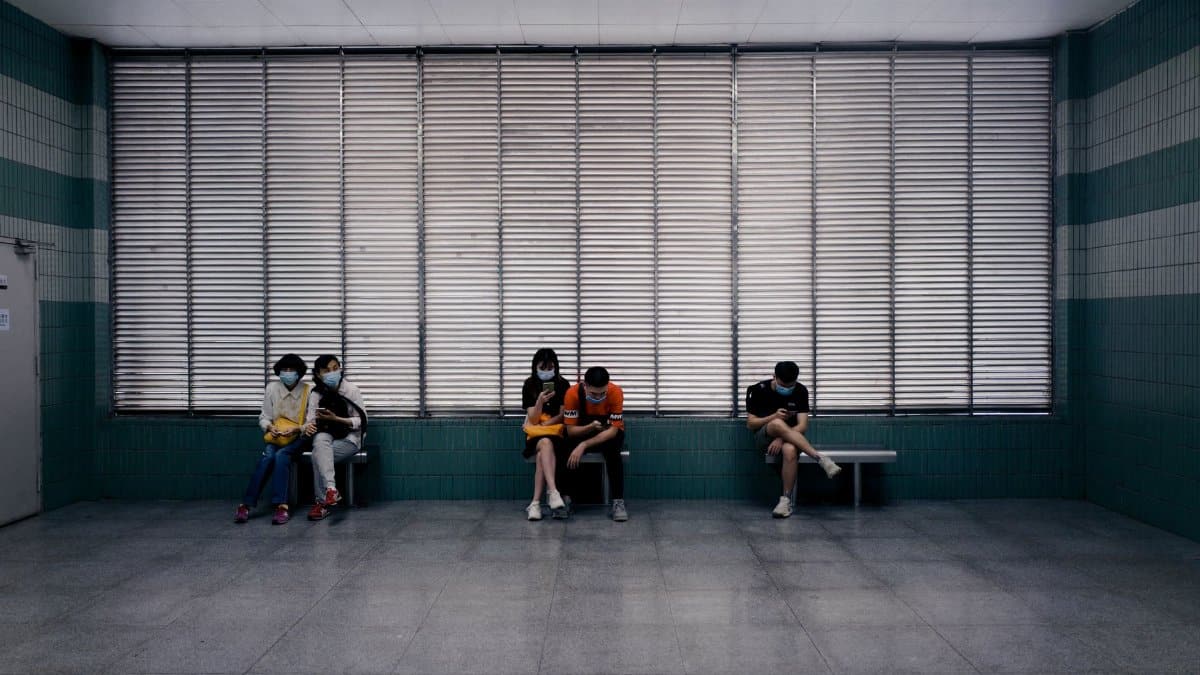
National declarations do not stock a county warehouse. Local health departments, hospital systems, and community clinics absorbed the last crisis in ways that international texts rarely describe with enough texture. Staff burnout, deferred care, and trust damaged by mixed messages are domestic facts, not footnotes. When federal or state budgets later cut public health lines, the international promise becomes a brochure.
Readers in middle age often carry both memories: a parent in a nursing home, a child sent home from school, a job that vanished for a season. That lived record is a form of evidence. It does not replace epidemiology. It does explain why vague assurances land poorly. People can tell when a government is building capacity and when it is recycling the language of capacity. UN pandemic preparedness will be judged in emergency rooms and school nurse offices long before it is judged in a plenary speech.
Science, spirituality, and the hunger for meaning after loss

A category labeled spiritual news can sound distant from ventilation standards and genomic databases. It is not distant from grief. Congregations, mosques, temples, and neighborhood circles became informal public health networks when official channels lagged. They delivered food, sat with the dying by phone, and argued, sometimes bitterly, about masks and vaccines. Any serious account of preparedness has to admit that trust is not a technical annex. It is a social condition.
Faith leaders do not replace laboratories. They can, however, tell the truth about what communities will believe the next time officials ask for patience. If the last crisis felt like rules for some and exceptions for others, the next appeal will start in deficit. That is a political fact with a moral edge. Preparedness that ignores dignity, communication, and unequal burden will fail even if the freezers work.
What a useful declaration would actually change
Strip away the adjectives and a useful text would do a few concrete things. It would set dates for reporting outbreaks and for sharing sequences. It would name a floor of financing and a way to release it without a fresh pledging conference every time anxiety rises. It would tie access to countermeasures to the act of sharing samples, so that transparency is not a gift to richer buyers. It would require public after action reviews that are harder to bury than a press release.
None of that requires poetic language. It requires governments to accept constraints in calm years that they will beg for in crisis years. The irony is familiar to anyone who has watched climate talks or arms control. The moment of maximum agreement is rarely the moment of maximum power to act. By the time power returns, agreement has frayed.
Lessons that keep slipping off the schedule
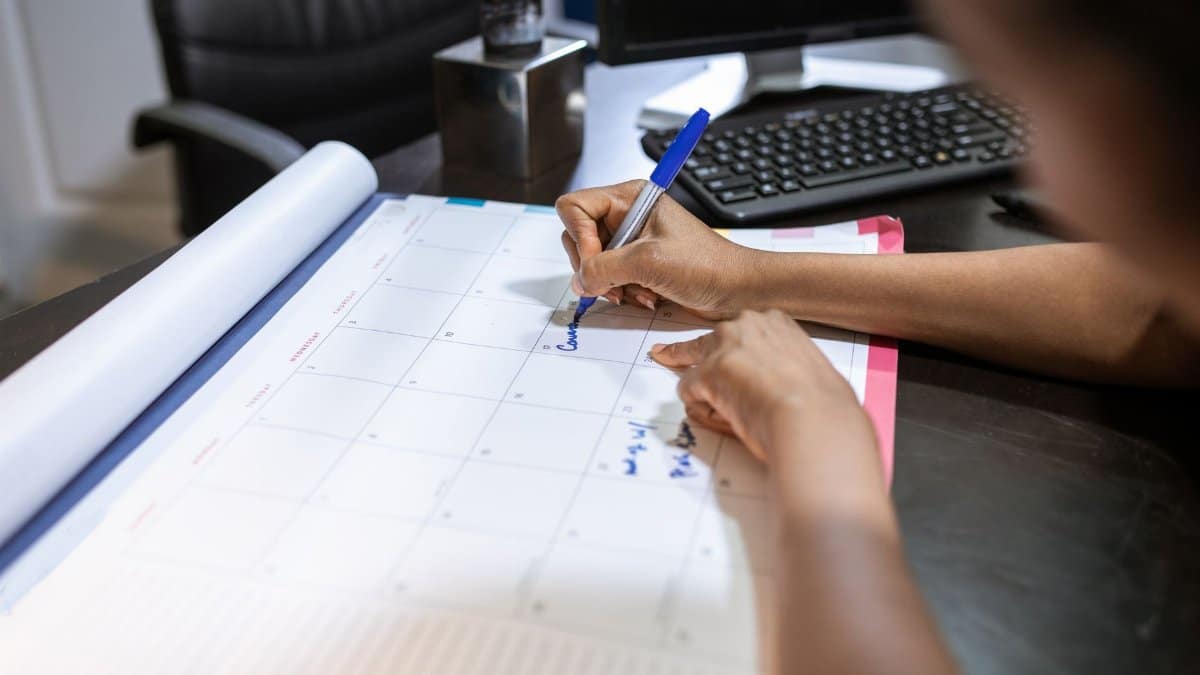
Covid lessons were never a single list. They included the cost of late testing, the danger of nursing home blind spots, the fragility of supply chains for gloves and glass vials, and the speed with which misinformation filled silence. They also included scientific achievement: vaccines developed faster than almost anyone in public life had promised. Holding both facts at once is the adult version of the story. Triumph in the lab did not cancel failure in distribution. Failure in distribution did not cancel the lab.
Keeping those lessons on the agenda means scheduling them against rival priorities, not hoping memory will do the work. Legislative calendars, budget cycles, and diplomatic sessions are where memory either becomes line items or becomes nostalgia. Nostalgia does not buy reagents.
A narrower path that is still open
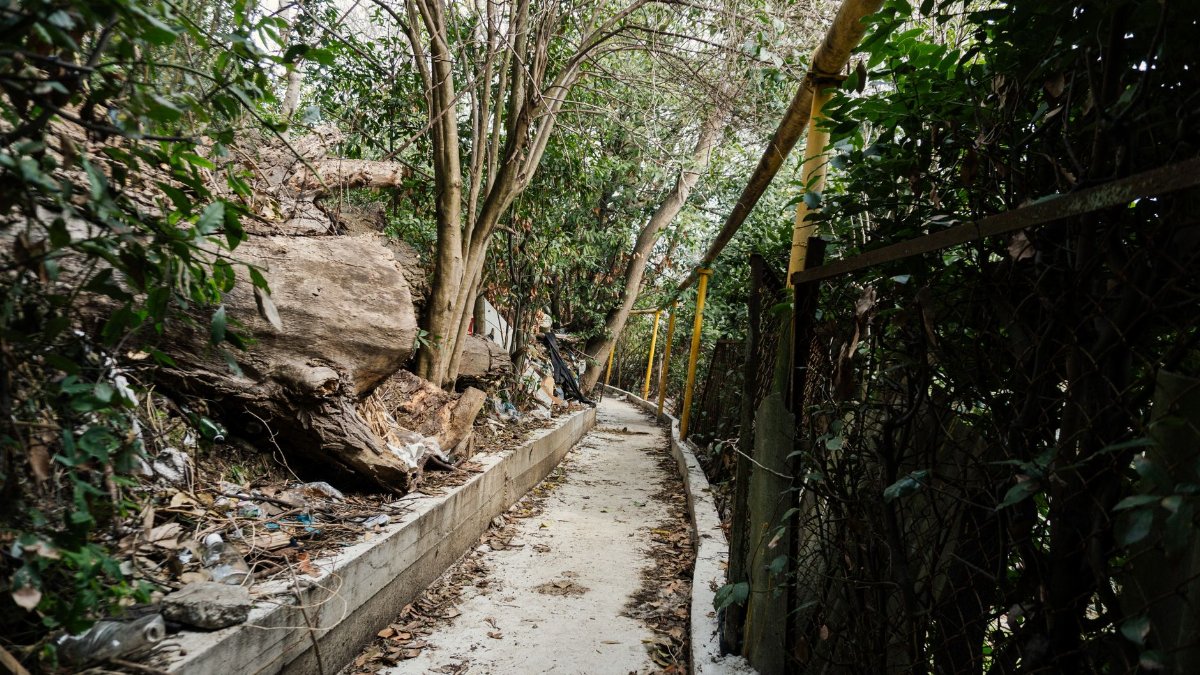
Critics of United Nations processes are not wrong that declarations can become theater. Supporters are not wrong that theater sometimes precedes law. The practical path between those poles is narrower than either camp likes to admit. It runs through bilateral deals on manufacturing, through regional disease surveillance networks, through domestic public health statutes, and through the slow WHO talks that continue after the cameras leave New York. UN pandemic preparedness is not a substitute for those tracks. It is a place where they are supposed to be visible to one another.
Visibility has a use. When a minister knows that peers will ask, next year, what happened to the financing paragraph, delay carries a cost. When no one asks, delay is free. The struggle described in recent coverage is less about a single rejected sentence than about whether anyone still feels obliged to ask.
How citizens can read the next communique

A broad audience does not need to parse every bracket in a negotiation text. A few questions will do. Does the document create a dated obligation or only an aspiration? Is there a number attached to money, and is that number new? Who is accountable if data are late? What happens to a country that shares a sample and then waits at the back of the line for vaccines? If those answers are missing, the communique is a mood, not a plan.
Journalists can help by returning to the same paragraphs a year later, which is less glamorous than covering the opening gavel and more honest. Public health agencies can help by publishing plain language scorecards. Legislators can help by treating preparedness lines as infrastructure, closer to water systems than to emergency charity. None of these steps is dramatic. Together they are how a speed bump becomes a maintained road.
The standard the last crisis already set
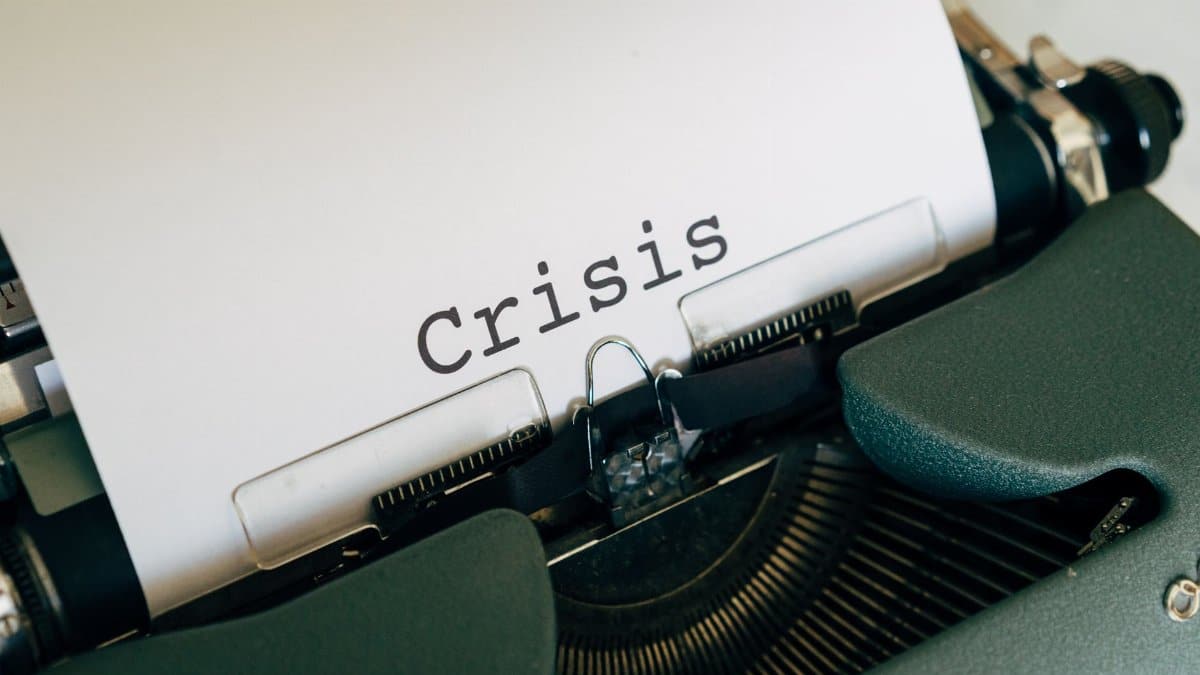
No future session will recreate the fear of spring 2020, and it should not try. Fear is a poor architect. The standard worth keeping is simpler. When officials say the world is better prepared, they should be able to point to staff hired, labs accredited, contracts signed, and stockpiles rotated, not only to meetings held. UN pandemic preparedness deserves that concrete test, repeated often enough that it cannot hide inside diplomatic courtesy.
The New York draft, for all its limits, still names the right subjects: labs, vaccines, and financing. Subjects are not systems. Systems are built by people who stay in the room after the applause, including people who will never see the marble corridors. Six years on, the agenda is crowded. The lesson is not crowded out yet. It is waiting to see whether anyone still treats it as urgent when the wards are quiet.