
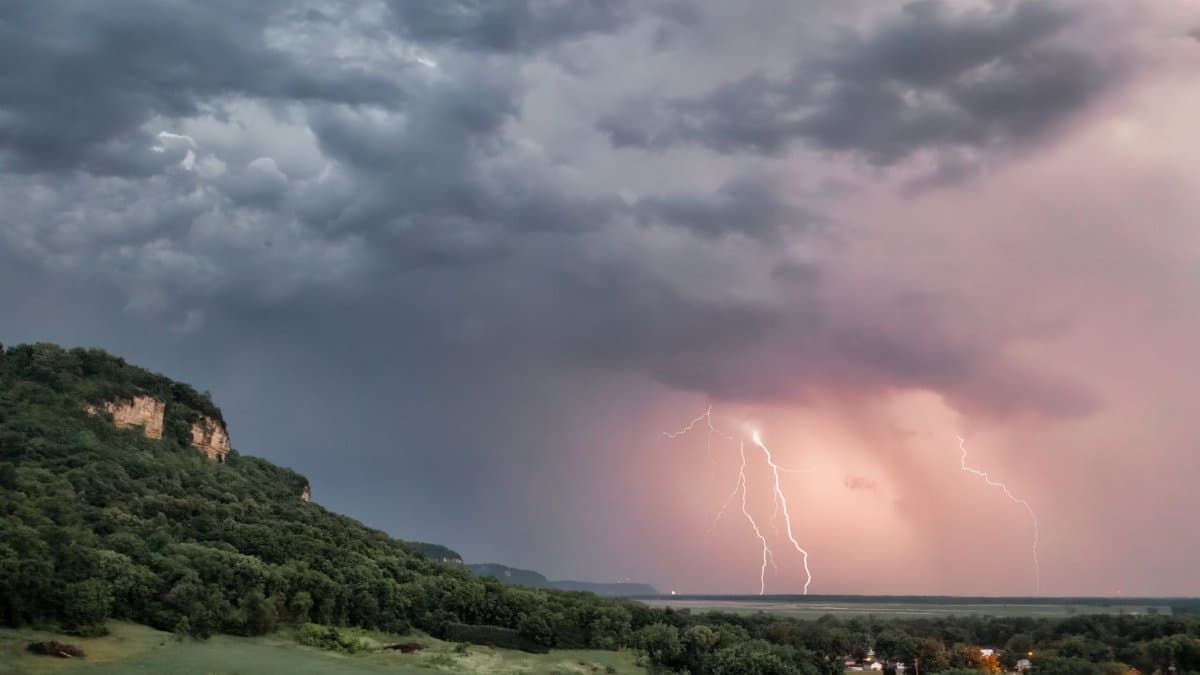
Pop up thunderstorms disrupted evening routines across parts of North Texas on a steamy August evening, leaving residents in North Richland Hills to cope with sudden outages amid ongoing heat. These Dallas Fort Worth storms developed quickly and targeted a narrow corridor, toppling tree limbs onto lines and prompting crews to work through the night.
Weather Patterns Behind the Outages
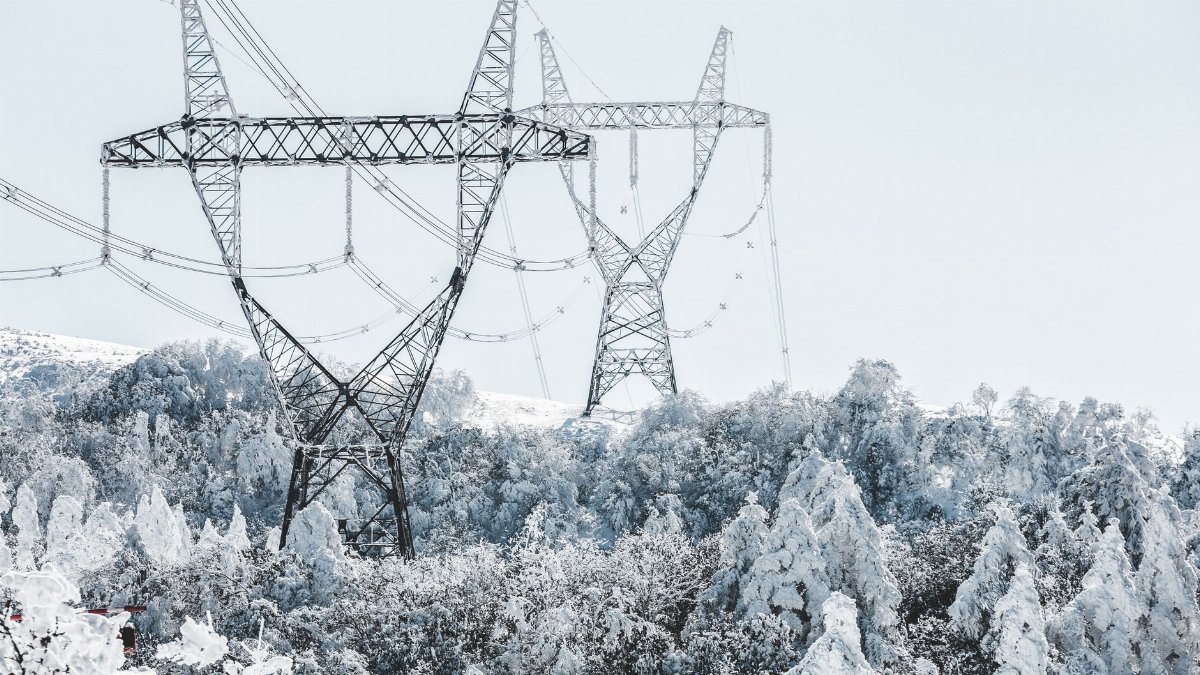
The atmosphere over the region held ample moisture and instability, allowing isolated cells to form despite a broader heat advisory. Forecasters noted that upper level winds steered the activity away from central Dallas but funneled it toward northern suburbs where power infrastructure sits closer to mature trees.
Residents React to Lost Electricity
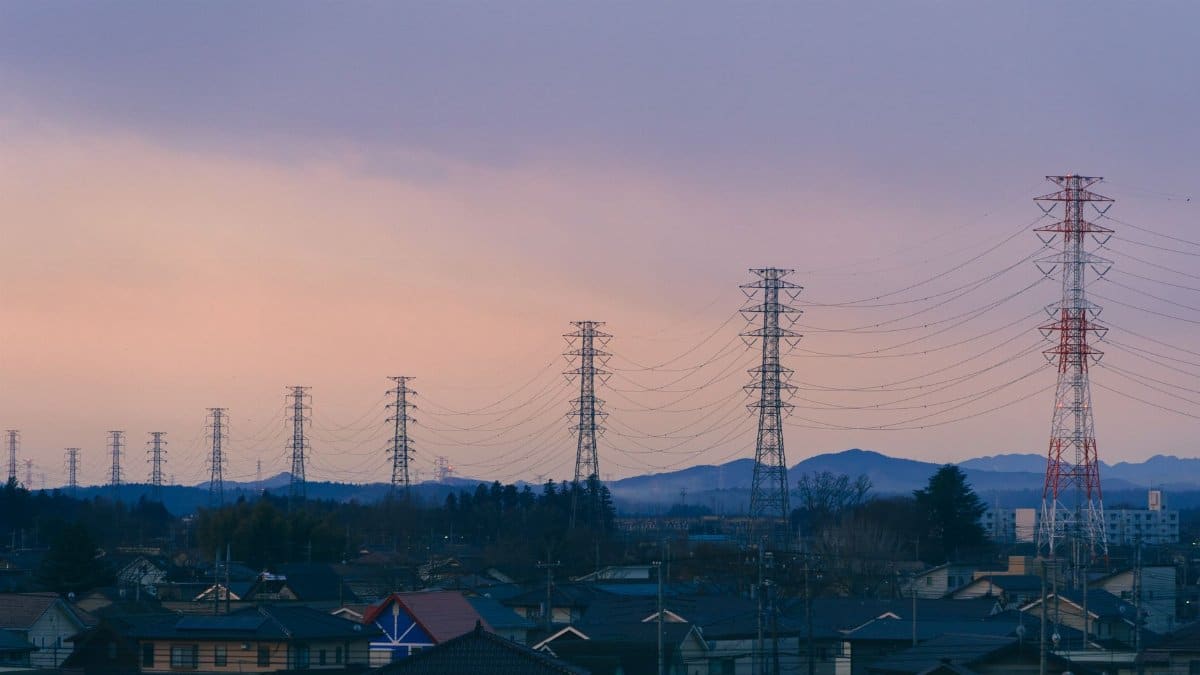
Families in affected neighborhoods gathered on porches as indoor temperatures climbed. Without air conditioning many turned to battery lanterns and shared updates on neighborhood apps. Local officials urged patience while crews cleared debris and restored service to roughly two thousand accounts by morning.
Utility Response and Recovery Efforts
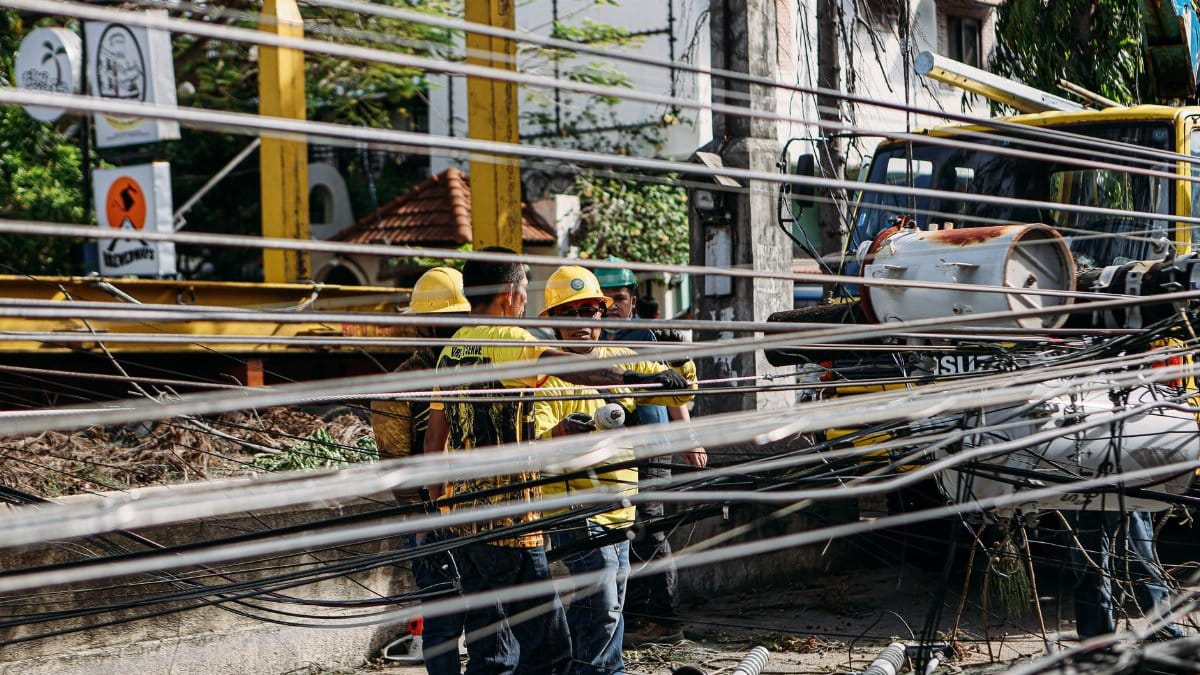
Oncor crews mobilized extra trucks after the first reports came in around seven in the evening. Spokespeople explained that damage remained limited to secondary lines rather than major transmission equipment, which helped speed repairs compared with larger scale events.
Broader Climate Context for North Texas
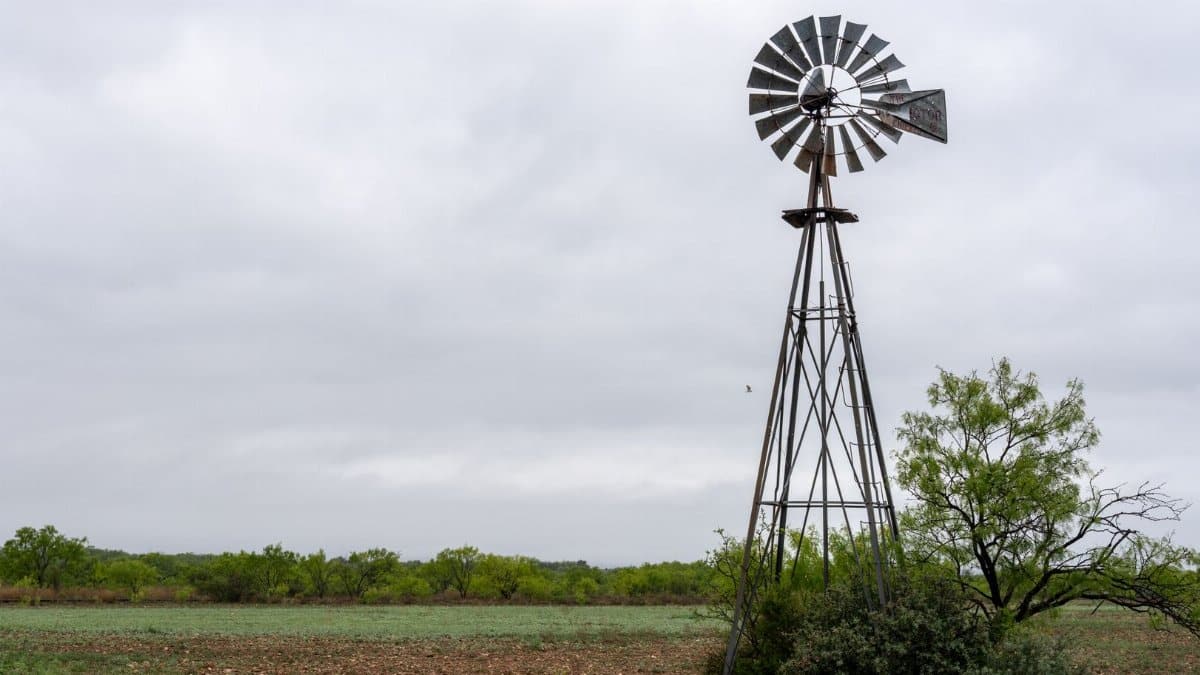
Summer in this part of the state often features sharp contrasts between oppressive heat and brief convective outbursts. Meteorologists track these shifts through radar loops and surface observations, watching for the precise ingredients that turn routine humidity into focused storm clusters.
Lessons for Homeowners on Storm Readiness
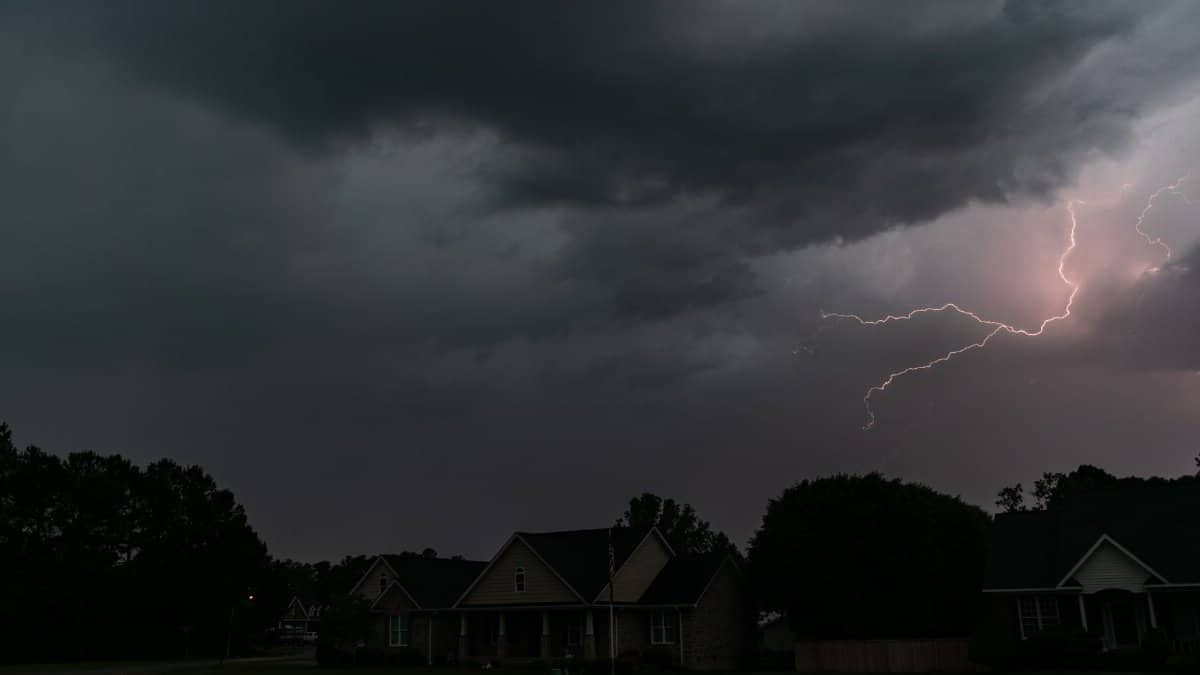
Insurance agents recommend trimming branches near service drops well before peak season arrives. Portable generators require careful placement outdoors to avoid carbon monoxide risks, while surge protectors safeguard sensitive electronics when power returns in surges.
Looking Ahead to Seasonal Forecasts

Long range outlooks suggest continued above normal temperatures through early fall, raising the odds for additional rounds of localized activity. Emergency managers advise residents to keep basic supplies on hand even when the overall pattern appears dry.
Community Support During Disruptions

Churches and recreation centers opened cooling rooms for those without backup power. Volunteers distributed water and checked on elderly neighbors, illustrating how sudden weather events can draw people together even in sprawling metro areas.