

In the heart of a bustling waterfront development north of Boston, employees at a prominent casino resort recently came together in large numbers to decide their next move amid stalled contract talks. The room buzzed with a mix of determination and unease as workers weighed the risks of collective action against ongoing demands for better pay and conditions. This gathering marked a pivotal moment in local labor relations, highlighting tensions that have built over months of negotiations. The Encore Boston Harbor strike vote emerged as the central decision, with participants expressing a clear desire to strengthen their position at the bargaining table. Observers noted the event reflected wider patterns in service industry employment where staff seek greater security in an uncertain economy.
Background on the Resort and Its Workforce
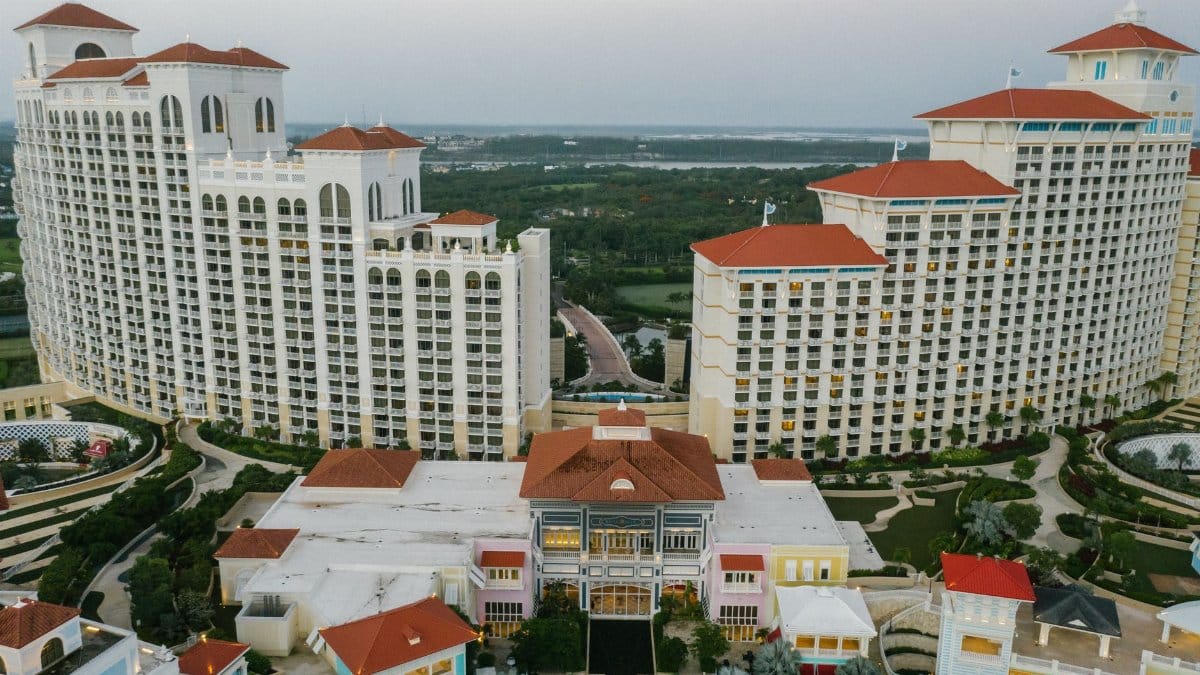
The property in question stands as a major employer in the region, drawing thousands of visitors daily with its gaming floors, hotels and dining options. Many of its staff have worked there since the opening years ago, building careers in hospitality and entertainment. These roles range from dealers and servers to maintenance crews and security personnel. Over time the operation has become integral to the local economy, supporting families across several communities near the harbor.
Details of the Recent Authorization Ballot
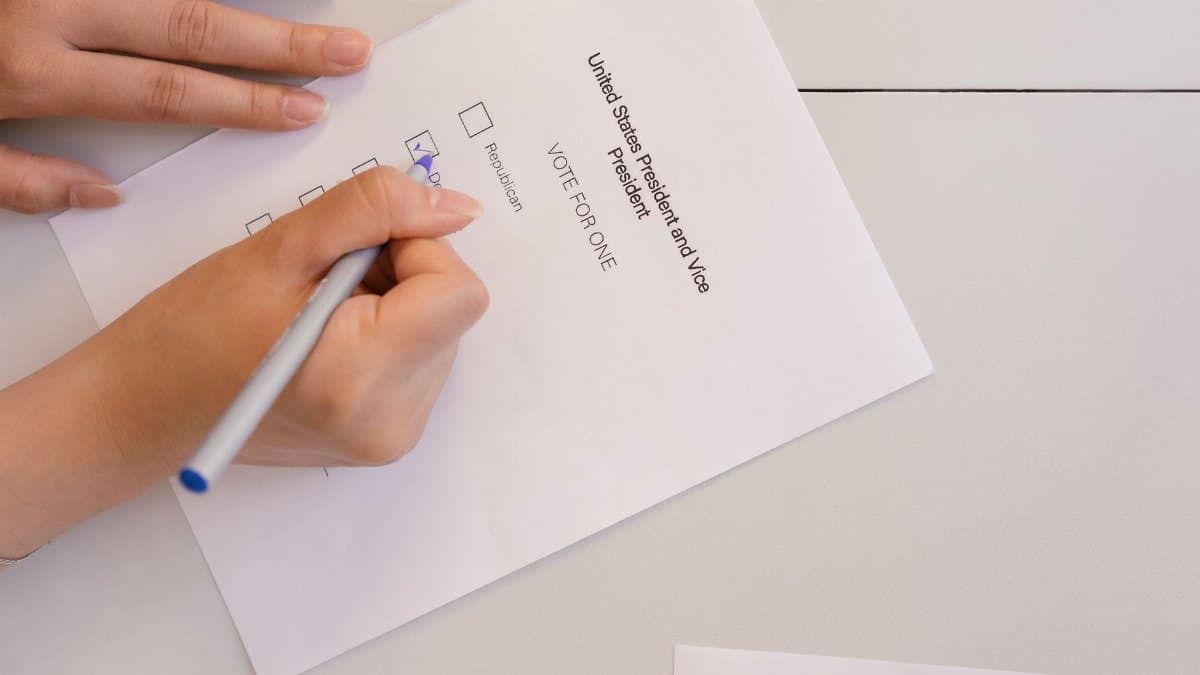
More than one thousand participants took part in the process that resulted in a decisive outcome of 1006 in favor and 53 against. Union leaders described the turnout as a strong signal of unity among the ranks. The measure allows for a potential work stoppage should no agreement be reached by the end of August. Officials emphasized that this step serves as leverage rather than an immediate call to action.
Key Issues Driving Employee Concerns

Staff members have voiced frustrations over wages that have not kept pace with rising living costs in the area. Health care benefits and scheduling flexibility also rank high on the list of priorities. Many describe long shifts without adequate breaks, leading to burnout in fast paced environments. These grievances echo complaints heard at similar establishments nationwide where service workers push for adjustments.
Role of the Union in Organizing Efforts

Representatives from the labor group have coordinated meetings and information sessions to keep members informed throughout the talks. They highlight past successes in securing improvements at other venues through similar processes. The organization stresses the importance of solidarity in achieving lasting changes. Members appreciate the guidance provided during what can feel like an overwhelming period of uncertainty.
Management Perspective on Contract Talks
Company executives have stated a commitment to reaching a fair deal that sustains operations while addressing staff needs. They point to competitive compensation packages already in place and ongoing investments in employee training programs. Negotiators continue to meet regularly with union counterparts to explore compromises. The focus remains on avoiding disruptions that could affect guests and the broader business.
Potential Effects on Local Economy and Visitors

A work stoppage at this scale could ripple through nearby businesses that rely on tourism traffic to the resort. Hotels, restaurants and transportation services might see reduced activity if visitors choose other destinations. On the other hand, prolonged negotiations without resolution risk lowering morale among current employees. Community leaders watch closely for signs of progress that could stabilize the situation.
Comparisons to Past Labor Actions in the Region

Similar disputes at casinos and hotels in New England have sometimes led to swift resolutions once authorization votes occurred. In other cases talks extended for weeks before both sides found common ground. Historical records show that public support often plays a role in pressuring parties toward agreement. Lessons from those episodes inform current strategies on all sides.
Outlook for Upcoming Negotiation Sessions

With the deadline approaching, both union and management teams prepare for intensified discussions in the coming weeks. Mediators may step in if direct conversations stall further. Employees remain hopeful that their recent show of resolve will prompt meaningful concessions. The coming period will test the strength of relationships built over years of operation at the site.