
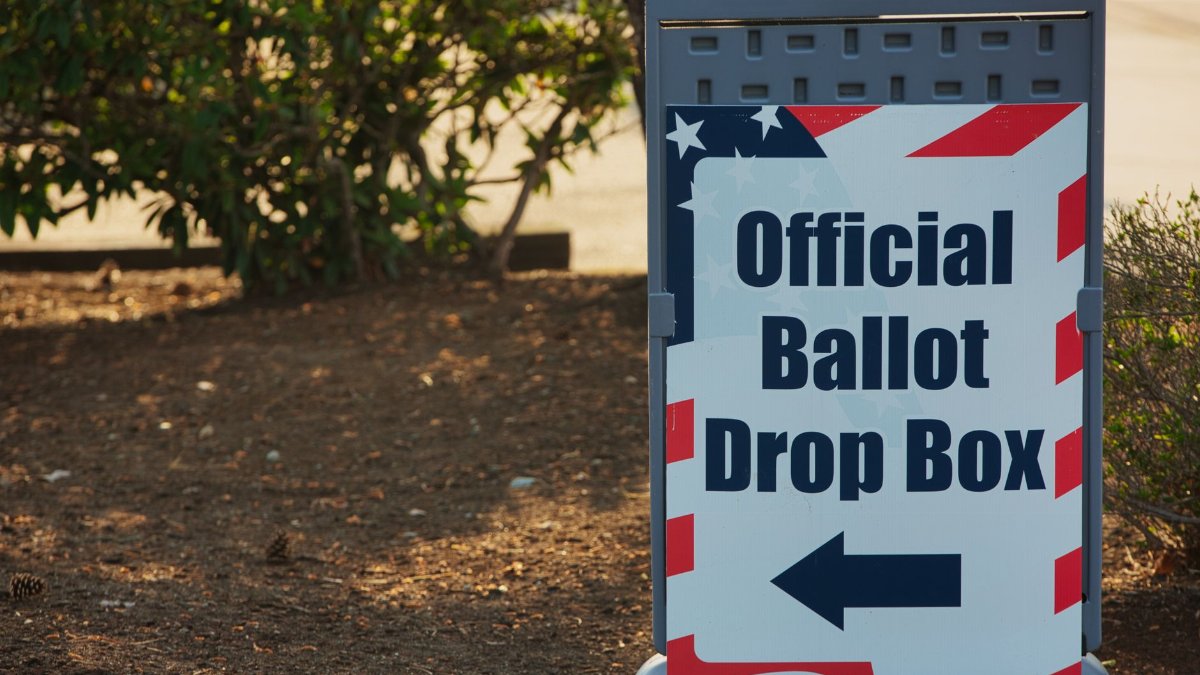
On a clear October morning in San Francisco, three appellate judges pressed a simple question that had trailed the case for months. If a ballot is only suspected of a problem, who has the power to pull it from the count, and on what proof? The hearing on October 25, 2026, turned on a demand that California hold back roughly twenty thousand mail ballots. In that room, the fight over California mail ballots DOJ became less a slogan than a test of how far suspicion can travel before a vote is set aside.
A panel that wanted a standard, not a slogan

The judges did not treat the dispute as a referendum on mail voting itself. They asked the Justice Department to explain the legal hook for its demand and the factual basis for treating thousands of envelopes as too doubtful to count. Lawyers for the government described a screening process that matched voter records against citizenship data and produced a list of names that, in the department’s view, warranted a pause. Lawyers for California answered that a pause of that size is not a pause at all. It is a decision to exclude, made before any voter has had a real chance to answer the charge.
What stood out was the tone of the questions. The panel wanted to know whether suspicion, even reasonable suspicion, is enough under statutes that usually require a completed determination before a ballot is rejected. One line of inquiry returned again and again to the difference between an investigation and a remedy. An investigation can be urgent. A remedy that changes an election tally usually needs more than urgency.
How twenty thousand ballots entered the argument

The number did not arrive as a single dramatic discovery. State and federal officials have spent years comparing registration files with other government records, looking for mismatches in names, dates, and status. In this round, the Justice Department said the comparison pointed to about twenty thousand mail ballots tied to people who may not be citizens. California did not accept that the list proved unlawful voting. Officials said database matches are blunt tools. A transposed letter, an old address, or a naturalization that has not yet been reflected in a federal file can flag a lawful voter.
That gap between a flag and a finding is the heart of the case. Matching software can narrow a search. It cannot, by itself, tell a court that a particular person cast a ballot while ineligible. The state argued that each name on the list deserves an individual look, with notice and a chance to show citizenship papers, before any envelope is removed from the count. The department argued that waiting for that process risks counting ballots that should never have been accepted.
What California says it already does
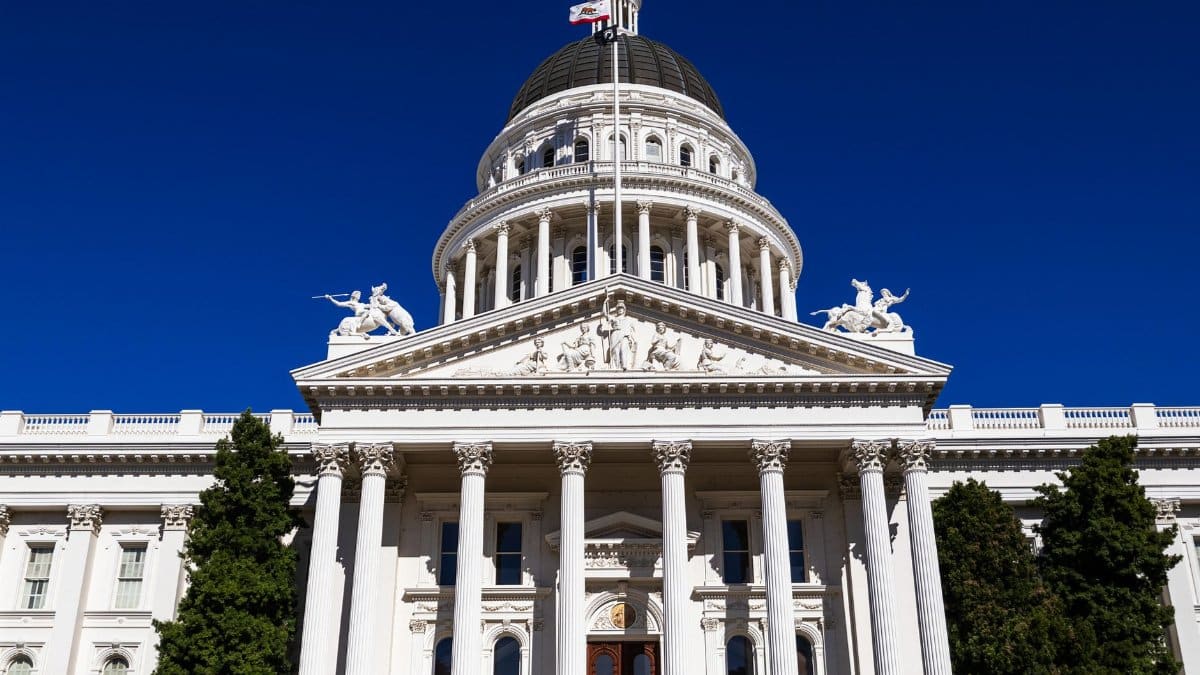
California’s lawyers described a system built for volume. Mail ballots are signature checked, tracked, and, when a problem appears, cured through notices that give voters a short window to fix a missing signature or a mismatched one. Citizenship challenges, they said, already have a path through registration challenges and criminal referral when evidence supports a charge. What the state rejected was a federal order to quarantine a bloc of ballots as a class.
County registrars, watching the argument from offices that will have to carry out any order, have a practical worry as well as a legal one. A hold on twenty thousand ballots is not evenly spread. Some counties would see a handful of envelopes. Others would see enough to slow certification, invite recount demands, and leave campaigns arguing over a pile that no one has yet proved invalid. The state asked the court to keep those local processes in place rather than replace them with a single federal list.
The Justice Department theory of harm
The government framed the demand as protection of the franchise, not an attack on it. If people who are not citizens cast mail ballots, each of those ballots dilutes a lawful vote. From that view, setting suspect ballots aside is a temporary shield while investigators finish their work. The department told the panel that California had been too slow to act on warnings and that federal law gives Washington a role when a state will not police its own rolls with enough speed.
Judges pressed on the word temporary. How long would the ballots sit uncounted? What happens if the election is certified while the review is unfinished? What remedy exists for a citizen whose ballot was held and later cleared, if the race has already been called? Those questions matter because mail ballots are often the last ballots processed. A late hold can decide whether a margin is real or merely unfinished.
Voters who would feel the order first
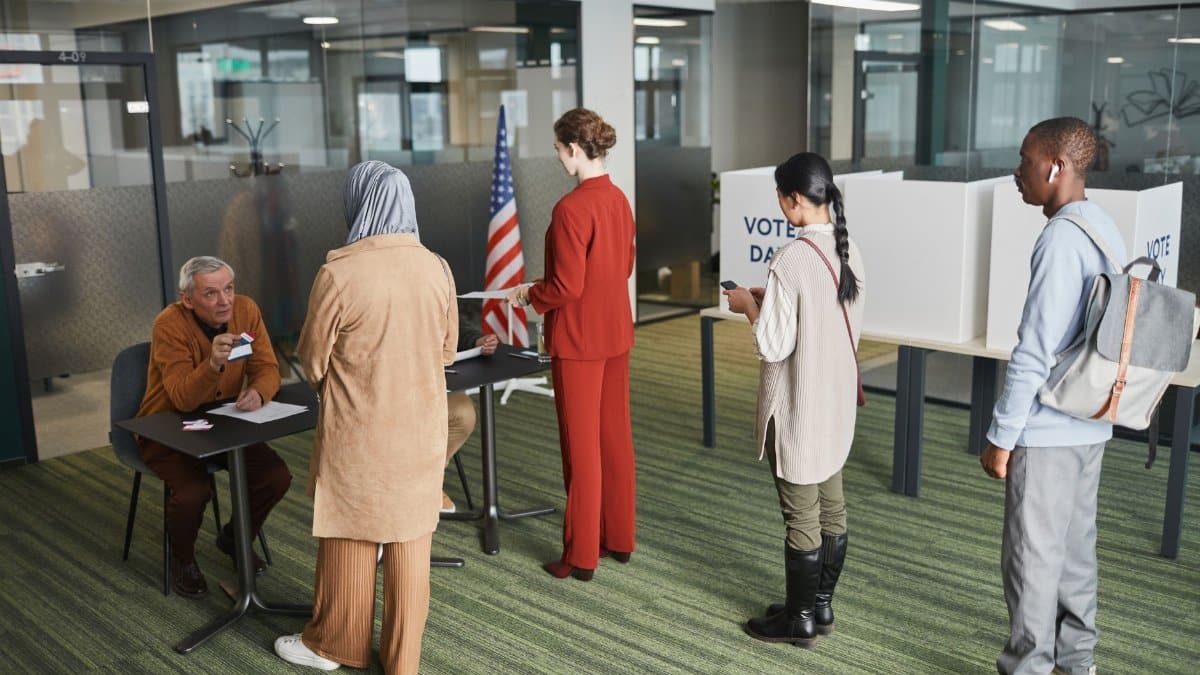
Behind the number are people who may never see a courtroom. A newly naturalized citizen whose federal record lags the oath of citizenship. A voter who shares a name with someone flagged in another state. An older voter who mailed a ballot weeks ago and has no reason to think the envelope is in dispute. If the court allows a blanket set aside, those voters learn of the problem, if they learn at all, through a letter that arrives while the count is already moving.
Due process in elections is often quiet. It looks like a notice, a deadline, and a clerk who can read a passport or a naturalization certificate and put a ballot back in the pile. California argued that stripping that step away, even for a short time, treats lawful voters as suspects in public. The department answered that the alternative treats unlawful ballots as presumptively valid. The panel seemed interested in whether the law can require both speed and an individual chance to respond.
California mail ballots DOJ and the meaning of set aside

The phrase set aside sounds administrative. In an election it is not. A ballot set aside is a ballot that does not yet count, and in a close contest that absence is itself a result. The fight over California mail ballots DOJ is partly a fight over vocabulary. The Justice Department describes a preservation step, like sealing evidence so it is not lost. The state describes a suppression step, like removing evidence from the jury before the jury has heard it.
Appellate courts are used to that kind of translation problem. They look for the statute that authorizes the act, the finding that must precede it, and the harm that follows if the act is wrong. Here the translation carries a calendar. Preservation that lasts past certification becomes exclusion. Exclusion without notice becomes a constitutional problem of its own, separate from the citizenship question that started the case.
Federal power and the state’s count

Elections for federal office sit in an uneasy split. States run them. Congress can regulate the manner of choosing senators and representatives. The Justice Department enforces civil rights and criminal statutes tied to voting. None of those roles, California argued, includes a free floating power to order a state to quarantine ballots on a match list that the state disputes. The government answered that when a state count would include ballots cast in violation of federal eligibility rules, federal courts can stop that count from becoming final.
The panel’s questions suggested a search for a middle path that the briefs had not fully drawn. Could the department investigate without a hold? Could the state give expedited notice to the flagged voters and report back before certification? Could ballots be counted but marked, so a later court could adjust a tally if ineligibility were proved? Each option has a cost. Investigation without a hold risks a final count that includes bad ballots. A hold without notice risks discarding good ones. A marked count invites a second election in the courts.
What the record does and does not show

Observers left the argument with a clearer sense of what is missing. The public record described in court did not include a completed finding that each of the twenty thousand voters lacks citizenship. It included a screening result and a demand for a remedy sized to that result. Screening results can be leads. Leads are not verdicts. The judges asked how many of the flagged names had already been checked by hand, how many had responded to earlier notices, and how many remained truly unresolved. Those numbers, more than the round figure of twenty thousand, will shape whatever opinion follows.
Until that opinion arrives, campaigns and county offices are planning for more than one outcome. One plan assumes the ballots stay in the ordinary cure process. Another assumes a federal hold and a scramble to notify voters in days rather than weeks. A third assumes a split ruling that allows investigation, requires notice, and forbids a blanket exclusion. Planning for all three is expensive. It is also how election offices avoid being surprised by a court that is still writing.
Trust, suspicion, and the public story
Cases like this travel farther than the courthouse. A headline that twenty thousand ballots may involve noncitizens can harden into a belief that twenty thousand unlawful votes were cast. A headline that a court blocked the demand can harden into a belief that no one is watching the rolls. Neither belief matches the hearing. The hearing was about the gap between a list and a proof, and about which government must close that gap before votes are removed.
Public confidence depends on both halves of that sentence. Voters need to believe that people who are not eligible do not decide elections. They also need to believe that a lawful ballot, once cast according to the rules, will be counted unless a real defect is shown. When either belief fails, the other becomes harder to defend. The panel seemed aware that a sloppy order, in either direction, would feed the story the court cannot control.
California mail ballots DOJ after the argument

No ruling came from the bench. Appellate panels rarely decide a case of this weight in the moment. What they do offer, if one listens closely, is a map of the doubts they expect the opinion to answer. Here the map included the reliability of the match list, the notice owed to each voter, the time left before certification, and the precise statute the Justice Department claims as its warrant. The map also included a warning, implicit in the questions, that a remedy broader than the proof will not survive.
For California, the days after the argument are a management problem as much as a legal one. Counties must keep processing mail ballots under existing rules while preparing to segregate a list they may be ordered to honor. For the department, the task is to show that its demand is a scalpel and not a net. For voters on the list, the task is cruelly simple and hard to complete from a distance: learn that they are on it, and prove what the database doubts.
A narrow holding with a wide echo

Whatever the Ninth Circuit writes will be read in other states that use mail ballots and other data matches. A ruling that federal suspicion alone can freeze a class of ballots would invite similar demands wherever a list can be built. A ruling that only an individual finding can justify exclusion would slow those demands and push disputes back into notice and challenge procedures that already exist. A ruling somewhere between would become a template, copied into the next emergency brief before the ink is dry.
That is why the argument felt larger than twenty thousand envelopes. The court was being asked to decide how much doubt a democracy should tolerate in its count, and how much doubt it should tolerate in the tools used to police that count. Tools fail in both directions. They miss ineligible voters. They flag eligible ones. The law’s job is to say which failure is worse when time is short, and to say it in a rule that clerks can follow without guessing.
What readers should watch for in the opinion

The opinion, when it comes, will likely turn on a few concrete points rather than on speeches about democracy. Does federal law authorize a preemptive hold on state counted mail ballots? What quality of evidence must support that hold? Must voters receive notice and a chance to cure before exclusion? How should courts treat database matches that the state says are incomplete? And what happens to a ballot if the review outlasts the certification deadline?
Those questions are technical. They are also the only questions that decide whether a mailed vote remains a vote. Until they are answered, the demand to set aside the ballots sits where the panel left it: serious enough to argue, unproved enough to doubt, and large enough that getting it wrong would be felt in living rooms as well as in clerk offices. The next filing will matter less than the standard the court is willing to write down.
The count continues while the law catches up
Elections do not pause for appellate calendars. Ballots keep arriving, signatures keep being checked, and campaigns keep reading partial returns as if they were final. The hearing did not stop that work. It did force a public accounting of a demand that had lived mostly in letters between agencies. In that accounting, California mail ballots DOJ stopped being an abstraction. It became a question a voter can ask in plain language. Is my ballot in the pile, and who decided it does not count yet?
A durable answer will not come from a match rate or a press statement. It will come from a rule that distinguishes a lead from a finding, and a finding from a remedy, and that gives a person on a list the dignity of a response. The Ninth Circuit spent the morning of October 25, 2026, asking for that rule. The rest of the country will learn, soon enough, whether the court was willing to supply it, and whether California mail ballots DOJ will be remembered as a warranted pause or as a demand that outran its proof.