
On a cold night at City Hall, the spreadsheet did more talking than the politicians. Interim Minneapolis police chief Bill Peterson told council members he had inherited a department whose extra hours were loosely watched and poorly forecast. The Minneapolis police overtime budget, set near 6 million dollars, had been met with spending that he placed at 33 million dollars. Neighbors who already argue about safety, staffing, and trust heard something simpler than a budget seminar. A city cannot ask people to believe in public safety if it cannot explain the bill.
What the interim chief walked into

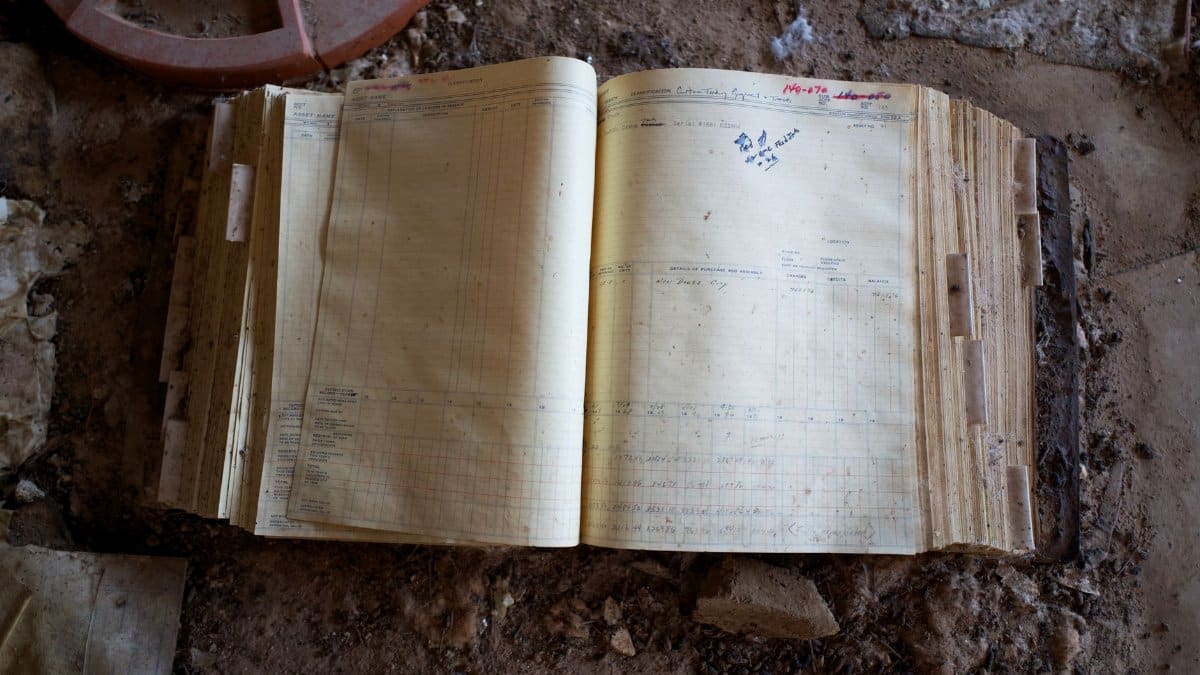
Peterson described the books as a mess, and the phrase stuck because it matched the gap. A line item meant to cover occasional extra shifts had become a standing way of running the department. Overtime is not, by itself, a scandal. Court appearances run long. Investigations do not end at shift change. Big events pull officers off ordinary patrol. The trouble starts when those exceptions become the plan, and when no one can say, week by week, which captain approved which hours and for what purpose.
An interim leader has a narrow kind of authority. He did not build the staffing chart he inherited, and he may not stay long enough to rebuild it. What he can do is name the disorder out loud. In a city still living with the aftershocks of 2020, that candor matters. Residents are tired of being told that complexity excuses silence. A chief who says the ledger is broken at least gives the council a place to start.
How a small allowance became a large bill

Six million dollars is not a trivial sum, but it is a modest one beside the cost of policing a major city. Thirty three million dollars is a different kind of number. It is large enough to hire, to train, or to fund programs that residents actually debate in public. When that much money moves through overtime instead of through an honest base budget, the public argument gets distorted. Officials can claim restraint on paper while the real cost hides in hours that arrive after the vote.
Budget watchers have a name for this pattern, even if they argue about the cure. Departments lowball a volatile cost, then come back later for a supplemental appropriation once the year is already spent. The political pain is delayed. The managerial pain is worse. Supervisors stop treating the limit as real, because everyone knows the limit will move. Once that habit sets in, overtime stops being a tool and starts being a culture.
Why the hours keep piling up

Minneapolis, like many cities, has struggled to keep a full complement of officers. Vacancies do not erase 911 calls. Someone still has to cover a precinct, a protest detail, a hospital watch, or a case that cannot wait until morning. Overtime is the fastest patch. It is also the most expensive patch, and the one most likely to exhaust the people who remain.
There are cleaner reasons for extra pay as well. Training takes people off the street. Court time is not optional. Specialized units chase cases that do not respect a schedule. None of that requires loose controls. A department can honor those duties and still demand a written reason, a supervisor signature, and a monthly report that a civilian budget analyst can read without a translator. The absence of that discipline is what turns a staffing problem into a fiscal one.
Fatigue is not a budgeting trick

The people working those hours are not abstractions. A sergeant on a third late shift is slower, shorter tempered, and more likely to make a decision the city will have to defend later. Fatigue shows up in sick leave, in injuries, and in the quiet decision of a good officer to leave for a suburb that pays less drama and more sleep. A budget that relies on endless extra hours is borrowing against the future workforce.
Residents feel the other side of that exhaustion. Response times slip. Follow through on ordinary crimes thins out. Community meetings get a lieutenant who is present in body and elsewhere in mind. None of this is solved by scolding officers for accepting pay the contract allows. It is solved by staffing plans that match the work, and by leaders who stop treating human limits as a rounding error.
What city leaders can actually steer

A council cannot patrol a block, but it can refuse to fund a fiction. The first lever is the baseline. If leaders know that court time, events, and vacancies will consume far more than 6 million dollars, they should budget the honest number and then hold the department to it. A realistic ceiling disciplines managers. A fantasy ceiling trains them to ignore the ceiling.
The second lever is visibility. Monthly reports should name the unit, the reason, and the trend, in language a neighbor can follow. Unusual spikes should trigger a hearing before they become a tradition. Civilian analysts, not only command staff, should have the authority to question a code that says special event when the hours look like ordinary backfill. Sunshine is not a substitute for officers. It is a substitute for shrugs.
Contracts, courts, and the limits of a speech

Some costs sit outside a chief’s mood. Labor agreements set premium pay. Judges set court calendars. State and federal task forces pull local officers into work the city did not fully design. A serious budget conversation admits those constraints instead of pretending a memo will erase them. It also refuses to hide behind them. Within every contract there is still a zone of management: who is offered the hours, whether the work could be done by a civilian hire, whether a detail is truly necessary.
That zone is where interim leadership either earns trust or spends it. Peterson can order cleaner approvals this month. He can ask commanders to justify recurring details. He cannot, alone, rebuild a recruiting pipeline or rewrite a regional court schedule. Voters should hear both sentences, not only the convenient one.
A ledger is a kind of promise
Public money is held in trust, whether or not a city frames the point in spiritual language. People pay taxes in the belief that stewards will be sober with what is not theirs. When a safety budget drifts this far from its stated limit, the injury is not only fiscal. It is relational. Neighbors who disagree about policing can still agree that hidden costs corrode the civic bond. A community cannot practice repair if the books themselves feel evasive.
That is why the phrase mess lands with moral weight, not merely managerial annoyance. Carelessness with overtime is carelessness with other people’s wages, other people’s safety plans, and other people’s faith that someone is watching. Stewardship here looks unglamorous. It looks like timestamps, denial of vague requests, and a willingness to disappoint a commander who wants an easy yes.
Questions worth asking in public

The next hearing should be plainer than the last one. Which categories drove the overrun, and which of those categories will recur next year? How many hours were approved after the fact? How often did the same small group absorb a disproportionate share of extra shifts? What share of the bill replaced vacant positions that the city has already funded on paper but failed to fill?
Residents should also ask what the Minneapolis police overtime budget will say on the day it is adopted, not on the day it is exceeded. If the adopted figure is again a fraction of the expected cost, the council is choosing theater. If the figure is honest, and if reports arrive before the damage is done, the city has a chance to argue about priorities instead of apologies.
Recruiting without romantic excuses

Any plan that ignores hiring will fail. Overtime has been a pressure valve for a department that lost more people than it replaced. Rebuilding that roster takes time, pay that can compete, a training academy that does not bottleneck, and a workplace people are willing to join. None of that is a slogan. It is a multi year operational task, and it will not be finished by one interim appointment.
While that work proceeds, leaders still owe the public a bridge. Civilian roles can take some duties off sworn overtime. Event planning can be tighter. Court scheduling can be pressed, even if judges hold the gavel. The wrong bridge is an open tab. The right bridge is a written forecast that names the shortfall and prices it in daylight.
What would count as repair
Repair will not arrive as a single press conference. It will look like a year in which extra hours fall, or at least stop surprising anyone. It will look like commanders who can explain a spike without a scramble. It will look like officers who are not living at the station, and like a council that funded the work it actually expects. Those are modest miracles. They are also the only kind a budget can honestly promise.
Peterson’s warning is useful only if it becomes a habit of attention. A mess described once is a headline. A mess measured every month is a management system. Minneapolis has had enough drama around its police department to last a generation. What it needs now is the dull virtue of numbers that match the nights officers actually work, and a public willing to read them.