

In the quiet coastal communities of Maine public service frequently starts with roles that receive little notice yet shape daily life for residents. One such position involved overseeing harbor operations and ensuring safe navigation for local fishermen and visitors alike. This background set the stage for an emerging political figure whose path led directly into a contest with an established senator. The story of Graham Platner Susan Collins now draws interest as voters examine how prior experience in modest government work informs a challenge to long serving leadership.
Harbor Oversight as Entry to Public Roles
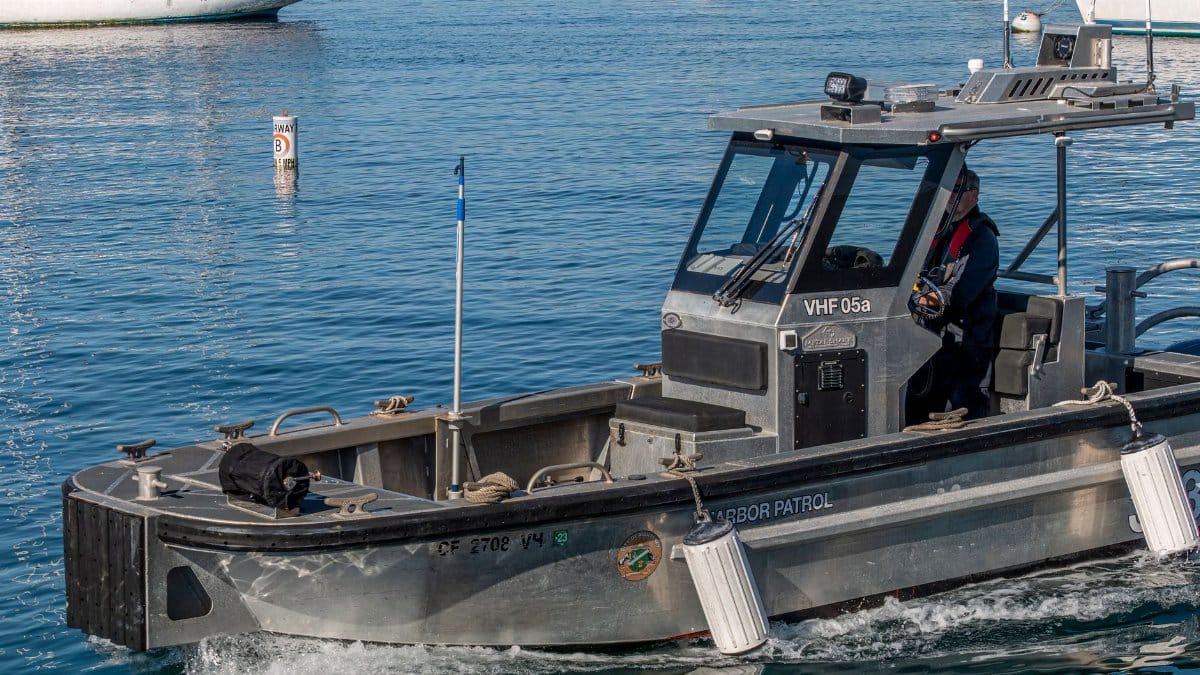
Maine harbors demand constant attention to tides weather patterns and vessel traffic. Individuals in these posts manage permits enforce regulations and coordinate with state agencies on environmental matters. Such duties build familiarity with regulatory frameworks that later prove useful in broader political contexts. Observers note how these experiences foster practical problem solving without the fanfare of higher offices.
Daily Tasks Behind the Scenes

A typical day might begin with inspections of docks followed by meetings on safety protocols. Record keeping occupies significant time along with responses to community inquiries about mooring rights. These routines emphasize reliability and attention to detail qualities that supporters later highlight during campaign events. The position remains grounded in tangible outcomes rather than abstract policy debates.
Path from Local Duties to Statewide Ambitions
Many who serve in harbor management find their perspective broadened through interactions with diverse groups including commercial operators and recreational boaters. This exposure can spark interest in larger issues such as economic development and resource protection. For one individual the transition involved recognizing gaps in representation at the federal level prompting a decision to seek higher office.
Insights Gained from Regulatory Work

Handling compliance with federal and state guidelines offers lessons in balancing competing interests. Harbor masters often mediate between conservation goals and business needs creating a nuanced view of governance. These encounters prepare candidates for the compromises inherent in legislative work. Voters in Maine have shown appreciation for candidates who demonstrate such hands on knowledge.
Community Connections Formed on the Waterfront

Relationships built through routine harbor activities extend across political lines. Local events and town meetings become venues for discussing concerns that later appear in campaign platforms. This grassroots foundation distinguishes certain challengers from those who enter politics through more conventional routes like law or academia.
Contrasts with Established Senate Presence
Longtime senators maintain visibility through national media and committee assignments. Challengers coming from municipal positions bring different strengths centered on immediate local impacts. The matchup between Graham Platner Susan Collins illustrates this generational and experiential divide within Maine politics. Supporters argue the fresh perspective addresses evolving state priorities.
Voter Reactions to Background Stories

Residents along the coast often value candidates familiar with working waterfront realities. Discussions in cafes and community centers reveal interest in how past roles translate to policy proposals on fishing rights and infrastructure. Polling indicates modest but steady attention to these details among middle aged independents who follow state races closely.
Future Implications for Maine Representation

As the contest unfolds analysts will track whether the harbormaster experience resonates beyond initial announcements. Success may hinge on connecting specific job lessons to statewide challenges like economic resilience. The narrative around Graham Platner Susan Collins continues to evolve with each public appearance and statement. Observers expect further exploration of these themes through the election cycle.