
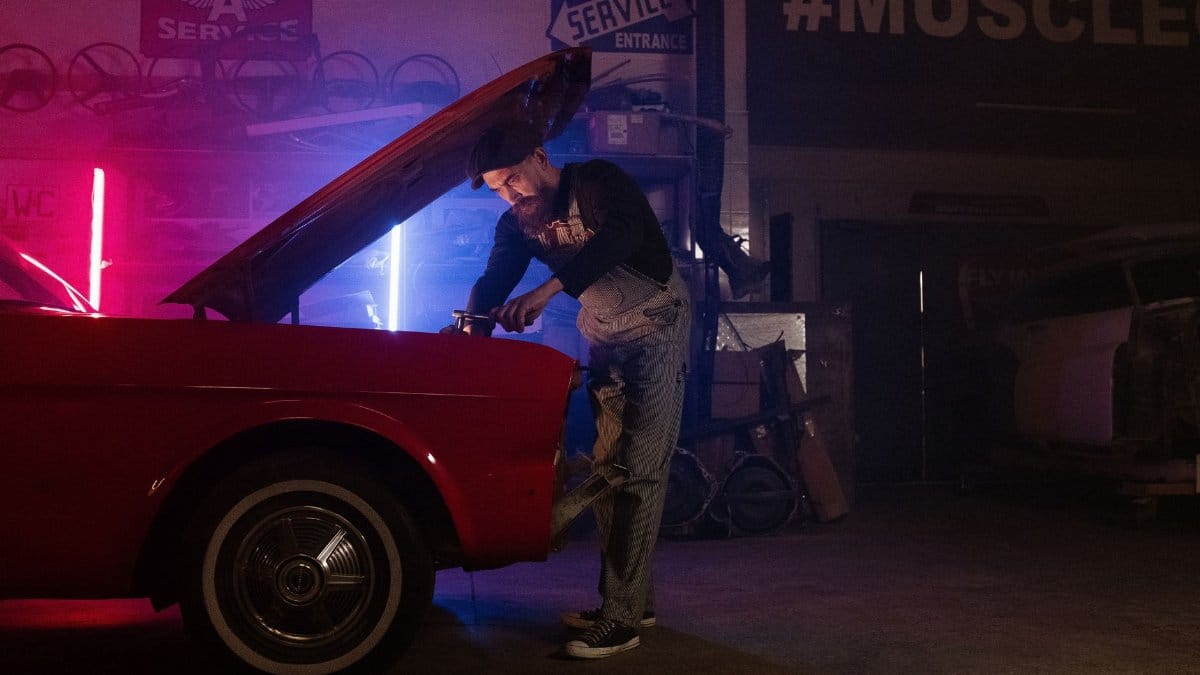
The Fair Lane estate stands as a quiet reminder of how one mans vision for self sufficiency shaped not only an industry but an entire way of life along the banks of the Rouge River. Built in the early twentieth century, Henry Ford Fair Lane reflects the inventive spirit of its owner, who sought to harness natural resources for both personal comfort and practical power generation. Today the grounds await a careful revival that will welcome visitors starting in 2027, allowing the public to step inside spaces once reserved for private use.
Power Generation Rooted in the Landscape
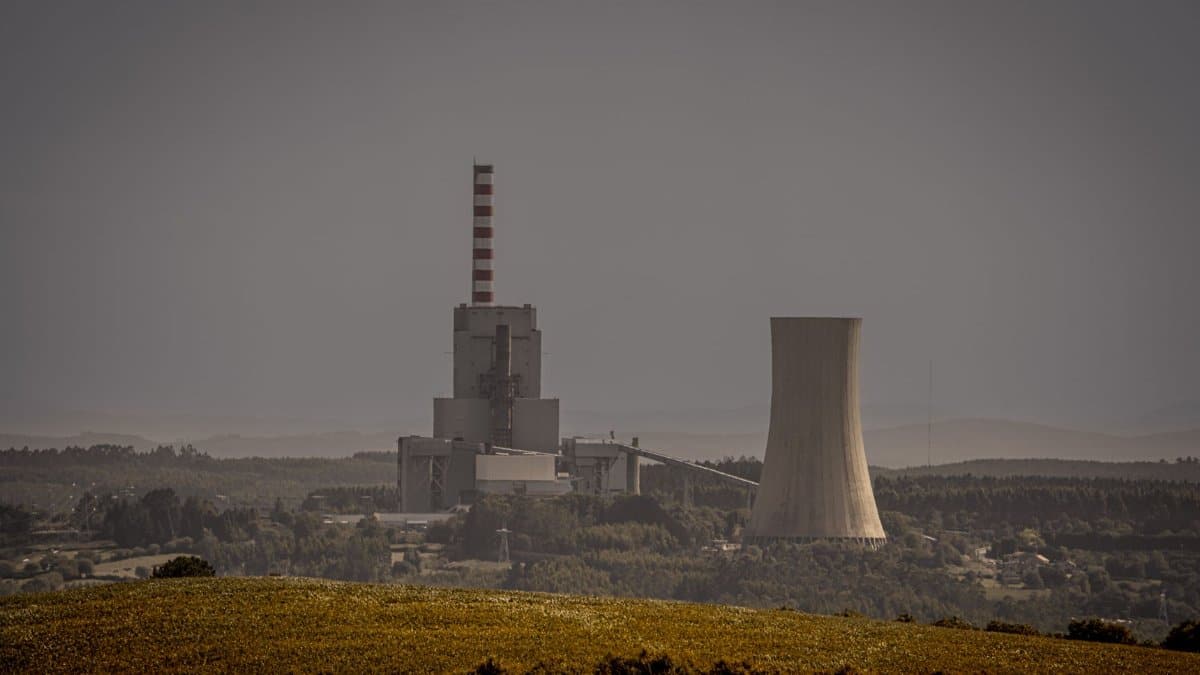
The powerhouse at the estate was no ordinary utility building. It drew energy from the flowing river to light the home and run its many machines. Ford insisted on independence from outside suppliers, a choice that mirrored his larger belief in controlling every aspect of production. Restorers have worked to preserve the original turbines and control panels so future guests can see how early hydroelectric systems operated without modern electronics.
Automotive Experiments Inside the Garage
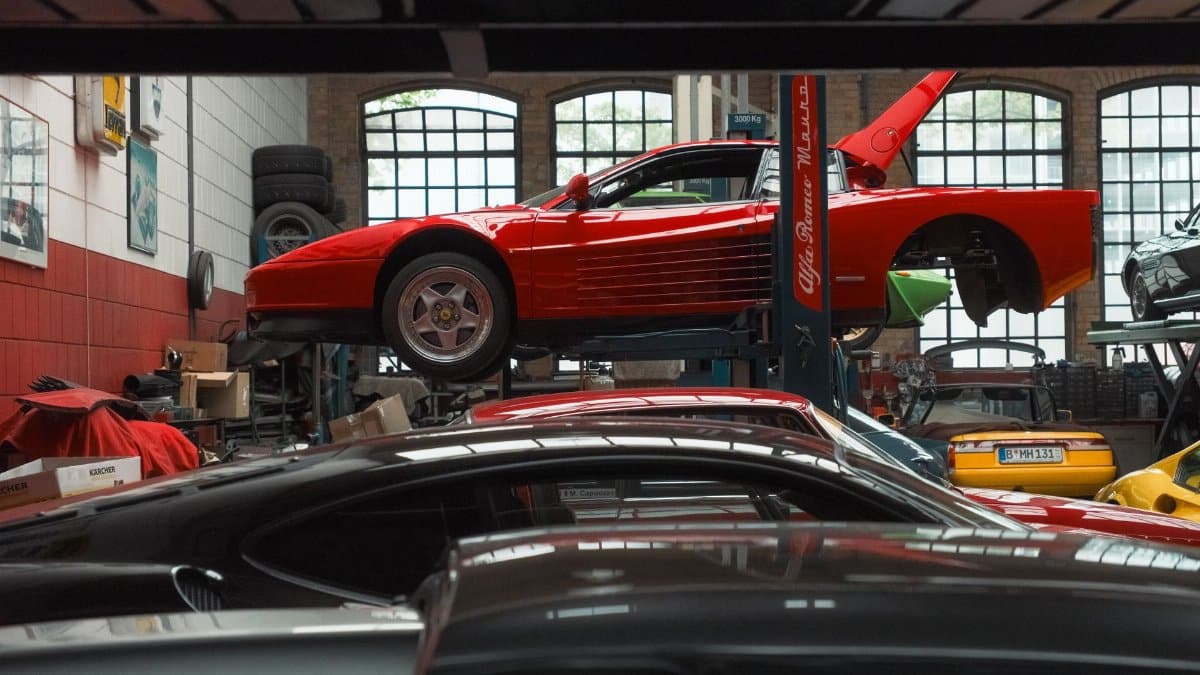
Adjacent to the main residence sits a garage that once sheltered a collection of vehicles and experimental engines. Mechanics tinkered with designs that would later influence mass produced cars. The structure remains largely intact, its wide doors and workbenches offering clues about daily routines on the property. When tours begin, visitors will learn how these experiments connected to the broader story of American mobility.
Restoration Efforts Across Several Years

Decades of deferred maintenance left parts of the estate in need of structural repairs. Teams have replaced weakened timbers, stabilized foundations, and cleaned intricate interior details. Funding has come from private donors and regional preservation groups committed to keeping the site authentic. Their goal is to open the powerhouse and garage without altering the original character that defined daily life there.
Public Access Planned for 2027
Officials have announced that guided tours will start in 2027, giving middle aged history enthusiasts and families a chance to explore areas long closed to outsiders. Event spaces will also become available for small gatherings. Organizers hope the schedule will balance preservation needs with steady visitor flow throughout the seasons.
Connection to Regional Growth
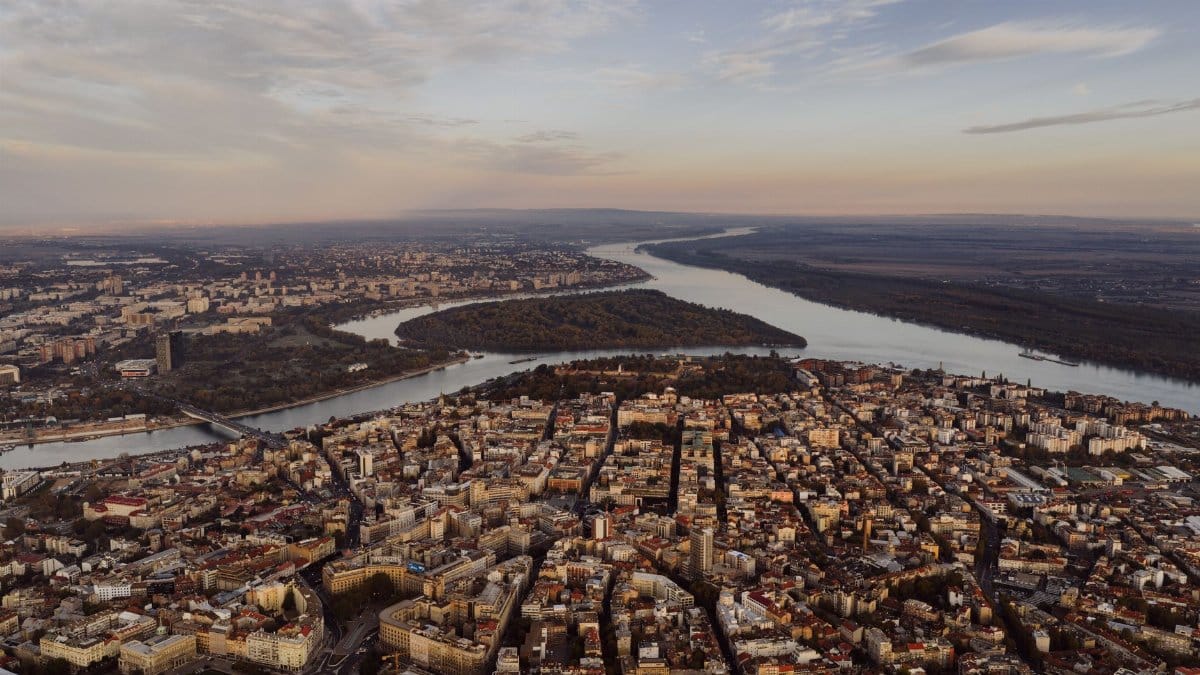
Wayne County benefited from the presence of the estate in ways that extended beyond employment. Local suppliers provided materials for ongoing projects, and the estate served as a model of integrated living and working. As the site reopens, planners expect renewed interest in nearby communities and their own industrial pasts.
Daily Life Behind the Stone Walls
Residents at Henry Ford Fair Lane followed routines shaped by both luxury and practicality. Gardens supplied fresh produce while workshops handled repairs on site. Servants and family members moved through a network of passages designed for efficiency. These details will appear in interpretive displays once the buildings open.
Environmental Choices That Endured

Ford selected the location partly for its natural water source, a decision that reduced reliance on coal. The same river that powered the estate also supported wildlife along its banks. Modern stewards continue this emphasis by maintaining native plantings and limiting chemical use during restoration.
Legacy Reflected in Future Visits

Henry Ford Fair Lane will soon offer more than static displays. Interactive elements will let guests consider how personal innovation once addressed everyday challenges. The experience aims to prompt reflection on self reliance without romanticizing the past.
Challenges of Preserving Industrial Features
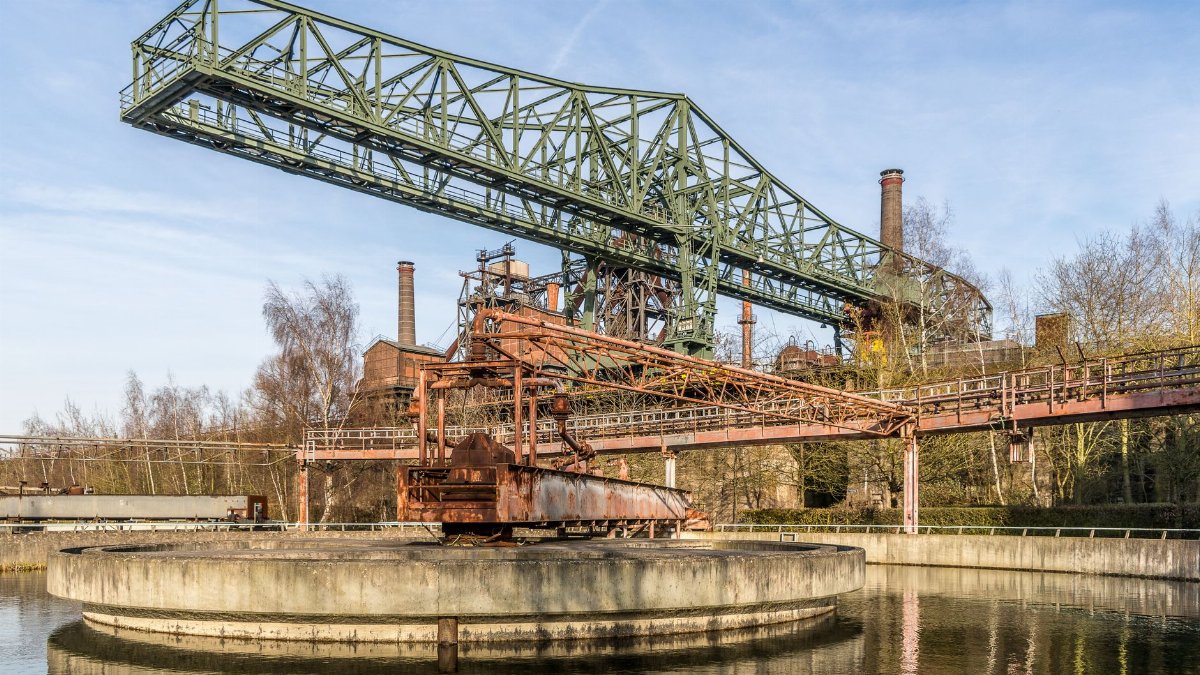
Keeping the powerhouse machinery functional requires specialized knowledge that few contractors possess today. Experts have consulted original blueprints to match replacement parts. Their work ensures that moving components can still demonstrate basic principles of energy conversion for educational purposes.
Community Interest and Educational Programs

Schools in southeastern Michigan have already expressed interest in field trips focused on the estate. Curriculum materials will highlight both engineering concepts and the social context of the period. Organizers view these programs as a way to connect younger generations with regional stories they might otherwise overlook.