

On a night when Houston needed one stop and one clean finish, the margin slipped away in a single breath. A fourth down throw kept Dallas alive, the visitors answered, and the final horn left the home side staring at a record that now reads zero and four. The phrase Texans Cowboys 34-30 will travel farther than the box score, because it names both a result and a warning about how thin the line is between a season that can still be rescued and one that starts to feel already written.
A game that kept refusing to settle
Football games of this kind rarely announce their meaning in the first quarter. They announce it late, when the crowd has already spent its voice and the sideline has spent its timeouts. For long stretches the Texans looked capable of the sort of night that resets a locker room. They moved the ball. They answered scores. They kept the arithmetic close enough that belief remained reasonable. Then the game asked for precision under pressure, and precision is the first thing a young season loses when losses pile up.
Close defeats are often described as moral victories. That language flatters the loser and insults the winner. Dallas did not stumble into the result. The Cowboys found a way to extend a drive that should have ended, and they protected the lead when the clock became an ally. Houston played well enough to win and not well enough to win. Both statements can be true, and both should make a coaching staff uncomfortable.
The throw that kept Dallas alive
Every loss has a play that fans will replay until the details blur. This one is easy to name even if the yardage and the coverage will be argued for days. On fourth down, with the drive apparently dying, Dallas completed a pass that should have been the end of the threat. The ball came out, a defender was a step late or a step wide, and the possession continued. From that continuation came the points that decided the night.
Fourth down is supposed to be a referendum. The offense either converts or it surrenders the ball. Defenses practice that moment all week because it is one of the few snaps in which the math is brutally simple. Houston had the down it wanted and did not get the stop it needed. That is not a moral failing. It is a football failing, and football failings are what standings record.
People will ask whether the call was brave or reckless. The better question is whether the execution matched the call. Dallas trusted a throw in a moment when many teams would have punted or attempted a kick. The trust was rewarded. In the retelling of Texans Cowboys 34-30, that snap will sit at the center, not because it was the only mistake of the evening, but because it turned a possible stop into a living drive.
What the score actually says
Thirty four to thirty is not a blowout. It is a game that either side could imagine winning if one or two snaps had landed differently. That closeness is a kind of mercy and a kind of cruelty. Mercy, because it suggests the talent gap is not a canyon. Cruelty, because it means the season is slipping away in increments a competent team ought to be able to close.
Margins like this also distort memory. Supporters remember the near misses and forget the earlier drives that stalled. Coaches remember the coverage bust and forget the third down conversions that kept them in it. A fair reading has to hold both. Houston generated enough offense to put thirty points on the board against a talented opponent. Houston also allowed thirty four, including the sequence that began with a fourth down completion. Offense without stops is a highlight reel, not a winning formula.
Zero and four is a different kind of number

An opening loss can be explained. Two losses can be a tough slate. Three losses start to change the conversation in the building. Four losses, with no win beside them, change the math of the entire calendar. The Texans are not eliminated. They are constrained. Every remaining week now carries extra weight, because the hole is no longer theoretical.
Players will say the right things, and some of them will mean those things. They will talk about one game at a time, about controlling what they can control, about the standard inside the locker room. Those phrases are not empty. They are also not sufficient. A team at zero and four needs more than composure. It needs a week in which the details that escaped them on Sunday finally hold.
History offers one narrow door

League history is blunt on this point. Only one NFL team has reached the playoffs after starting zero and four. That fact will be repeated on radio, in group texts, and in the quiet of Monday film. It is meant as a warning, and it should be heard as one. It is not quite a tombstone. A single exception proves that the door has opened before. It also proves how rarely the door opens.
The danger in citing that exception is false comfort. Fans hear that someone once climbed out and imagine their own club is the next exception by right of loyalty. History does not work that way. The clubs that recover from abysmal starts do so because they stop losing the specific snaps that decide games, not because the standings feel sorry for them. If Texans Cowboys 34-30 becomes a turning point, it will be because Houston treats it as evidence, not as bad luck.
The home crowd and the long walk out

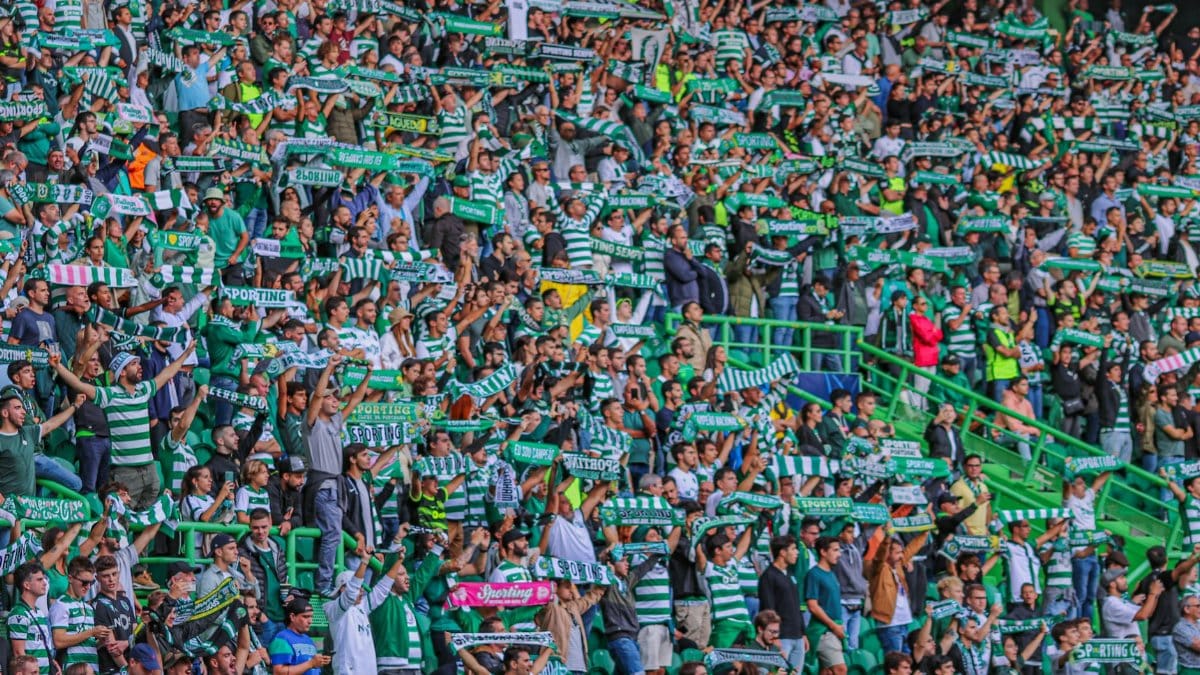
There is a particular silence in a stadium after a loss that felt winnable. It is not the silence of apathy. It is the silence of people recalculating the autumn. Season ticket holders do not abandon a team after four games, but they do change the way they talk on the drive home. Hope becomes conditional. The questions get shorter and sharper. Can they stop anyone on fourth down. Can they finish a game they are in. Can the next opponent be the one that finally loses.
Houston has a football public that has learned patience the hard way. Patience is not the same as indifference. The stands still fill. The rituals still hold: the walk from the parking lot, the shared complaint, the refusal to leave early even when the score suggests leaving. That stubbornness is part of what a franchise sells, and part of what a franchise owes. A crowd can carry a team for a series. It cannot convert fourth down for them.
What coaches will actually watch
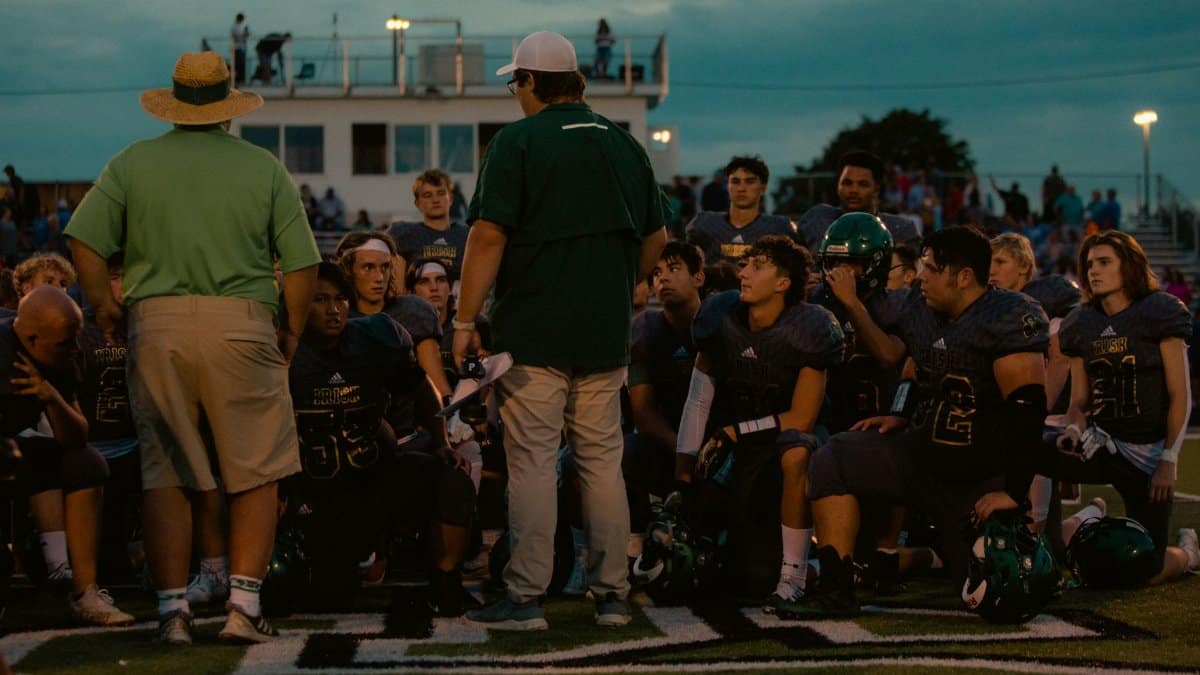
Public narratives love villains. Film does not. On Monday the staff will sit with the down and distance, the protection, the route, the eyes of the quarterback who threw, and the leverage of the defender who did not arrive. They will also sit with the drives Houston failed to finish earlier, because a game is rarely lost on one snap even when one snap becomes the symbol.
The useful questions are plain. Were the Texans in the right coverage, or did a communication error create a window. Was the rush timed to affect the throw, or did Dallas have a clean pocket. Did Houston’s own fourth down decisions earlier in the night show the same courage, and did that courage produce points or empty possessions. Courage without completion is just noise.
None of that work is glamorous, and none of it will satisfy a fan base that wants a culprit by lunchtime. It is still the only work that changes December. Teams that recover from wretched starts are usually boring about it. They fix a protection rule. They change a call on the goal line. They stop granting free first downs. The romance comes later, if it comes at all.
Dallas leaves with the thing that matters

It is easy, from the losing side, to treat the winner as a plot device. Dallas was not a plot device. The Cowboys took a snap that most defenses want, and they won it. They managed the end of the game. They left with a victory that will look, in their season narrative, like resilience. Houston will remember the same sequence as a failure of finish. Both memories are fair. Only one of them comes with a win.
Rivalries inside a state sharpen that feeling. Texans and Cowboys share a map even when they do not share a division, and shared maps make losses personal. Neighbors notice. Group chats notice. The result becomes a week of commentary that has little to do with scheme and everything to do with pride. Pride is real. It is also a poor substitute for a stop.
A season is a practice in attention

I have sat in enough press boxes to know that early losing streaks produce two kinds of writing. One kind hunts for collapse. The other kind hunts for hidden virtue. Both miss the quieter truth, which is that a football season is mostly a practice in attention. The teams that last are the ones that keep looking at the next snap after the last snap embarrassed them. That is not mysticism. It is professional habit, and habit is the closest thing sport has to a spiritual discipline.
There is a reason people reach for the language of faith when a season sours. Not because a game is a church, but because losing asks the same questions faith asks of ordinary weeks. Do you keep the ritual when the result disappoints. Do you tell the truth about what you saw. Do you ask more of yourself without inventing a villain to carry the blame. Houston’s players will answer those questions in film sessions, not in sermons. The answers will show up, or fail to show up, on the next third down.
The next month is the whole argument

September and early October still leave room, but the room shrinks every Sunday. A club at zero and four cannot afford a moral victory tour. It needs a win that is ugly and complete, the kind that does not require a miracle on the final snap. It needs a defensive series in which fourth down is actually the end of something. It needs an offense that scores thirty and then gets a stop, rather than an offense that scores thirty and watches the other sideline keep the ball.
Schedules do not care about narrative. The next opponent will not arrive softer because Houston is hurting. If anything, opponents smell a team that has not closed. That is the hidden tax of a losing start. Every call gets questioned. Every young player hears the noise. Veterans either narrow the noise or add to it. Leadership, in that setting, is less a speech than a sequence of ordinary plays done correctly when the building expects another leak.
What fans are owed, and what they are not
A franchise owes its public competence, honesty, and a visible standard. It does not owe them a guaranteed turnaround, and fans do not owe the franchise endless absolution. The healthiest relationship is frank. The team can say the fourth down stop was there and was missed. The fans can say they will be back and that back does not mean blind. That exchange is more dignified than either panic or spin.
Media will fill the gap with larger claims. Some will declare the season over. Some will declare that thirty points against Dallas is proof the offense is fine and only the defense is guilty. Both claims are too clean. A four point loss with a failed stop at the decisive moment implicates execution across the roster and the call sheet. Sharing blame is not the same as excusing it.
Remember the sequence, not the myth

By midweek the game will harden into a myth: the night Dallas refused to die, the night Houston let another one go. Myths are useful for memory and useless for correction. The correction lives in the sequence. A drive that should have ended did not end. Points followed. The horn sounded with Dallas ahead. The standings moved to zero and four. Everything else is commentary.
If there is a disciplined hope available, it is narrow and specific. Hope that the next fourth down is tackled. Hope that thirty points is a floor rather than a ceiling. Hope that the one historical exception is studied as a checklist of habits, not waved like a charm. Anything broader is wishfulness, and wishfulness has already had four weeks.
Leaving the score where it belongs

Scores linger because they are simple, and this one is simple enough to sting. Texans Cowboys 34-30 is not a collapse and not a fluke. It is a loss by four in a game Houston had a chance to end and did not end. That is the sentence the team has to live with until it writes a different one.
The playoffs from this starting mark are nearly unprecedented, and nearly is not a plan. The plan is smaller. Protect the quarterback. Fit the run. Arrive on time when the down is the last one the offense should have. Speak plainly in the locker room. Show up for the people who walked out in silence and will walk back in anyway. Football does not grant redemption on request. It occasionally grants it to clubs that stop repeating the snap that beat them. Houston now knows exactly which snap that was.