
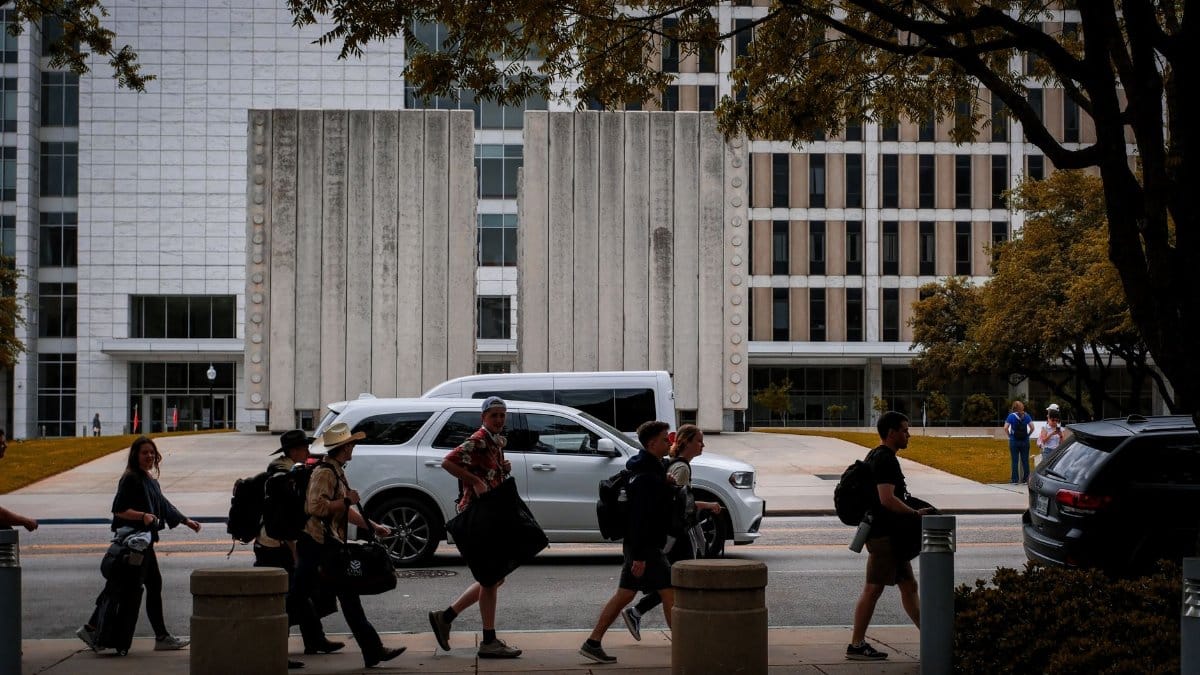
The Dallas City Council recently took a step that underscores ongoing tensions between local priorities and broader national debates. In a nine to five vote the body approved an application for federal public safety money through a program that supports urban revitalization efforts. This choice arrives at a moment when immigration issues continue to draw sharp attention across Texas and beyond. At the center of the proposal stands Dallas Model Cities, an approach that blends enforcement resources with community programs aimed at reducing crime in targeted neighborhoods.
Origins of the Model Cities Approach

The concept draws from earlier federal experiments in the nineteen sixties that sought to concentrate resources in distressed urban zones. Dallas leaders see value in reviving elements of that framework under current Department of Justice guidelines. The program offers grants that can fund policing technology, youth outreach and neighborhood cleanups all at once. Supporters argue this integrated method produces measurable drops in violent incidents over several years.
Council Dynamics Behind the Vote

Inside the council chamber opinions split along familiar lines with some members emphasizing immediate safety needs while others raised worries about federal strings attached to the money. The nine to five tally reflected careful negotiation over language in the application that addresses immigration status checks. Proponents stressed that the funds would remain focused on local crime patterns rather than broader enforcement roles.
Public Safety Data Driving the Decision

City reports show certain Dallas districts continue to experience higher rates of property crime and assaults compared with surrounding suburbs. Officials point to these statistics as justification for seeking additional resources through Dallas Model Cities. Analysts note that similar efforts in other large Texas cities have produced modest improvements when paired with consistent community engagement.
Immigration Concerns in the Debate
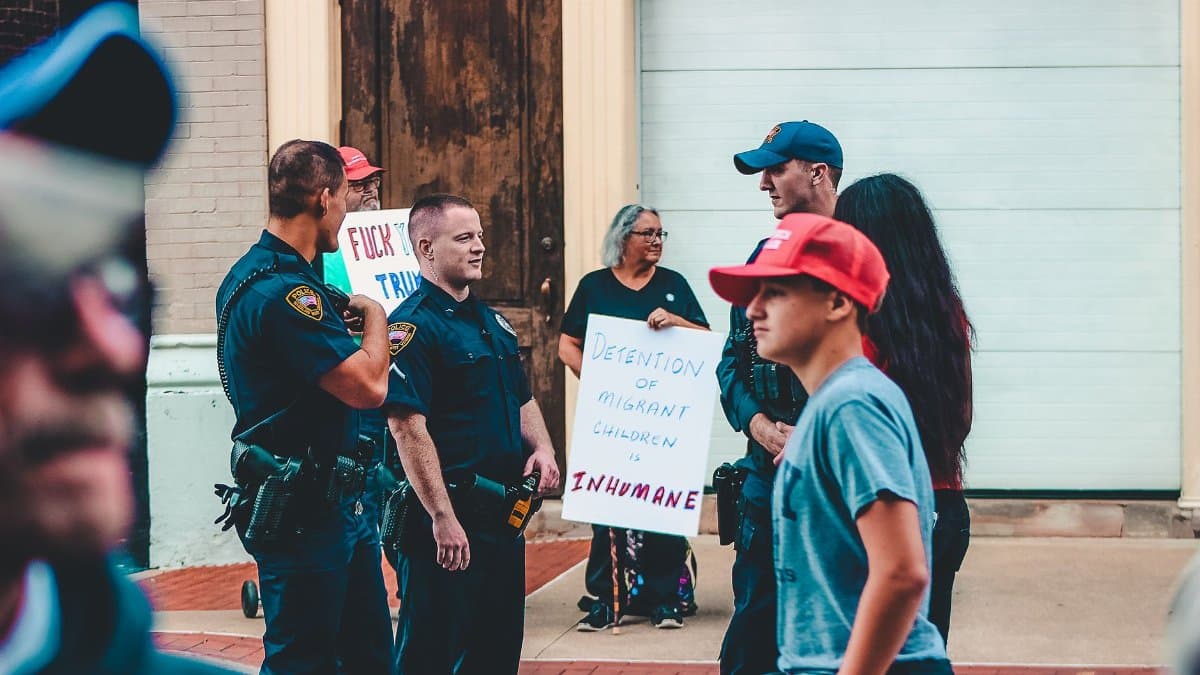
During public comment periods several residents voiced fears that participation could indirectly support federal immigration operations. Council members responded by clarifying that the grant application contains explicit limits on data sharing with outside agencies. This reassurance helped secure enough votes to move forward despite lingering skepticism from advocacy groups.
Potential Uses for the Federal Grant

If approved the money could support expanded camera networks in high traffic corridors, after school programs in under resourced schools and training for officers on deescalation techniques. Planners emphasize that each expenditure would undergo public review to maintain transparency. Dallas Model Cities would serve as the administrative umbrella coordinating these separate projects.
Reactions from Neighborhood Associations

Groups representing south and west Dallas expressed cautious optimism about the prospect of new investment. Some leaders recalled past initiatives that promised much but delivered little follow through. They now seek written commitments that funds will reach the blocks most affected by recent crime spikes rather than remaining at headquarters.
Comparisons with Other Texas Cities

Houston and San Antonio have pursued parallel grants with mixed results according to independent evaluations. Dallas officials have studied those cases closely to avoid repeating administrative missteps. The current application incorporates lessons about performance metrics and quarterly reporting that proved useful elsewhere.
Next Steps in the Application Process

City staff will submit the formal proposal within the next month and expect a response from Washington within ninety days. If successful the first allocations could arrive by early next fiscal year. Regular updates to the council will allow members to adjust plans if federal requirements shift.
Long Term Implications for Urban Policy

Success with Dallas Model Cities could influence how other mid sized American cities approach similar funding opportunities. Observers suggest the Dallas experience may become a reference point for balancing local control with federal priorities. Continued monitoring will reveal whether the approach yields lasting reductions in crime without unintended side effects on community trust.