
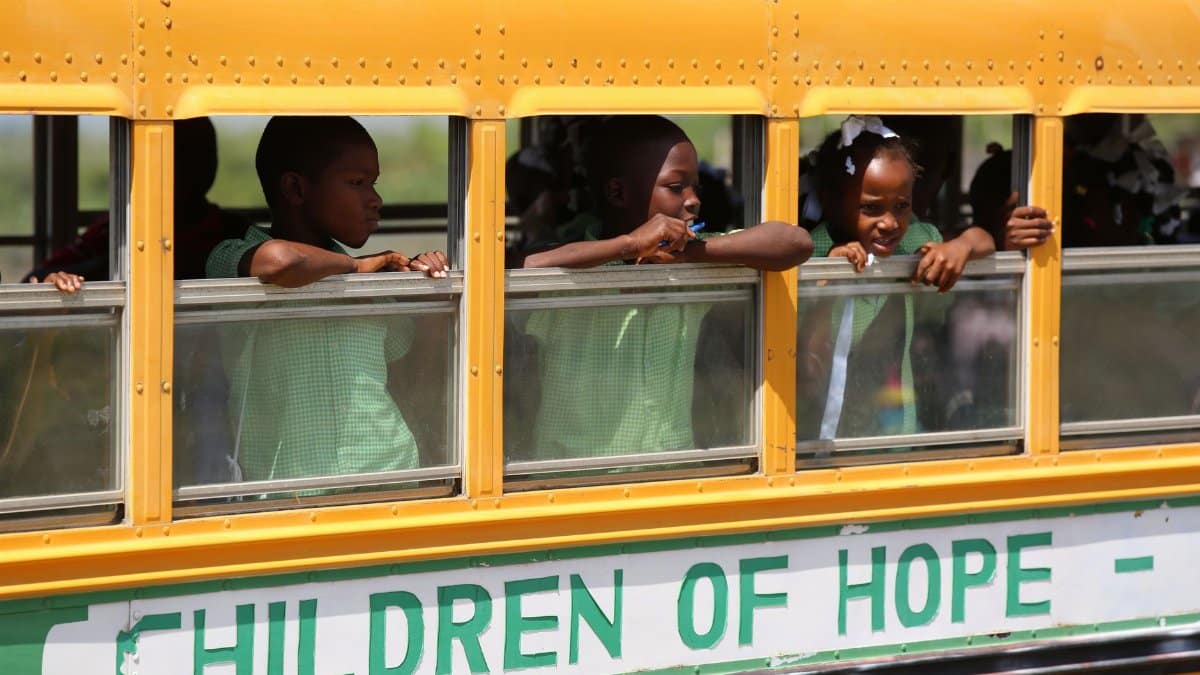
In a neighborhood shaped by decades of shifting educational policies a once empty schoolhouse in Liberty City now hosts daily classes again. The move marks the first instance of Schools of Hope KIPP Legacy Miami taking over space left by a closed public campus and it raises questions about how such transfers reshape local learning environments for families who have few alternatives.
The Shift from Closed Campus to Active Charter
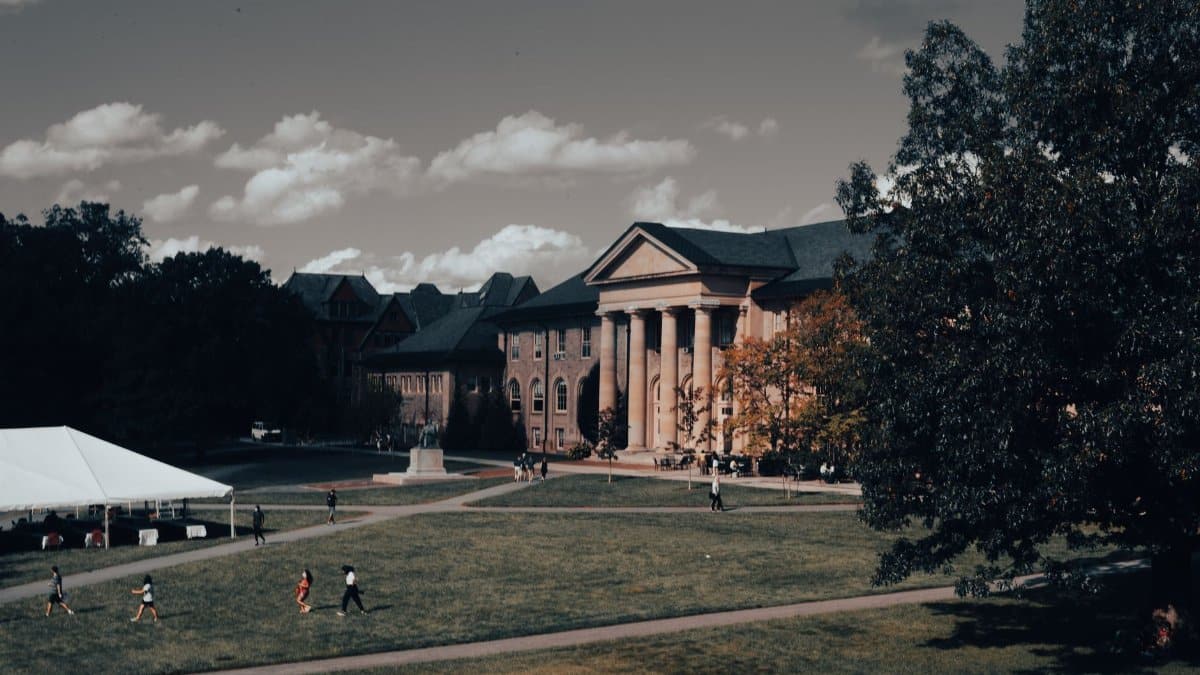
Poinciana Park Elementary stood vacant after enrollment fell and district leaders decided to consolidate resources elsewhere. Operators from the KIPP network saw an opening under the Schools of Hope initiative and secured the site through a state approved process. The building required updates to meet safety codes yet retained much of its original layout including wide hallways and large windows that allow natural light into classrooms.
Liberty City Families Weigh New Options

Parents living nearby describe mixed feelings about the change. Some welcome the promise of structured routines and extended school days while others worry that a charter operator may not remain accountable to the same local board that once oversaw the site. Community meetings held before classes began drew steady attendance as residents asked about transportation routes and meal programs.
Daily Routines Inside the New Setting

Students arrive by bus or on foot and enter classrooms where teachers follow a curriculum that blends core subjects with character lessons. The schedule runs longer than many traditional calendars and includes time for reading practice after lunch. Staff members say the added minutes help children who arrive with gaps in early literacy skills.
Funding Streams Behind the Conversion

State grants tied to the Schools of Hope program covered part of the renovation costs while federal dollars supported technology purchases. The arrangement allows the operator to receive per pupil funding similar to district schools yet with fewer restrictions on staffing decisions. Observers note that such models depend on steady enrollment to remain viable over several years.
Teacher Experiences at the Site
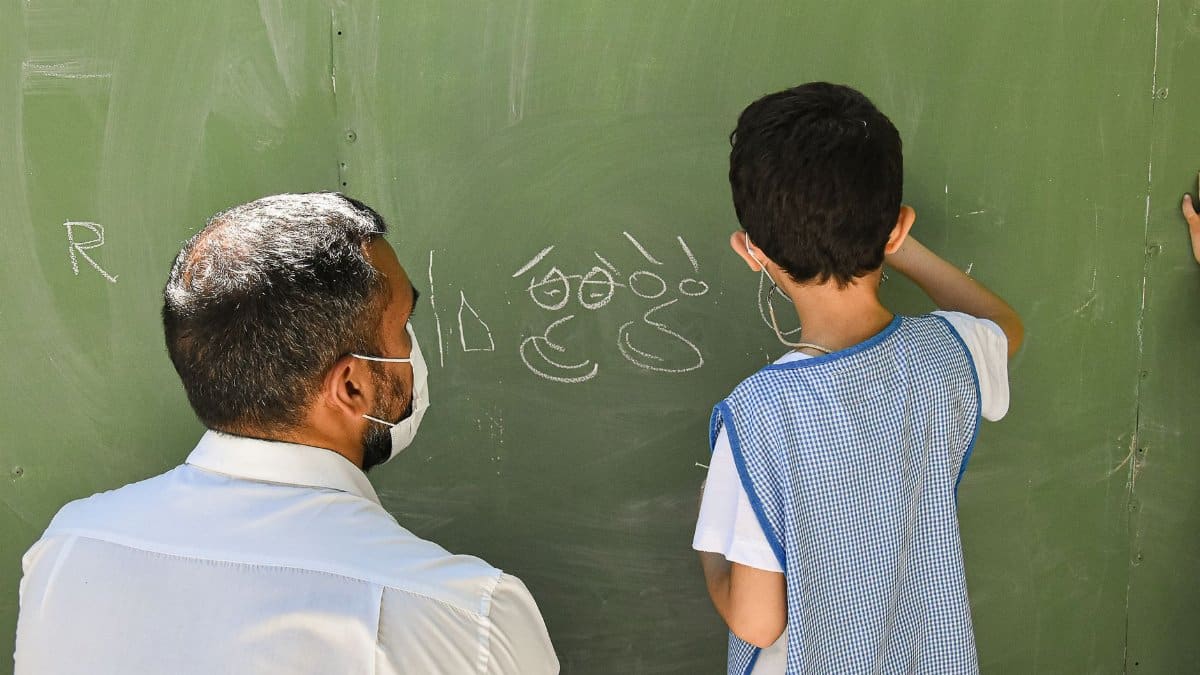
Educators who joined the team report receiving training focused on data driven lesson adjustments and frequent feedback cycles. Several had taught in district schools before and cite smaller class sizes as a factor in their decision to switch. Retention remains an open concern since charter networks often face turnover when demands grow.
Early Signs of Academic Progress

Initial assessments show gains in math fluency for students who attended summer sessions before the regular term started. Reading scores present a more varied picture with some grade levels advancing faster than others. School leaders plan to release detailed reports after the first full year of operation.
Broader Questions on Charter Growth

The case of Schools of Hope KIPP Legacy Miami fits into ongoing debates across Florida about how charter schools expand into former public buildings. Advocates argue the model brings innovation while critics point to risks of uneven oversight. Local elected officials have scheduled hearings to review how similar transfers affect surrounding campuses.
Looking Ahead for the Liberty City Site

Enrollment projections call for gradual growth over the next three years with additional grades added as space allows. Planners also discuss partnerships with nearby organizations to offer after school activities. Success will depend on continued community trust and measurable results that satisfy both families and state monitors.