

In recent months the pace of rising costs has begun to slow according to government reports. Yet many families still feel the squeeze when filling up their vehicles or stocking their pantries. The term inflation gas groceries captures the ongoing challenge as prices for fuel and food items remain elevated despite broader economic shifts. Consumers report that weekly shopping trips cost more than they did a year ago and this affects everything from meal planning to travel budgets. Households across regions describe a sense of frustration that official numbers do not fully reflect daily realities at the checkout counter or the fuel station.
Examining Official Figures on Price Trends
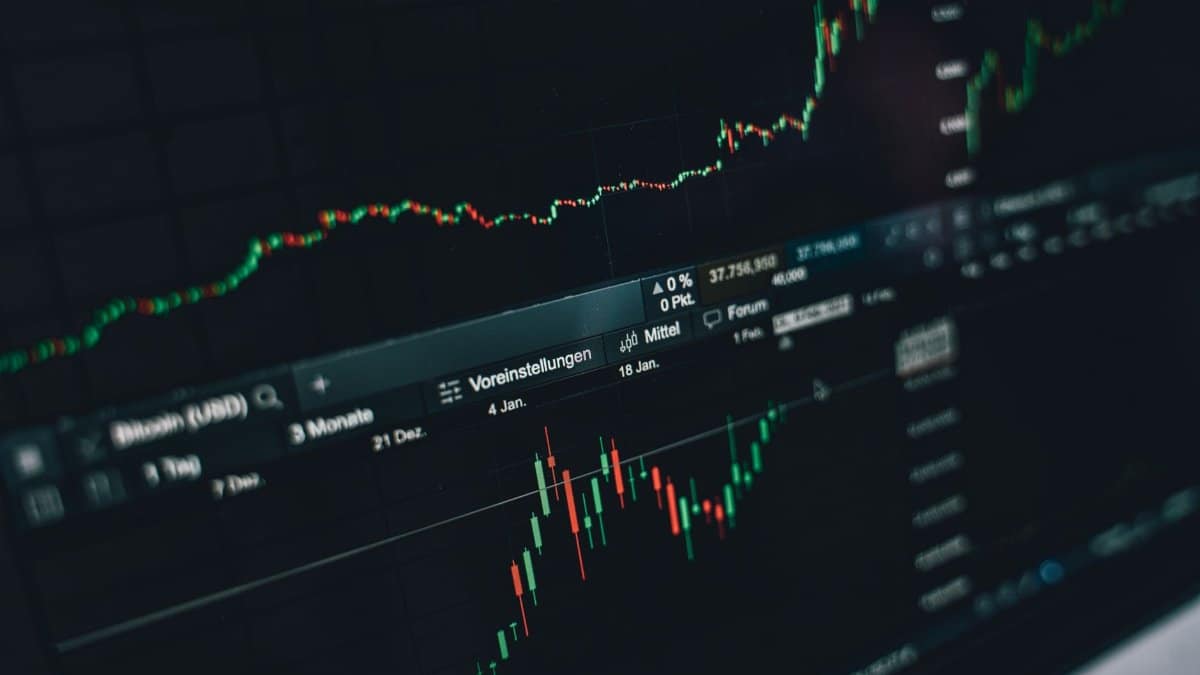
Government statistics indicate moderation in the broader measure of inflation during July. Analysts note that energy costs and food categories showed more resistance to decline than other sectors. This pattern leaves many wondering how long the lag will continue before relief arrives in full. Regional variations also play a role with some states facing steeper bills due to supply chain issues and local demand.
Impact on Household Budget Decisions

Families have adjusted routines in response to sustained costs for essentials. Some opt for fewer meat purchases while others combine errands to save on fuel. These small changes add up over time and influence overall spending habits. Surveys reveal a cautious approach to discretionary items as priorities shift toward necessities.
Voter Views on Economic Conditions

Public opinion polls show persistent concern over affordability even as headline rates ease. Many respondents tie their assessments to personal experiences rather than aggregate data. This disconnect can shape attitudes toward policy proposals and electoral choices in upcoming cycles. Discussions in community forums highlight how these pressures influence daily conversations.
Supply Factors Behind Fuel and Food Costs
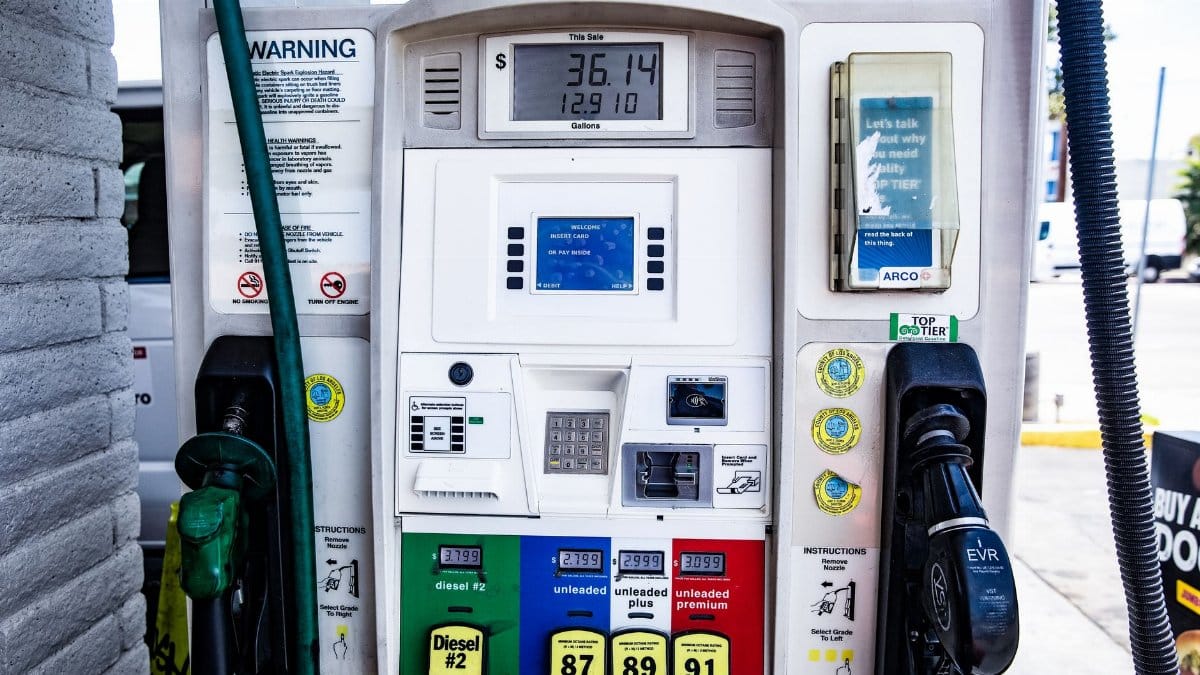
Global events continue to influence availability and pricing for key commodities. Weather patterns affect crop yields while refinery operations dictate gasoline levels. Domestic policies also contribute to the equation through regulations and trade dynamics. Observers emphasize that multiple layers interact to keep certain prices firm.
Regional Differences Across the Country

Urban centers often experience higher baseline expenses compared with rural areas. Transportation distances and distribution networks create uneven effects. Coastal states may see additional influences from import activities. These variations mean that national averages mask localized stories of strain and adaptation.
Business Responses to Ongoing Pressures

Retailers and producers have sought efficiencies to manage their own input costs. Some pass along portions of increases while others absorb them to retain customers. Innovation in sourcing and inventory management offers partial solutions. The result shapes what appears on shelves and at pumps in the near term.
Looking Ahead to Future Price Paths

Forecasts suggest gradual improvement but with caveats around external shocks. Monitoring key indicators will help gauge progress. Policymakers face choices about interventions that could accelerate or delay adjustments. Public patience remains a factor as people await tangible changes in their routines.