
The landscape of Minnesota GOP primary fundraising reveals much about the strategic calculations of contenders in the upcoming electoral cycle for United States Senate and governor. Candidates such as Tafoya and Demuth have placed heavy emphasis on building substantial war chests early, viewing financial resources as a decisive factor in a crowded field. This approach reflects broader trends in American politics where early money often shapes visibility and organizational strength well before voters cast ballots in August 2026.
Early Cash as a Signal of Viability
Financial reports filed with state authorities show that leading figures in the Republican contests have raised millions in the first half of the year. These figures serve as an initial indicator of who can sustain a prolonged campaign across a large state with diverse media markets. Observers note that such totals allow campaigns to hire staff, secure advertising time, and organize volunteers before the summer primary season intensifies.
Demuth Strategy Centers on Donor Networks

One candidate has drawn support from established business interests and longtime party donors across the Twin Cities and greater Minnesota. This network provides a steady flow of contributions that can be deployed for digital outreach and direct mail efforts aimed at suburban voters. The focus remains on consistent messaging about fiscal responsibility and state economic growth.
Tafoya Approach Relies on Grassroots Appeals
Another contender has cultivated smaller donations from rural communities and independent voters who feel disconnected from traditional party structures. This method builds loyalty through town hall events and local radio appearances that emphasize personal stories and regional concerns. Over time the accumulated amounts demonstrate resilience even without large single checks from major donors.
Impact on Advertising and Visibility

With resources in hand campaigns can dominate airwaves and online platforms during the critical months leading to the primary. Television spots and social media promotions reach households across the state, framing the race around specific policy priorities such as taxes and education. Limited funds at this stage often force candidates to rely on earned media alone which proves less predictable.
Challenges for Lesser Known Contenders

Those entering the race with modest reserves face immediate pressure to catch up or risk fading from public view. Without adequate Minnesota GOP primary fundraising they struggle to counter the narratives set by better funded opponents. Party activists sometimes shift attention toward those demonstrating stronger financial momentum.
Role of Outside Groups and PACs

Independent expenditure committees have begun weighing in with their own resources aligned to particular candidates. These entities operate under separate rules and can amplify messages on issues ranging from energy policy to public safety. Their involvement adds another layer to the overall spending picture in the primary contests.
Historical Patterns in Minnesota Races
Previous Republican primaries in the state have shown that early fundraising advantages do not always guarantee victory yet they frequently narrow the field. Candidates who lag behind often withdraw or scale back operations as the contest progresses. This pattern encourages aggressive resource gathering from the outset.
Voter Perceptions of Money in Politics

Middle aged voters in Minnesota express mixed views on the influence of campaign contributions. Some see robust fundraising as evidence of broad support while others worry it distances candidates from everyday concerns. Discussions at community gatherings highlight a desire for candidates who balance financial strength with authentic connection.
Future Implications for General Election
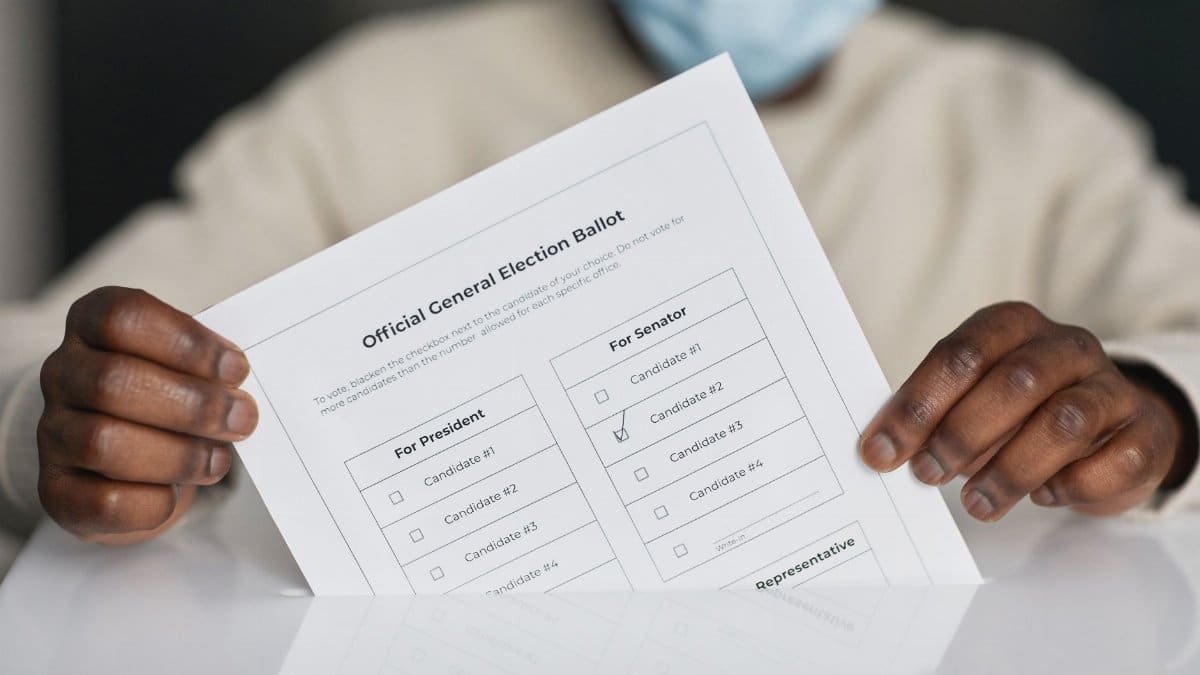
The winner of the August primary will carry forward both the financial base and the donor relationships developed during the contest. This head start can prove valuable against Democratic opponents who typically enjoy strong union and progressive backing. Preparation now shapes the general election landscape months in advance.