
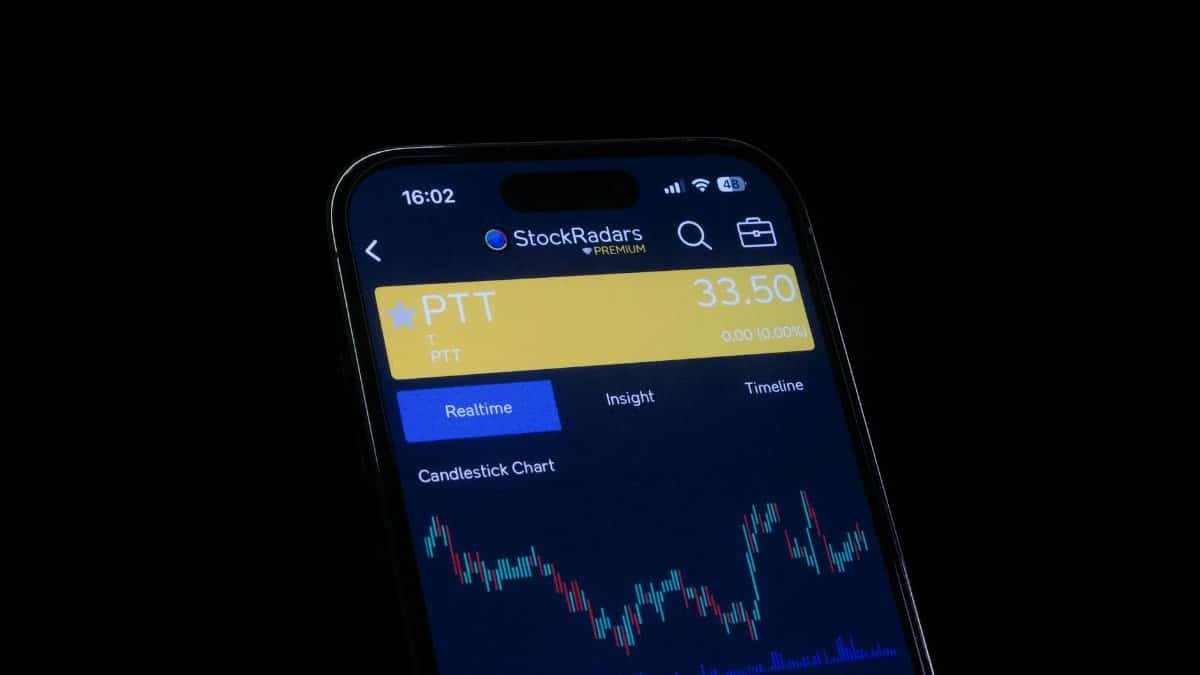
In the halls of New York government buildings officials have quietly drawn a line against technology that once seemed innocuous. Public employees will no longer be permitted to use certain digital platforms designed for what experts term insider trading prediction. This prohibition seeks to preserve the boundary between official responsibilities and personal financial pursuits. At its core the policy reflects longstanding worries that access to nonpublic information could tempt even dedicated workers to seek unfair advantages in the markets. Rather than wait for a scandal state leaders have acted preemptively to protect public confidence. The decision arrives during an era when mobile applications promise insights into stock movements yet carry unseen risks for those in positions of authority. Many middle aged citizens watching from afar may wonder if such rules truly matter in an age of rapid financial innovation. Yet the measure speaks to deeper questions about honesty and accountability in civic life.
The Context Behind This Decision

New York State crafted the policy after internal reviews revealed how easily prediction tools could overlap with government knowledge. Employees responsible for infrastructure contracts or regulatory planning possess information that markets crave. When those same workers consult applications that forecast trading patterns based on anticipated policy shifts the potential for abuse becomes difficult to ignore. The administration chose a blanket ban rather than case by case reviews to eliminate gray areas entirely. Supporters point out that similar restrictions already govern federal workers and certain Wall Street professionals. This alignment suggests the state is catching up with best practices developed over decades of financial regulation. Critics however worry the rule casts suspicion on thousands of honest employees who simply want to manage retirement accounts responsibly.
Defining the Tools in Question

Applications focused on insider trading prediction typically aggregate data from news sentiment analysis and unusual trading volumes to anticipate major market moves. Some claim to detect signals before they become public. For an average investor these programs offer convenience and education. For a government official the same features raise immediate red flags. The distinction lies not in the software itself but in the knowledge the user brings to it. A transportation planner reviewing an application that suddenly highlights defense contractors might unconsciously connect dots unavailable to ordinary citizens. State ethics boards determined that separating legitimate personal research from official insights had grown too difficult. The resulting policy removes the applications from approved devices issued to state workers.
Spiritual Dimensions of Ethical Conduct

Across many faith traditions the concept of integrity forms a central pillar of moral teaching. Whether one draws from Christian calls for stewardship or broader philosophical emphasis on justice the idea remains consistent. Public service demands a higher standard precisely because it involves stewardship of collective resources. Religious leaders consulted during early discussions of the policy emphasized that true ethical behavior requires removing even the appearance of temptation. One interfaith panel noted that ancient wisdom literature frequently warns against mixing personal gain with positions of trust. In an increasingly secular policy environment these spiritual perspectives still offer a useful framework for evaluating modern dilemmas. The New York measure can be viewed as an attempt to translate timeless principles of honesty into concrete administrative rules.
Many middle aged readers raised with certain moral frameworks may recognize this instinct to close loopholes before harm occurs. It echoes the old teaching that one should avoid not only wrongdoing but the pathway that leads toward it. By limiting access to insider trading prediction applications the state invites its workforce to model the transparency it demands from others.
Impact on State Employees Daily Lives

For thousands of New York public servants the change will require adjustments. Many had grown accustomed to checking financial applications during lunch breaks or while commuting. The policy extends to both state owned devices and personal phones when used in conjunction with government email or networks. Compliance officers will receive new training to answer questions and provide guidance. Some workers express frustration arguing the rule assumes guilt before any infraction occurs. Others welcome the clarity feeling relieved of the burden to constantly self monitor their investment habits. Union representatives have requested clearer definitions of prohibited applications to prevent overly broad enforcement that could inadvertently punish innocent research into mutual funds or index funds.
Lessons From Previous Financial Scandals
History offers cautionary tales about what happens when public officials blur lines between duty and personal enrichment. High profile cases from other states demonstrated how quickly public trust erodes once allegations surface. New York itself has experienced moments when ethics lapses dominated headlines and distracted from substantive policy work. By acting before any specific incident the current administration hopes to avoid repeating those painful chapters. Ethics scholars suggest that prevention proves far more effective than punishment after the fact. The focus on insider trading prediction tools represents one piece of a larger effort to update government standards for the digital age. Previous generations worried about stock tips shared over dinner. Today the equivalent conversations happen through applications that leave digital trails yet remain difficult to fully interpret.
Expert Perspectives on the Policy

Legal scholars at several universities have offered measured support for the approach while suggesting additional safeguards. A recent analysis from Columbia Universitys governance center argued that comprehensive training combined with the ban would produce better outcomes than restrictions alone. The report available at https://www.law.columbia.edu/faculty/research/governance-ethics can be accessed by interested readers. Meanwhile former regulators emphasize that technology evolves faster than rules can adapt. They recommend periodic reviews of the policy to ensure it remains relevant as new applications emerge. Financial ethics consultants note that similar prohibitions in the private sector have not hindered performance and may have enhanced institutional reputations. The consensus appears to be that while the policy feels restrictive its underlying logic aligns with evolving standards of conduct.
Challenges in Enforcement and Oversight

Implementing any workplace restriction brings practical difficulties. Monitoring personal devices raises privacy concerns that civil liberties groups have already flagged. The state plans to rely primarily on self reporting and random audits rather than constant surveillance. Technology teams must develop ways to block applications without disrupting legitimate research tools used for economic analysis. Training programs will need regular updates as developers release new versions of popular platforms. Budget constraints may limit how thoroughly the policy can be explained to every employee across dozens of agencies. Success will ultimately depend on fostering a culture where workers understand the reasons behind the restriction rather than viewing it as arbitrary bureaucratic overreach.
Broader Trends in Public Ethics
This New York initiative fits within a nationwide pattern of tightening standards for government employees. From campaign finance reform to gift policies institutions seem to be moving toward greater separation between public roles and private interests. Citizens increasingly demand transparency not only in official actions but in the appearance of those actions. Social media has amplified every rumor making proactive measures more necessary than ever before. At the same time rapid advances in artificial intelligence and data analytics create fresh ethical terrain that regulators must navigate. The focus on insider trading prediction applications may represent an early example of how governments will address emerging technologies that promise knowledge advantages.
Restoring Faith in Public Institutions

Ultimately the policy aims to strengthen the social contract between New Yorkers and those who administer their government. When citizens believe officials maintain strict ethical boundaries they prove more willing to support necessary but sometimes difficult policy choices. Small actions like restricting certain applications can send powerful signals about institutional values. For many observers the ban feels like a return to first principles rather than an attack on personal freedom. It suggests that some spheres of life still require old fashioned virtues like restraint and self awareness. As communities grapple with declining trust in many institutions these deliberate steps toward integrity take on added significance.
Looking Forward With Cautious Optimism

The coming months will reveal how smoothly the prohibition integrates into daily government operations. Early feedback sessions have already produced useful refinements to the original guidelines. State officials promise to monitor the effects on employee morale and investment behavior without compromising the core ethical goals. If successful the policy could serve as a model for other states wrestling with similar questions about technology and public service. More importantly it may help rebuild the quiet confidence that government work attracts people committed to something larger than personal financial gain. In an era dominated by cynicism such signals matter greatly. The conversation about balancing innovation with integrity will certainly continue yet New York has taken a clear position on where its priorities lie. Citizens of all backgrounds will watch to see whether the rules deliver on their promise of greater trustworthiness in public life.