
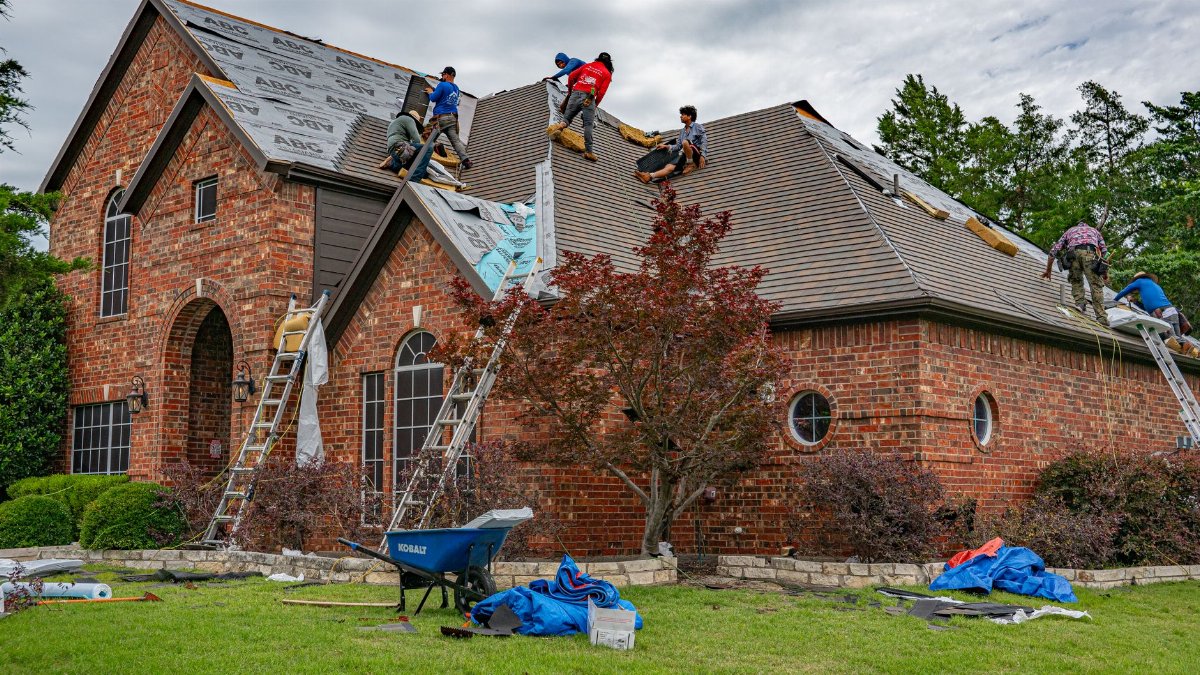
In the heart of Dallas local leaders have announced significant investments aimed at revitalizing aging infrastructure and housing stock in several key areas. This move comes as residents have long pushed for attention to deteriorating conditions that affect daily life and property values. Among the initiatives is a focus on Oak Cliff repairs that promise to address both structural needs and broader community enhancements like sidewalks and public spaces. The commitment reflects a response to years of advocacy from neighborhood groups seeking equitable distribution of city resources across southern sectors.
City Budget Commitments

The city council approved more than six million dollars for these projects spanning multiple southern neighborhoods. Officials emphasize that the funds will target homes in need of essential fixes such as roof replacements and plumbing updates to bring properties up to modern standards.
Resident Advocacy Efforts
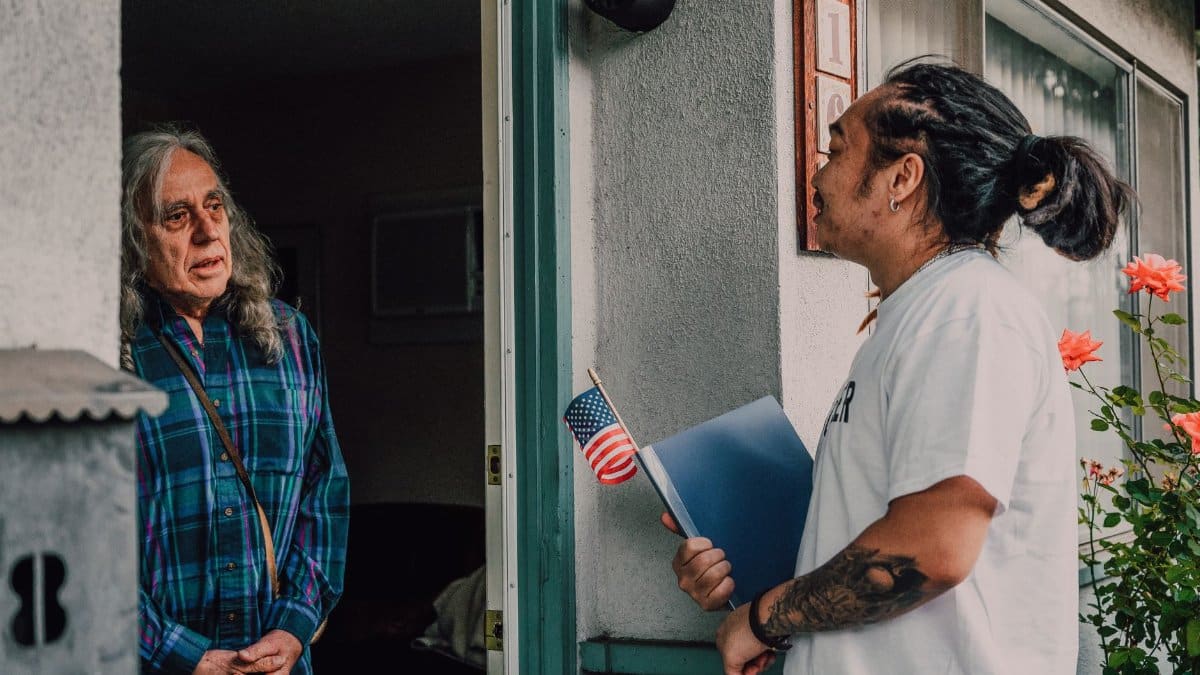
Community members organized petitions and meetings over several years to highlight urgent problems with crumbling foundations and uneven walkways. Their persistence helped shape the current plan which prioritizes areas long overlooked in previous funding rounds.
Infrastructure Upgrade Plans

Sidewalk improvements form a core part of the effort with new paths designed to improve safety for pedestrians and accessibility for those with mobility challenges. These changes aim to connect residential zones more effectively to local transit options.
Housing Quality Assessments
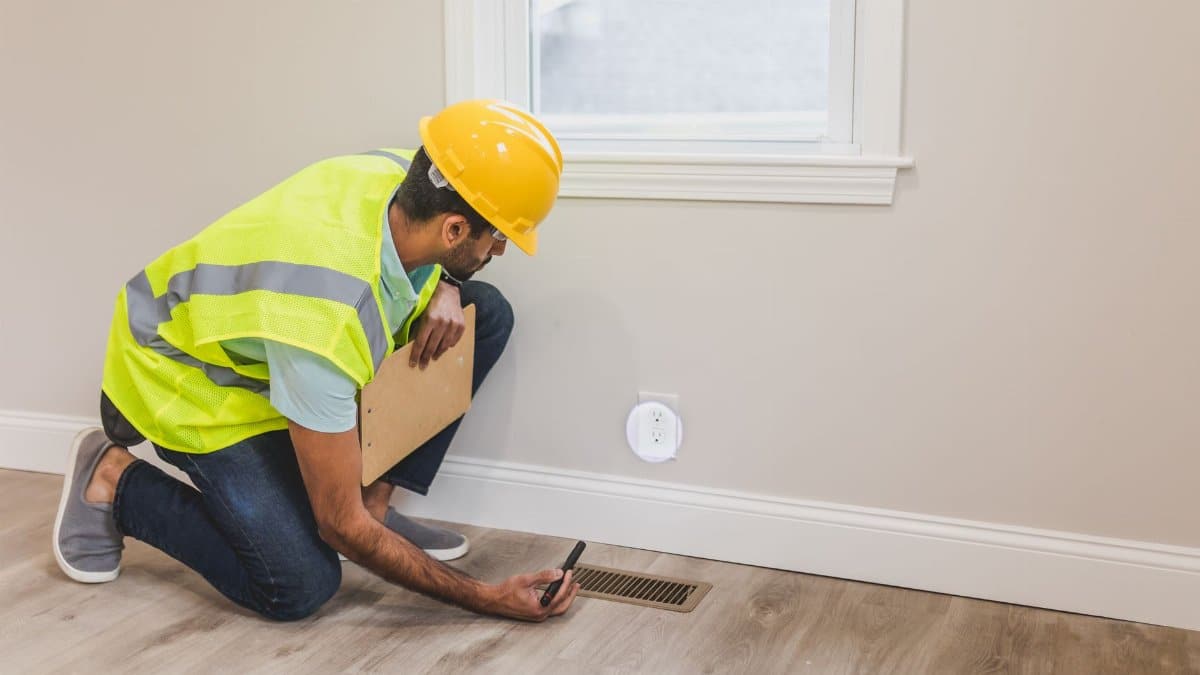
Teams of inspectors have begun evaluating properties to identify priorities for the repair program. Early reports suggest that many structures require immediate attention to prevent further decline and to support long term stability for families.
Economic Ripple Effects

Local businesses may benefit from increased foot traffic once improvements are complete. Enhanced streetscapes often encourage more shopping and dining in nearby commercial strips fostering a stronger sense of place.
Equity in Resource Distribution

Advocates note that southern Dallas areas have historically received less investment compared to northern zones. This new allocation seeks to correct imbalances and promote fair access to public services for all residents.
Implementation Timeline
Work is expected to begin within the next fiscal year with phased rollouts to minimize disruption. Project managers will coordinate with contractors to ensure timely completion while maintaining quality standards.
Future Maintenance Strategies

City planners are also considering ongoing upkeep measures to protect the investments. Regular inspections and community reporting systems could help sustain the gains achieved through the current round of funding.