
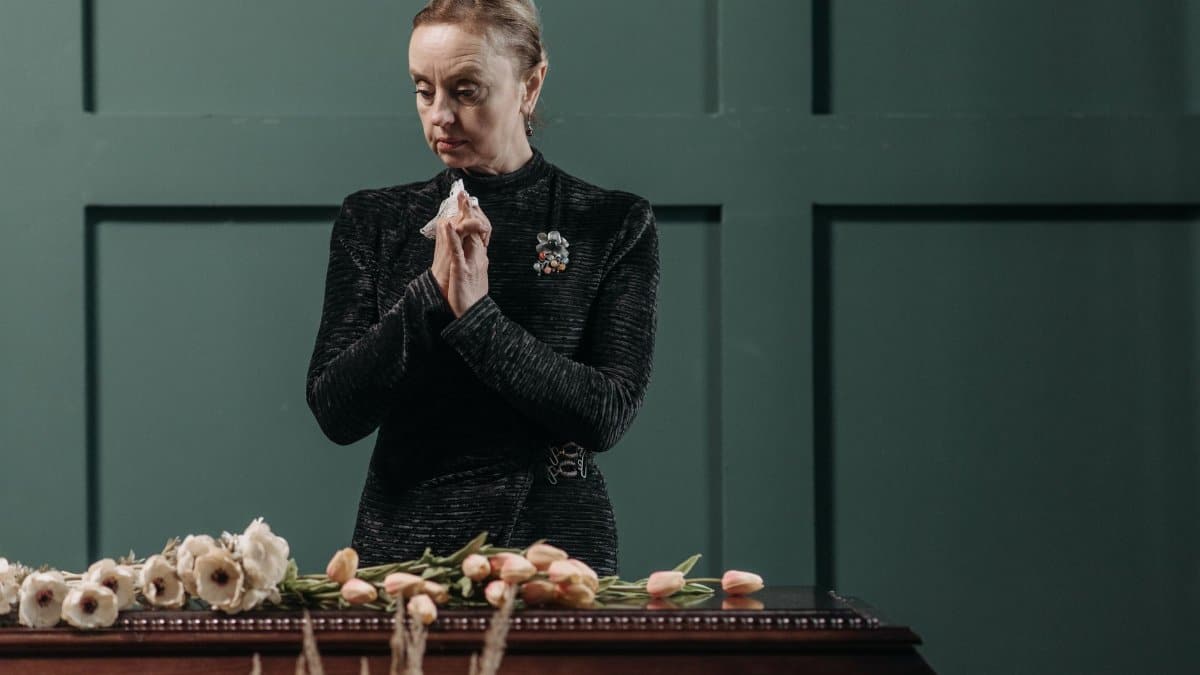
Victoria Pendleton has long been known for her strength on the track, yet the true test of her resilience came not from competition but from profound personal loss. After the deaths of her twin brother and father within a short span, she found herself navigating uncharted emotional territory. Facing Grief became an unavoidable part of her journey, one that reshaped her understanding of courage and human fragility in ways no Olympic medal could prepare her for. Her story offers insight into how even the most accomplished individuals must reckon with mortality and sorrow.
The Weight of Twin Bonds

Twins often share an unspoken language forged in shared origins. For Pendleton this connection ran especially deep with her brother, whose presence had anchored much of her identity. When that bond severed the resulting emptiness echoed through daily routines and quiet moments alike. Such losses highlight how intertwined lives can amplify the impact of absence, turning familiar spaces into reminders of what once was.
Layered Family Sorrows
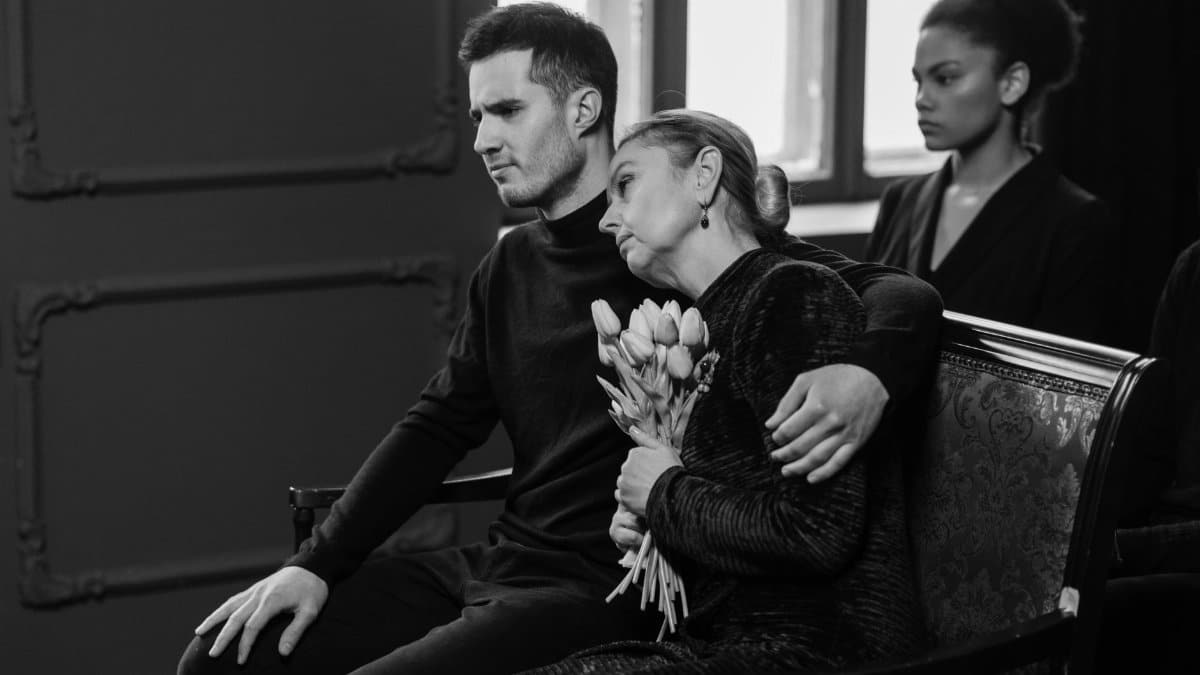
The passing of her father soon after compounded an already heavy burden. Multiple bereavements within one household test even robust support networks. Pendleton described this period as one where professional accolades offered little shelter from raw emotion. Families facing successive deaths frequently discover that grief does not follow a neat sequence but arrives in overlapping waves that demand new coping strategies each time.
Redefining Personal Courage

Many equate bravery with visible feats of endurance. Pendleton came to view courage instead as the willingness to sit with pain without immediate resolution. This shift allowed her to honor both her loved ones and her own evolving self. In public reflections she emphasized that true fortitude involves acknowledging limits rather than denying them through constant motion or achievement.
Public Life Meets Private Pain

Athletes in the spotlight often feel pressure to project invincibility. Pendleton chose openness about her experiences which invited others to consider their own unaddressed sorrows. Such transparency can reduce isolation for those who assume public figures remain untouched by ordinary struggles. Her approach demonstrated that sharing vulnerability need not diminish past accomplishments but can instead broaden their meaning.
Physical Routines as Emotional Anchors

Exercise had always served Pendleton as both training tool and mental stabilizer. After loss she adapted these habits to create structure amid chaos. Movement provided temporary respite from intrusive thoughts while reminding her body of its ongoing capacity. Many who grieve find similar value in maintaining or modifying physical practices that reconnect them to the present moment.
Conversations That Resist Simplification

Well meaning friends sometimes offer platitudes that miss the complexity of bereavement. Pendleton learned to seek listeners comfortable with silence and uncertainty. These exchanges proved more sustaining than attempts at quick fixes. Research on social support after loss consistently shows that empathetic presence outweighs advice giving in long term recovery.
Reexamining Life Priorities

Success measured by medals or records can lose relevance when measured against time with family. Pendleton began to weigh professional demands against the need for deeper personal connections. This recalibration often follows significant loss as survivors reassess what truly merits their energy. The process can lead to career adjustments or renewed focus on relationships previously taken for granted.
Legacy Beyond Achievement

Remembering the departed involves more than recalling highlights. Pendleton reflected on everyday qualities her brother and father embodied that no trophy could capture. Preserving these intangible traits in daily conduct became one way to keep their influence alive. Such practices help transform grief from a static weight into an ongoing dialogue with the past.
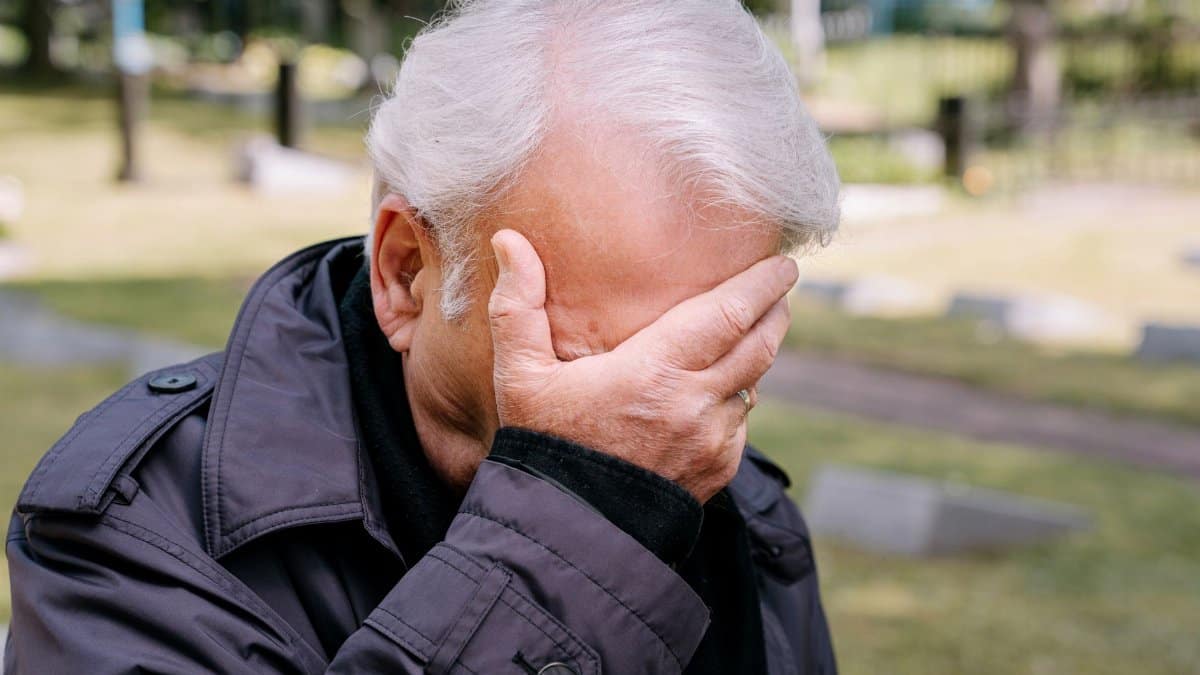
Guidance for Others Facing Grief
Those encountering similar losses may benefit from recognizing that progress rarely follows linear paths. Pendleton encourages patience with fluctuating emotions and professional support when self management falls short. Community resources and therapeutic conversations remain valuable tools rather than signs of weakness. Her experience underscores that facing grief openly can foster unexpected growth even amid enduring sadness.