
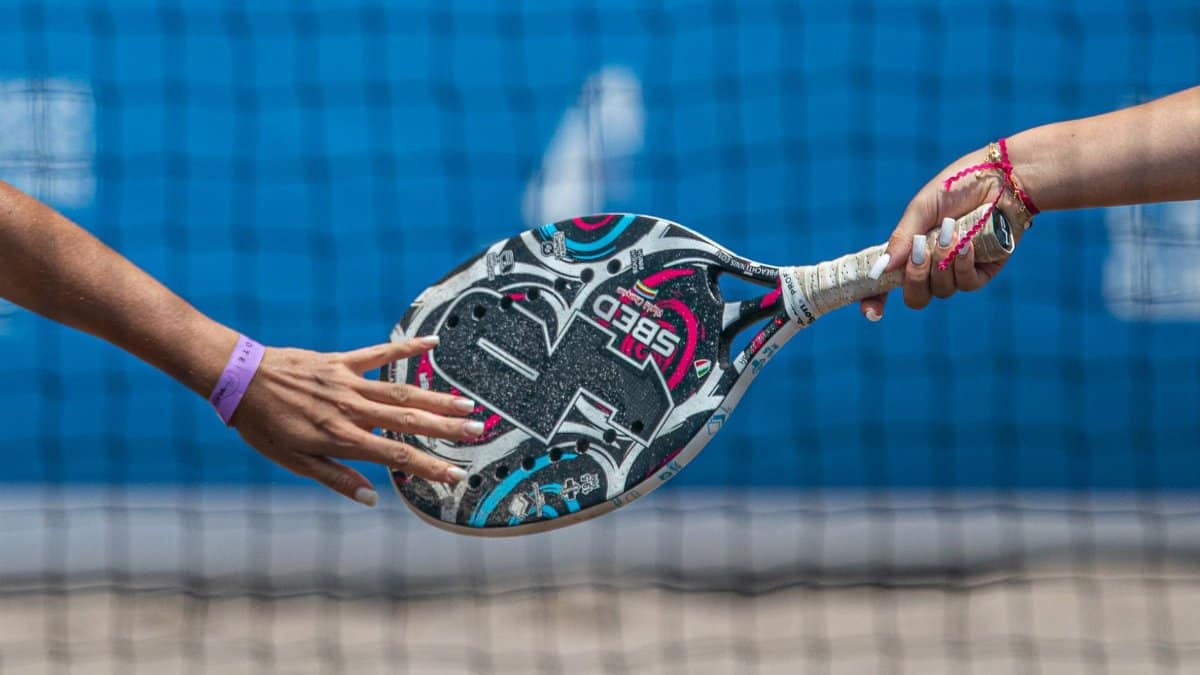
Padel has gained attention across the United States as a lively alternative to traditional court sports, blending elements of established games into a format that emphasizes quick exchanges and enclosed play. In recent years enthusiasts have watched its expansion from coastal hubs into the Pacific Northwest, where interest continues to build among adults seeking fresh ways to stay active. The arrival of padel Seattle marks a notable step in this growth, bringing dedicated courts and organized play to local communities for the first time.
The Background of a Hybrid Court Game
Padel emerged decades ago in regions with strong tennis traditions yet evolved its own identity through enclosed courts and softer balls. Its design encourages longer rallies without requiring the same power or reach demanded by larger surfaces. Players use solid paddles rather than strung racquets, which lowers the barrier for those returning to physical activity after time away. This combination has helped the sport travel beyond its origins and find audiences in cities with varied climates and schedules.
Distinct Rules That Shape Daily Play
Matches unfold on a compact court surrounded by walls that remain in bounds, allowing shots to rebound in ways absent from open air tennis. Scoring follows tennis conventions while the serve stays underhand and the ball must bounce once before the return. Doubles format dominates, fostering teamwork and conversation during points. These elements create a rhythm that suits evening sessions or weekend gatherings without exhausting participants over long durations.
Facilities Taking Shape Near Seattle

Several venues have begun construction or opened reservations in the broader region, each designed with multiple courts under cover to accommodate year round use. Operators report steady inquiries from clubs looking to add the game alongside existing fitness offerings. Early sessions show groups forming around skill levels, from complete beginners to those with prior racquet experience. Local demand appears driven by word of mouth rather than large marketing campaigns.
Appeal for Adults Balancing Work and Leisure
Many middle aged participants note that the enclosed space reduces the intimidation of chasing balls across wide areas. Sessions typically last under an hour yet deliver cardiovascular effort and coordination practice. The social structure of doubles play introduces regular partners and light competition without intense pressure. Observers at early events describe conversations flowing as readily as the action on court.
Equipment Choices and Initial Steps

Newcomers often start with basic paddle sets available through the new centers, avoiding heavy investment until comfort grows. Proper footwear focuses on lateral support rather than specialized soles. Lessons emphasize positioning and wall awareness over raw power. Instructors report that most adults grasp core movements within a few visits, though refining angles against the glass takes repeated practice.
Community Ties Forming Around Shared Courts
Leagues and round robin events have appeared alongside open play times, creating recurring gatherings that extend beyond single matches. Participants mention meeting neighbors or colleagues they might not encounter otherwise. Organizers track participation numbers to adjust schedules, aiming to keep courts active during peak commuting hours. These patterns suggest the sport may settle into the local calendar much like established recreational leagues.
Health Aspects Worth Considering

Regular movement on the court supports joint mobility and reaction time, areas often prioritized by adults managing desk based routines. The lower impact compared with some running or court sports draws those recovering from minor strains. Trainers highlight improved balance from the varied shot directions required. Data from similar programs elsewhere indicates consistent attendance when groups form around shared availability.
Looking Ahead for Regional Growth
Expansion plans include additional sites and potential ties with schools or corporate wellness programs. Interest from neighboring cities points toward a network that could support regional tournaments within a few seasons. Observers note that sustained success will depend on maintaining accessible pricing and flexible court hours. The current momentum around padel Seattle offers one measure of how the activity might integrate into broader outdoor and indoor recreation options over time.