
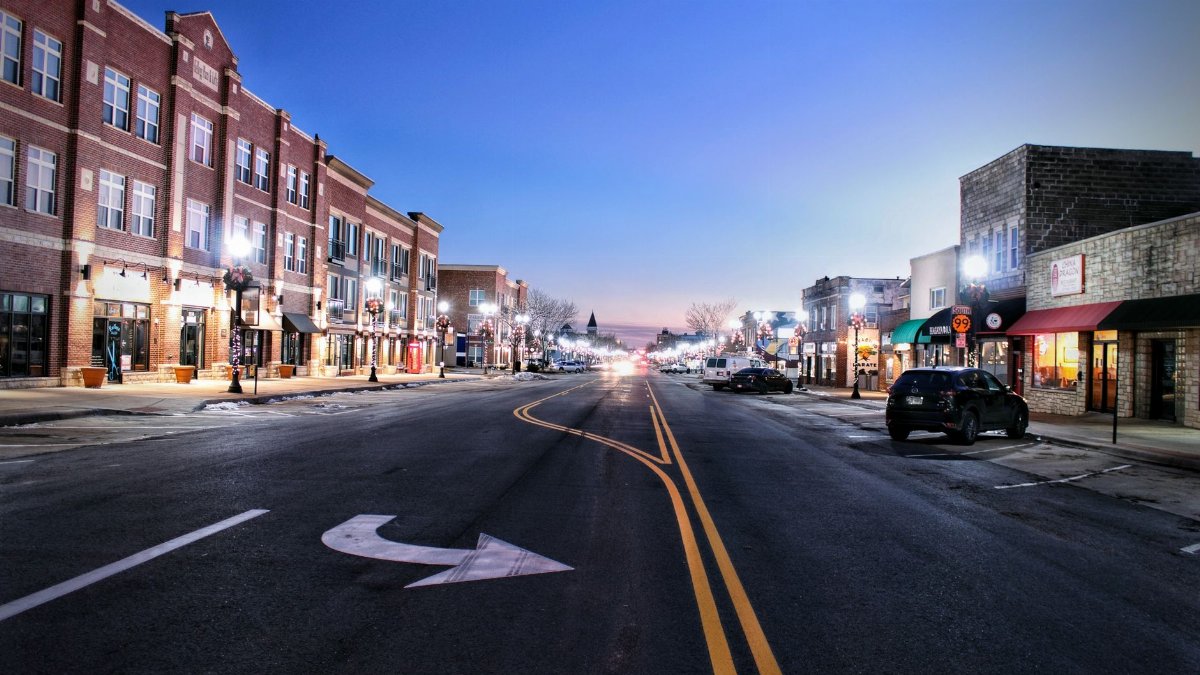
The afternoon light on a fall Saturday makes the brick storefronts look almost theatrical. People drift between cafes and bookshops, pause at crosswalks, and joke, only a little, about where to eat. It is the ordinary civic theater that small cities depend on. Yet the calm is thinner than it looks. A proposed reconstruction of Northampton Main Street, priced at $43 million and built around new bike lanes, has turned a road project into a fight over commerce, politics, and what kind of place this city intends to remain.
A street that carries more than traffic
Main Street in Northampton has long done several jobs at once. It is a shopping corridor, a college town gathering place, a route for commuters, and a stage for protests, festivals, and ordinary errands. Residents speak of it with the possessive pride that small cities reserve for a few blocks. When officials describe a reconstruction, they are not talking only about asphalt. They are talking about how people arrive, how long they stay, and whether the street still feels like the center of town.
That is why a design argument has taken on the language of identity. Supporters hear a chance to make a beloved street safer and more welcoming to people who walk or ride. Critics hear a plan written for an idea of the city rather than for the customers who keep the lights on. Both sides claim to be defending the same place.
What $43 million is supposed to buy

The figure itself has become a character in the debate. Forty three million dollars is a large sum in a city of this size, even when state and federal money is expected to carry much of the load. Residents want to know what, exactly, the money purchases: smoother pavement, rebuilt sidewalks, safer crossings, drainage, utility work, or a philosophical statement about how people should move.
City leaders have framed the work as overdue maintenance wrapped inside a safer design. Streets wear out. Underground pipes fail. Crosswalks that felt adequate a generation ago now sit beside heavier traffic and more distracted drivers. In that telling, the project is less a luxury than a reckoning with age. Opponents answer that maintenance does not require a particular set of bike lanes, and that bundling the two makes honest dissent sound like opposition to safety itself.
Bike lanes as symbol and as street design

Few objects in American local politics now carry as much meaning as a painted or protected bike lane. On Northampton Main Street, the lanes are the detail that organizes every other argument. Advocates describe them as a practical response to crashes, to climate goals, and to a younger population that expects cities to make room for more than cars. They point to riders who already use the corridor and to the simple claim that a person on a bicycle deserves a predictable place to be.
Skeptics do not all oppose cycling. Many say they ride themselves, or that their children do. Their objection is spatial. A lane given to bikes is a lane, or a parking space, taken from something else. In a corridor where the curb is already spoken for, design is a series of subtractions. The question is which subtraction the city is willing to defend when the ribbon cutting is over and the Tuesday lunch rush begins.
Merchants count customers, not theories
Business owners have supplied the debate with its most concrete anxiety. A shop on a small city main street lives on a narrow margin of convenience. If regulars decide that parking is harder, or that construction will last longer than promised, some of them will not circle the block. They will go to a plaza with a lot, or order online, or skip the trip. That fear is not abstract to a person who signs a lease and a payroll.
The merchant case is easy to caricature as nostalgia for easy parking. It is sharper than that. Downtown retail in Northampton competes with malls, with big box stores, and with the phone in a customer’s hand. Owners argue that the street’s charm is not a substitute for access. They want a design that keeps the walk pleasant without teaching drivers that downtown is a place to avoid. Some support safer crossings and better sidewalks. They part company when the plan seems to treat the car borne customer as a problem to be designed away.
Who feels invited, and who feels managed

Under the parking maps sits a cultural argument that neither side fully owns. Northampton has a reputation, earned and marketed, as a progressive city. That reputation draws students, artists, visitors, and new residents. It also produces a suspicion, among some longtime locals, that public projects are written to impress a constituency that already agrees with city hall.
Supporters of the redesign reject that framing. They say safer streets are not a lifestyle brand. A child crossing to a library, an older person with a walker, a worker on a bicycle in January: these are not symbols. They are users of a public road. To treat their safety as a fashion is, in this view, the real condescension. Critics reply that moral language has a way of closing debate. Once a curb cut becomes a test of values, a shopkeeper’s traffic count starts to sound small, even when the shopkeeper is the one employing people on the block.
Progressive priorities meet a practical city
The fight has deepened existing political lines without mapping them perfectly. Some of the loudest defenders of bike lanes are also defenders of dense, walkable downtowns and of public spending aimed at climate goals. Some of the loudest critics are not conservatives in any national sense. They are small business people, landlords, and residents who vote for Democrats and still think this particular project mistakes a preference for a necessity.
That mismatch is what gives the argument its edge. In a city where national politics offers fewer local villains, a street plan becomes the place where people test one another. Are you for safety or for shops? For the future or for the people already here? The questions are unfair, which is why they stick. A redesign can serve more than one aim. The politics of the moment prefers a cleaner choice.
Construction is its own constituency
Even residents who like the drawings worry about the years between approval and completion. Reconstruction of a main commercial street means cones, noise, shifted bus stops, and storefronts half hidden behind fencing. Cities promise phased work and extra signs. Merchants have heard those promises before, in this city and in others. A good final design does not pay rent during a bad summer.
There is also the plain fatigue of process. Hearings multiply. Renderings change. People who attended the first meeting feel unbound by the fifth. Trust thins not because anyone is caught in a scandal, but because the project keeps asking for patience while the stakes, for a given shop or a given block, feel immediate. A $43 million plan lives on a calendar that households and storefronts do not share.
Safety claims and the limits of certainty

Both camps reach for evidence, and both should be careful. Design guides from transportation agencies generally hold that narrower lanes, clearer crossings, and separated space for bikes reduce certain crashes. Local experience does not always match a national chart. A street with delivery trucks, diagonal parkers, festival closures, and a heavy pedestrian pulse will not behave like a suburban arterial. Northampton’s advocates are strongest when they describe specific conflicts they have seen. They are weaker when they treat a rendering as a guarantee.
Critics are strongest when they ask for before and after numbers on parking use, travel time, and retail sales, and when they demand a construction plan that names which blocks close when. They are weaker when they imply that any change from the present street is an attack on the city’s character. The present street is already a compromise, built for an earlier mix of cars, feet, and storefronts. Leaving it untouched is also a choice, with its own risks.
The soul of the city is a crowded phrase
People reach for soul when a technical fight starts to feel like a verdict on belonging. In Northampton, the word covers the independent shops, the college energy, the political signs in windows, the weekend crowds, and the memory of a street that felt knowable. It is a real attachment. It is also a slippery standard. A city can lose its soul to neglect as surely as to a fashionable plan. Empty storefronts and a beautiful bike lane would be a failure. So would a thriving commercial street where people on foot and on bikes are treated as obstacles.
The more honest question is narrower. Can Northampton Main Street remain a place where a person can buy a book, meet a friend, and get home without a small ordeal, whether that person arrives by car, by bus, by bicycle, or on foot? If the answer is yes, the soul talk can quiet down. If the answer is no, no amount of civic poetry will fill the gap.
What leaders owe a divided public
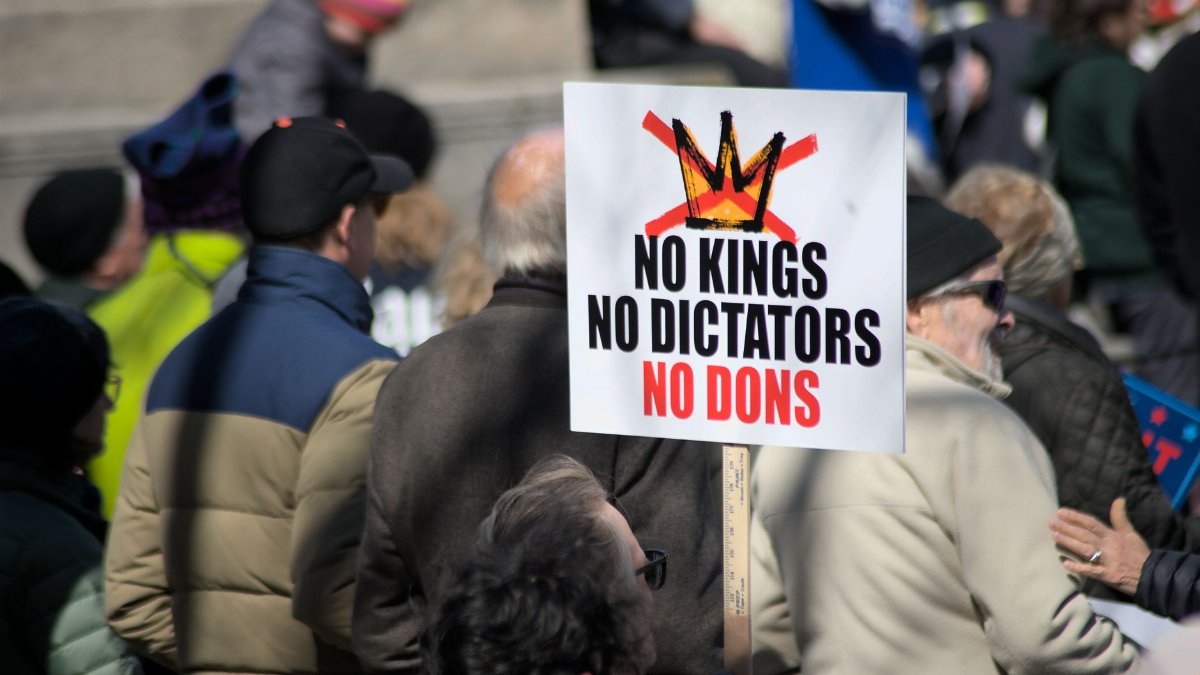
City officials are in the unenviable position of having to choose. Delay has costs. So does a vote that a large minority experiences as a dismissal. The useful posture is not neutrality. It is specificity. Publish the parking counts. Name the funding sources and what happens if a grant slips. Show which businesses sit beside the tightest blocks. Invite merchants into the construction schedule early enough that their objections can change a detail, not only decorate a hearing.
Residents owe one another a similar specificity. Calling a bike lane a war on cars, or calling a parking concern a moral failure, ends the conversation at the moment it might become useful. Northampton is small enough that the people on each side will see one another at the grocery store. A street project should not require them to pretend the other camp is a stranger.
A proxy fight with a real road underneath

It is tempting to read the whole episode as national politics in miniature: climate against commerce, youth against age, expertise against local knowledge. Some of that is present. Much of it is a distraction. The road is real. The shops are real. The crashes, where they happen, are real. A design either fits this corridor or it does not.
Reporting on the dispute, including coverage in The Boston Globe, has treated the redesign as a political story because residents have made it one. The underlying task remains municipal. Spend public money in a way that a later city can live with. Do not spend it in a way that wins an argument and loses the block.
What would count as success

Success, five years on, will not look like unanimity. It will look like a street people still choose. Shops open on a weekday afternoon. Riders using the lanes without treating the sidewalk as a backup. Drivers finding a space without a private saga. Crossings that an older person does not have to negotiate like a dare. Construction remembered as disruptive but finite, not as the season the downtown slipped.
Failure would be equally legible. A beautiful diagram and a thinner commercial street. Or a preserved parking pattern and a corridor that remains stressful for anyone not inside a car. Either outcome would confirm someone’s warning. Neither would prove that the other side never had a point.
The choice in front of Northampton
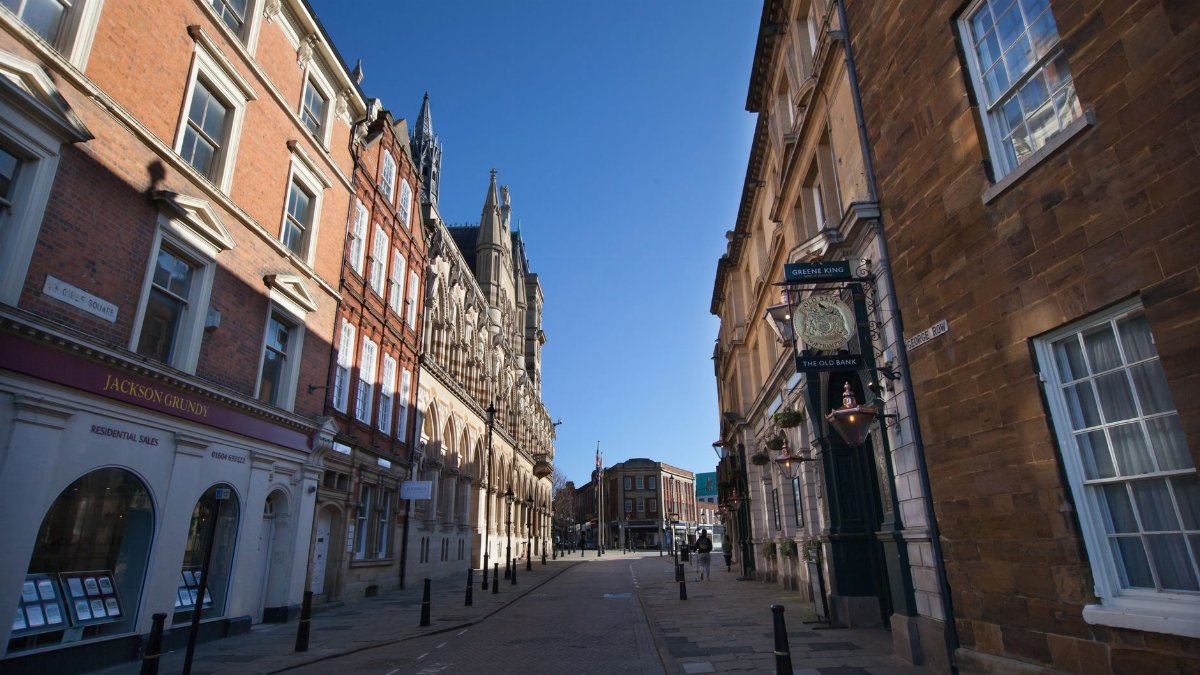
Cities reveal themselves in the projects they are willing to finish. Northampton Main Street is now such a project. The price, the bike lanes, and the business fears are not side issues. They are the issue. A community that prides itself on conscience has to show that conscience can include the person who needs a parking space and the person who needs not to be brushed by a mirror.
The battle will keep its heat through the next votes and the next renderings. Heat is not the same as clarity. Clarity would sound plainer than the slogans. This street has to work for the city that actually uses it, not only for the city each faction prefers to imagine. If Northampton can hold that standard, the reconstruction will be a road project again. If it cannot, the soul of the city will keep getting drafted into a fight about curbs, and the curbs will not be any safer for it.