
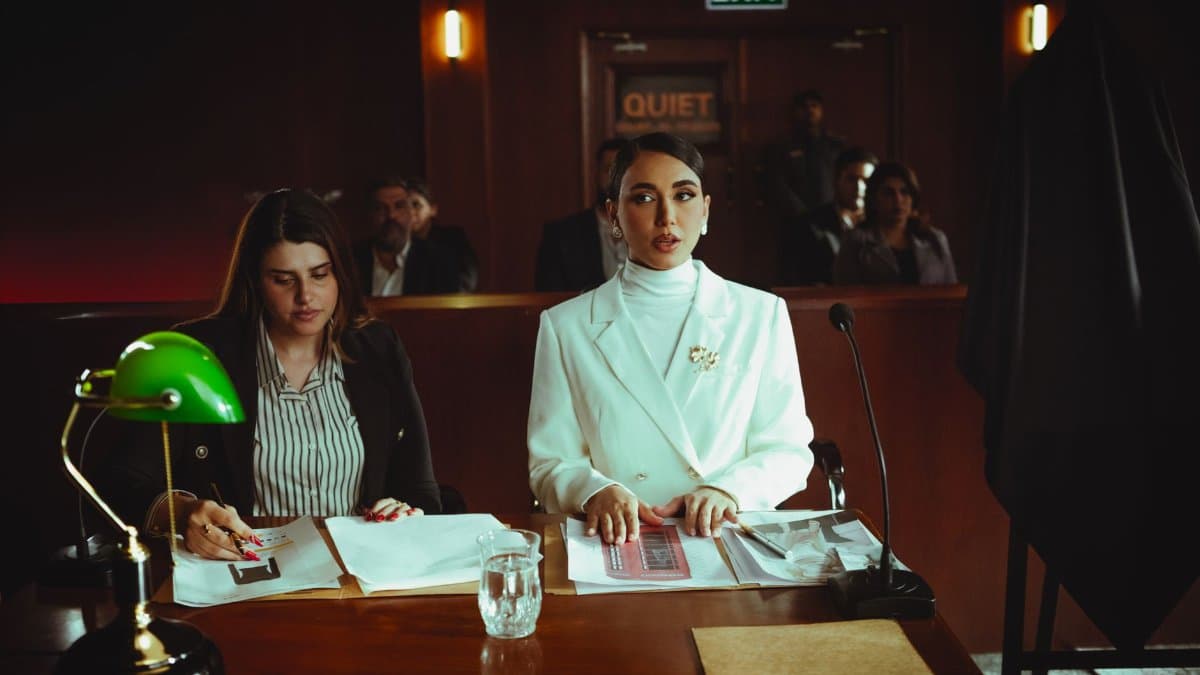
On a weeknight in a rented studio west of downtown Los Angeles, a circle of litigators is asked to do something their training rarely rewards. They are told to accept the last line a classmate offered, then build on it out loud, with no outline and no objection waiting in the wings. The room looks nothing like a courtroom. The work has a plain name that still makes some of them wince: improv for lawyers.
A class that treats the jury box as an audience

The Los Angeles Times has described an acting class in the city in which actor and attorney Brian Breiter works with litigators on presence, story, and the quick exchange that can decide whether a juror leans in or checks out. The premise is not that a trial is a sketch. It is that a trial is a live room. People arrive with their own weather. They miss sentences. They reward the lawyer who can follow a turn without looking lost.
Breiter’s dual resume is the point of the pitch. He has stood in both worlds, the rehearsal hall and the case file, and he asks students to borrow habits from one without abandoning the ethics of the other. Participants practice eye contact, pacing, and the small pause that lets a fact land. They also practice the harder skill of noticing when a story has gone cold.
Why serious lawyers are willing to look foolish
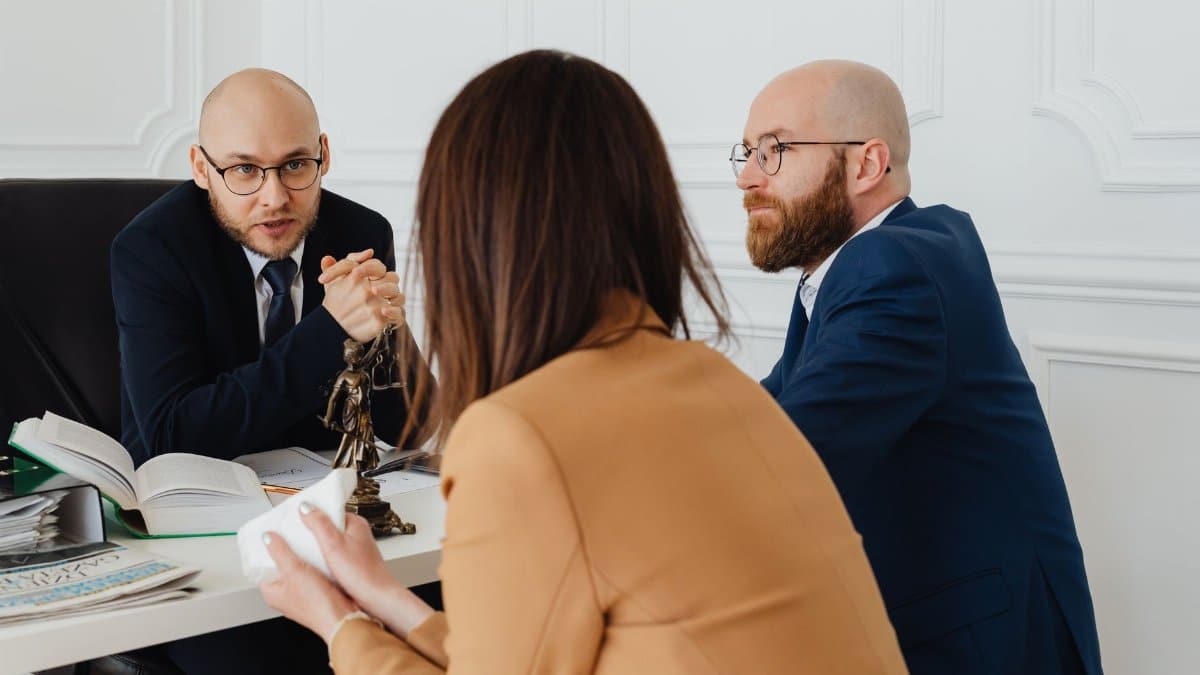
Law school rewards the person who already knows the answer. Improv rewards the person who can stay useful when the answer has not arrived. That gap is why mid career litigators, not just nervous first years, keep signing up. They have watched a well prepared cross examination stall because a witness wandered, or a closing argument lose a jury because the lawyer kept talking after the room had stopped listening.
I have sat in enough galleries to recognize the tell. The lawyer grips the podium. The notes become a shield. The voice climbs half a step and stays there. None of that is a character flaw. It is what happens when high stakes performance is treated as a solo recitation instead of a conversation with twelve strangers and a judge who has heard the same cadence all week.
Yes, and, with a record that cannot be undone
Theater people talk about accepting an offer and adding to it. In a lawsuit that slogan needs a lawyer’s edit. You do not accept a harmful fact you can fairly dispute. You do accept the reality of the room: the answer the witness actually gave, the frown on the third juror, the question the judge just asked that was not on your list. From there you add something true and useful.
Students in these sessions often start by overexplaining. They treat every prompt as a chance to win. The useful correction is smaller. Hear the last sentence. Name what it changed. Move one step, not five. That discipline shows up later in redirect, in a sidebar, in the two minutes after a surprise exhibit lands on the table.
Story that a juror can retell at dinner

Jurors are not paid to love your theme. They are asked to carry a version of the case into a deliberation room and defend it to people who heard the same evidence and reached a different hunch. The lawyer who can hand them a story with a beginning, a stake, and a clean through line is doing practical work, not decoration.
Improv drills strip away the crutch of a scripted opening. A lawyer might be given a dull object, a conflict, and thirty seconds. The point is not charm. The point is sequence. What happened first. Who wanted what. What went wrong. What you are asking the listener to believe now. When that order is missing, even a strong case can sound like a stack of exhibits.
Courtroom banter without the cheap laugh
Banter is the part that makes partners nervous, and they are not wrong to be nervous. A joke at a witness’s expense can poison a day. A quip that lands with the judge and dies with the jury is not a win. The better lesson from an acting studio is timing, not comedy. Know when a short, human reply will lower the temperature. Know when silence is the more credible move.
Breiter’s students, as the reporting frames the class, are pushed to influence jurors by sounding like people who can think while they speak. That is different from sounding rehearsed, and different again from sounding loose. The target is a voice that can follow a witness into an unexpected answer and come back with a question that still serves the theory of the case.
Listening as the skill nobody bills honestly

Most advocacy training still treats listening as a prelude to the real performance. In the studio it is the performance. One exercise has a lawyer repeat, in fresh words, what the person across from them just said before adding anything new. It feels slow. It is also a fair description of good cross examination, good mediation, and the first five minutes of a client meeting when the client is not yet sure you heard the fear under the facts.
Litigators who do this work often report a shift that is hard to put on a time sheet. They interrupt less. They catch the qualifier in a witness answer. They stop treating every pause as a vacancy they must fill. In a profession that confuses speed with command, that is a real change in posture.
What a partnership should ask before it pays the fee
Not every improv habit belongs in a federal courtroom. A firm sending associates to a class like this should ask plain questions. Is the teacher a lawyer, or at least fluent in the constraints of evidence, civility rules, and the record? Are students being coached to perform sincerity they do not feel? Is anyone being encouraged to hide a weak fact behind charm?
The honest answer from people who teach this material well is that improv is a set of attention skills, not a personality transplant. It will not supply a theory of liability. It will not repair a bad deposition outline. It can make a capable lawyer less rigid when the hearing goes sideways, which is when rigidity gets expensive.
Status, status, and the fear of looking green

There is a social cost inside big firms that the studio does not erase. Senior lawyers do not love being bad at something in front of juniors. Juniors do not love looking playful in front of people who write their reviews. Classes that work tend to mix ranks carefully, or to give senior people a room where rank is temporarily useless. The exercise does not care who made partner in 2014. It cares whether you can stay in the scene.
That leveling is part of the appeal and part of the resistance. Law still sorts people by pedigree and by the appearance of control. A circle of adults doing a word association game looks, for a moment, like the opposite of control. The argument for staying in the circle is that control which cannot bend is not control. It is a stall.
Where the method stops

Improv for lawyers should not be sold as a spiritual cleanse or as a guarantee of verdicts. Attention, breath, and a willingness to be present are useful. They are not a substitute for law, investigation, or the unglamorous labor of knowing the record better than the other table. A lawyer who can riff and cannot cite is a liability with better lighting.
There is also a fairness question. Juries already respond to voice, height, accent, and ease. Training that polishes those signals can widen gaps if only well funded firms buy it. The corrective is not to pretend presentation does not matter. It is to treat these skills as teachable basics, closer to clear writing than to a private mystique, and to keep the ethical line bright. Influence is not a license to mislead.
After the fluorescent lights go off

What travels from the studio to the courthouse is usually modest. A lawyer waits a half second longer before the next question. A closing argument loses two paragraphs that were really for the lawyer, not the jury. A mediator hears the offer underneath the posturing because someone practiced hearing offers. None of that will trend. All of it can change a Tuesday.
Los Angeles is a natural home for the experiment. The city already mixes performance and professional life in ways other towns still find slightly suspect. A class that asks lawyers to study jurors the way actors study an audience does not require anyone to become an actor. It requires them to admit they are already being watched, and to practice being worth watching without abandoning the truth they were hired to tell.
Improv for lawyers will keep its awkward name. The work underneath it is older than the trend: tell the story in an order a stranger can repeat, answer the question that was asked, and stay human when the plan breaks. In a system that often rewards the loudest file, that is a quiet kind of craft, and it is worth the embarrassment of learning it in public.