
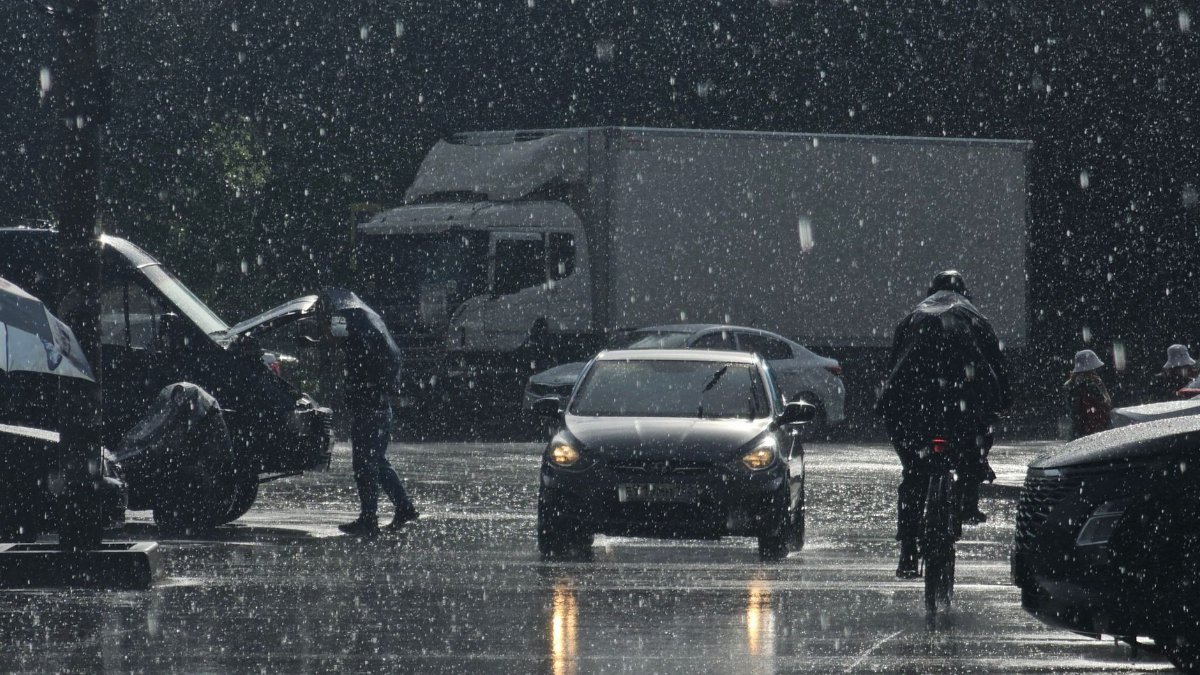
By midmorning the sky over downtown Miami had the color of wet concrete, and the first puddles were already claiming the low edges of Biscayne Boulevard. Shopkeepers rolled mats inside. A bus slowed where the gutter had risen over the white line. None of this was unusual for a peninsula built on limestone and habit, yet the language from forecasters carried a sharper edge than a routine shower. A South Florida flood watch now covers Miami Dade, Broward, and Palm Beach counties through Wednesday night, with widespread rain of 2 to 3 inches and isolated totals that could reach 6 inches. For people who measure risk in driveways and school pickup lines, that is enough water to change an ordinary day.
What the watch is asking people to notice

A flood watch is not a declaration that every street will vanish under a brown sheet of water. It is a formal notice that conditions favor flooding, and that the next several hours deserve attention rather than assumption. The National Weather Service office in Miami, which posts updates at weather.gov/mfl, uses that distinction so residents do not wait for a siren that may never come. In South Florida the danger often arrives as a slow insult: a canal that stops falling, a storm drain that gurgles and then goes quiet, a parking lot that looks like a pond with shopping carts for buoys.
Forecasters expect the rain to be widespread rather than theatrical. Two to three inches across a county sounds modest until it falls on ground that is already near saturation, or on pavement that was never designed to swallow a summer style downpour in late November. Isolated pockets may see closer to six inches. Those pockets are the ones that turn a watch into a set of blocked intersections and soaked living rooms.
The three counties under the same gray ceiling
Miami Dade, Broward, and Palm Beach share a coastline, a water table, and a habit of building close to both. They do not share identical drainage. Older neighborhoods near the ridge of the coastal ridge drain differently from western suburbs laid over former wetlands. A culvert in Homestead and a canal gate in Wellington can fail in different ways under the same sky.
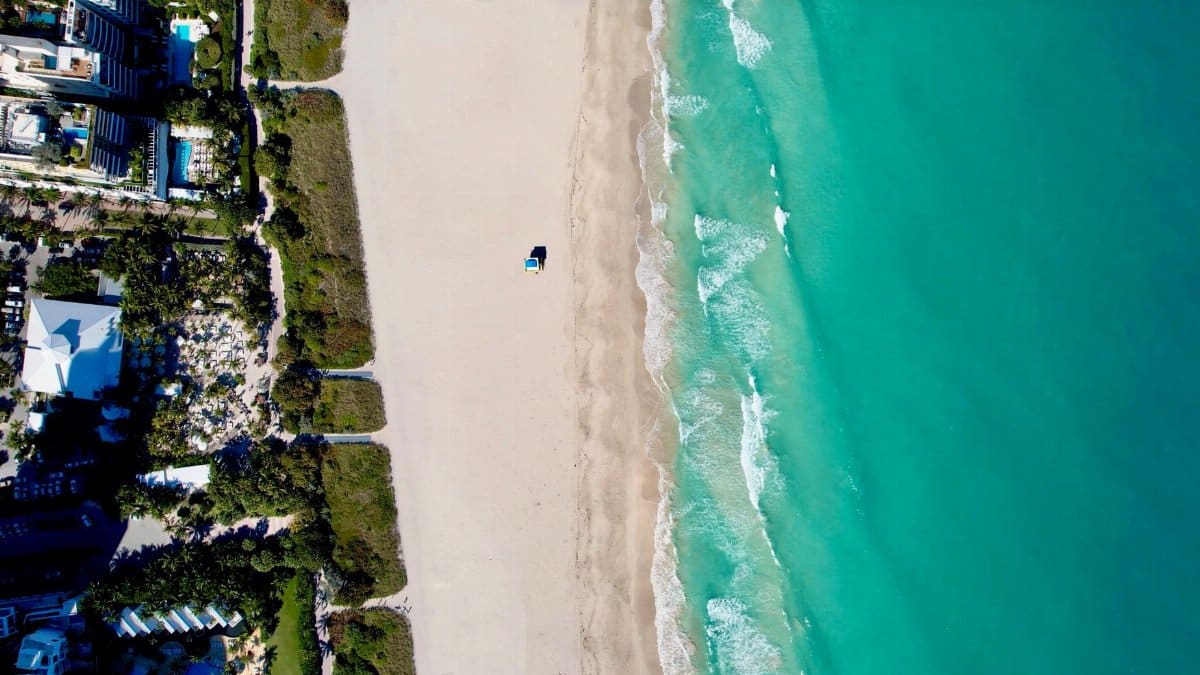
Along the east coast of South Florida, the watch follows the band of cities where most people actually live: from the condominium canyons near the Atlantic to the inland grids of Miramar, Pembroke Pines, and Boynton Beach. Western farmland and the Everglades fringe can take rain with more room to spare. The dense east side often cannot. That is why a regional watch still feels local. The water that matters is the water at the end of a particular block.
Why a few inches can stop a city
Limestone under much of the region is porous, which sounds like a blessing until the water table sits high and the rock has nowhere left to put the rain. Stormwater systems then become the whole defense. Pumps, canals, and street grates do quiet work on ordinary afternoons. Under a South Florida flood watch they become the story, even when television cameras stay fixed on the radar loop.
King tides and onshore flow can complicate the picture near the Intracoastal Waterway and the Miami River. If the ocean is already pressing into the canals, rainfall has a harder time leaving. Residents who have lived through previous wet seasons know the sequence: the street fills from the corner inward, cars stall at the low spot everyone warned about, and the water sits until a pump catches up or the rain simply stops. The National Weather Service flood safety page at weather.gov/safety/flood is blunt about that moment. Turn around. Do not drive through it. Depth is a liar, and current hides under a smooth surface.
The commute, the school run, and the evening clock
Wednesday is a workday, which means the watch collides with schedules that do not bend for weather. Morning drop off may still look manageable. The risk climbs if bands of heavier rain line up with the ride home. Interstate 95, the Palmetto Expressway, and Florida’s Turnpike all have stretches where poor drainage meets heavy traffic. A stalled sedan in a flooded lane is not only a personal crisis. It becomes a blockage for ambulances and for everyone else trying to reach higher pavement.
School districts and employers rarely close for a watch alone. Parents should still plan a slower pickup and a dry change of clothes in the trunk. Transit riders should expect delays where buses must detour around standing water. None of this requires panic. It requires the unglamorous decision to leave ten minutes earlier and to treat a flooded intersection as closed, even if a navigation app still paints it green.
What to do before the heaviest rain arrives
The useful preparations are small and specific. Clear leaves from the grate at the end of the driveway. Move the car to the highest legal spot on the property or on the street. Lift storage boxes off garage floors. Charge phones. Know which neighbor has a medical device that cannot sit in a dark house if a transformer fails. If you rent a ground floor unit, ask the manager where water entered last time, and move rugs before you need to.
Sandbags help at door thresholds when water is shallow and slow. They do little against a foot of water pushed by a failed pump. People in flood zones should also know whether their policy is through the National Flood Insurance Program, described in plain language at floodsmart.gov. Standard homeowners and renters policies often exclude flood. That fact surprises people every wet season, usually after the sofa is already ruined.
Money, renters, and the quiet damage
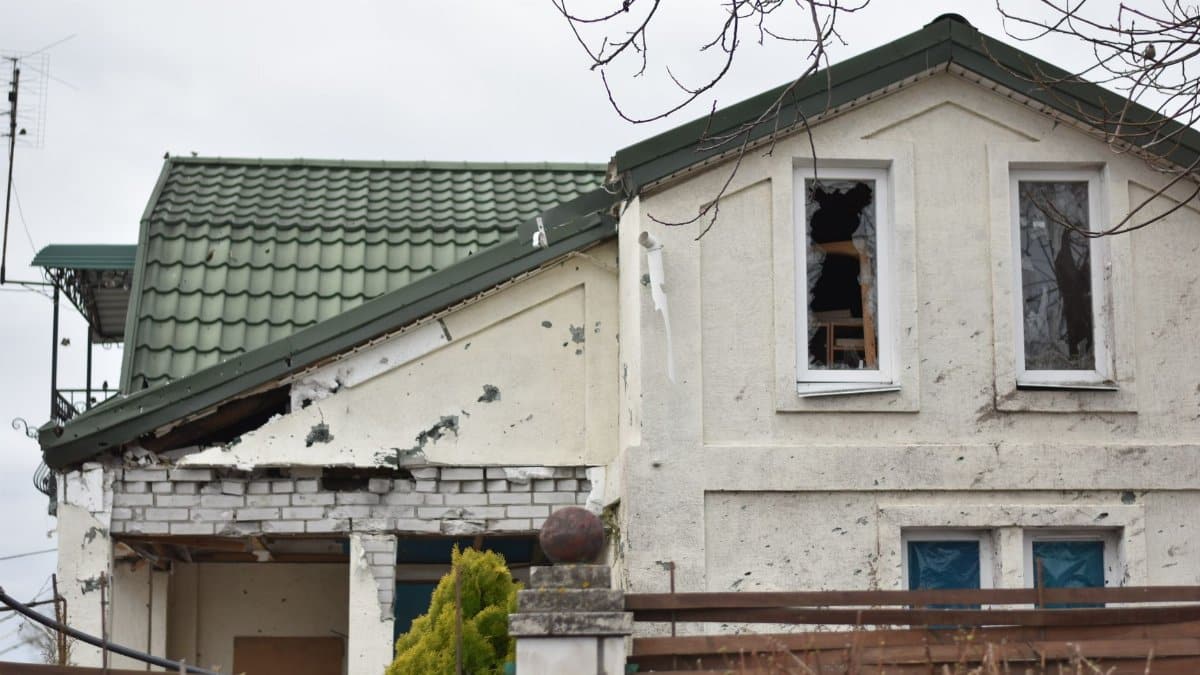
Flood loss is rarely cinematic. It is drywall that smells sweet and wrong three days later. It is a landlord who says the carpet will dry and a tenant who knows it will not. It is a small business on a frontage road whose inventory sat eight inches too low. Insurance arguments begin in that gap between what people assumed and what the policy actually says.
Documenting a room before the water rises is tedious and wise. Photos of baseboards, appliances, and serial numbers take minutes. Afterward, officials may ask for them. So will adjusters. Renters should not assume the building policy covers their furniture. Owners of older homes should not assume a past claim taught the insurer anything generous. The watch is a weather product. The bill, if it comes, will be a private one.
Congregations, kitchens, and the wet hours

South Florida’s religious life is dense enough to function as informal infrastructure. Churches, synagogues, mosques, and temples already know which members live alone, which use wheelchairs, and which will not ask for help until the water is at the step. During a South Florida flood watch, that knowledge matters as much as any county hotline. A hall with a dry floor and a working coffee urn is not a shelter in the official sense. It can still be the place a family waits out a blocked road.
Clergy and lay leaders who have done this before tend to keep the message practical. Check on the elder down the hall. Do not drive through the dip by the sanctuary parking lot. Bring the charging cables. Prayer has a place in that evening, and so does a plastic bin of socks. Communities that treat care as a habit, rather than a headline, absorb these nights with less chaos. The rest of the civic system depends on that quiet layer more than it admits.
How officials will read the night
Meteorologists will watch where the heavier cells train, meaning where storms keep passing over the same neighborhoods instead of moving off. They will watch canal levels and pump status reported by water managers. They will watch whether a flood warning, a sharper step up from a watch, becomes necessary for a smaller slice of the coast. Residents should watch the same escalation in plain language. A watch says be ready. A warning says flooding is happening or about to happen where you are.
Power flickers are a separate risk. Standing water and downed lines do not belong in the same photograph, yet they often share a block. Stay back from sagging wires. Report outages to the utility rather than to social media alone. If you must leave a dark apartment, take medications in their original bottles and keep a paper list of phone numbers. Batteries die. Memory fails when a hallway is black and wet.
The roads that lie

Every flood season produces the same short film: a driver certain the puddle is shallow, a stalled engine, a door that will not open against the pressure, a rescue that should not have been required. SUVs are not boats. Depth that looks like a few inches at the curb may be a washed out shoulder a yard farther on. At night the deception is worse because headlights flatten the surface into a mirror.
If you are already caught, abandon the vehicle only if you can reach higher ground without walking into moving water. Moving water above the ankles can knock an adult down. Children should not be sent across a flooded lot to fetch a bag from a car. These are not scare lines. They are the pattern in fatality reports after urban floods, including floods that never made the national news because the rainfall total sounded ordinary.
After the watch expires
Wednesday night is the stated end of the current watch, not a promise that every street will be dry at midnight. Water lingers in western Broward subdivisions and in Miami Dade pockets west of the ridge long after the radar clears. Morning commuters on Thursday may still meet closed lanes, weakened shoulders, and debris in bike paths. Schools may open on time while the route to them remains foolish.
The cleanup is where illness hides. Floodwater in this region can carry sewage, fertilizer, and whatever leaked from a submerged car. Do not let children play in it. Do not run a generator indoors or in a garage, even with the door cracked. If drywall was soaked above the baseboard, cut it out rather than painting over the stain. Mold does not respect a busy calendar.
A South Florida flood watch will be issued again, in some future wet week, because the geography has not changed and the rainy habit of this coast has not either. What can change is the boredom people feel when the phrase appears on a phone. Boredom is expensive. Attention, applied early and without drama, is the whole practical point of the notice now covering Miami Dade, Broward, and Palm Beach through Wednesday night.