
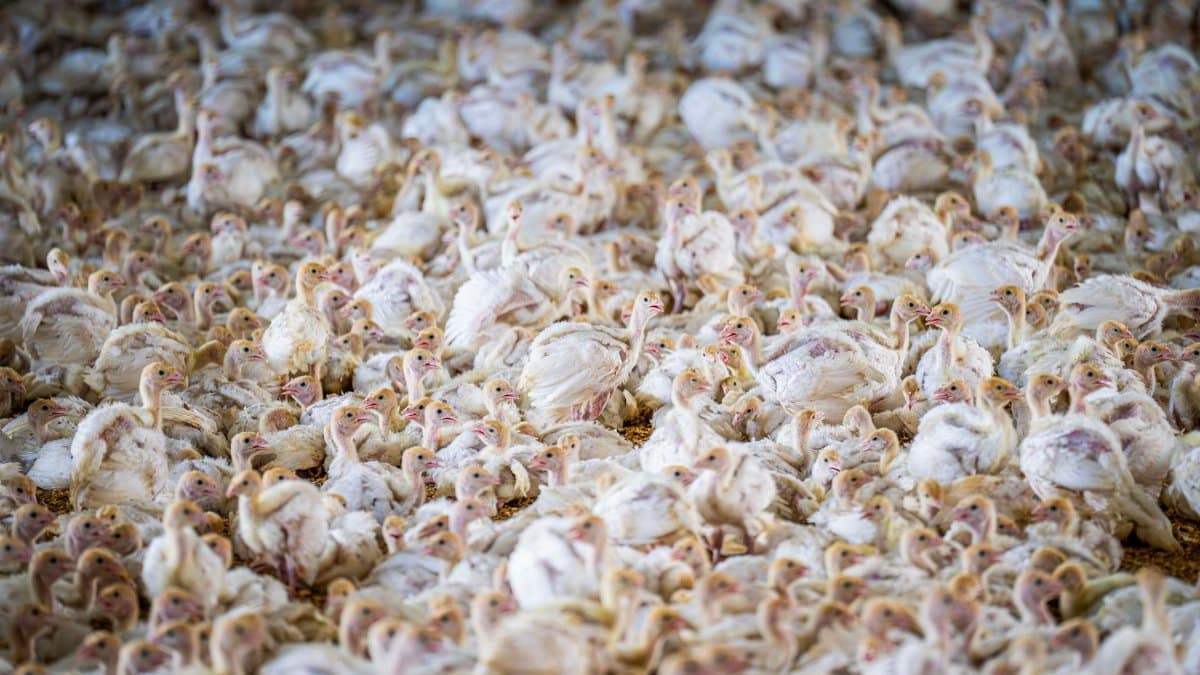
On a still afternoon in western Minnesota, the kind of heat that turns a metal trailer into an oven does not announce itself with drama. It arrives as a slow, heavy fact. Birds that left a barn in the morning arrive at a plant already struggling for air, and a federal inspection file later records what workers and inspectors saw when cooling equipment failed to do the one job that mattered. Those pages, now public, place turkey deaths at the center of a summer question the industry would rather treat as routine logistics.
What inspectors wrote down

The account comes from a United States Department of Agriculture inspection record covering turkey plants in Willmar and Marshall. Readers who follow agriculture news first saw the details through reporting in the Star Tribune, which described birds dying in hot weather after cooling misters broke down in 86 degree heat at one site and after a staffing shortage left another site unable to move birds with the speed the weather demanded. The agency does not write poetry. It writes observations, times, and findings. That plainness is what gives the file its force.
Humane handling rules require that birds be sheltered from extreme heat, that water and ventilation be available when they wait, and that plants have enough people to unload trailers before suffering becomes inevitable. When those conditions fail, inspectors can document noncompliance, stop a line, or require corrective action before slaughter resumes. The Willmar and Marshall cases sit inside that framework. They are not rumors from a parking lot. They are entries in a system built, at least on paper, to notice when animals die before they ever reach a stunner.
Heat as a production problem
Turkey processing in Minnesota is a summer industry as much as a holiday industry. Birds are heavy, densely packed, and physiologically poor at shedding heat. A trailer that feels merely warm to a person in a short sleeve shirt can be dangerous for a flock whose only cooling is panting and whatever air moves through slats. Plants know this. They install misters, schedule earlier loads, and keep spare fans because a single hot week can erase margins and invite federal attention at the same time.
The Willmar finding turns on equipment that was supposed to be the margin of safety. Misters that do not spray are not a minor maintenance note when the air is already 86 degrees. They are the difference between a flock that waits and a flock that dies in place. Inspectors described a breakdown, not a mystery. That distinction matters for anyone who has ever been told that extreme weather is an act of God beyond managerial reach. Weather sets the condition. Maintenance decides whether the condition becomes fatal.
A shortage of hands in Marshall

Marshall presents a different failure with the same ending. A staffing shortage meant there were not enough workers to receive birds at the pace the heat required. In a plant, labor is not an abstract spreadsheet. It is the person who opens a trailer, the person who moves crates, the person who sees distress before it becomes a count of dead birds. When those people are missing, time stretches. Time, in 86 degree weather, is itself a form of harm.
Rural meat plants have spent years arguing that they cannot hire fast enough, that wages and housing and immigration rules leave them short. Those arguments can be true and still not excuse a day when live animals are left waiting because the shift was thin. A humane handling plan that depends on a full crew is only as real as the crew that shows up. Federal files do not negotiate with labor markets. They record whether birds were protected.
How a federal file gets made

Inspection of poultry plants is continuous in a way many readers do not picture. Veterinarians and consumer safety inspectors walk yards, docks, and kill floors. They are employed by the Food Safety and Inspection Service, part of the agriculture department, and their notes become public through records requests and, sometimes, through newsrooms that know which forms to ask for. The Star Tribune account is one such translation from bureaucratic language into a story a general reader can follow. The underlying authority is federal, not local gossip.
A finding of this kind usually names the plant, the date, the weather, the equipment, and the corrective steps the company said it would take. It may also note whether inspectors stopped operations. What it rarely does is linger on the sensory detail: the sound in a trailer, the smell of heat stressed birds, the look on a worker’s face when a count comes back higher than anyone planned to explain. Journalism has to supply some of that human scale without inventing numbers the file does not contain.
Companies and the language of correction

Plant operators, including the large turkey companies that dominate this part of the state, typically respond with a familiar sequence. They express regret. They describe repairs. They promise retraining. They point to investments in fans, shades, and scheduling software. None of that is automatically empty. Equipment does break. People do call in sick. A serious company treats a federal write up as a defect in its own system, not as an insult from Washington.
The test is repetition. One hot day can be explained. A pattern of similar notes, summer after summer, across docks that look alike, suggests that the cost of prevention is still being weighed against the cost of an occasional file. Shareholders see efficiency. Neighbors see trucks. Inspectors see whether misters work and whether the dock is staffed. Those three audiences rarely share a sentence, which is why a public report can feel, to each of them, like it was written for someone else.
The birds in the middle of the paperwork
It is easy, once the language turns to noncompliance and corrective action, to lose the animals. Turkeys are not symbols. They are large birds with a narrow tolerance for heat, raised for a food system that wants them uniform, heavy, and on time. Turkey deaths in a trailer are not the same event as death on a farm from disease, and they are not the same as slaughter under a working stun system. They are deaths of neglect in transit or in waiting, and the law treats them as preventable.
People who eat turkey at Thanksgiving, or who buy ground meat in July without thinking of the season, are not villains for that distance. Distance is how the system is built. The value of a federal report is that it shortens the distance for a moment. It says: on this day, in this town, these birds died because a spray line failed or because there were not enough people to unload them. That sentence does not require a sermon. It requires a reader willing to stay with an unglamorous fact.
Summer transport across farm country
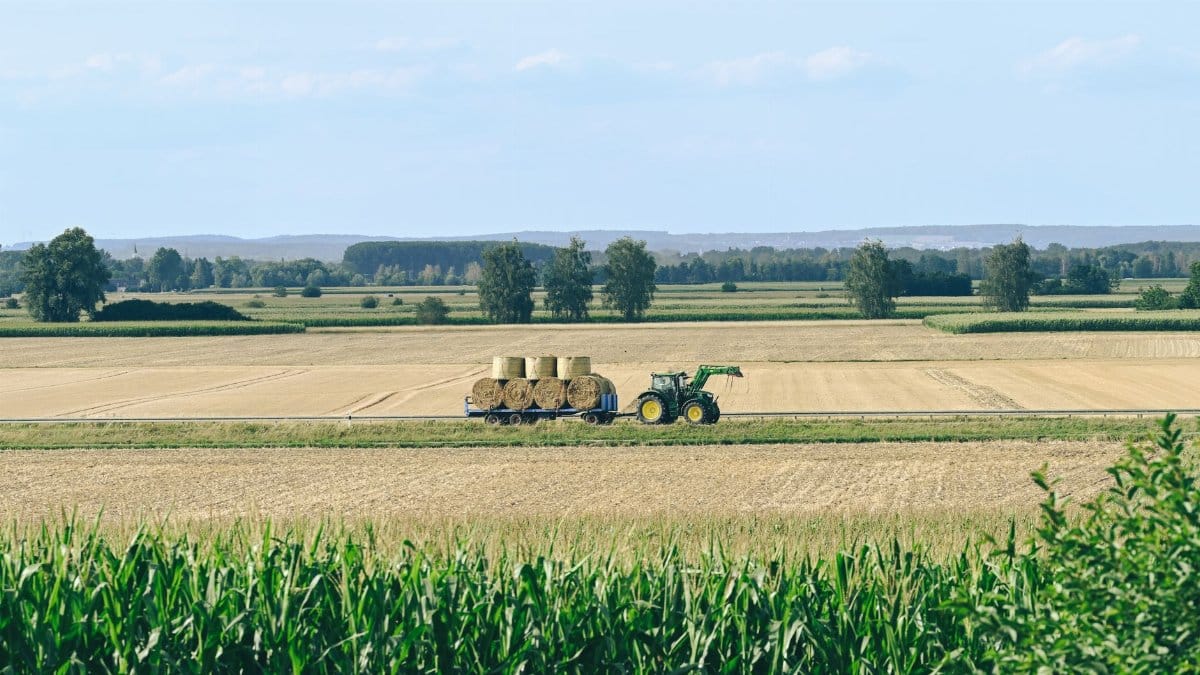
Willmar and Marshall are not unique climates. The Upper Midwest now swings between soaked springs and hard, bright heat. Livestock haulers talk about leaving before dawn, about refusing a load when the forecast crosses a private threshold, about the argument with a scheduler who needs the plant fed. Those conversations happen in cabs and break rooms. They rarely reach a newspaper unless an inspector writes them down.
Other species face the same physics. Hogs die in trailers. Cattle go down in feedlot pens. Poultry, because of numbers, produce the starkest counts. A single missed afternoon can mean dozens or hundreds of birds, depending on how long the failure lasts and how full the trailers were. Publishing a precise toll without the inspection exhibit in hand would be a kind of false precision. What can be said, from the public account, is that deaths occurred, that heat was the setting, and that the safeguards named in company plans did not hold.
What the rules actually require

Federal humane handling policy expects plants to have a systematic approach, not a hope. For heat, that means monitoring forecasts, adjusting receiving times, keeping water and cooling equipment in working order, and training employees to recognize distress. Inspectors can verify those plans. They cannot stand in every trailer. The system assumes good faith plus spot verification. When misters are broken, the assumption fails in a way that is easy to photograph and hard to spin.
Critics of industrial animal agriculture argue that the rules are too thin and the penalties too light, a cost of doing business rather than a real restraint. Defenders argue that American plants are among the most inspected food facilities on earth and that isolated failures prove the system works because they were caught. Both claims can be partly right. Catching a failure after birds are dead is not the same as preventing it. It is, however, better than silence. Public files are the minimum condition for any later argument about whether penalties should be stronger.
A spiritual question without a slogan

This newsroom category often asks what a story means beyond policy. The honest answer is modest. Industrial turkey deaths do not need to be dressed as a parable to matter. Still, many readers in this region were raised with some version of stewardship, a belief that animals in human care impose a duty that does not vanish when the animals are destined for food. That duty is not cancelled by a paycheck or a quarterly report. It is tested on ordinary Tuesdays when the temperature climbs and a nozzle clogs.
Faith traditions differ on eating meat. They converge, more often than not, on cruelty that serves no necessity. A broken mister in known heat is not a tragic necessity. It is a skipped task. A short crew that leaves birds waiting is not an act of God. It is a choice about priorities, even if the choice was made days earlier by someone who never saw the dock. Remembering that does not make anyone pure. It makes the next maintenance log a moral document, which is an uncomfortable promotion for a piece of paper.
What changes after the ink dries

Reports fade. Plants remain. The practical question for Willmar, Marshall, and every similar dock is whether the next hot week looks different. That means misters tested before the heat arrives, not after an inspector arrives. It means a staffing plan that treats live receiving as essential work, not as the shift that can run thin. It means haulers empowered to delay a load without being punished for protecting the birds and the company’s own record.
State and federal officials can help by publishing inspection findings in language a neighbor can read, not only in portals built for specialists. Newsrooms can help by returning to the same plants when August comes again, instead of treating each file as a one day outrage. Readers can help by understanding that the price of a turkey includes the cost of fans, water, and enough people to use them. Cheap meat that depends on skipped cooling is not cheap. It sends the bill to animals that cannot refuse the trailer.
A record worth keeping in view
None of this requires a villain with a name in lights. It requires institutions that already exist to do what they say they do when the weather is ordinary and when it is not. The federal report on these Minnesota plants is a narrow window. Through it, a reader sees broken cooling in serious heat, a dock short of workers, and turkey deaths that did not have to happen in that way on that day. The window will close if no one looks again.
Western Minnesota will have more hot afternoons. Trailers will keep rolling toward Willmar and Marshall. The measure of the response will not be a statement of regret. It will be whether, on the next day the air hits 86 degrees, the misters spray and the crew is there when the gates open. Until that is the normal report, the file we already have deserves to stay on the table.