
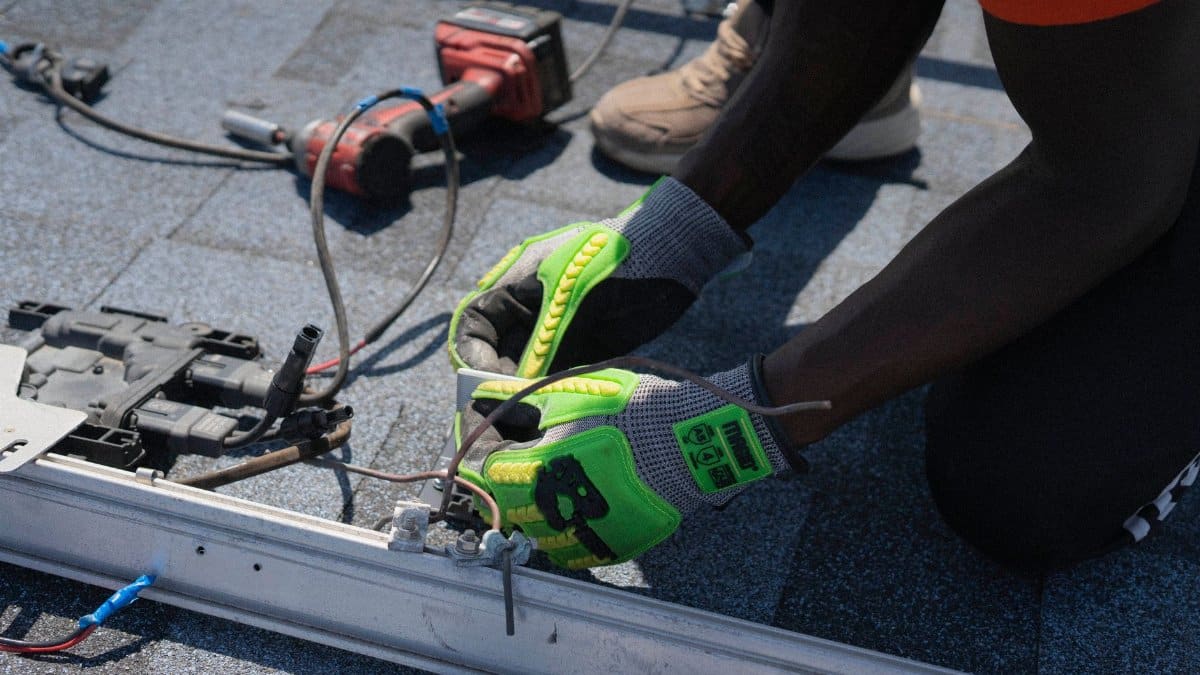
In recent weeks federal immigration authorities have considered outfitting officers with a device that has ignited sharp debate across the country. The proposal centers on ICE electric shock gloves and has prompted warnings from elected officials and advocacy organizations about risks of overreach in enforcement settings.
Reactions Among State Leaders

New York officials have voiced strong opposition to the acquisition plans. They argue that such equipment could undermine public trust in federal operations and invite legal challenges from communities already wary of aggressive tactics. Several lawmakers have called for greater oversight before any purchases move ahead.
Financial Scale of the Proposal

Reports indicate the agency may allocate between ten and twenty million dollars for the equipment. This level of spending has drawn scrutiny from budget watchdogs who question whether the outlay aligns with broader priorities in immigration enforcement.
Ethical Dimensions in Enforcement
Observers note that tools designed for control raise questions about human dignity during encounters. Faith leaders and ethicists have weighed in suggesting that any new technology must be measured against principles of restraint and respect for individual rights.
Potential for Expanded Use

Critics worry the gloves could migrate from limited field applications to routine interactions. Historical patterns with other devices show how initial safeguards sometimes fade once equipment enters circulation.
Views from Civil Liberties Advocates
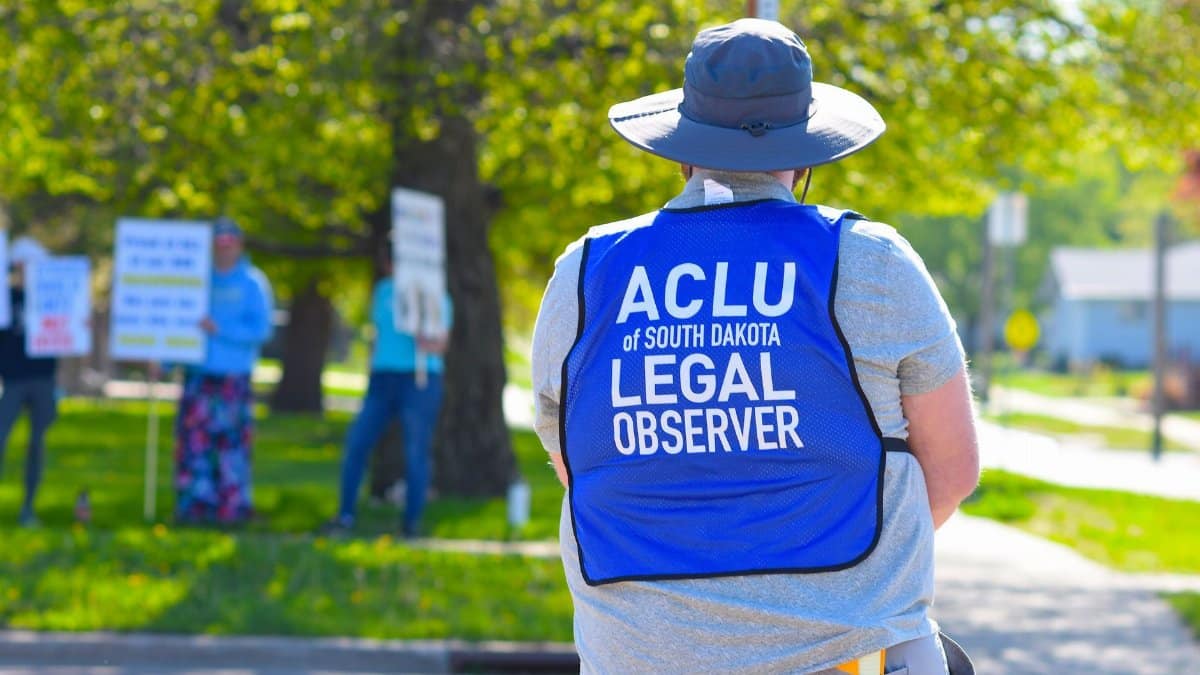
Organizations focused on constitutional protections have urged detailed protocols around training and accountability. They emphasize the need for independent review boards to monitor incidents and ensure transparency in reporting.
Comparisons to Past Equipment Rollouts

Past introductions of restraint devices in law enforcement offer cautionary lessons. In several cities similar innovations led to prolonged court battles and policy revisions after early deployments revealed gaps in guidance.
Impact on Community Relations
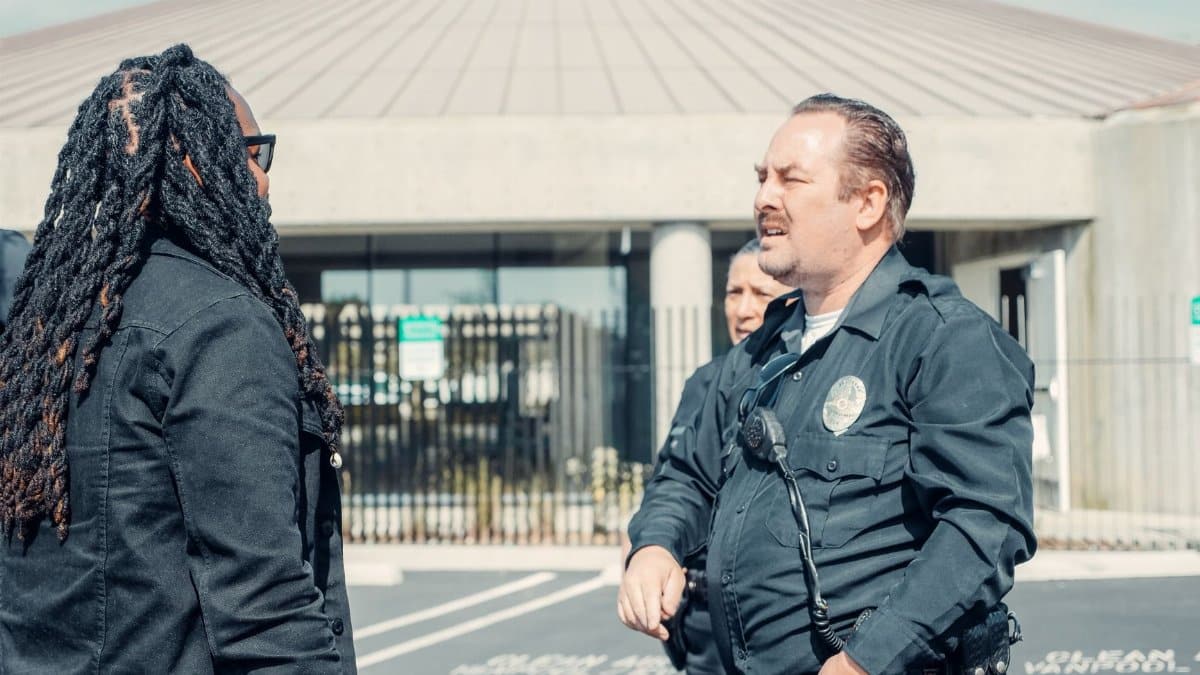
Local leaders in diverse neighborhoods describe fears that the devices could deepen existing divides. Trust between residents and federal personnel already faces strain and additional layers of perceived threat may widen those gaps further.
Technical Specifications Under Review

Details about voltage levels and activation mechanisms remain limited in public documents. Engineers and medical experts have requested more data to assess health implications for subjects who might encounter the equipment.
Calls for Legislative Checks
Members of Congress have proposed hearings to examine the acquisition process. They seek assurances that any deployment would include strict limits on circumstances where the gloves could be employed.
Broader Implications for Policy Trends

The discussion reflects ongoing tensions between security objectives and humanitarian considerations in immigration matters. How the agency proceeds may shape future standards for equipment across other federal branches.