
In recent weeks federal authorities have stepped up efforts to return migrants to Haiti amid shifting diplomatic ties and ongoing instability on the island. One operation involved an ICE Haiti flight that left Florida carrying adults and minors alike. The journey highlights the human side of enforcement actions that affect families across borders and raises questions about how such returns are handled when children born elsewhere are involved.
Origins of the Current Enforcement Push

Policy changes at the national level have led to more frequent removals for individuals from Haiti who lack legal status. Officials cite court orders and capacity issues in processing centers as reasons for the increased pace. Communities in South Florida watch these moves closely since many residents trace family roots to the Caribbean nation.
Passenger Details from the Latest Journey

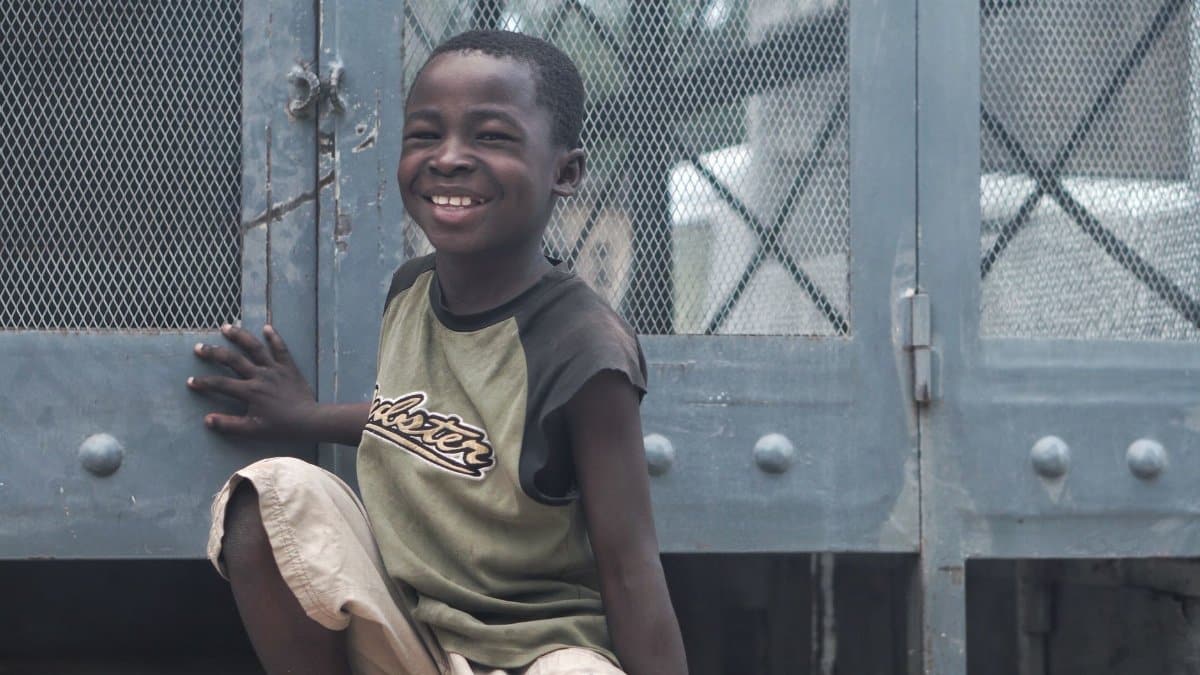
Reports indicate the group numbered fifty seven people in total. Among them were several minors born in the United States and at least one child born in Brazil. Such mixed family situations create unique challenges for social services both before departure and upon arrival in Cap Haitien.
Logistics of Air Transport Operations

Flights of this type typically use charter arrangements coordinated through specialized aviation units. Ground crews prepare manifests and medical checks well in advance. Coordination between multiple agencies ensures the process moves forward without major disruptions at the departure site near Miami.
Reactions from Advocacy Groups
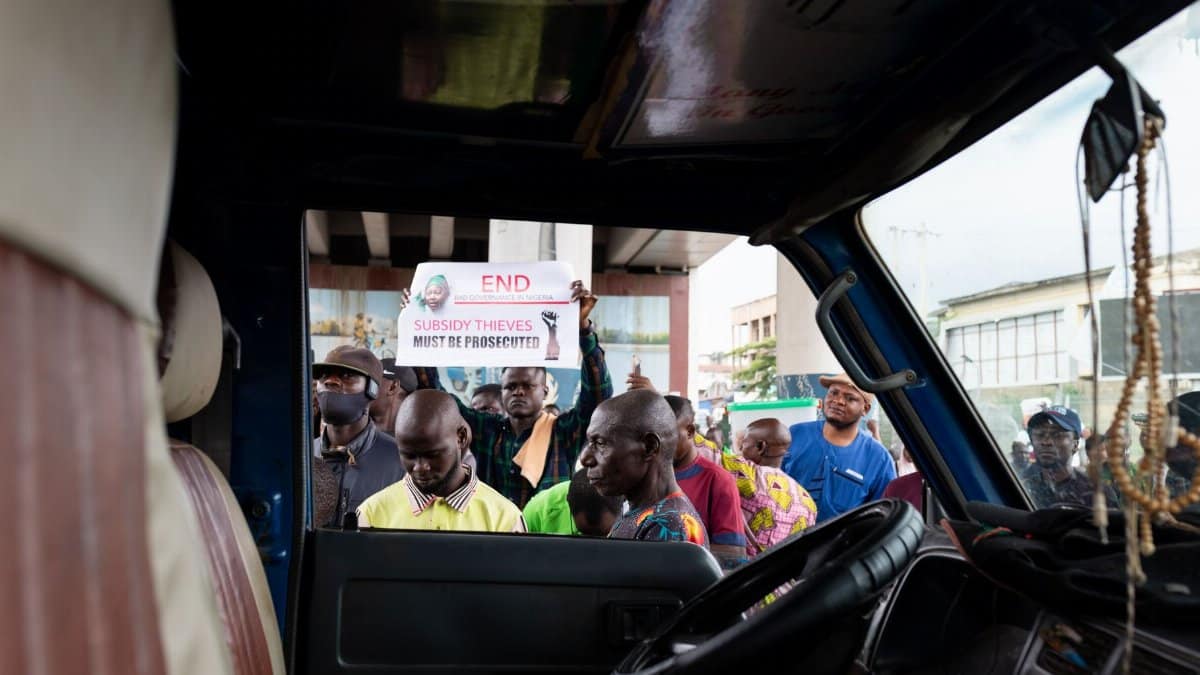
Organizations focused on migrant rights have voiced concerns over the inclusion of minors in these transports. They argue that long term effects on child development deserve more attention from policymakers. Some groups have called for expanded legal reviews before any family is placed on future departures.
Conditions Awaiting Returnees in Haiti
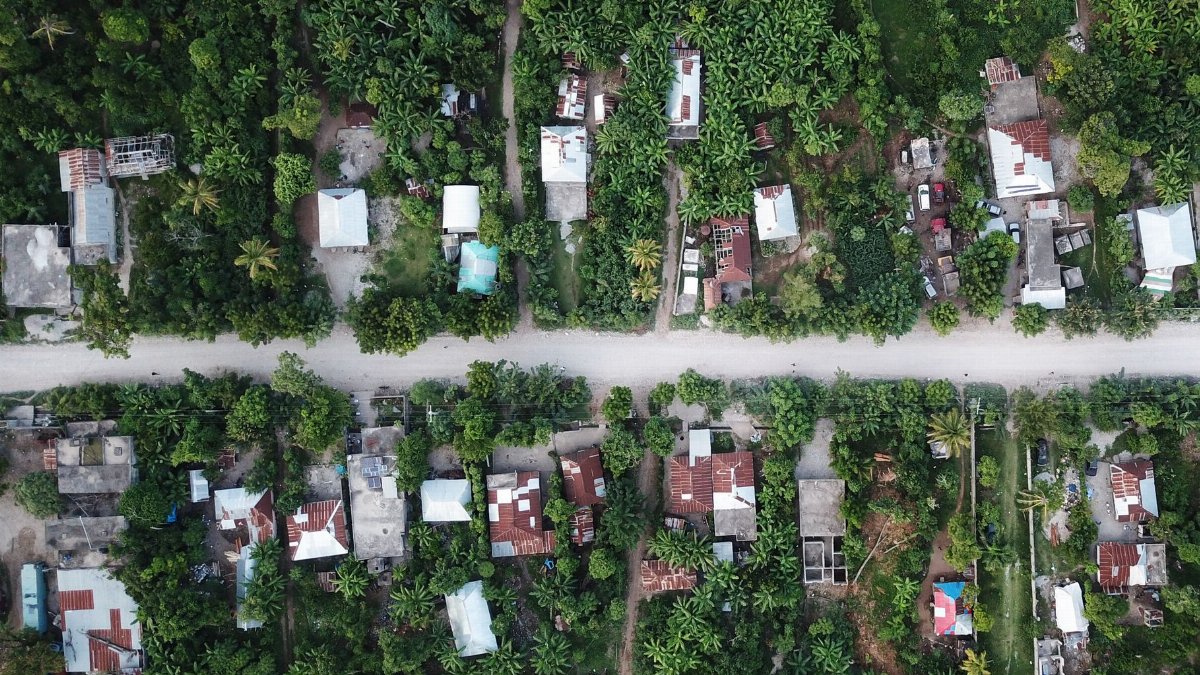
Upon landing individuals often face limited support networks and economic pressures in their home regions. Local authorities in Haiti have worked with international partners to manage arrivals but resources remain stretched. Families may struggle to reconnect with relatives or find stable housing in the short term.
Broader Patterns in Regional Migration

Similar removals have occurred to other Caribbean and Central American nations in recent months. Data from border encounters show fluctuating numbers of people from Haiti attempting entry through various routes. These trends reflect larger shifts in global movement driven by political and environmental factors.
Perspectives from Affected Families

Relatives of those returned describe emotional strain and uncertainty about future contact. Some have shared stories of separation that began years earlier during initial migration. Community leaders in Florida note that local churches and aid networks often step in to provide basic assistance during transitions.
Future Outlook for Similar Operations

Officials have indicated that additional flights could occur depending on diplomatic agreements and court backlogs. Observers expect continued scrutiny from media and legal experts as numbers grow. The balance between enforcement priorities and humanitarian considerations will likely remain a topic of debate in coming months.