
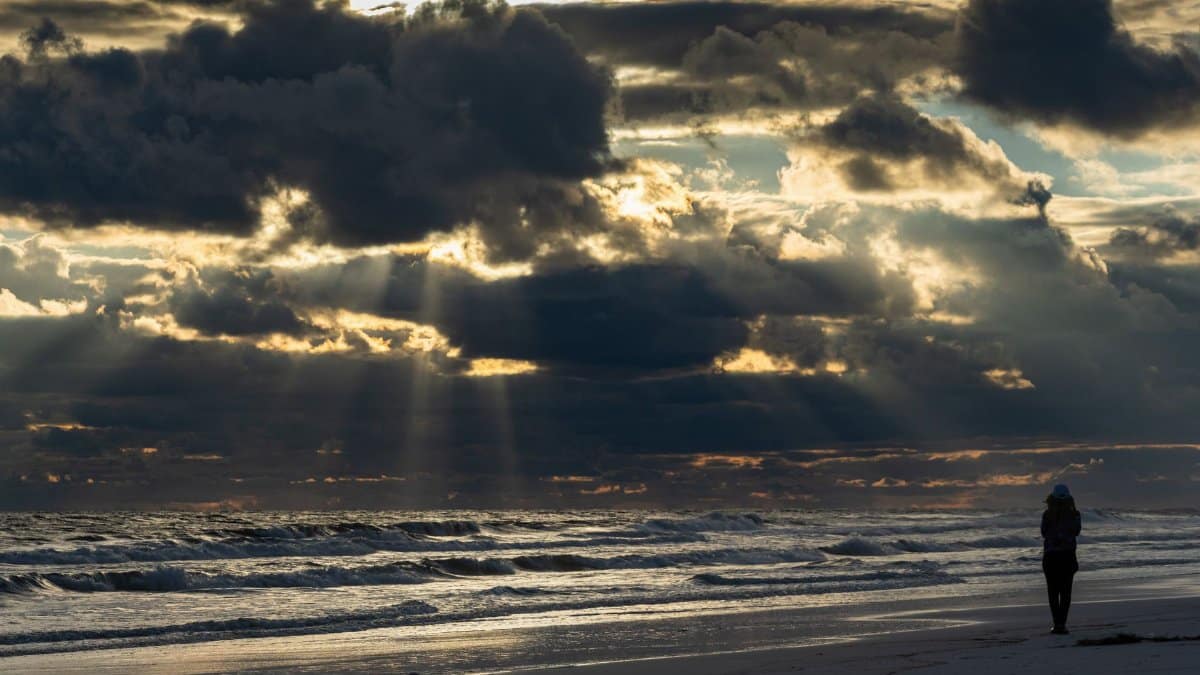
On a humid August night in 2020, porch lights blinked out from the Carolinas northward while rain hammered siding and transformers popped in the distance. Families reached for flashlights they had not touched since the last tropical scare. In that darkness, Hurricane Isaias power outages became the story that outlasted the headline wind speeds. The hurricane had crossed the Bahamas and brushed Florida before coming ashore in North Carolina. What followed was less a single strike than a long bruise up the Eastern Seaboard, measured in dark kitchens, stalled traffic signals, and the low hum of generators in neighborhoods that had expected only a glancing blow.
A landfall that did not end the danger
Isaias made landfall near Ocean Isle Beach, North Carolina, late on August 3, 2020, with maximum sustained winds of about 85 miles per hour, according to the National Hurricane Center tropical cyclone report. That placed it as a Category 1 hurricane, not the monster some early forecasts had feared and not the Gulf storm some confused headlines seemed to describe. The category number, though, was a poor guide to the trouble ahead.
The center came ashore and kept moving. Tropical storm force winds and tornadic storms ran far from the eye. Rain fell on ground already wet from a restless summer. Rivers rose. Beaches took a beating. Inland, the damage often looked ordinary until you noticed the poles leaning and the lines on the grass. I have covered enough late summer storms to know that the outage total often tells a truer story than the category on the map.
Readers who remember only a Florida Panhandle strike are remembering a different kind of night. Isaias did affect Florida, especially as it tracked near the peninsula, but the landfall that organized the wider crisis was on the Atlantic side. The danger did not retire when the eye moved inland. It changed shape.
How the lights went out along the coast
Power failed in a pattern that felt both sudden and familiar. A limb finds a span of wire. A pole snaps at the base. A substation floods or a breaker opens to protect equipment that would otherwise burn. One failure cascades into another, and a neighborhood that still has a roof loses the current that makes the roof useful.
Hurricane Isaias power outages spread from the Carolinas through the Mid Atlantic and into the Northeast, where dense tree cover and older distribution lines turned wind into darkness. Utilities reported customers without service in numbers that climbed from the hundreds of thousands into the millions as the storm raced north. The precise peak shifted by the hour as crews restored one circuit and another failed farther up the coast.
For people in the dark, the distinction between a hurricane outage and a thunderstorm outage hardly mattered. The refrigerator warmed. The medical device needed a battery. The phone became a rationed object. What mattered was whether anyone could say, with a straight face, when the lights would return.
The maps that made the damage visible
Outage maps, those grids of red and orange counties, became the public face of the storm. They were imperfect. A dot could mean one customer or a whole feeder line. A restored neighborhood might flicker back off before the map caught up. Still, the maps did something weather radar could not. They showed where ordinary life had stopped.
Journalists, emergency managers, and anxious relatives refreshed the same pages. A county in South Carolina might look quiet on a satellite loop and severe on a utility dashboard. A Connecticut town might have sunshine by morning and no current by noon, after a tornado or a line of severe storms spun off the parent cyclone. Hurricane Isaias power outages were not a single black region. They were a chain of local failures sharing one name.
That chain is why national numbers, useful as they are, can mislead. A million customers is a statistic. A blocked road to a single substation is a reason the statistic refuses to fall. The National Hurricane Center later placed the storm among the costliest of 2020 in its final accounting, a reminder that wind, water, and electrical damage travel together. The report is here: National Hurricane Center tropical cyclone report on Isaias.
Trees, lines, and a fragile grid
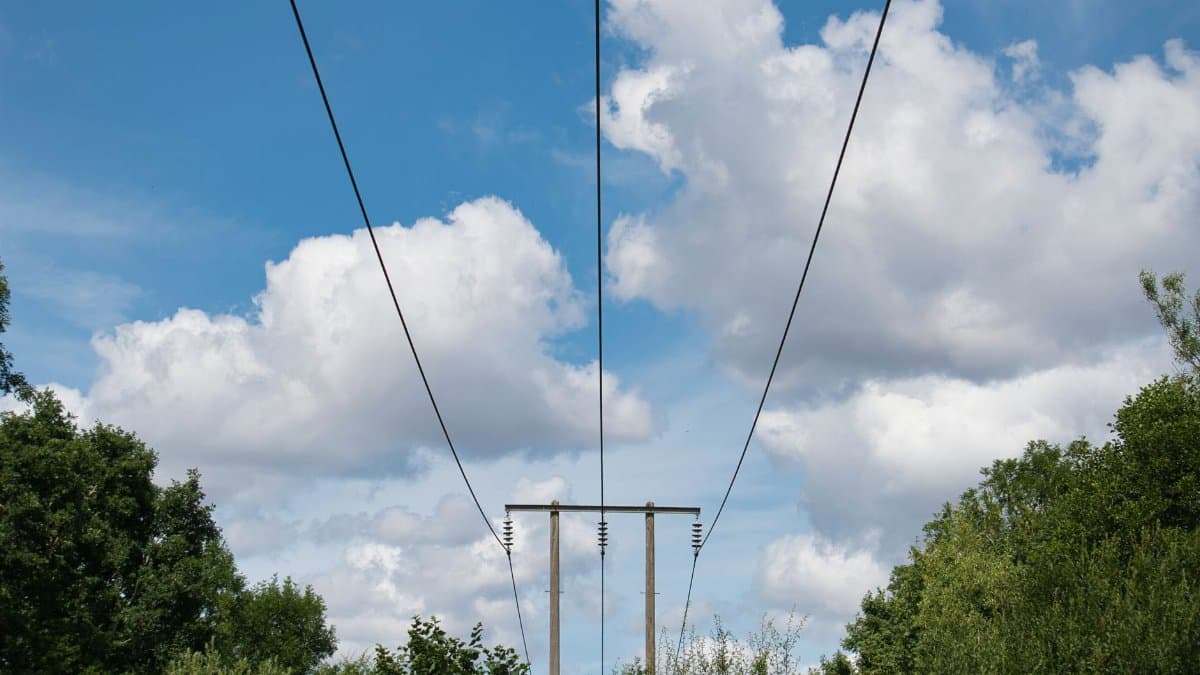
Much of the American distribution system still runs above ground, through yards and along roads lined with mature trees. In fair weather that looks like a civic compromise. In a tropical storm it looks like a wager. Isaias collected on the wager. Saturated soil let roots give way. Gusts that would not have topped a high rise were enough to drop an oak across three spans of wire.
Engineers have long argued that burying lines cuts outage time and raises construction cost. The argument is not abstract in a town that loses power every August. It is also not simple. Underground cable fails differently, costs more to repair, and does not solve flooding at the stations that feed it. Isaias did not settle the debate. It restated it in the language of bucket trucks and chainsaws.
The storm also exposed how restoration depends on geography. A rural mile with few customers can wait while a hospital circuit and a downtown feeder move first. That triage is rational and still feels brutal to the family at the end of the mile. Fairness and physics do not always share a schedule.
Crews working through heat and debris
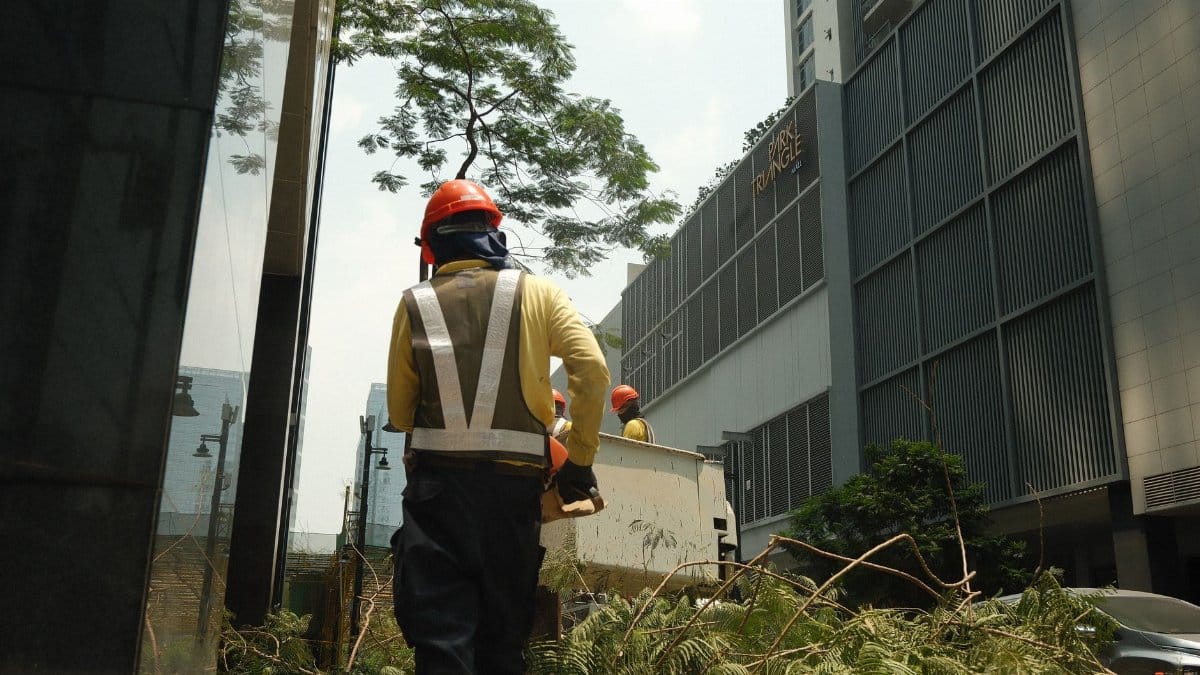
Restoration after a hurricane is a logistics problem dressed up as heroism, and the heroism is real. Lineworkers from other states rolled in under mutual aid agreements, sleeping in lots and cafeterias, climbing poles in humidity that did not care about the category. They could not start on every street at once. Roads had to be cleared. Damaged poles had to be set. Live wire had to be treated as live until proved otherwise.
Customers heard promises that slipped. A restoration window of 24 hours became 48, then a vague assurance that crews were in the area. Some of that slippage was poor communication. Some of it was the storm still producing damage while the first repairs were underway. A tornado in the afternoon can erase a morning of progress. Utilities that spoke plainly about uncertainty earned more trust than those that posted cheerful times they could not keep.
There is no clean way to describe this labor without noting the risk. Poles fail. Dogs guard yards. Traffic ignores dark intersections. The public sees the truck. It rarely sees the judgment call at the top of the pole, where a worker decides whether a span can be energized again or must be rebuilt from the ground.
Households counting hours in the dark
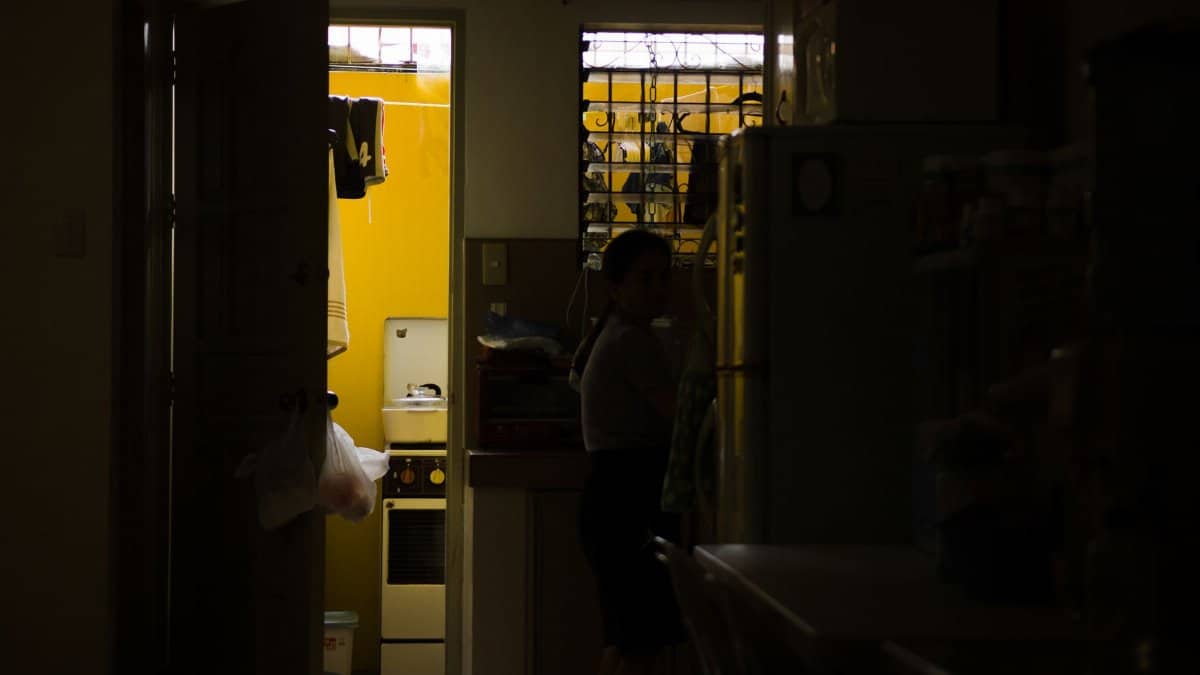
Inside houses, the storm became a domestic arithmetic. How long will the ice last. Which neighbor has a generator and enough fuel to share a cord. Who needs the insulin kept cold. Parents invented games for children who could not stream anything. Older residents sat near windows to catch a breeze and hoped a wellness check would come before the heat did.
Hurricane Isaias power outages landed in a year already bent by the pandemic. Cooling centers and charging stations had to think about distance between people. Shelters were not the simple refuge they had been in earlier decades. Some families stayed in dark homes rather than crowd into a gym. That choice was understandable and sometimes dangerous, especially for anyone who relied on powered medical equipment.
Money shaped the experience as it always does. A household with a generator, a full tank, and a relative nearby endured a bad weekend. A household without those things endured a small emergency that could turn medical. Outage statistics do not sort themselves by savings account. The people living them do.
Hospitals, shelters, and the burden of care

Hospitals plan for this. Backup generators, fuel contracts, and transfer protocols exist because a dark emergency room is not an acceptable outcome. During Isaias, facilities along the track leaned on those plans while also handling storm injuries, flooded roads, and staff who could not easily get home or back. A generator keeps the lights on. It does not shorten a commute through fallen trees.
Nursing homes and assisted living sites sat in a more fragile position. They need power for elevators, oxygen, and cooling, and they need staff who can arrive. Regulators have spent years writing rules after earlier disasters. Rules on paper meet mud on the road. The test is not whether a plan exists. The test is whether fuel arrives before the temperature in a hallway becomes the story.
Houses of worship and community halls, already used to opening doors after floods, became informal charging rooms and places to sit in some towns. That is not a substitute for a functioning grid. It is a reminder that care often shows up before the official truck does, and that spiritual communities, whatever their doctrine, still know how to boil water and lend a chair.
What earlier storms had already taught
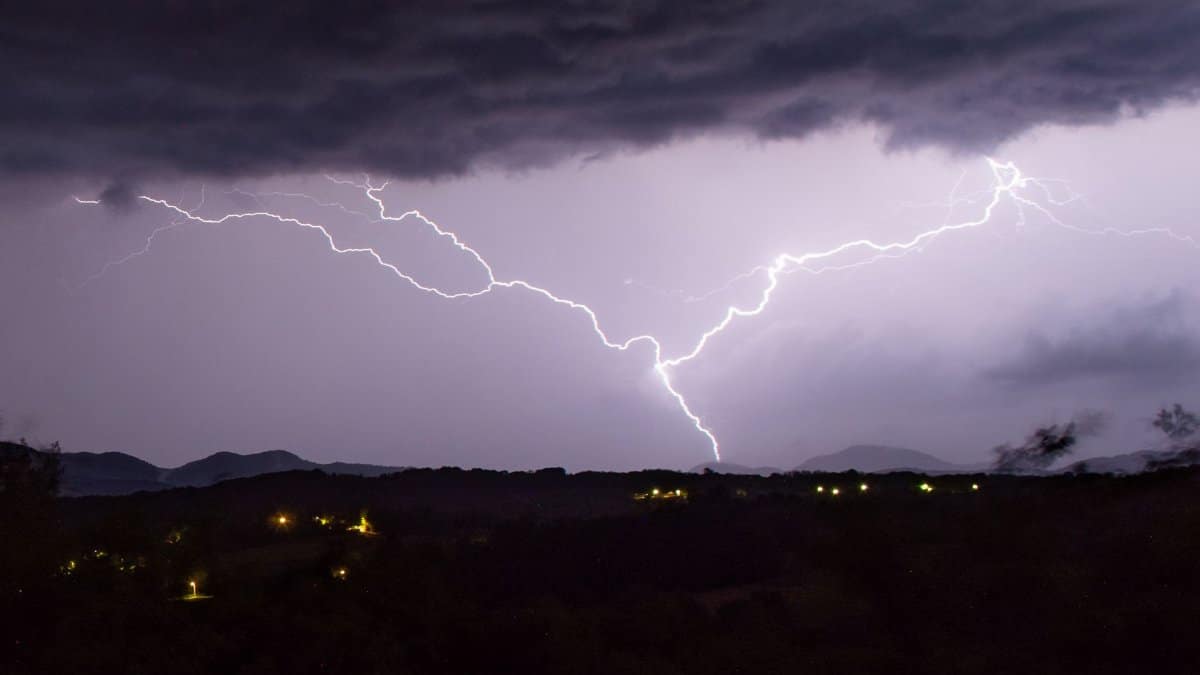
Isaias did not arrive in a country innocent of blackouts. Residents of the Northeast could still recall the long darkness after other windstorms and hurricanes, when restoration stretched past a week and politicians discovered the vocabulary of utility oversight. Florida had its own ledger of seasons when entire regions waited on mutual aid. Each event produces hearings, reports, and a promise to harden the system. Each event also produces a public that has heard the promise before.
The lesson is not that nothing improves. Vegetation management, smarter switches, and better outage communication have shortened some restorations. The lesson is that improvement is local and uneven, and that a fast moving tropical cyclone will find the county that deferred the tree work. Memory is a kind of infrastructure. Towns that rehearsed the last storm answered the next one with fewer surprises.
There is also a political memory. Governors declare emergencies. Legislators ask why rates rose and lights still failed. Customers want both lower bills and a grid that does not fold in an 85 mile per hour wind. Those desires are not hypocrisy. They are the ordinary contradiction of a system everyone uses and few want to pay to rebuild all at once.
The longer argument about resilience
After the buckets were stored and the maps turned green, the argument remained. Should more lines go underground in the most failure prone corridors. Should utilities face clearer penalties when communication fails even if the weather was extreme. Should backup power for medical needs be treated as a public obligation rather than a private purchase. Isaias did not invent these questions. It gave them fresh addresses.
Climate scientists have warned that a warmer ocean can feed wetter, more disruptive tropical systems, even when a given storm is not a Category 5. One hurricane is not a trend. A decade of costly outages is harder to dismiss as bad luck. Resilience, in this setting, is not a slogan. It is poles, tree crews, fuel contracts, and the unglamorous choice to spend money before the next name appears on the list.
Hurricane Isaias power outages will fade in the public mind, replaced by the next landfall and the next red county on a dashboard. What should not fade is the plain fact those outages revealed. The wind was the trigger. The darkness was a choice the country has been making, circuit by circuit, for a long time, and can still choose to revise.