

Is liking an Instagram photo the ultimate betrayal? Divorce lawyers across the U.S. say yes. In a stunning revelation dated February 8, 2026, these legal experts pinpoint “micro-cheating”—those subtle digital boundary crossings—as the leading culprit behind breakups this year. What starts as a simple like or follow can unravel marriages, turning everyday social media habits into grounds for divorce. As relationships navigate the digital age, these small acts pack a massive punch.
What Divorce Lawyers Are Revealing

Divorce attorneys, on the front lines of marital collapse, are sounding the alarm. They report a surge in cases where innocuous online interactions serve as the tipping point. Liking a photo on Instagram, once dismissed as harmless, now fuels accusations of emotional infidelity. These professionals see it daily: clients combing through partners’ feeds for evidence of disloyalty. The pattern is clear—digital footprints that betray trust without a single physical affair.
Defining Micro-Cheating
Micro-cheating captures those tiny, often overlooked violations of relationship boundaries in the online world. It’s not full-blown adultery but a series of small digital slips: a like here, a comment there, or lingering on someone else’s profile. Divorce lawyers emphasize that these acts erode intimacy over time. For more on the psychology behind it, see Psychology Today’s breakdown.
The Instagram Like as Betrayal

At the heart of this trend sits the Instagram like. Lawyers describe it as a public endorsement that signals interest beyond platonic. A spouse liking an ex’s vacation snap or a coworker’s gym selfie? That’s ammunition in court. These clicks create jealousy and doubt, proving how a thumb tap can ignite suspicion. In 2026, with social media ingrained in daily life, such actions hit harder than ever.
Small Digital Boundary Crossings Explained
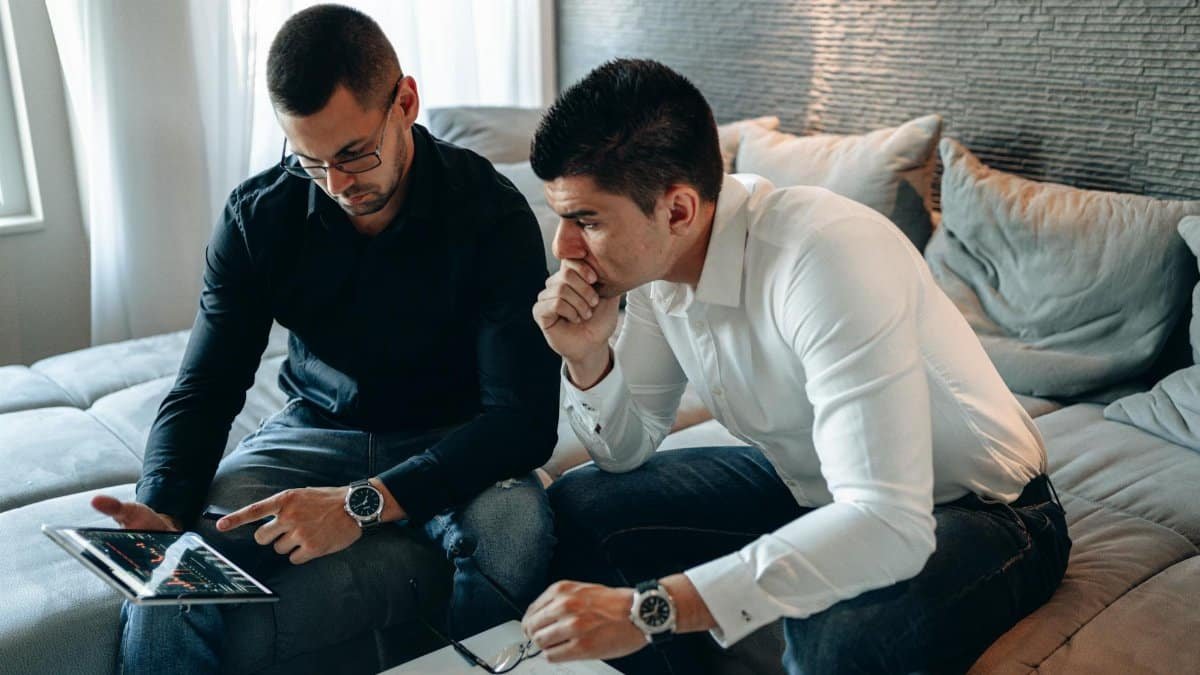
Boundary crossings come in shades of gray, all digital and deceptively minor. Lawyers highlight follows of attractive strangers, repeated views of stories, or even emoji reactions that flirt without words. These micro-acts accumulate, fostering secrecy and resentment. What one partner sees as casual scrolling, the other views as emotional wandering. The result? A slow poison to marital bonds.
Why It’s the Top Cause of Breakups
2026 data from divorce filings crowns micro-cheating as the number one breakup driver. Lawyers attribute this to heightened smartphone dependency post-pandemic. Couples, already strained, find digital temptations everywhere. Unlike overt cheating, micro-cheating leaves a paper trail—screenshots and notifications that make reconciliation tough. It’s pervasive, affecting millennials and Gen Z alike in committed relationships.
Impact on Modern Marriages
Marriages crumble under the weight of perceived digital disloyalty. Lawyers note clients feeling undervalued when partners engage online elsewhere. Trust fractures first, then communication, leading to irreparable rifts. In U.S. courts, these cases dominate dockets, with micro-cheating cited in petitions more than financial woes or incompatibility. The digital realm has redefined fidelity.
Navigating Boundaries in 2026
As breakups skyrocket, lawyers urge proactive talks on digital norms. What counts as a boundary for one couple might not for another. Setting rules early—like no likes on exes’ posts—can prevent escalation. Yet enforcement remains tricky in a hyper-connected world. For insights into spotting these behaviors, check Forbes’ analysis.
Lessons from the Lawyers’ Frontlines

Experienced divorce pros predict this trend will persist unless couples adapt. They advise transparency: share passwords if trust wanes, or limit app time. Micro-cheating thrives in silence, they say. By addressing these small crossings head-on, marriages stand a fighting chance. The February 8 alert underscores urgency—ignore at your peril, as 2026 breakups prove.
In the end, what was once a non-issue now dominates family law. Divorce lawyers’ verdict is unanimous: micro cheating destroys from within, one pixel at a time.