

On a late summer afternoon in Savage, the kind of light that flattens the Patuxent valley into one pale sheet, a county zoning file reached a conclusion neighbors had waited months to hear. Staff reviewers examined a complaint signed by 41 residents who said life beside a working stone operation had left houses marked by damage they tied to the site. The Savage Stone quarry ruling, as the decision is now being discussed in Howard County, found that complaint unfounded. A single administrative word does not erase worry on nearby streets. It does reset the official record.
What the county actually decided
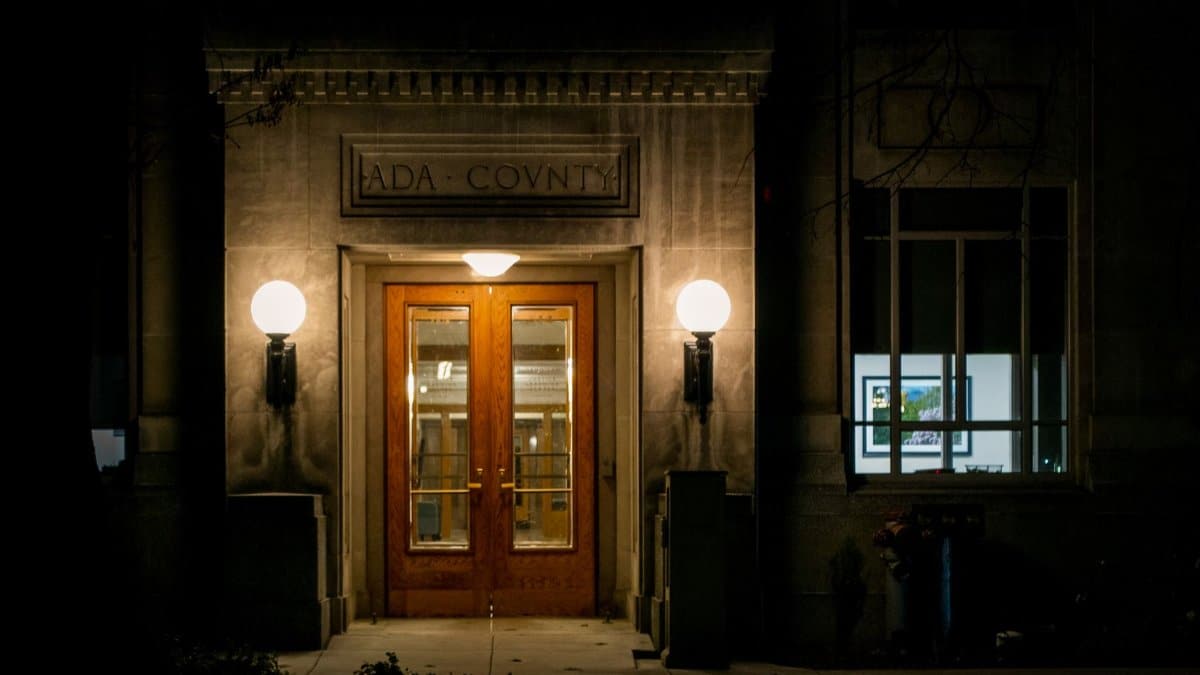
Howard County zoning staff rejected the complaint. The public framing, echoed in reporting by the Baltimore Sun, is plain: the allegations of property damage near the quarry did not meet the standard staff apply when they are asked to find a violation. Rejection is not a compliment to the operator and it is not a finding that every crack in every wall is imaginary. It is a statement that the file, as submitted and as reviewed, did not support the claim the way zoning law requires.
That distinction matters more than the headline temperature. Counties do not run science labs in every neighborhood dispute. They run permit files, inspection notes, and complaint procedures. When staff say a complaint is unfounded, they are closing a particular door. They are not writing a geology paper and they are not awarding damages in a courtroom.
Forty one names on one complaint

Forty one residents is not a whisper. In a place the size of Savage, that number suggests a shared story rather than one frustrated household. Collective complaints often form after people compare notes at kitchen tables, after someone photographs a fissure in drywall, after a truck route becomes the subject of group texts. The county still has to treat the packet as evidence, not as a poll.
Numbers persuade politicians. They do not, by themselves, persuade a zoning reviewer who is asked whether a specific operation broke a specific rule in a way that caused a specific harm. A thick stack of signatures can show intensity. Intensity and proof are different currencies. The Savage Stone quarry ruling turned on the second currency.
Property damage is easy to see and hard to pin
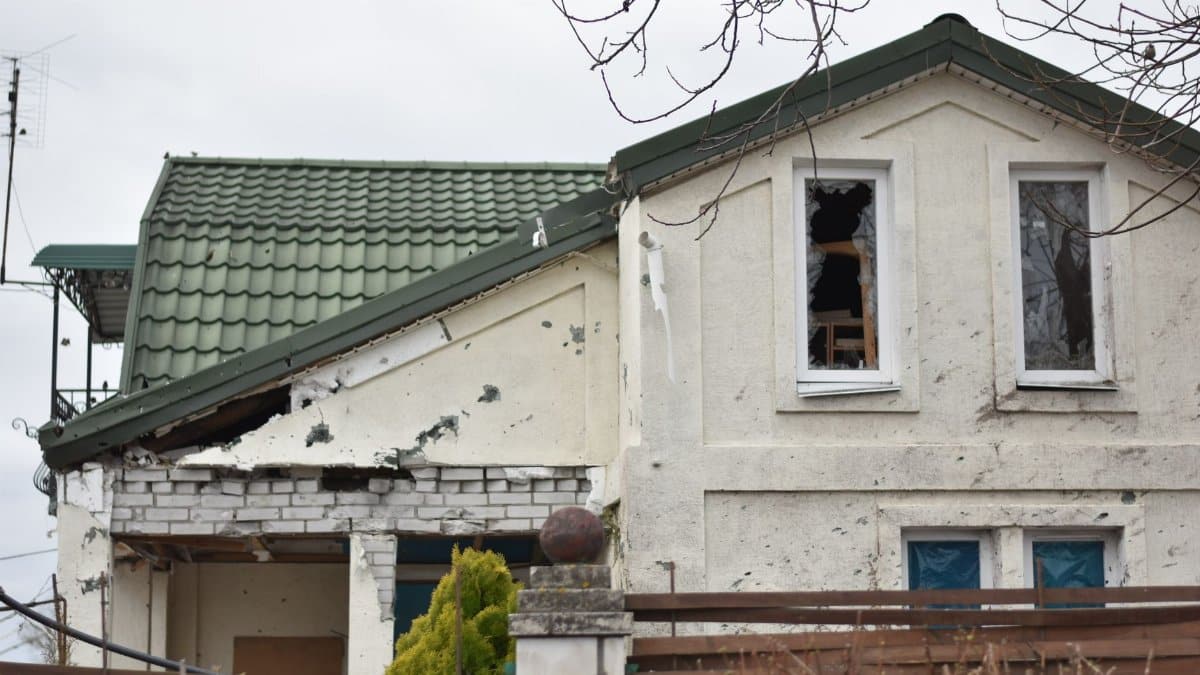
Houses age. Soils shift. Old plaster tells on itself. A quarry is an obvious suspect because it is loud, dusty, and impossible to ignore, and because neighbors can point at it from a porch. Suspicion is reasonable. Causation is a harder sentence to finish.
Staff reviewing a damage claim typically look for a chain: an activity that is regulated, a condition that violates the approval or the code, and a link between that condition and the harm described. Break any link and the complaint can fail even if the cracks are real. Residents often experience that outcome as dismissal. Administrators experience it as fidelity to a file that cannot carry a conclusion it does not support.
What unfounded means and what it does not

Unfounded is a blunt word. In ordinary speech it sounds like a rebuke, as if the people who signed were careless or theatrical. In zoning practice it usually means something narrower: the allegation was not established on the record before the reviewer. The county is not required to adopt the complainants theory of the case. The operator is not required to treat a rejected complaint as a public relations victory, though some will.
The phrase also does not freeze the future. A ruling on one complaint does not grant a permanent immunity from inspection, from a later complaint with better documentation, or from conditions already written into a special exception or a site plan. It closes this chapter. It does not burn the book.
Savage and the long neighbor of stone
Savage sits in a landscape that has been cut, hauled, and rebuilt for generations. Stone is not an abstraction there. It is employment, tax base, road bed, and also vibration, early trucks, and a skyline of equipment that does not match a brochure for riverside living. People who bought houses near an existing industrial use often discover that proximity was priced into the lot and then discover that price does not soothe a bedroom wall.
Land use arguments in Howard County have a familiar shape. Growth presses in from every direction. Older industrial sites remain because the region still needs aggregate, and because moving a quarry is not like moving a shop. The political task is to keep faith with both facts: the operation was there under rules, and the people beside it are not props in a zoning diagram.
How a zoning complaint is supposed to work

A resident, or a group of residents, files a description of what they believe is wrong. Staff decide whether the description points to a code section, a permit condition, or some other enforceable duty. They may visit, request records from the operator, or compare the claim with prior inspections. They write a determination. If the determination says the complaint is unfounded, the administrative path for that filing ends unless an appeal or a separate legal claim is available under county rules.
None of that is theatrical. It is clerical, technical, and slow, which is why it frustrates people who feel the harm every day. Process is the only tool a county has that does not depend on who shouts longest at a microphone. When process is opaque, though, even a careful no starts to look like a favor.
Evidence neighbors wish they had

People living near heavy industry often learn, too late, what a reviewer wants to see. Dates. Times. Photographs with context. A log of truck movements. A note from a structural engineer rather than a guess from a group chat. Measurements taken before and after a known event. Without that trail, a sincere account can still read as anecdote.
Building that trail is expensive and uneven. Households with money hire inspectors. Households without money rely on memory. A fair system would not pretend those starting points are equal. A lawful system still cannot invent a violation to balance the scales. The tension is the story, and it will outlast this file.
The operator after a favorable staff finding

A company that hears its neighbor complaint called unfounded has a choice about tone. It can treat the outcome as permission to go quiet, or it can treat it as a moment to show the monitoring it already claims to do. Quarries that last in tight suburbs usually do the second, not because a press release is required, but because the next complaint is already being drafted in someone mind.
Nothing in the public summary of this case requires the operator to concede damage it was not found to have caused. Nothing requires silence either. Communities remember whether a firm answered questions when it was winning.
Appeals, courts, and the limits of a staff memo

Zoning staff are not the last word in every dispute about a house. Private lawsuits over nuisance or property damage follow different rules, different burdens, and different clocks. Some residents pursue them. Many cannot afford to. A staff ruling can matter in those later fights because it shows what the county was willing to say, but it does not automatically decide a civil claim.
Readers should be careful not to inflate the Savage Stone quarry ruling into a judicial verdict. It is an administrative determination on a complaint. Courts, if anyone asks them, will have their own record. Mixing those forums is how rumors start and how trust frays.
Why the wording traveled

The Baltimore Sun account put a local zoning outcome into a wider conversation about how Howard County handles friction between homes and heavy uses. Headlines travel because people far from Savage recognize the pattern: a facility the region needs, a street that absorbs the cost, a county sentence that feels smaller than the feeling in the room.
Journalism serves that moment when it refuses to decorate a thin public record with invented quotes and invented blast logs. The known core is enough to argue about. Staff rejected a 41 resident complaint alleging property damage near the quarry. Howard County called the complaint unfounded. Everything else is inference, and inference should wear a label.
What residents can still ask for

A closed complaint is not a gag order. Neighbors can still request public records, attend hearings on any future modification of the site, and ask elected officials how often the operation is inspected and what those inspections found. They can document new events with dates and independent assessments if they believe harm continues. They can also ask, in public, for plainer explanations than a form letter, because legitimacy is partly a matter of being understood.
Officials can answer without reopening a finding they believe is correct. Clarity is not a concession. A short account of what was reviewed, what standard applied, and what would have changed the outcome would do more for civic peace than another round of competing adjectives.
A county that will see this pattern again

Howard County will not finish this kind of argument with one quarry file. Data centers, warehouses, road widenings, and older industrial sites all place noise and traffic beside bedrooms. Each case has its own permit. The habit of the county is what residents remember: whether complaints are read, whether unfounded is explained, whether operators are held to the conditions they already accepted.
If staff were right on the record, the ruling should stand. If the record was thin because the process is hard for ordinary people to use, the county has a design problem even when this particular answer was lawful. Both thoughts can be true. Holding only one of them is how these fights curdle.
Living with the word on the page

For the 41 households, the practical morning after is unchanged in the small ways that matter. The same trucks, the same horizon of equipment, the same glance at a wall. An administrative no does not patch plaster. It tells them the county will not, on this filing, treat the quarry as the proven cause.
For everyone else reading the Savage Stone quarry ruling from a distance, the useful lesson is modest. Local government decides complaints by files, not by sympathy alone, and sympathy is still part of what a decent county owes the people who took the time to sign. A ruling can be unfounded as a legal conclusion and still leave a neighborhood convinced it was unheard. Closing that gap is slower work than closing a case, and it is the work that remains.