

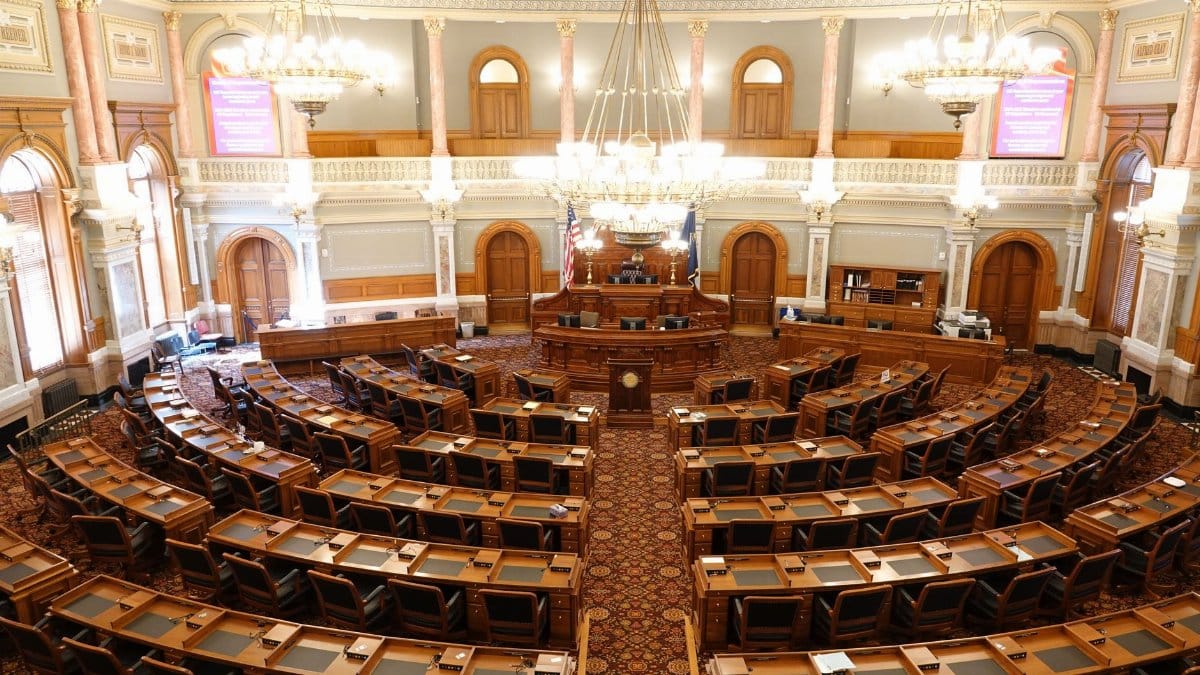
In the marble corridors of the Senate, Republican lawmakers gathered with anticipation only to learn that President Trump had decided against signing a long planned housing measure. The Trump Housing Bill Cancellation arrived without warning, turning what was meant to be a moment of legislative progress into an episode of bewilderment and quiet anger among his own party members. Observers noted that the abrupt shift underscored ongoing tensions between the White House and Capitol Hill, where even routine agreements now seem subject to sudden reversal. This development has prompted renewed questions about how housing policy will move forward amid such unpredictability.
Republican Lawmakers Express Surprise

Several senators who had worked on the measure described the cancellation as unexpected and poorly communicated. They had prepared statements and coordinated with staff only to receive last minute notifications that the event was off. The lack of advance notice left many feeling sidelined in their own chamber, highlighting fractures that have widened in recent months. Discussions in private meetings turned to whether future collaborations with the administration could proceed without similar disruptions.
Details Behind the Housing Measure

The bill aimed to expand access to affordable units through targeted tax incentives and streamlined permitting processes across states. Proponents argued it would address shortages that have driven up costs in both urban centers and rural communities. With provisions designed to encourage private investment, the legislation represented months of negotiation across party lines before the cancellation halted its advance.
Effects on Broader Housing Markets

Analysts suggest that delays from the Trump Housing Bill Cancellation could slow construction starts in key regions where demand continues to outpace supply. Builders who counted on the new incentives now face uncertainty about project timelines and financing. Families seeking stable residences may encounter prolonged waits as local governments reassess their own plans without federal support materializing on schedule.
Historical Patterns of Legislative Reversals
Similar last minute changes have occurred during prior administrations when priorities shifted due to political calculations or external events. Yet the frequency of such moves in the current term has drawn attention from veteran observers who recall more predictable rhythms in earlier decades. These patterns raise concerns about institutional stability when major initiatives can be set aside without extensive consultation.
Public Response Across Regions

Residents in high cost areas voiced frustration through local forums and calls to representatives, emphasizing how stalled legislation affects everyday decisions about where to live and work. Community organizations that had advocated for the bill now redirect efforts toward state level solutions. The episode has fueled conversations about voter expectations heading into upcoming elections.
Economic Considerations at Stake

Broader growth indicators tied to housing activity may feel the ripple effects as investment decisions pause amid the uncertainty. Sectors ranging from manufacturing of building materials to real estate services monitor developments closely. Economists note that consistent policy signals help sustain momentum, while abrupt shifts can dampen confidence across related industries.
Paths Forward for Future Legislation

With the Trump Housing Bill Cancellation now behind them, congressional leaders explore alternative routes to advance comparable provisions through revised drafts or separate vehicles. Bipartisan working groups continue meeting to identify areas of common ground that might withstand further changes. The focus remains on crafting approaches resilient enough to survive the current environment.
Administration Perspective on the Decision

Officials close to the president cited evolving priorities and the need for additional review before committing to the measure. They emphasized that housing remains an important area but requires adjustments to align with overall goals. This stance has done little to ease concerns among those who had already invested significant effort in the original proposal.