
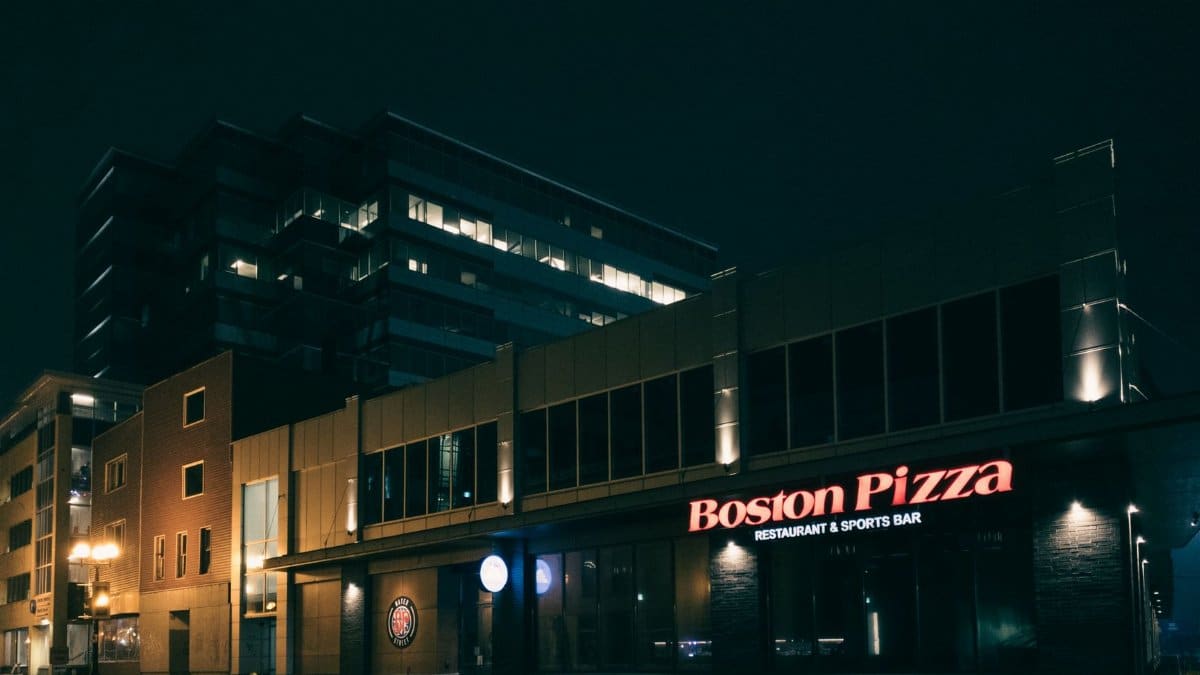
On a gray Thursday in the North End, the line outside a small storefront moved with the patience of people who already knew the slice they wanted. Steam fogged the glass. A teenager counted pieces on his fingers while his father checked the time. I had come for an assignment that sounds simpler than it is, the search our desk filed under Best pizza Boston Starting Point, a label that began as a newsletter slug and turned into a dare. Greater Boston does not lack pizza. It lacks agreement. The job was to eat with intention, keep notes, and leave readers a map rather than a sidewalk verdict.
Why a filing label became the whole story

Newsletters live on repetition. A reader opens the same letter on the same morning and expects a voice that remembers last week. Food, oddly, fits that rhythm. People do not want a single thunderclap ranking so much as a companion who has done the walking. Best pizza Boston Starting Point stuck because it named the humility of the project. We were not inventing Boston pizza. We were choosing a door, then another door, then asking what a fair comparison even looks like when one pie is eaten standing up at noon and another arrives at a table after dark.
The phrase also kept us honest about geography. Boston proper is not the whole appetite. Cambridge, Somerville, the South Shore, and the inner suburbs all claim a style and a memory. A starting point admits that the first bite is not the last word. It is the place where argument becomes legible.
Twelve pies and a notebook that got greasy
The frame was twelve essential pies across Greater Boston, chosen not as a closed canon but as a spread wide enough to test our prejudices. Some stops were famous enough that skipping them would have looked like sulking. Others were quieter rooms where the regulars barely looked up. We set a few rules before the first box opened. Order the pie the house is known for, not the one designed to impress a visitor. Eat it as served, hot when it is meant to be hot, and again after a few minutes when the cheese settles. Write down what the crust does, not what we hoped it would do.
Caloric is not a metaphor here. Twelve pies in a compressed stretch of days is a physical fact. Jackets smelled like oregano. Coffee stopped tasting like coffee. The newsletter could joke about that without pretending the joke was the point. Attention is harder to keep when you are full, which is exactly why a method matters.
What we refused to call a science
Pizza invites fake precision. Stars, decimals, and secret rubrics make a ranking look braver than it is. We kept categories in plain language instead. Crust: does it carry the slice or collapse into a hinge. Sauce: is it a seasoning or a puddle. Cheese: does it stretch, brown, or merely cover. Salt: is it present on purpose. Heat: did the oven leave a mark you can taste, or only a story the menu tells. None of those questions produces a number that survives an argument at a dinner table, and that is fine. Readers can feel a dodge. They can also feel a bluff.
We compared notes in the car and again the next morning, when memory had cooled. If two of us disagreed, the disagreement stayed in the piece. Forced consensus is how food writing starts to sound like a brochure.
Crust is where the city shows its temper
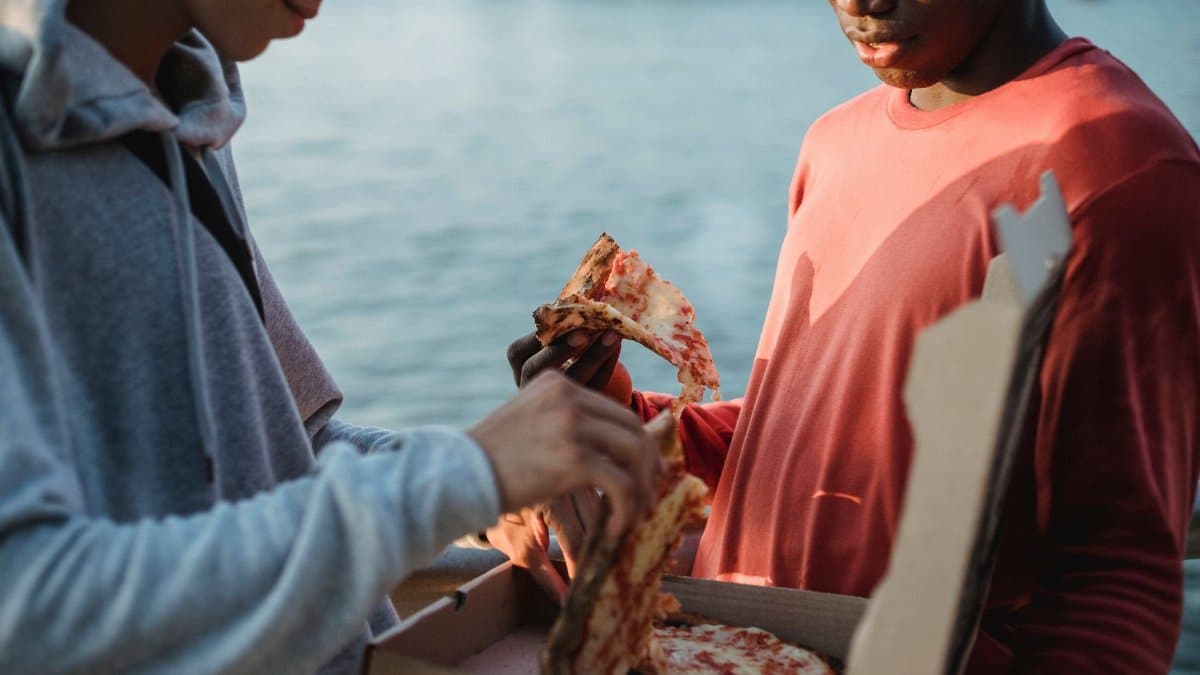
Ask ten Boston eaters what makes a pie serious and most of them will talk about crust before they talk about toppings. That instinct is right, and it is also incomplete. A thin, blistered round from a very hot oven can be thrilling and still taste like nothing once the theater fades. A softer, paler crust can seem modest and then prove it was built to hold sauce that actually tastes like tomatoes. The search kept returning to structure. Could you fold a slice without a lawsuit against your shirt. Did the underside taste of grain and heat, or only of oil.
Style names got in the way as often as they helped. New York style, tavern style, Neapolitan, Sicilian, Greek influenced pans, the square slices that define certain afternoons: each label arrives with a fan club. We used the labels as maps, not as verdicts. A pie can be faithful to a tradition and still be dull. It can break a rule and still be the thing you want on a cold walk home.
Sauce, cheese, and the virtue of restraint
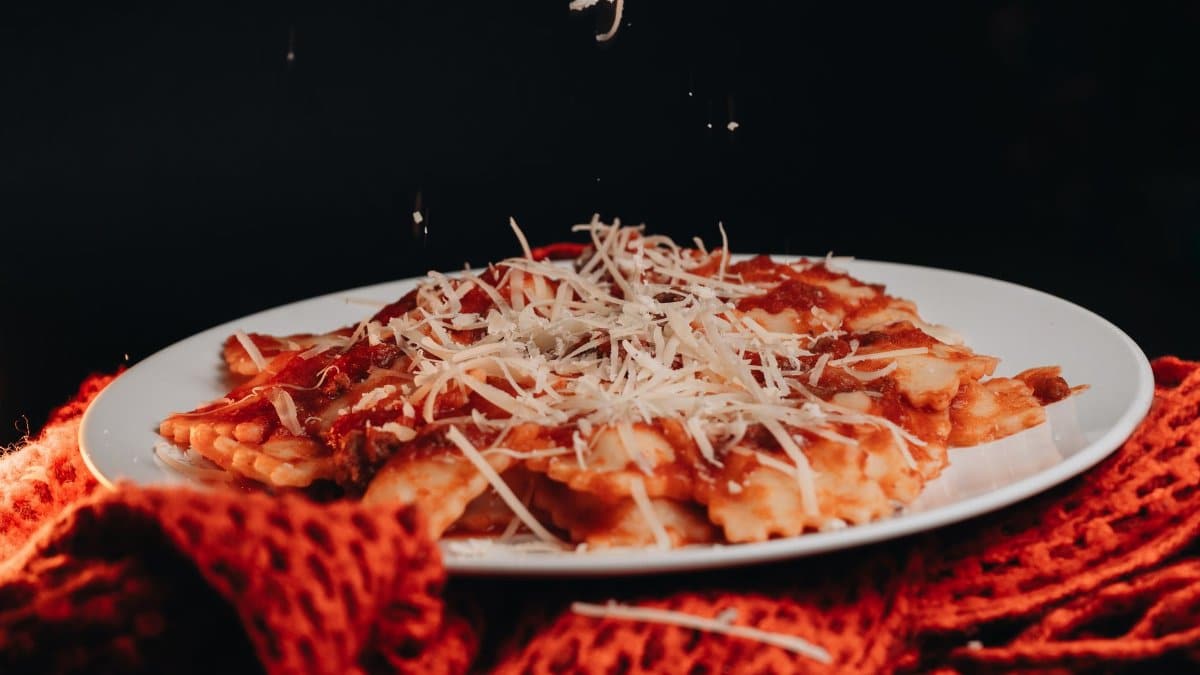
The pies that lingered were rarely the loudest. Too much cheese can bully a crust into silence. Too much sugar in the sauce can make a slice taste like dessert that lost its way. We started noticing absence as a skill. A spare scatter of oregano. A rim left almost bare so you taste baked dough before you taste topping. Fresh mozzarella that does not drown the slice, or a drier cheese that browns into something nutty. These are small decisions, repeated every service, and they separate a kitchen that is paying attention from a kitchen that is filling an order.
Toppings were a trap we tried not to fall into. Pepperoni can be wonderful and still tell you little about the pie underneath. When we did order them, we treated them as a stress test. Does the base survive the salt and fat, or does everything collapse into one orange note.
Neighborhoods that will not share a crown

The North End carries the myth, and myths are not useless. They pull cooks toward a standard and pull visitors toward a street where pizza is not an afterthought. They also flatten the rest of the map. East Boston, the South End, Allston, fields of triple deckers where a corner shop has fed the same families for decades: those rooms belong in any honest account. So do the university corridors, where a late slice is less a pilgrimage than a rescue.
Driving between them clarified the assignment. Traffic is part of the flavor, whether we like it or not. A pie that must travel twenty minutes in a box is a different object from a pie eaten at the counter. We noted both, and we did not scold readers for living where they live. Best pizza Boston Starting Point was never a command to cross the river at rush hour. It was a reminder that your nearest excellent pie might not be the one with the longest line.
The South Shore and the bar pizza pull
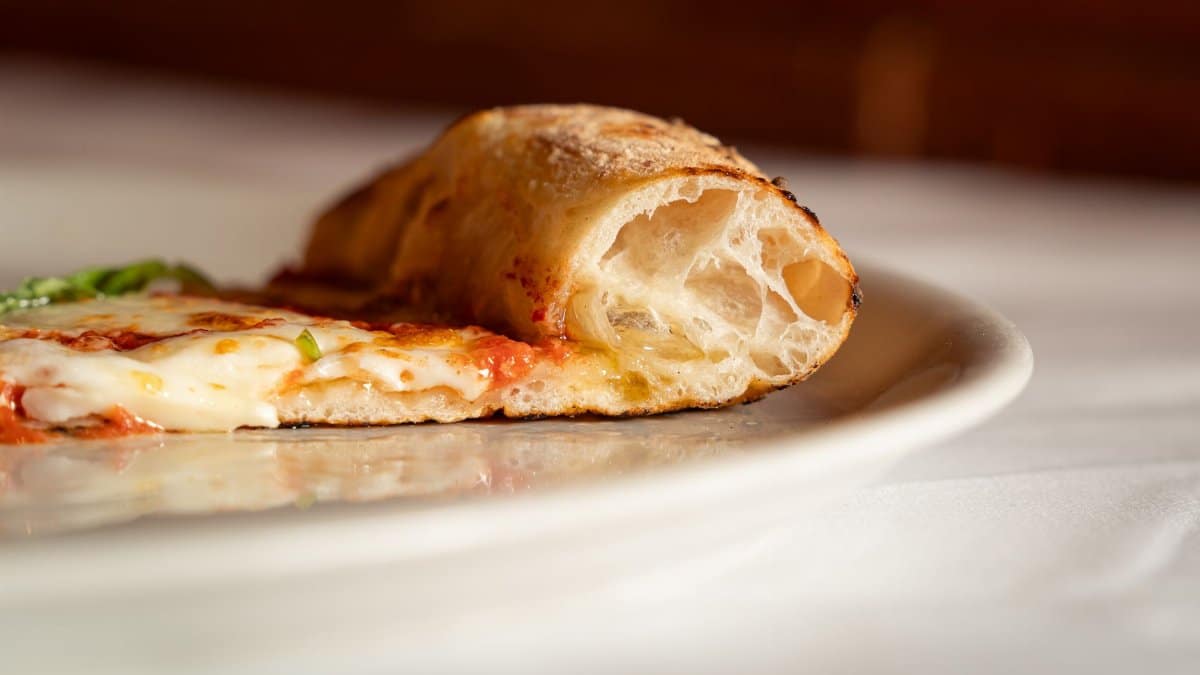
South of the city, bar pizza exerts a gravity that downtown rankings often miss. Small rounds, crisp edges, cheese pushed to the rim, a setting that is as much tavern as restaurant: this is a regional language, spoken fluently in rooms that do not need Boston’s permission. Ignoring it would have made the newsletter a provincial document about one downtown mood. Including it forced a harder question. Are we ranking dishes, or are we ranking evenings.
A bar pie eaten with a cold drink among people who came for the game is not trying to be a white tablecloth ceremony. Judge it as a ceremony and you will miss what it does well. Judge every North End pie as bar food and you will miss the opposite virtue, the sense that someone built a dough with a specific oven in mind. The twelve stops had to hold both ideas without sanding them into one bland superlative.
Ovens, timing, and the luck of the hour
An oven is a personality with a temperature. Coal, gas, wood, electric decks: the fuel is not a moral category. What matters is whether the kitchen understands the tool it owns. We ate pies that were brilliant at 6 p.m. and tired at 8, and pies that improved once the oven was fully awake. Publishing a single visit as eternal truth would have been a kind of fraud. So the notes included the hour, the wait, and whether the slice was the first out of a fresh pie or the last of a tray under a heat lamp.
Luck is part of reporting, and pretending otherwise makes the prose stiff. One afternoon a baker sent an extra slice because the first had been cut too thin. Another night the restaurant was so slammed that sauce and cheese never had a chance to meet as equals. We said so. Readers who cook, or who simply eat often, already know that restaurants are living systems, not museums.
How the argument traveled after we published
The letters arrived faster than the leftovers disappeared. Some readers sent the name of a shop we had never entered, with the tender outrage of people defending a family ritual. Others argued about cheese blends as if a treaty were at stake. A few thanked us for refusing a single winner. That last response mattered. A newsletter can chase clicks with a crown, or it can trust adults to enjoy a reasoned shortlist. We chose the shortlist, and we kept Best pizza Boston Starting Point in the subject line so nobody would mistake the package for a final judgment carved in marble.
Argument, handled cleanly, is a form of care. People who write in about pizza are often writing about a parent, a first apartment, a Friday that still organizes their week. The food is the excuse. The loyalty is the subject.
What the body remembers that the ranking forgets

By the last stop, adjectives had worn thin. Excellent, balanced, and crisp started to look like furniture. What remained were scenes. Flour on a wrist. A server who knew which regular wanted the pie well done without being asked. A child negotiating for the corner piece with the seriousness of a diplomat. These details do not decide a champion, but they explain why the search felt worth the calories. Pizza is ordinary on purpose. Its ordinariness is how it gets into a life.
I kept one note that never made the scoring grid. On a side street after a long service, a cook ate a slice standing up, eyes half closed, as if checking that the thing he had made all night was still the thing he would want. That private test is stricter than any newsletter rubric. If the person who baked it still wants it, you are probably in the right room.
A map you can actually use
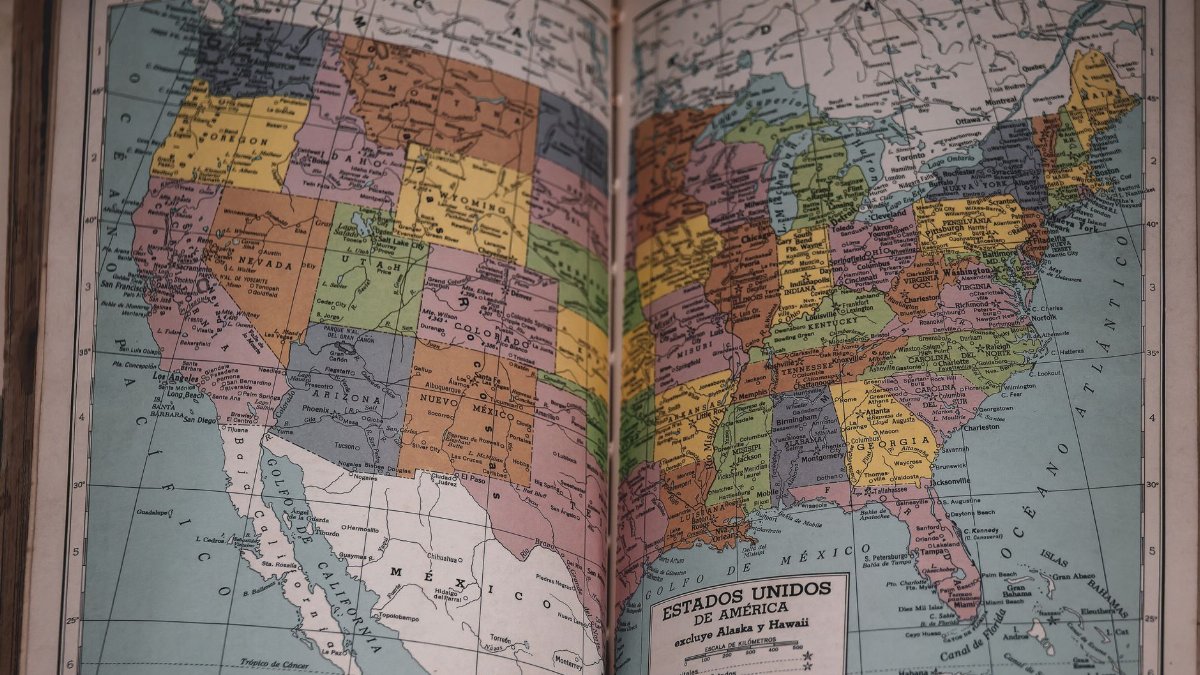
So what did we find. Not a monarch. A spread of pies that earn the trip for different reasons, and a method readers can steal. Start with the house pie. Notice the crust after the first dramatic bite. Ask whether you would return on a Tuesday, not only on a birthday. Give the South Shore its own chapter. Give the North End its due without letting it annex the region. Leave room for the shop your cousin swears by, because cousins are sometimes right.
Best pizza Boston Starting Point remains the useful phrase, even after the eating is done. It tells a newcomer where the conversation begins, and it tells a lifelong resident that the conversation is allowed to continue. The newsletter can point to twelve pies and describe what each one does well. It cannot eat for you, and it should not pretend your Tuesday is our Thursday. The best next step is local and specific: pick a room, order the pie they respect, and pay attention before you pay the check.
The starting point, kept on purpose
We could have ended with a winner’s name in large type. It would have traveled farther and aged worse. Kitchens change. Ovens get rebuilt. A beloved baker retires, and the pie that organized a neighborhood becomes a memory with the same address. A starting point ages better than a coronation. It invites the next letter, the next correction, the next greasy notebook.
That is the spirit in which the search should be read. Come hungry. Come skeptical. Leave with one address you trust and one argument you are willing to have in good faith. If the slice is honest, the rest of the week can arrange itself around it. If it is not, the map is large, and Best pizza Boston Starting Point was never meant to be a fence. It was meant to be a door.