

In classrooms and living rooms across the country parents watch their children hesitate before simple tasks that once seemed routine. Screens deliver quick answers while adults often step in at the first sign of struggle. These patterns leave many young people unsure of their own abilities. Raising Capable Kids means shifting away from constant rescue and toward steady opportunities for growth that build lasting confidence.
Recognizing Signs of Overprotection

Many families notice children waiting for directions even when options are clear. This habit forms when adults handle every obstacle from forgotten lunches to minor disagreements. Over time young people learn to pause rather than attempt solutions on their own.
Allowing Age Appropriate Risks

Small challenges such as walking to a nearby store or managing a weekend plan help children test their judgment. Success or small setbacks both teach valuable lessons about limits and persistence. Parents who step back during these moments often see greater willingness to try again later.
Teaching Problem Solving Through Daily Tasks

Household routines offer repeated chances to practice thinking ahead. Preparing a meal or fixing a broken item requires planning and patience. When adults resist the urge to correct every misstep children discover methods that work for them.
Building Resilience After Setbacks
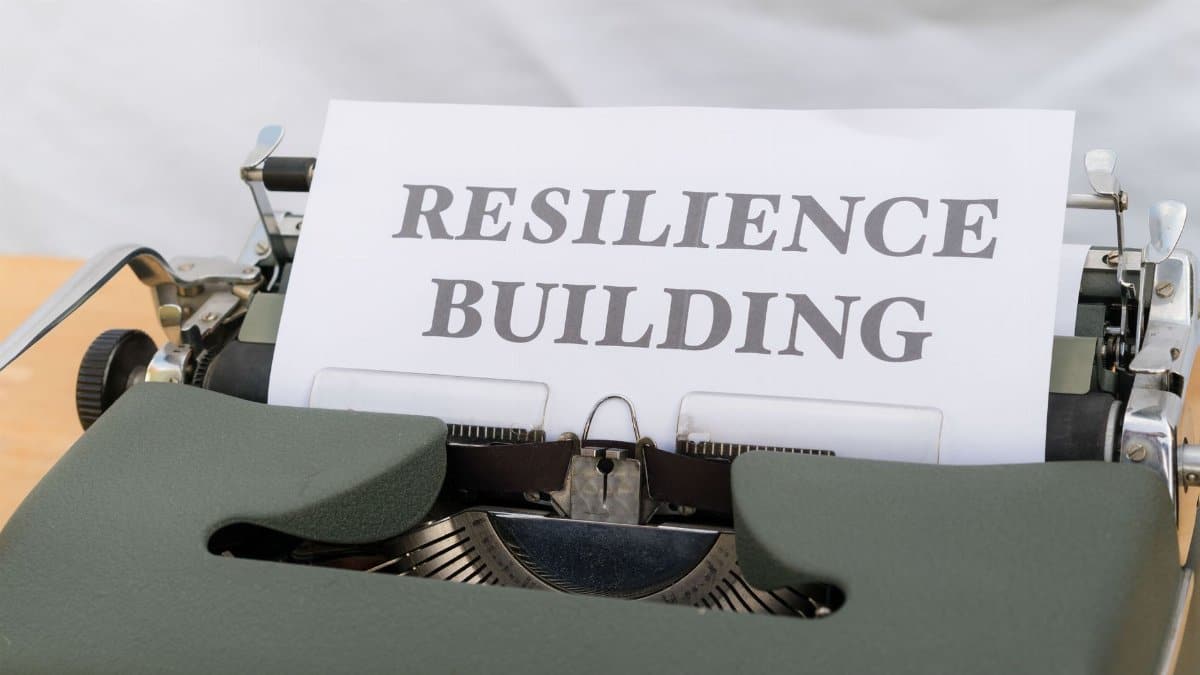
Disappointment arrives in many forms from a poor grade to a lost game. Rather than framing every loss as unfair adults can ask what the child might try next time. This approach turns frustration into information that supports future efforts.
Encouraging Real World Contributions

Tasks that matter to others such as caring for a neighbor or organizing a community event show children their actions hold weight. These experiences differ from school assignments because results affect people directly. The sense of usefulness grows stronger with each completed effort.
Modeling Steady Confidence

Adults reveal their own problem solving when they talk through choices aloud. Children observe how patience and persistence work in practice. Quiet demonstrations often prove more effective than lectures about capability.
Supporting Social Navigation Skills

Friendships bring questions about fairness and inclusion that no adult can settle in advance. When parents listen without fixing every conflict children learn to read social cues and adjust their responses. These skills transfer into later work and community settings.
Balancing Guidance With Space

Clear expectations remain important yet room for personal decisions matters just as much. Families that discuss boundaries together find children accept limits more readily. The goal is steady support rather than control at every turn.
Observing Long Term Growth

Changes appear gradually through increased willingness to attempt unfamiliar activities. Parents who track these moments without constant commentary notice deeper self trust forming over months and years. The process rewards patience on all sides.