

The morning can look almost gentle in Houston, with a pale sky and little wind, and still leave a person rubbing their eyes before coffee is finished. Neighbors compare notes in driveways. Children come home from school with scratchy throats. Behind those small complaints sits a larger pattern: warm afternoons, dry ground, and plants that have not yet finished their season. The Houston pollen forecast has been pointing to elevated levels, especially from ragweed, sagebrush, and elm, and the next few days do not look like a clean break. For a city that already knows humidity, this is a different kind of weather story, one measured in sneezes rather than inches of rain.
A clear sky that still bothers the nose

People often treat blue sky as a promise of easy breathing. In pollen season that promise fails. Sun and dry air do not wash grains out of the atmosphere the way a soaking rain can. They let them travel. On a still morning the particles settle on cars, porch rails, and windowsills. By afternoon a light breeze lifts them again. The result is a day that photographs well and feels worse than it looks.
That gap between appearance and sensation is why so many residents distrust their own judgment. A commute along the gulf freeway can seem ordinary until the air conditioner pulls in a faint sweetness and the eyes start to water. Offices fill with tissues. Pharmacies see the same faces they saw last week. The weather has not turned dramatic. It has simply stayed friendly to the plants that are still releasing pollen.
What warm and dry days do to the count
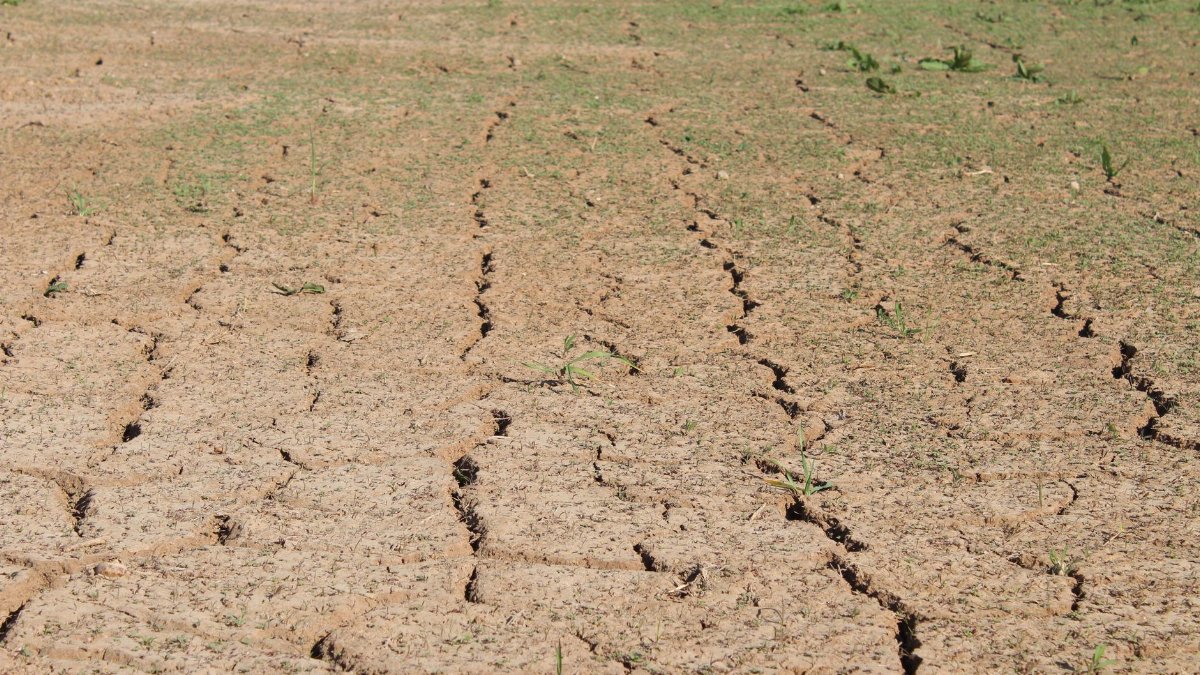
Forecasters watching Houston this stretch have described a familiar setup. Temperatures run warm. Rain chances stay limited. Soil dries at the surface. Those conditions favor continued release from weeds and from trees that have not fully shut down. Ragweed is the classic late season culprit across much of the country, and Houston is no exception. Sagebrush adds another weedy signal. Elm, a tree many people associate with earlier months, can still show up in local counts when the calendar and the climate refuse to move in lockstep.
The Houston Chronicle forecast coverage has framed the outlook in plain terms: warm, dry weather is expected to keep levels elevated from those three sources. That is not a guarantee of a record day. It is a warning that relief may be delayed. Without a solid rain to knock grains to the ground, each sunny afternoon can restart the cycle.
Ragweed, sagebrush, and elm in one city
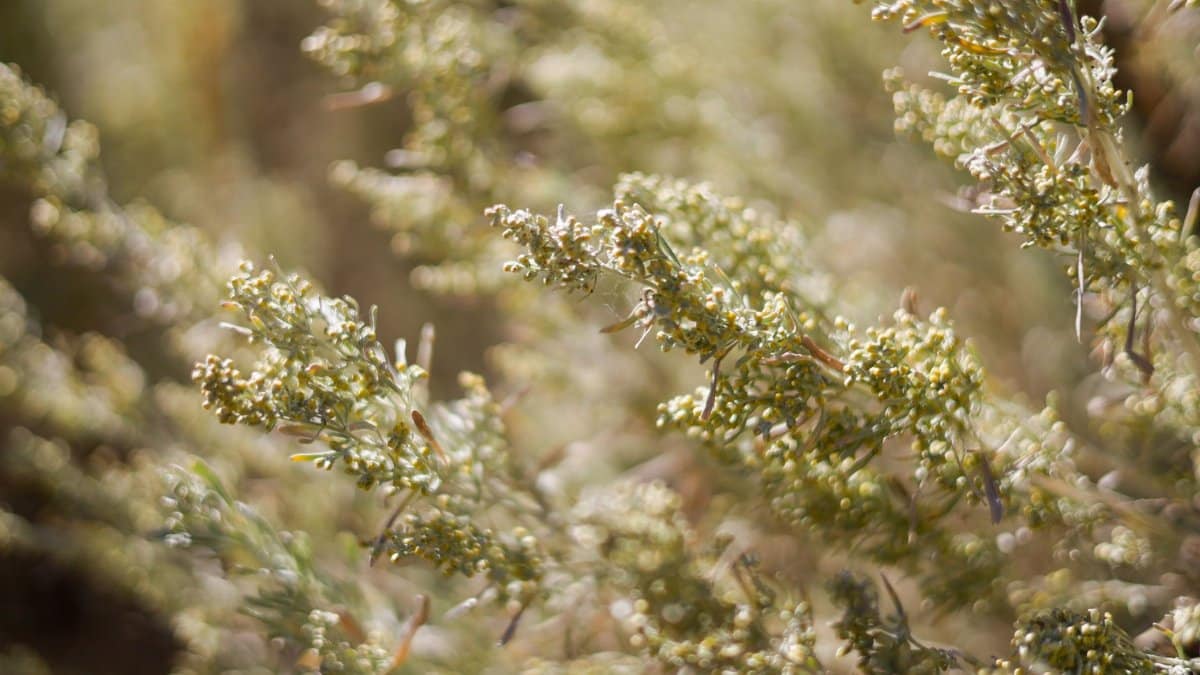
Ragweed does not need a dramatic landscape. It thrives in disturbed soil, along roads, in vacant lots, and at the edge of ball fields. A single plant can release an enormous amount of pollen, and the grains are light enough to ride the wind for miles. You do not have to live beside a weedy ditch to feel it. Sagebrush belongs to the same broad family of wind pollinated plants that bother people who never garden. Elm is different in form, a tree rather than a weed, but the effect on a sensitive immune system can be similar: itchy eyes, a runny nose, a cough that is not quite a cold.
Houston’s plant mix is generous. Live oaks get the headlines in spring. Grasses take their turn. Weeds close the year. When elm lingers alongside ragweed and sagebrush, the season blurs. Residents who thought they were finished with tree pollen discover they are not. The Houston pollen forecast matters in weeks like this because the cast of plants is mixed, and a single “high” reading can hide more than one culprit.
How to read a forecast without treating it as fate

A pollen outlook is a guide, not a verdict on your afternoon. Counts are often taken at a limited number of stations and then interpreted for a wide metro area. A reading in one part of Harris County may not match a backyard in Pearland or a schoolyard in Katy. Wind direction, recent mowing, and even a neighbor’s uncut lot can change what you breathe on a given block.
Still, the pattern is useful. If the Houston pollen forecast stays elevated for several days, planning beats hope. People who know their triggers can shift a long walk to early morning, when counts are often lower, or to the period just after a real rain, if one arrives. They can close windows during the windiest hours. They can treat the number as a prompt to start medicine before symptoms peak, which is usually more effective than chasing misery after it arrives.
Public guidance from the American Academy of Allergy, Asthma and Immunology makes a related point in general terms: warm, dry, and breezy weather tends to raise outdoor allergen exposure, while rain can temporarily lower it. That is the logic behind this week’s concern. The academy’s materials are worth reading if you want the mechanism without the local color.
Who feels this stretch the hardest

Not every Houstonian will notice. Some immune systems ignore ragweed entirely. Others react to a trace. Asthma changes the stakes. For a person whose airways already tighten, a high pollen day is not a nuisance. It can mean skipped practices, a tighter chest at night, or a rescue inhaler that gets more use than usual. Children may not have the words for what they feel. They rub their noses, sleep poorly, and seem irritable in class. Older adults sometimes mistake allergy symptoms for a lingering cold and wait too long to adjust treatment.
Outdoor workers carry a special burden. Landscapers, construction crews, crossing guards, and youth coaches spend hours in the same air that office workers only meet at lunch. A dry week is good for a job site and hard on a sinus. The polite advice to stay indoors is not available to everyone. For those readers, the practical question is not whether to avoid the outdoors. It is how to reduce the dose.
Steps that reduce exposure without rearranging a life

Small habits add up. Showering after time outside rinses grains from hair and skin before they migrate to a pillow. Changing clothes at the door keeps a day’s worth of pollen off the couch. A high efficiency filter in a home system, replaced on schedule, does more than a scented candle ever will. Keeping windows shut on the worst afternoons is dull advice and still one of the best.
Masks are not only a pandemic memory. A well fitted mask can cut the amount of pollen that reaches the nose during yard work. Sunglasses limit the grains that land on the eyes. Pets that roam the yard bring pollen inside on their coats. A quick wipe at the door is not fussy. It is housekeeping with a medical purpose.
Medication is a personal decision best made with a clinician or a pharmacist who knows your history. Many people do well with non drowsy antihistamines or with nasal steroid sprays started before the peak, not after. Over the counter does not mean risk free, especially for people with high blood pressure, glaucoma, or other conditions. The point of a forecast is timing. If you already have a plan that works, this is the week to use it early.
Rain, wind, and the hours that matter
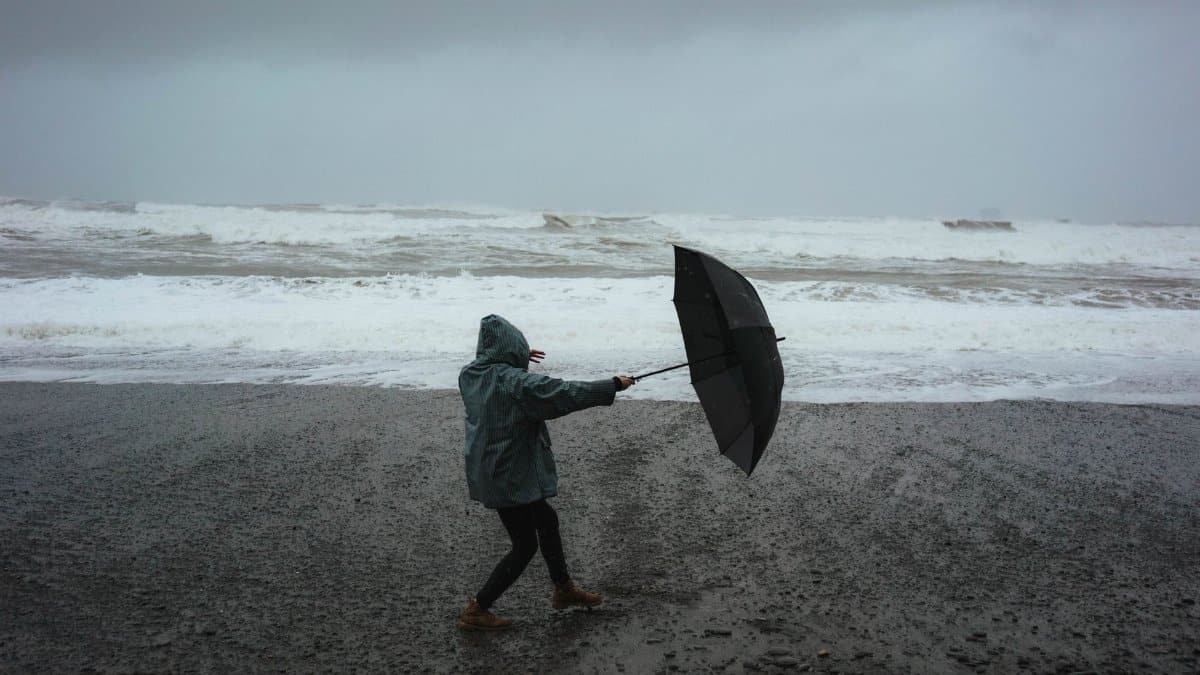
A brief sprinkle is not the same as a washing rain. Light moisture can sometimes burst grains and briefly worsen symptoms, a quirk that surprises people who expected instant relief. A steady rain is more likely to clear the air, at least until plants dry and release again. Wind is the other variable. A gusty afternoon after a dry morning is often the hardest window of the day.
That is why hourly attention beats a single morning glance. The Houston pollen forecast, read alongside a regular weather outlook, tells you when to schedule the soccer game, the open house, or the long bike ride. If thunder is in the picture later in the week, symptoms may ease for a day and then return. Seasons in this climate rarely end on a tidy date. They fade, surge, and fade again.
When symptoms stop being ordinary

Most allergy discomfort is miserable and still manageable at home. Some signs deserve a call to a doctor or urgent care. Wheezing that does not settle, shortness of breath, swelling of the lips or face, or a fever that suggests infection rather than pollen are not things to wait out. People with known asthma should follow the action plan they already have, and seek care if peak flow drops or rescue medicine is not enough.
It is also reasonable to ask whether this is allergy at all. A cold, a sinus infection, and even poor indoor air from mold can mimic ragweed. If symptoms last well beyond the dry spell, or if they arrive with facial pain and thick discharge, a clinician can sort the difference. Guessing for weeks is how a simple problem becomes a larger one.
A city that measures weather in sneezes
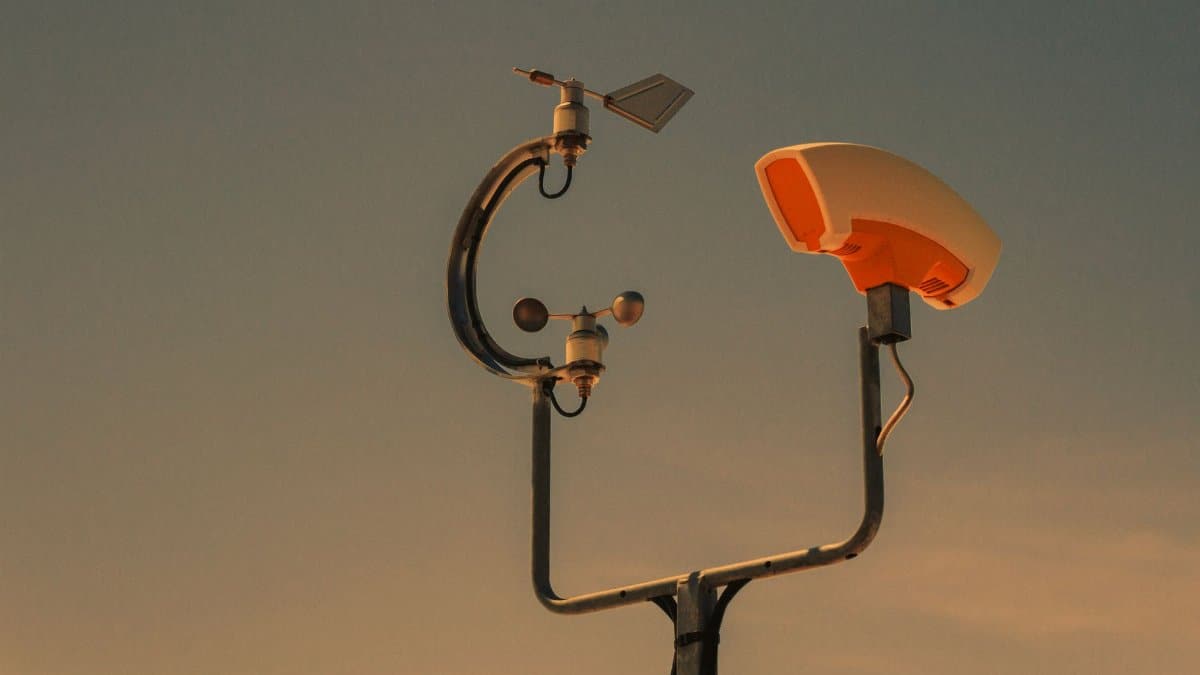
Houston’s identity is tied to storms, heat, and water. Pollen is quieter. It does not close highways or fill news conferences. It fills waiting rooms and changes the texture of ordinary days. Parents become amateur meteorologists. Coaches check the sky and the count. A warm, dry forecast, the kind that would please a festival planner, becomes a health bulletin for anyone with a sensitive airway.
There is no need to dramatize a week of weeds. There is also no need to shrug. The plants named in this outlook, ragweed, sagebrush, and elm, are doing what they do when the air stays dry and the sun stays generous. Residents who treat the Houston pollen forecast as one more local tool, beside radar and heat index, will have an easier time getting through the stretch. The sky may stay pretty. Breathing does not have to be an afterthought.