
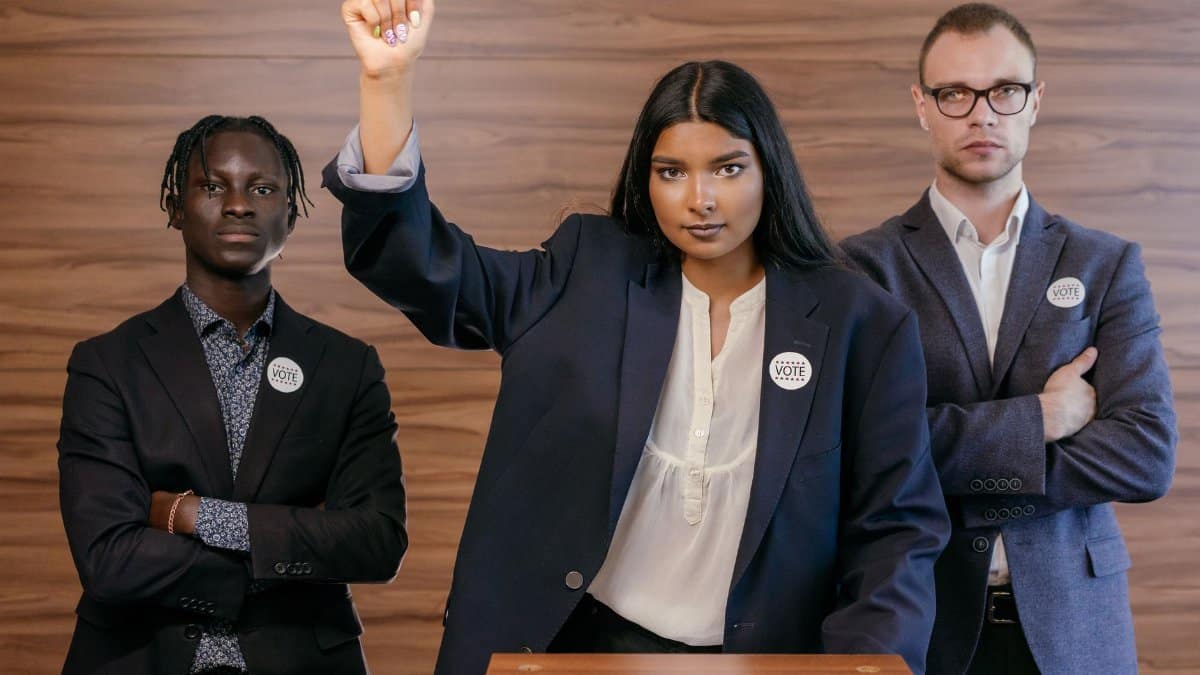
On a humid Sunday after midday prayers in southwest Houston, a line of congregants paused near folding tables set with pens, clipboards, and stacks of registration forms. Volunteers checked addresses, answered questions about deadlines, and pointed first time voters toward the right box. Organizers say the Houston mosque voter drive is now adding about 1,000 names a week, a pace that has turned a routine act of civic paperwork into one of the more closely watched faith efforts in Texas politics.
A weekly count that surprised even the organizers
Leaders connected to the Islamic Society of Greater Houston describe the push as a response to low participation, not a bid to crown a party. They say many members are citizens who have lived in Harris County for years and still have never filled out a card. Some arrived as students or workers and only later became eligible. Others moved from apartments to houses and never updated a registration. A weekly total near 1,000 is large for a single network of congregations, and it suggests pent up demand as much as new enthusiasm.
The number is an organizer estimate, not a state audit. County clerks still process forms, reject incomplete ones, and send confirmation mail. Even so, the scale is hard to ignore in a metro area where a few thousand ballots can decide a school board seat, a judicial race, or a narrow legislative margin. Volunteers talk less about November headlines than about neighbors who assumed they were already on the rolls.
How the tables actually work
The setup is deliberately plain. After Friday or Sunday gatherings, greeters invite people to a table rather than interrupting worship. A volunteer asks whether the person is a citizen, whether the person is already registered, and whether the address on file matches the current home. If the answer is no, the form takes a few minutes. If the person is unsure, the volunteer walks through the state lookup process or offers a paper card to mail later.
Language matters in a city this large. Arabic, Urdu, English, and Spanish all surface in the same courtyard. Younger members often translate for parents who can vote but prefer not to wrestle with fine print. Organizers say the goal is completion, not persuasion. They do not hand out candidate slates at the registration table, a distinction they repeat because critics often blur the line between signing people up and telling them whom to support.
Why a mosque became the practical place
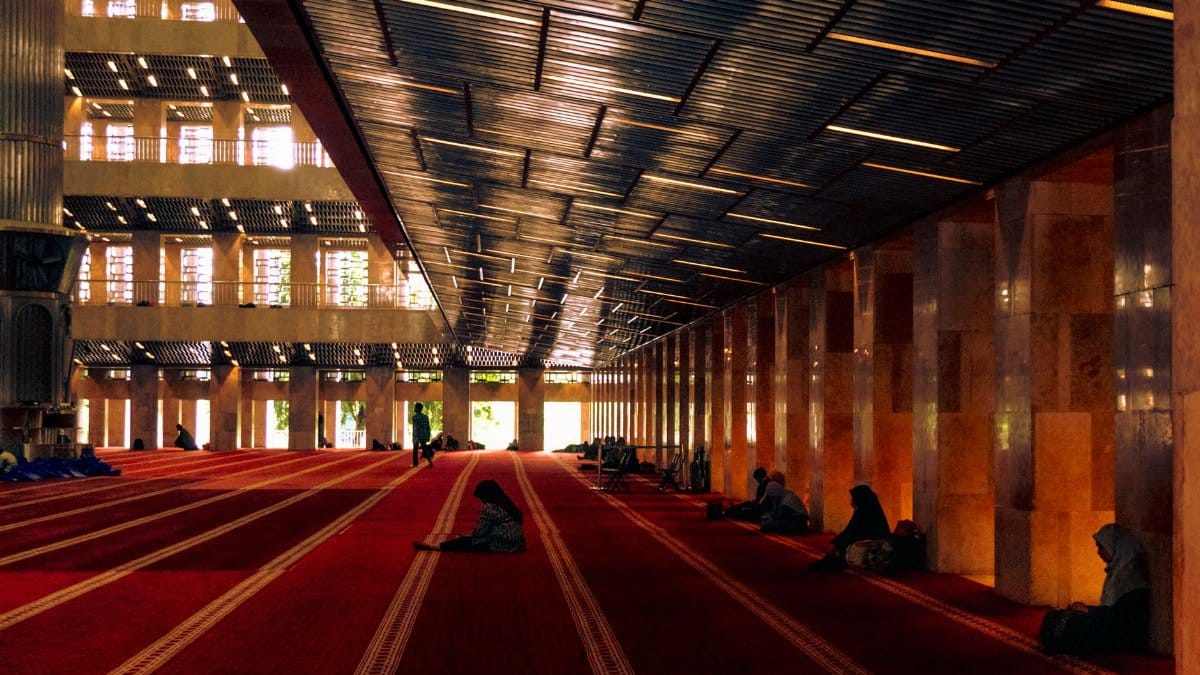
Mosques already gather people who share an address book, a calendar, and a habit of showing up. That makes them efficient sites for any civic task that depends on trust. A newcomer is more likely to ask a familiar imam or a youth coordinator whether a form is legitimate than to stop a stranger at a grocery store. The same logic has long applied to churches, temples, and community centers. What feels new is the visibility, and the speed, of this particular effort.
Houston’s Muslim population is not a single bloc. It includes doctors in the Medical Center, warehouse workers near the Ship Channel, students at the University of Houston, and families who have been in the region for two generations. A registration table captures that mix in one afternoon. Organizers argue that treating the community as a monolith is the mistake outside observers keep making. The forms do not ask for ideology. They ask for a name and a precinct.
The curriculum fight that sharpened the moment

The registration push did not arise in a vacuum. Islamic Society leaders have tied the mosque effort to unease over a new Texas social studies curriculum, which they say mischaracterizes Islam and leaves students with a thinner, harsher picture of Muslim life than the one families recognize. Parents who might have stayed quiet about textbooks found themselves in school board comments, then in conversations about whether their votes matched their worries.
Curriculum debates are slow and technical. Voter forms are immediate. Leaders describe the connection as motivational rather than mechanical: a fight over what children are taught reminded adults that school boards, the State Board of Education, and the Legislature are filled by people who win elections. The Houston mosque voter drive, in that telling, is a downstream response to a classroom argument, not a separate political machine.
Scholars of education policy note that social studies standards often become proxy battles over identity. Texas standards travel far because publishers shape national textbooks around large state markets. A local parent hearing a distorted lesson is also hearing a document that may echo in other states. That reach helps explain why a curriculum dispute can fill a parking lot with clipboards.
What the law allows congregations to do
Federal tax rules let houses of worship encourage voting and host registration without endorsing candidates, so long as the activity stays nonpartisan. Texas law sets its own deadlines, identification rules, and limits on who may collect forms. Organizers say they train volunteers on those boundaries: no campaign buttons at the table, no instructions to vote a straight ticket, no collection of ballots.
The distinction is easy to state and harder to police in public debate. A sermon that urges civic duty can sound, to a skeptical listener, like a sermon that urges a result. Lawyers who advise nonprofits tend to focus on documentation. Keep the script neutral. Keep the materials from any campaign. Keep the records of how many forms went out and how many came back incomplete. Those habits protect the institution if a complaint arrives.
Supporters who see a delayed civic catch up
Allies of the effort, including interfaith clergy and some local election administrators, frame the weekly totals as a catch up after years of under registration. They point to language barriers, confusing address rules for people who move often, and a lingering fear that engaging with government invites scrutiny. A table inside a trusted courtyard lowers that fear. One volunteer described a man in his forties who had assumed his citizenship ceremony years earlier had automatically placed him on the voter list. It had not.
Civic groups that are not Muslim have offered similar anecdotes for decades. What stands out here is concentration. A thousand forms a week, sustained, would rival many countywide nonprofit drives. Whether the pace holds through the next election cycle is an open question. Energy often spikes when a curriculum vote, a travel ban memory, or a local controversy makes politics feel personal, then fades when the news moves on.
Critics who hear mobilization, not paperwork
Opponents describe the same tables as a coordinated turnout project dressed in neutral language. Some Republican activists in the Houston area argue that any large registration wave inside a community that leans Democratic in recent federal races is, in practice, a partisan act even if no candidate’s name appears on the clipboard. They also question whether volunteers fully explain party primaries, straight ticket history, and the difference between registering and choosing a side.
Others focus on the curriculum link. If leaders say the drive responds to a fight over how Islam is taught, critics reply that the drive is therefore political by design. They want equal time for Christian, Jewish, and secular parents who dislike other parts of the standards. The fairest reading is that several groups can register voters for different reasons without any one group owning the act. The sharper fight is over whether public schools should be the stage for that competition.
Young members carrying the clipboards
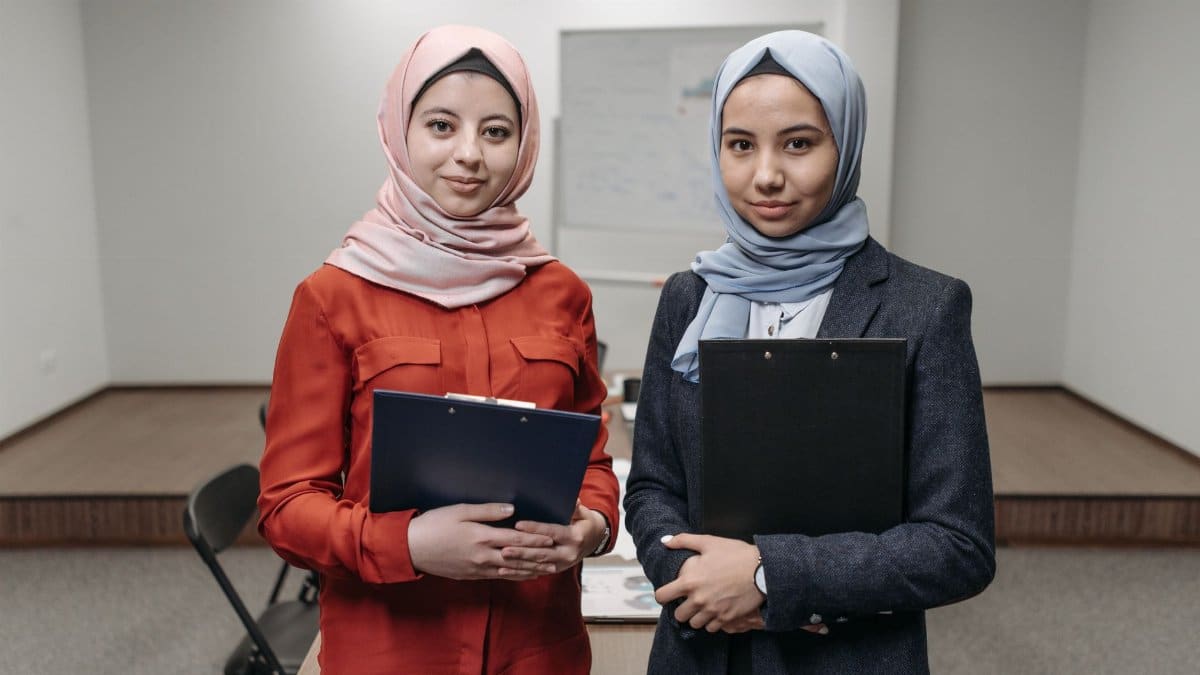
Much of the labor falls to college students and recent graduates who grew up in these congregations and treat registration as ordinary service, closer to a food drive than to a rally. They know the online portal. They know which errors cause a clerk to send a form back. They also know which cousins still think a Texas identification card is the same thing as a voter registration card.
That generational handoff matters. Parents who immigrated may feel the curriculum dispute in their gut and still hesitate at a government form. Their children, born or raised in Houston, treat the form as a chore they can finish between prayers and a shift at work. Organizers credit that ease for part of the weekly volume. A drive run only by elders would move more slowly, even with the same message.
What a thousand forms do and do not decide

Registration is not turnout. A name on a roll can sit unused. Campaigns, weather, work schedules, and confusion about polling places still shape who casts a ballot. Analysts who study Harris County remind readers that raw registration gains shrink once you subtract duplicates, movers, and people who registered in a burst and then skipped the election. The honest claim is narrower: a community that was underlisted is becoming listed, and listed voters are easier to reach.
Local races feel the change first. School trustee contests and city council districts can turn on hundreds of votes, not hundreds of thousands. A mosque network that concentrates new registrants in a few ZIP codes can matter in those maps even if it barely shifts a statewide total. That is another reason the Houston mosque voter drive draws attention beyond the courtyard. The arithmetic of small districts rewards any group that shows up consistently.
Clerks, confirmation mail, and the unglamorous middle

After the clipboard leaves the mosque, the work belongs to election offices. Staff enter data, flag missing signatures, and mail notices. Organizers who want the weekly figure to mean something follow up when congregants say a card never arrived. That second step, less photogenic than a crowded table, separates a publicity moment from a functioning list.
Voters also need to know the calendar. Texas primaries, runoffs, municipal elections, and constitutional amendment dates do not line up with a single national story. A person registered in March may miss a May school board race simply because no one mentioned it. Some mosques have started posting election dates beside the registration table, still without candidate names, on the theory that a form without a calendar is only half a civic act.
Interfaith echoes across the city
Houston’s other congregations have run registration Sundays for years. Black churches in particular built a tradition of treating the ballot as a moral obligation after long exclusion. Catholic parishes have hosted drives around immigration and neighborhood safety. Synagogues have done the same around education and security. The Muslim effort sits in that lineage even when coverage treats it as unprecedented.
Interfaith leaders who have visited the tables say the tone is familiar: urgency mixed with hospitality, and a careful refusal to let the signup sheet become a rally. They also note a difference in media temperature. A church basement drive rarely becomes a statewide talking point. A mosque drive often does, which can discourage volunteers who wanted only to help an uncle finally get a card.
A test of whether the pace can last

Sustaining a thousand registrations a week requires more than outrage over a textbook. It requires volunteers who return after the first burst, a supply of forms, and a relationship with clerks when batches come back incomplete. Leaders say they are trying to make the table a standing feature, like the announcement of funerals or the signup for weekend school, rather than a seasonal spectacle.
If the pace slows, the story will not vanish. The curriculum debate will continue in hearings and classrooms. Parents will still argue over how Islam, Christianity, and other traditions appear in a state standard. The open question is whether that argument keeps producing voters or merely produces meetings. For now, the Houston mosque voter drive offers a concrete measure: not a speech, but a stack of forms and a weekly claim that about 1,000 people moved from the sideline onto the list.
What readers outside Houston should take from it

The episode is local, but the pattern is national. Fights over what schools teach keep colliding with fights over who votes. Communities that feel misdescribed in a textbook look for a lever, and the nearest legal lever is often a registration card. Observers can disagree about motives and still track the mechanics: who is eligible, who was missing from the rolls, and whether the new names appear in turnout reports after the next election.
That last check is the one that separates narrative from result. Until county data and election returns catch up with the clipboards, the fairest description remains the one organizers and critics can both accept as a starting point. A network of Houston mosques is trying to register neighbors at an unusual weekly rate, and it is doing so in the shadow of a curriculum fight that made many of those neighbors feel the stakes of a school vote for the first time.