
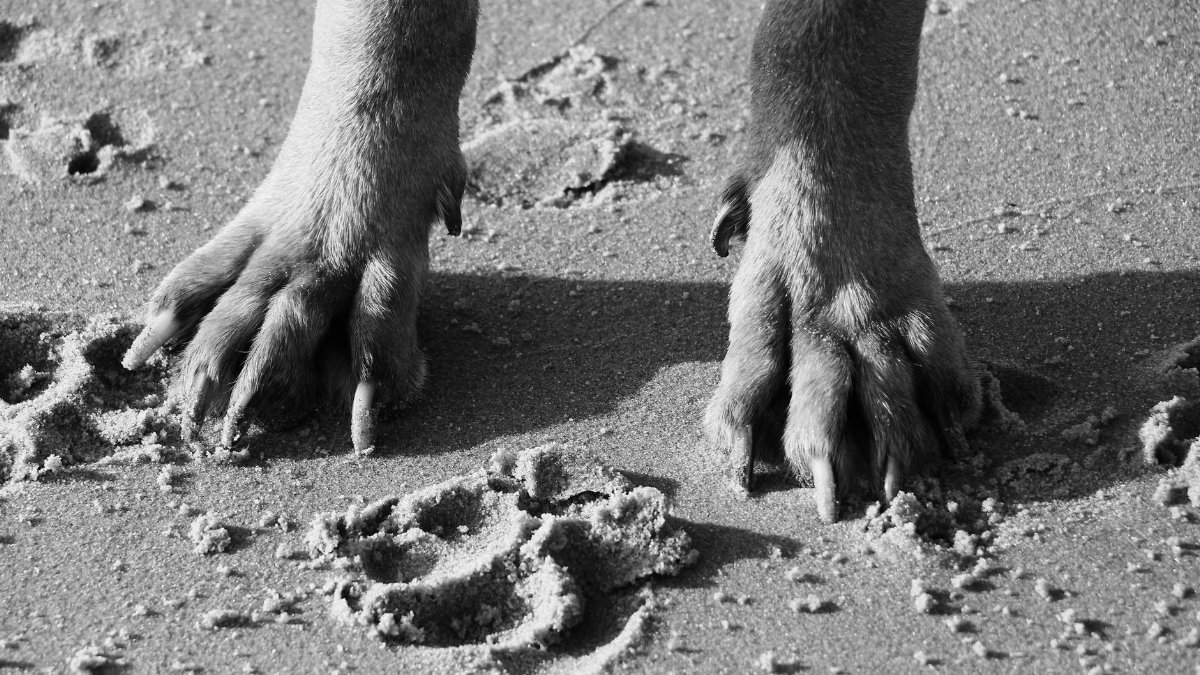
Many dog owners observe subtle patterns in how their pets interact with the world around them. A simple toss of a ball or a reach for a treat can highlight consistent choices that point to deeper traits. In recent years researchers have examined these patterns closely through the lens of Dog Pawed tendencies. This exploration draws on observations from everyday life and controlled settings to uncover what such preferences might indicate about a dogs cognition and behavior.
Roots of Paw Preference in Canine Studies

Scientific work on paw preference dates back several decades yet continues to yield fresh perspectives. Researchers track how dogs approach tasks that require reaching or stepping and note which side they favor repeatedly. These patterns echo similar traits seen across other species including primates. Data collected from various breeds suggest that genetics and early experiences shape the direction of preference though the strength of that bias varies widely among individuals.
Simple Ways to Observe Daily Movements

Watching a dog during routine activities offers one reliable path to insight. Notice which paw leads when climbing stairs or which limb pushes a toy across the floor. Consistent repetition over several days provides a clearer picture than a single instance. Owners who keep brief notes on these moments often spot trends that align with more formal testing methods.
Structured Tests for Clear Results

A basic assessment involves placing a treat under a piece of furniture that requires the dog to use one paw to retrieve it. Repeating the exercise multiple times reveals whether one side dominates. Another approach uses a ball rolled toward the animal to see which paw stops its motion first. Both methods minimize stress while producing measurable outcomes that match findings from larger academic projects.
Breed Influences on Pawed Behavior
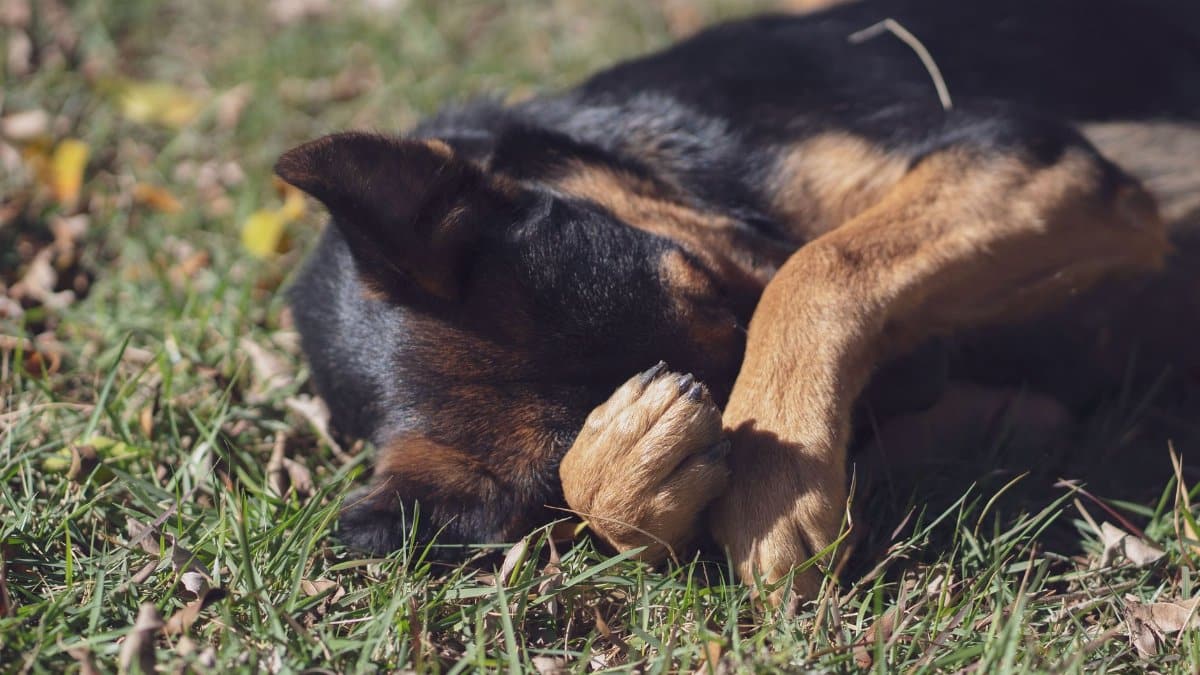
Certain breeds display stronger leanings toward one side than others. Working dogs trained for specific tasks sometimes show more balanced use of both paws due to the demands placed on them. Smaller companion breeds on the other hand may exhibit more pronounced preferences. These differences likely stem from selective breeding histories that emphasized particular physical or mental qualities over generations.
Links to Temperament and Training
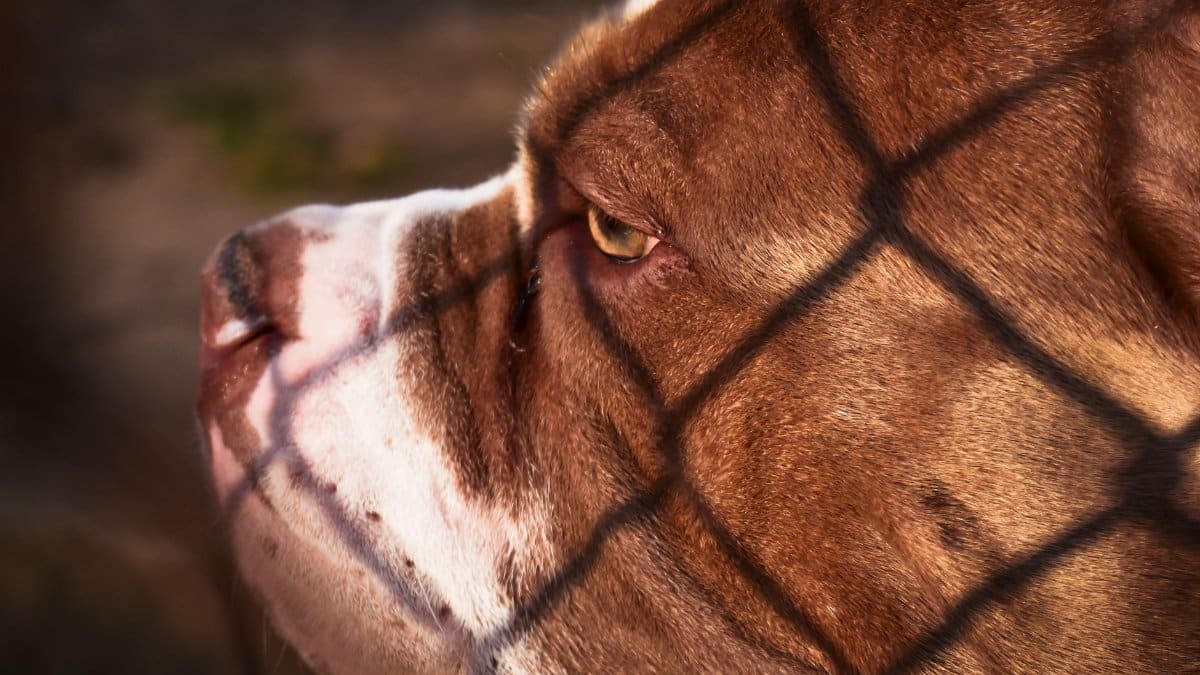
Dogs with a clear paw preference sometimes respond differently to training cues compared with those who switch sides freely. A dog that favors its right paw for example might approach new commands with greater caution or focus. Trainers who account for these traits can adjust their methods to suit the individual animal leading to smoother progress and fewer frustrations during sessions.
Broader Implications for Health Monitoring

Paw preference may serve as an early indicator of physical changes such as joint stiffness or injury. A sudden shift in favored limb use could signal discomfort that warrants attention from a veterinarian. Regular checks on how a dog moves therefore support both behavioral understanding and proactive care that helps maintain mobility as the animal ages.
Comparisons Across Age Groups

Younger dogs often display more variable paw use as they explore their surroundings. Older dogs by contrast tend to settle into established patterns that reflect years of habit. Tracking these shifts over time provides a window into how experience molds behavior and whether interventions like varied exercise can encourage more balanced movement.
Cultural Views on Animal Traits
Across different societies people have long attributed meaning to the ways animals favor one side. Some traditions link such traits to personality or even fortune. While modern research grounds these ideas in observable data the cultural narratives add a layer of curiosity that continues to draw public interest in studies of Dog Pawed characteristics and their meaning.
Future Directions in Animal Cognition Research
Ongoing projects aim to connect paw preference with wider questions about brain organization and decision making. Advances in motion tracking technology allow more precise measurement than earlier manual observations permitted. As findings accumulate they may inform not only pet care practices but also broader understandings of lateralization in mammals.