
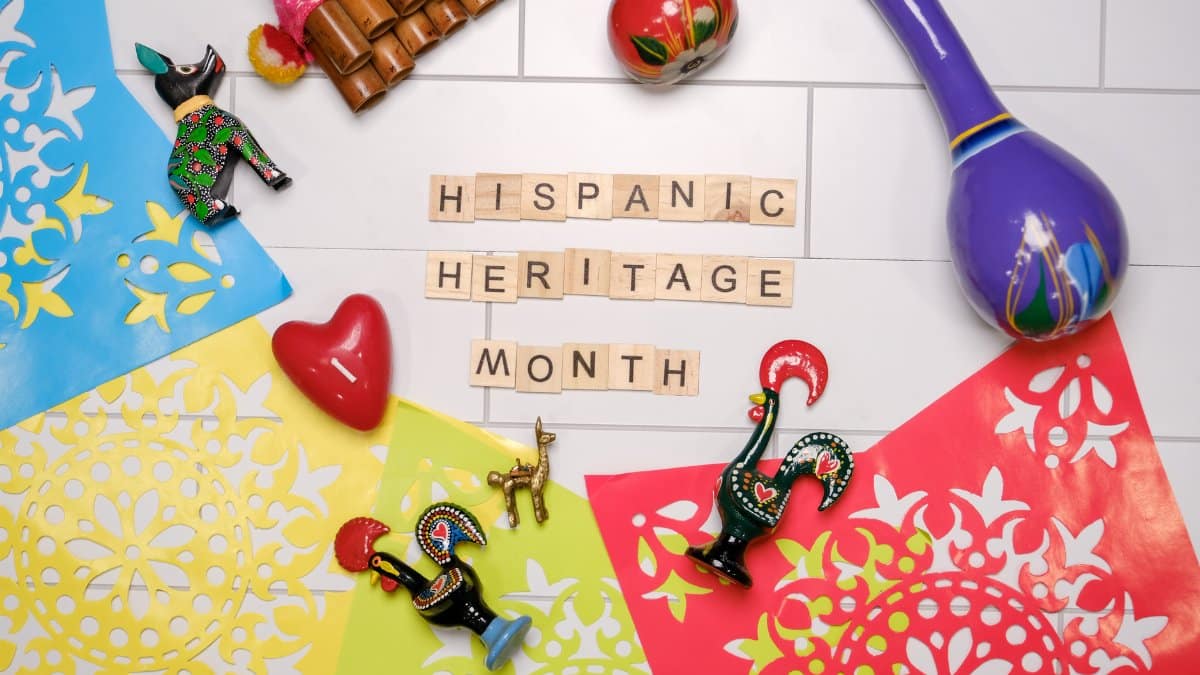
On a warm September evening in Hermann Park, families spread blankets before the stage lights came up and children tested the grass with their shoes. A trumpet line cut through the humidity. Someone near the back lifted a small flag and did not put it down. That scene, repeated in different corners of the city each autumn, is one reason Houston Hispanic Heritage has become less a slogan on a poster and more a public habit. The month asks a practical question: who gets to hear their history spoken aloud, and in whose yard.
A calendar that starts with independence, not a sale
Hispanic Heritage Month runs from September 15 to October 15. The dates are not arbitrary. September 15 marks independence anniversaries for several Central American nations, and Mexico’s cry of independence falls just after, on the night of September 15 into the 16th. In Houston the observance sits inside a city where Spanish is a working language on job sites, in clinics, in kitchens, and in church vestibules. The month is a civic frame, not a costume rack.
Local calendars this year place a traditional El Grito gathering at Miller Outdoor Theatre beside a heritage weekend at the Astros ballpark. Those two rooms, one open to the sky and one built for a crowd that paid for a seat, say something about how culture travels. One is free if you arrive early enough to claim a patch of lawn. The other sells tickets, nachos, and a story about belonging that the franchise hopes fans will carry home.
Miller Outdoor Theatre and the old idea of a commons
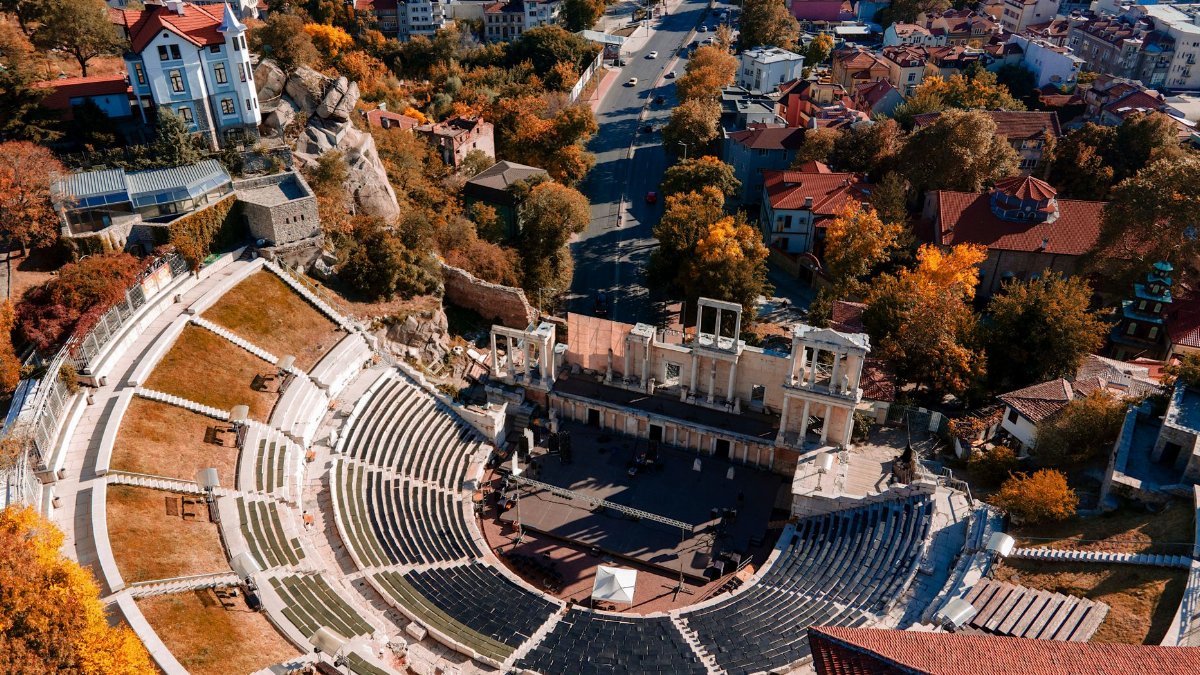
Miller Outdoor Theatre has hosted Houston gatherings for generations. It is not a Hispanic institution in any exclusive sense. It is a city stage, and that is the point. When El Grito is staged there, independence is treated as neighborhood business. People come from the East End, from Spring Branch, from Pasadena, from apartments off the Gulf Freeway. They bring folding chairs that have seen baptisms and birthday parties.
The program usually mixes civic ritual with performance. A reading of the Grito, music that moves between mariachi and newer regional styles, dance that parents recognize from their own school years. None of this is quaint if you listen closely. The Grito is a political memory. It recalls a priest calling a town to resist colonial rule. Placed in a Houston park, it also recalls later migrations: people who left farms, border cities, and war, and built parishes and small businesses on this coastal plain.
Free admission matters. A heritage event that requires a credit card is a different animal from one that only requires time and a ride. Miller does not solve who owns the story, but it lowers the gate.
What the cry still means after the applause

El Grito de Dolores is easy to romanticize and easy to flatten into a countdown and a shout. The historical cry, associated with Miguel Hidalgo in 1810, was a summons to revolt. In contemporary festivals it functions as shared theater. That shift is not empty. Public ritual is how a dispersed people rehearse a common past without pretending the past was simple.
In Houston the shout lands among people whose family lines run through Mexico, El Salvador, Honduras, Guatemala, Cuba, Venezuela, Colombia, Puerto Rico, and many other places. A single cry cannot carry every history. Organizers who treat the month as only a Mexican pageant miss the room. Organizers who treat it as a generic Latin brand miss the theology and the politics inside the older ritual. The better nights name the differences and still let the crowd answer together.
A ballpark weekend and the business of belonging
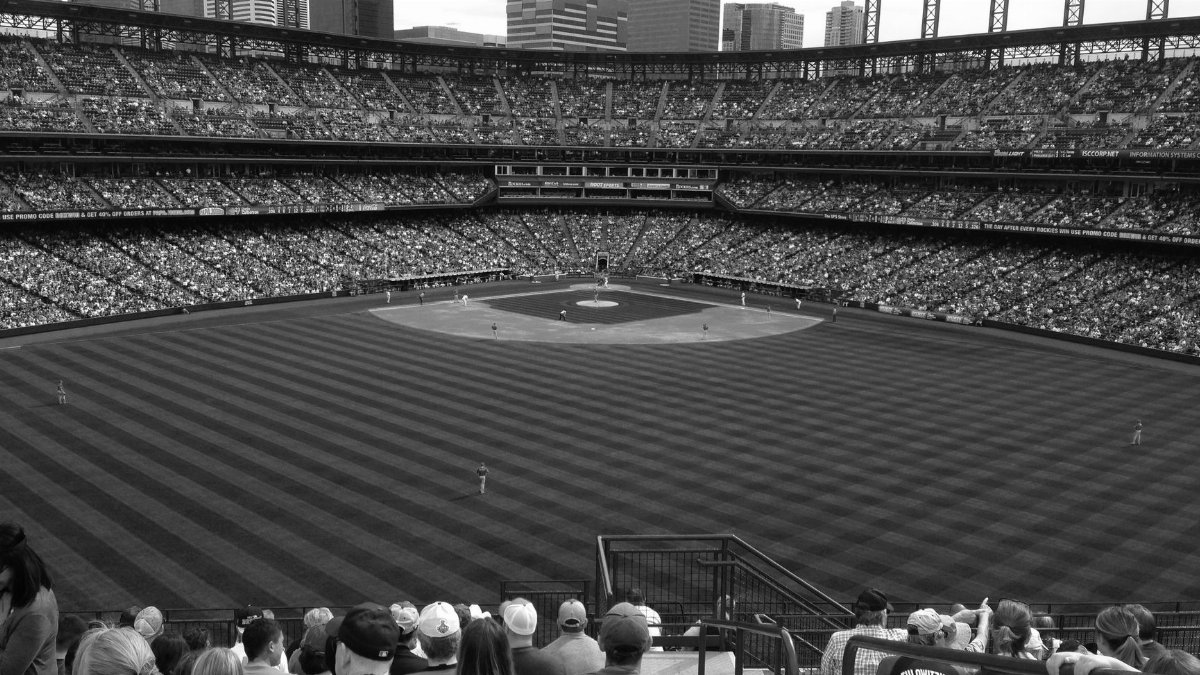
An Astros heritage weekend pulls the same month into a different economy. Baseball in this city is already tangled with Latino labor, Latino fandom, and Latino talent on the field. A themed series can honor that, or it can rent it. The difference shows up in details: whether Spanish language announcements are fluent or decorative, whether community groups are partners or photo props, whether the playlist respects regional taste instead of a single exported hit.
There is nothing dishonorable about a team selling jerseys. Sports franchises are businesses. The question for fans is whether the weekend adds a true account of Houston Hispanic Heritage or only a color scheme. A grandchild who hears a grandparent’s league story between innings may remember the night longer than any promotion. A script that never leaves the jumbotron will not.
Ballparks also concentrate attention. For a few hours the city watches one diamond. That spotlight can introduce a dancer, a poet, or a neighborhood historian to people who would never drive to a festival in another council district. Used well, the spotlight is a bridge. Used poorly, it is a billboard.
Parishes, processions, and the spiritual calendar underneath
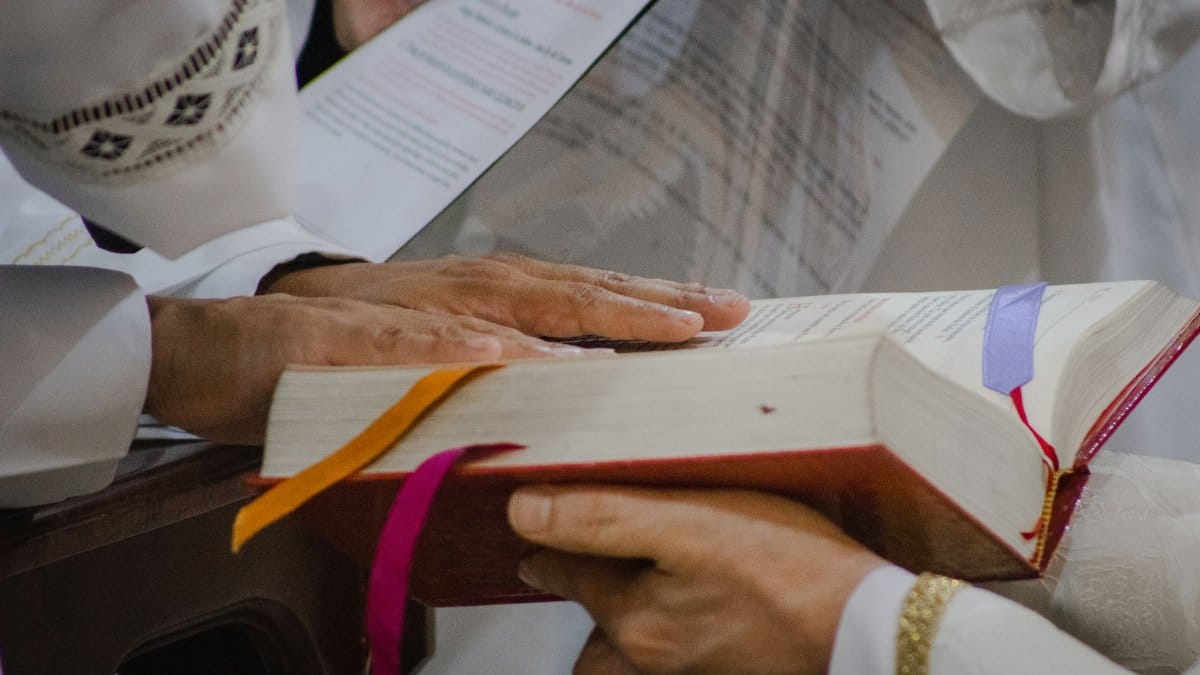
Heritage month overlaps with ordinary sacred time. In Catholic parishes across the city, September and October already hold feast days, quince años Masses, and weekday rosaries said in Spanish before dawn shifts. Our Lady of Guadalupe is not a seasonal mascot. She is a devotional center for millions, with a story of appearance, protection, and indigenous dignity that predates any municipal proclamation.
Protestant and Pentecostal congregations carry another current. Storefront churches and large sanctuaries alike host nights of testimony in which migration is told as providence, survival, and sometimes unresolved grief. These rooms rarely make the entertainment listings. They are where a lot of the month’s real language lives: prayer for relatives still in danger, thanks for a first house, argument about politics that does not pause for a photo opportunity.
Spiritual practice here is not a soft garnish on a civic festival. It is one of the infrastructures that kept language and memory intact when official institutions were indifferent. Any honest account of Houston Hispanic Heritage has to leave room for incense, for a guitar in a fellowship hall, and for the quiet of a side chapel after the parade has moved on.
Kitchens, markets, and memory you can taste
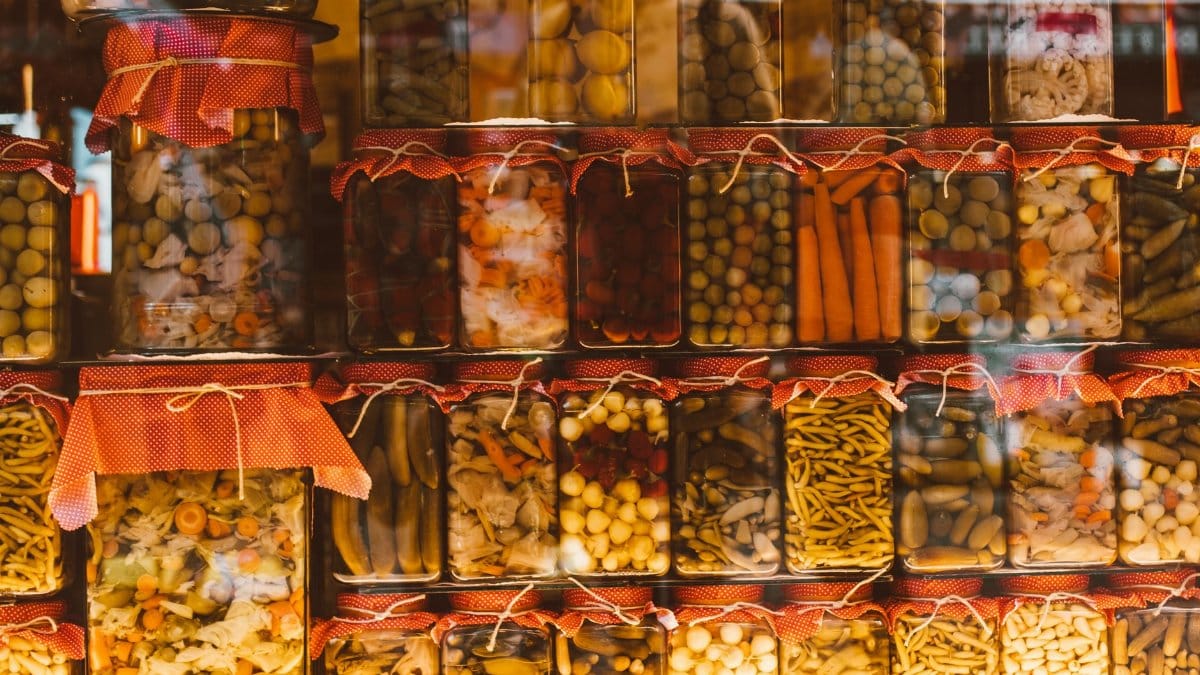
Food vendors will line both the park and the ballpark approaches, and that is not a side note. Tamales, pupusas, elote, pastelitos, and barbacoa are how many families fund the very events that celebrate them. A church bazaar table can pay for a youth trip. A weekend stall can cover a month of rent if the weather holds.
There is a risk in treating cuisine as the whole culture. A city can applaud the plate and ignore the wage. Houston’s restaurant scene has been shaped by Latino cooks for decades, including in rooms where the menu never said so. Heritage month is a fair time to ask who holds the lease, who gets the byline, and who is still described as help. Readers who want a deeper picture can start with census portraits of the county rather than with a single festival map. Harris County’s own quick facts, published by the Census Bureau at https://www.census.gov/quickfacts/harriscountytexas, show a population in which Hispanic or Latino residents are a defining share, not a niche.
Classrooms that already speak more than one history
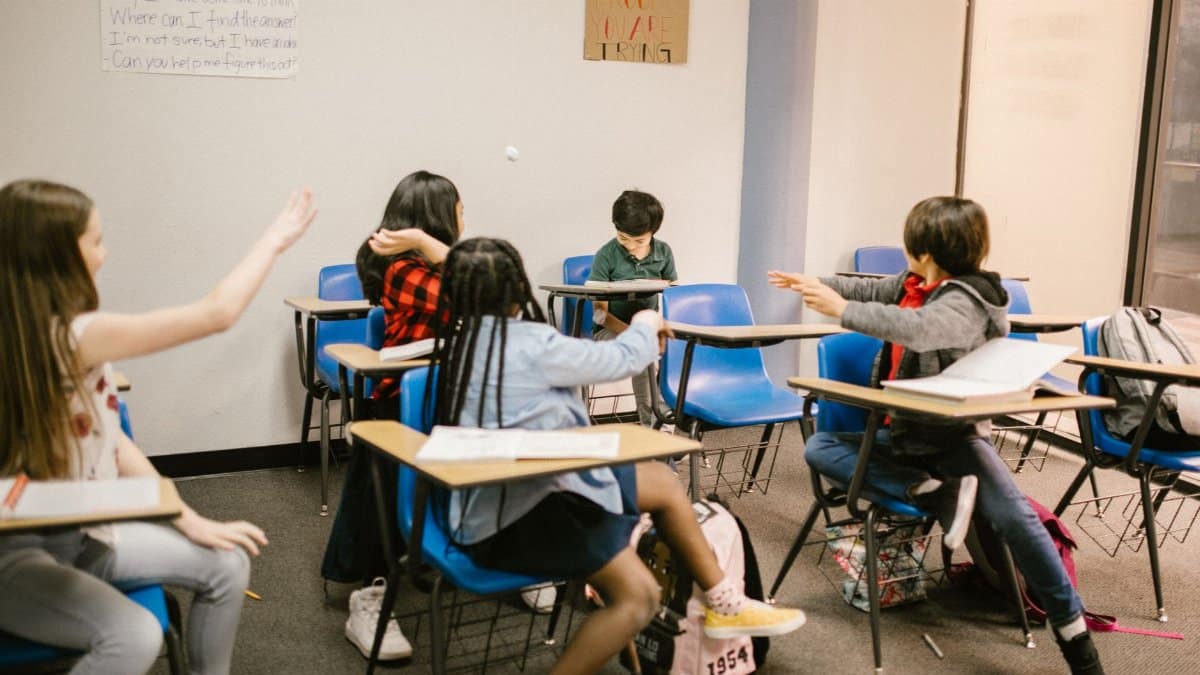
Public schools feel the month as both opportunity and pressure. Teachers are asked to add units, displays, and assemblies without new time or new books. The best of those efforts let students interview elders and correct the record in their own neighborhoods. The weakest hang a paper flag and move on to the next mandated week.
Houston classrooms already contain the archive. A student may be the first in a family to write in English about a grandmother who crossed in the 1980s, or about a Cuban exile story, or about indigenous identity that does not fit the checkbox. When schools treat that knowledge as enrichment rather than as core history, they teach a quiet lesson about whose past counts as American. Heritage month can interrupt that habit if administrators fund it like instruction and not like decoration.
Who holds the microphone
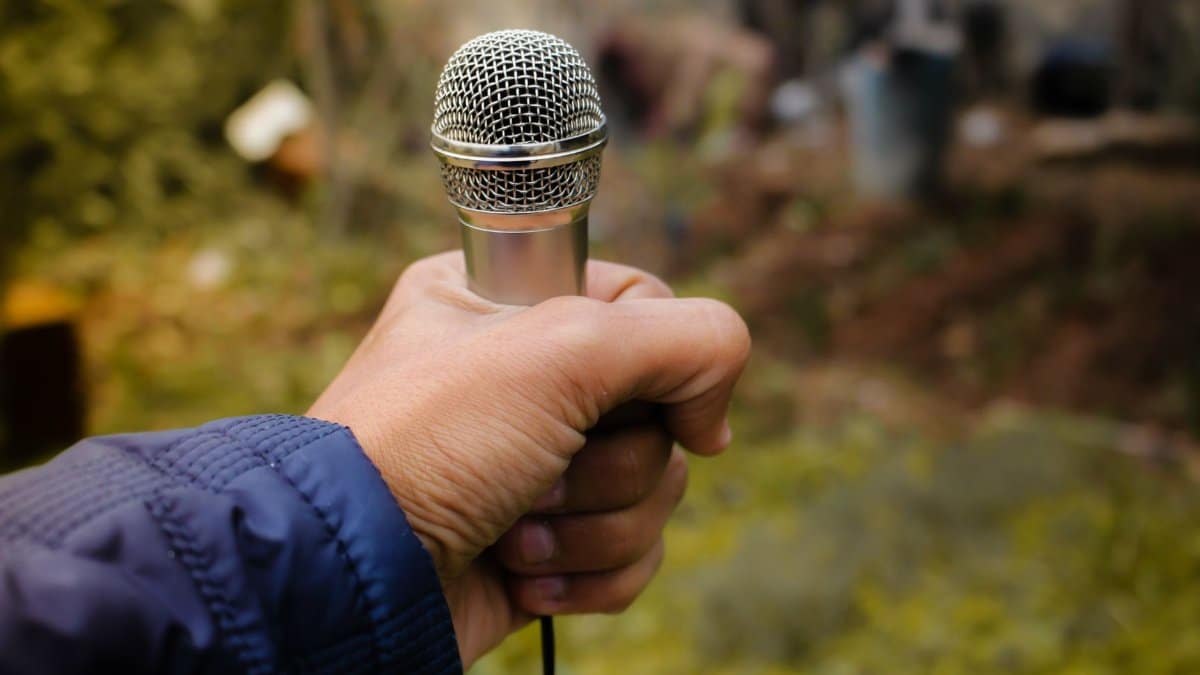
Every city festival develops gatekeepers. Promoters, consul offices, corporate sponsors, elected officials, and clergy all want a turn at the lectern. None of those roles is illegitimate. The distortion starts when the same few voices speak every year and newer arrivals, Afro Latino residents, indigenous communities, and critics of the festivities are left in the audience.
Houston is large enough to hold disagreement. Some residents want the month to stress patriotism and military service. Others want it to stress labor, housing, and immigration policy. A mature public culture does not force those arguments offstage. It schedules them. A panel that cannot survive a hard question is not heritage. It is advertising.
Journalists have a part in this too. Coverage that only lists times and headliners treats people as consumers of their own identity. Coverage that follows the money, the parish calendar, and the school curriculum treats them as citizens.
How to attend without consuming a culture
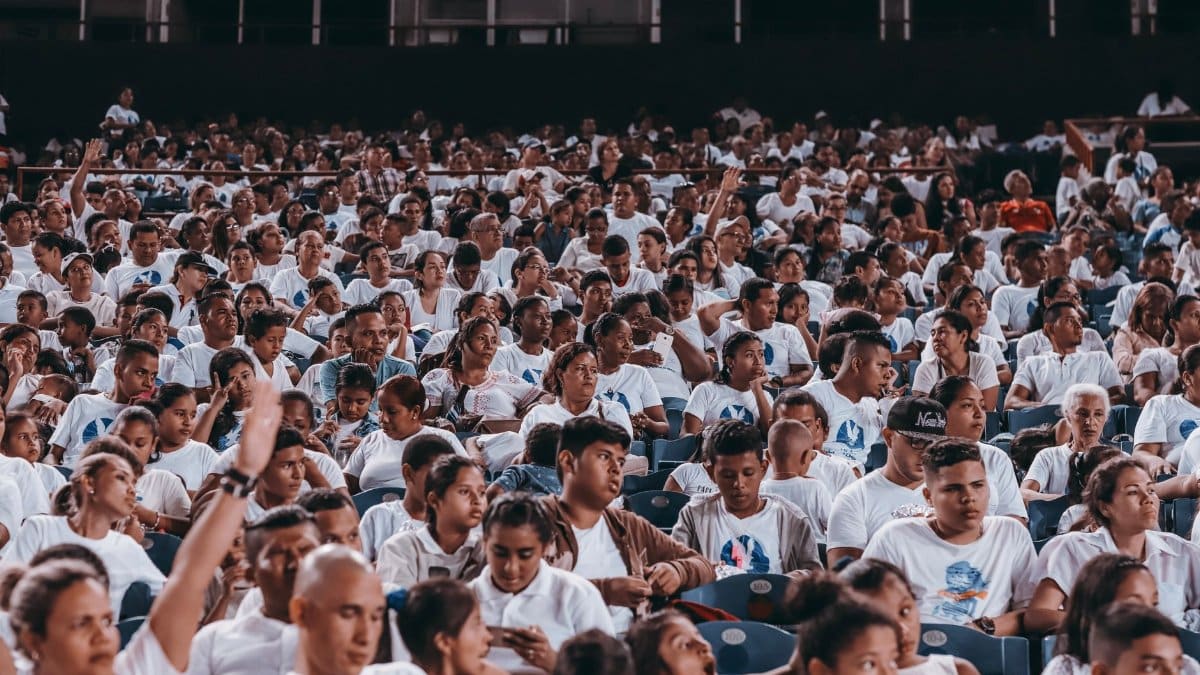
Practical advice is simpler than the politics. If you go to Miller, arrive early, leave the blanket footprint no larger than your party, and stay for the speakers you do not already know. If you go to the ballpark, read the program before you complain that it is too commercial or not commercial enough. Buy from the vendor whose name you can learn. If a dance or a prayer is not yours, watch without narrating it for your phone.
Parents can do more than attend. Ask a child what the Grito was for, not only how loud the crowd was. Pair the outing with a library book or a conversation with a neighbor who actually remembers another September. The month ends in mid October. The relationships do not have to.
Cities reveal themselves in the events they repeat. Houston Hispanic Heritage, stretched between a lawn at Miller and a lighted diamond downtown, is one of those repetitions. It can be thin, loud, and sponsored. It can also be precise: a cry that still means resistance, a parish that still keeps vigil, a classroom that finally writes the family down. The weekend will pass either way. What remains is whether the city listened, or only clapped on cue.