
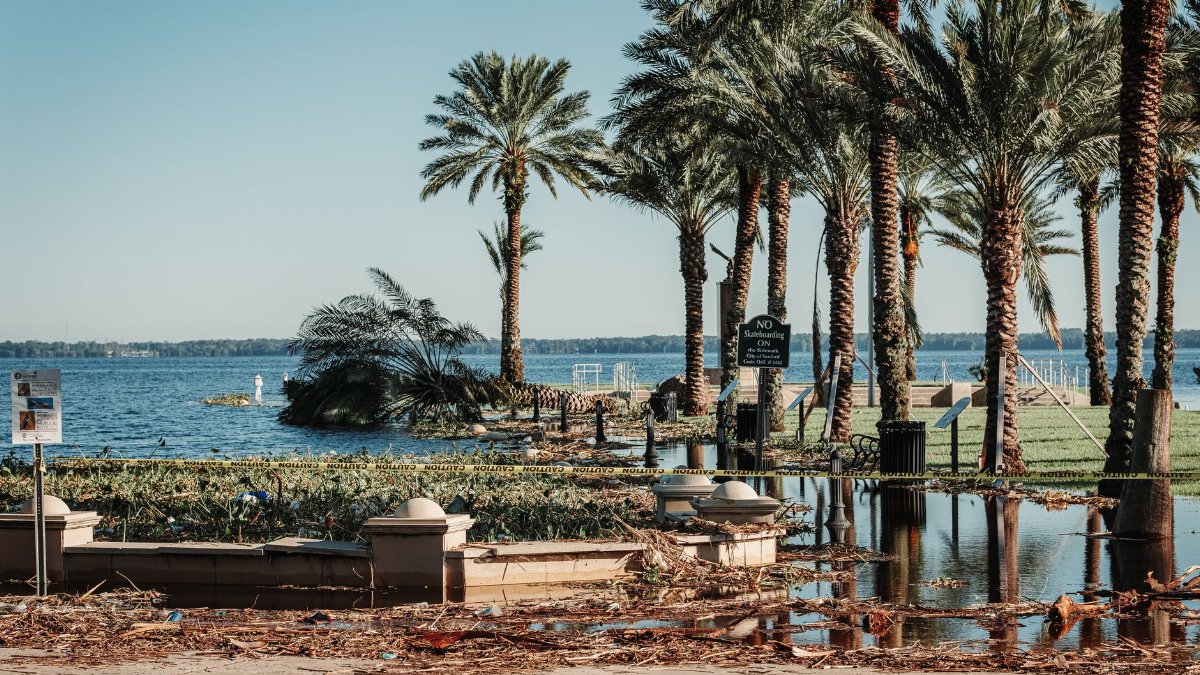
In recent weeks Southern California has experienced an unexpected shift in its usual dry climate that has left many residents adjusting to muggy evenings and heavier air than they have known in years. This change stems from a combination of unusually warm ocean waters along the coast and the lingering effects of distant tropical systems. The Los Angeles humidity stands out as a central factor reshaping daily life from coastal neighborhoods to inland valleys. People report feeling the difference during morning commutes and evening walks with higher moisture levels making temperatures feel more oppressive even when readings stay moderate. Local meteorologists trace the pattern to broader ocean warming trends that have persisted through the season.
Ocean Warming as a Key Driver

Warm sea surface temperatures have supplied extra moisture to the atmosphere over the past month. This process allows more water vapor to move inland during onshore flows. As a result nights remain warmer than average because the added humidity traps heat close to the ground. Communities from Santa Monica to the San Fernando Valley have recorded overnight lows several degrees above normal. The pattern aligns with longer term shifts in Pacific conditions that scientists continue to monitor through buoy networks and satellite data.
Effects from Tropical Storm Iselle
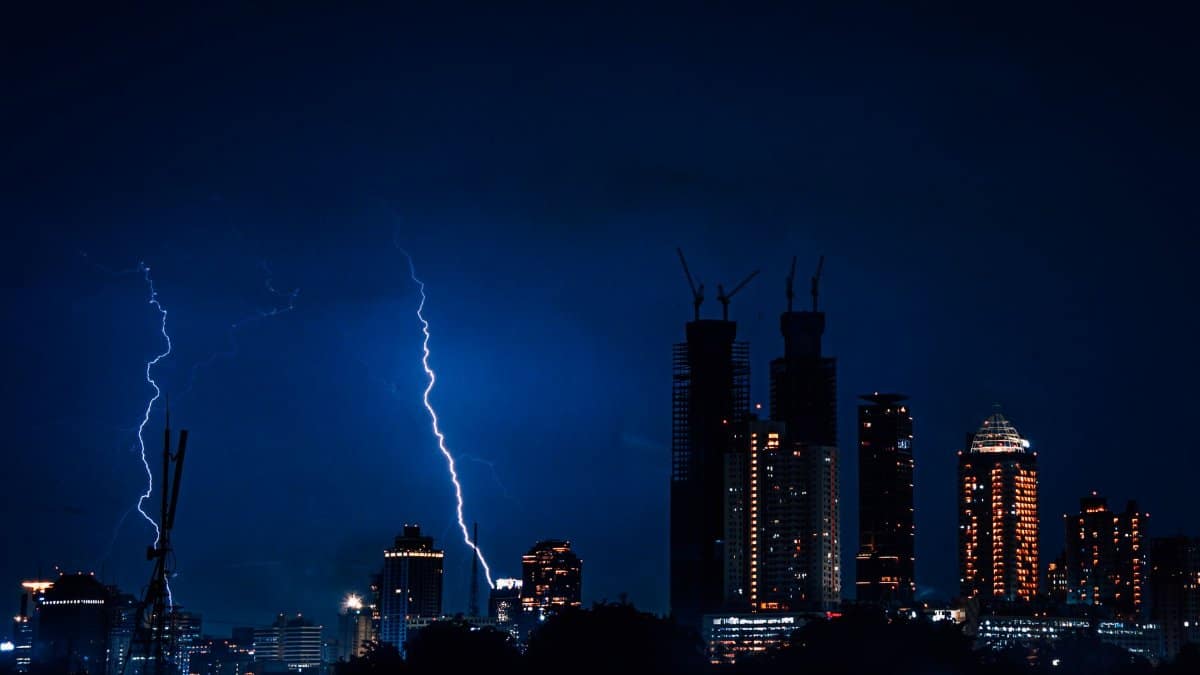
Remnants of Tropical Storm Iselle contributed additional moisture that traveled northward and interacted with local weather patterns. These inflows created brief periods of elevated dew points across the region. Although the storm itself stayed far offshore its influence reached Southern California through upper level circulation that drew tropical air masses toward the coast. Residents noticed the change through increased cloud cover and occasional light drizzle that felt foreign to the typical late summer landscape.
Comparisons to Southeastern States
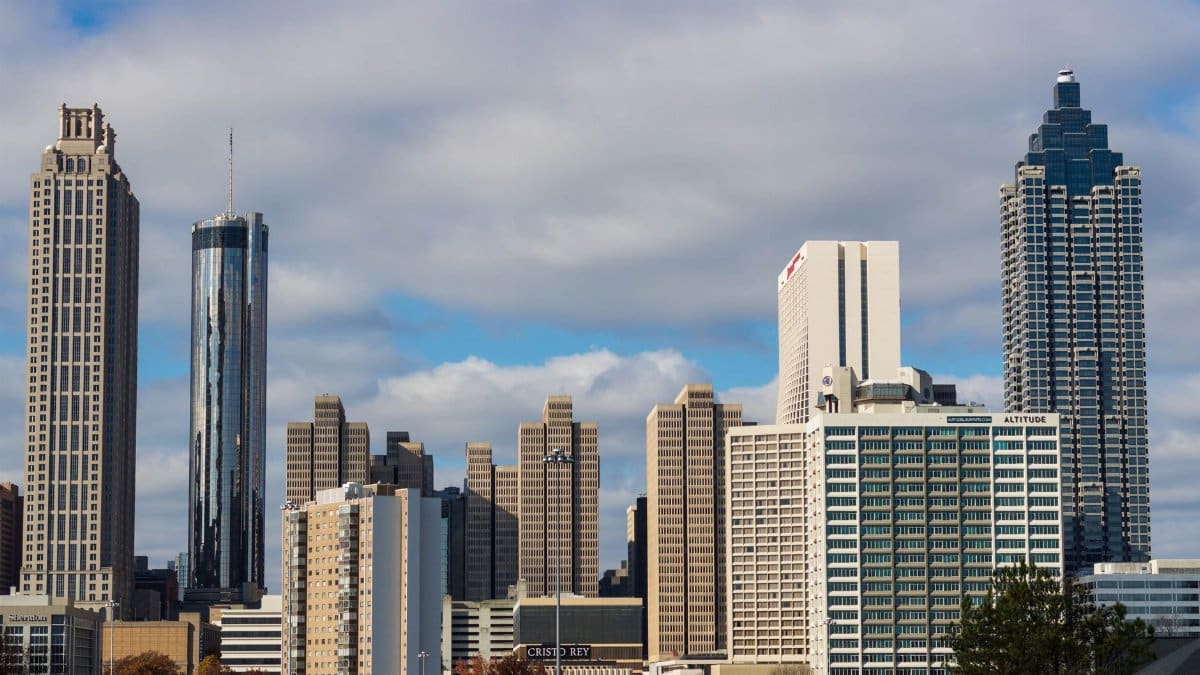
Many locals have remarked that recent conditions resemble summer weather more common in Florida or Georgia. Dew point readings climbed into ranges that produce the sticky feel associated with those areas. This shift challenges long held assumptions about Los Angeles as a reliably arid environment. Morning humidity levels have stayed elevated enough to affect everything from garden care to outdoor exercise routines. The change prompts questions about how often such episodes might occur in coming years.
Regional Variations Across the Basin
Not every part of the area experiences the moisture in the same way. Coastal zones see quicker increases during afternoon sea breezes while inland spots like Palm Springs retain heat through the night due to the trapped humidity. Burbank and other valley locations report some of the highest overnight readings because surrounding mountains limit air exchange. These differences create distinct microclimates that influence everything from energy use for cooling to agricultural needs in nearby farmlands.
Consequences for Daily Routines

Higher moisture content alters simple activities such as drying laundry outdoors or maintaining comfortable indoor spaces without extra dehumidification. Public health officials note a rise in heat related complaints even on days when air temperatures do not reach extreme marks. Schools and workplaces have adjusted ventilation practices to account for the added stickiness. The overall effect extends to tourism with visitors commenting on the contrast to previous trips when dry air dominated.
Broader Climate Context
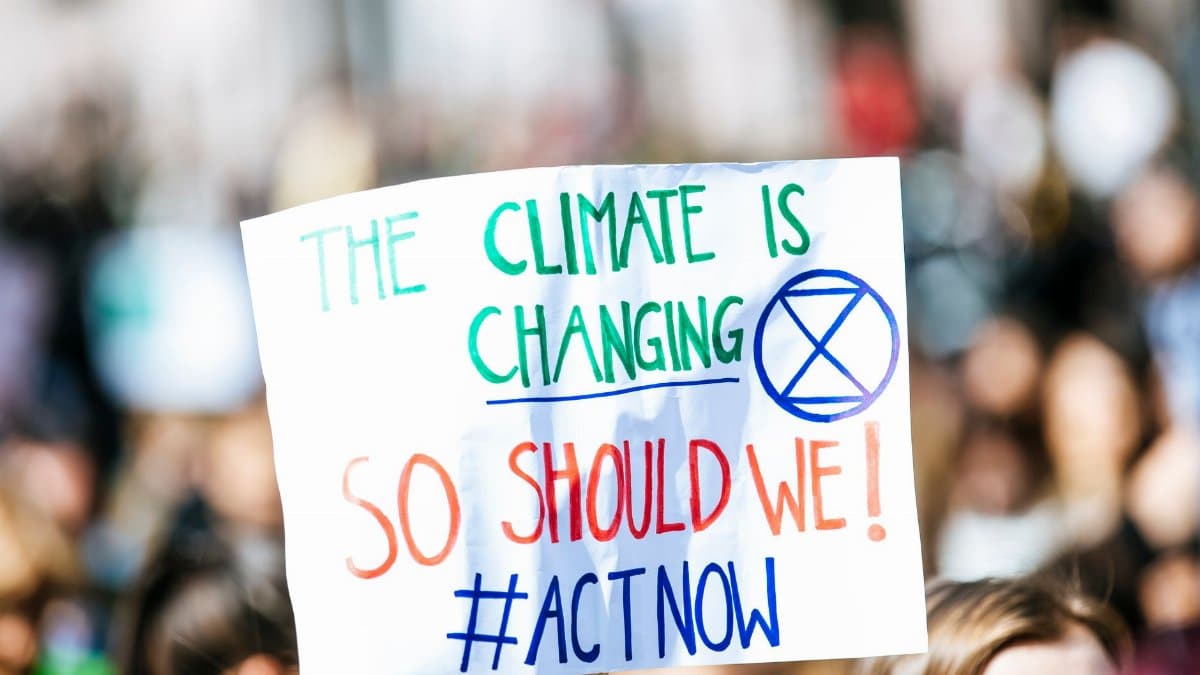
This episode fits into ongoing discussions about how ocean temperatures influence regional weather far from the tropics. Researchers point to connections between persistent marine heat waves and altered atmospheric circulation. While single events do not prove long term trends they add data points for models that project future humidity patterns. Local agencies use this information to refine preparedness plans for similar occurrences.
Adaptation Steps for Residents

Individuals and businesses have begun adopting practical measures such as improved ventilation systems and scheduling outdoor work during cooler morning hours. Community gardens experiment with plant varieties better suited to periodic moisture increases. Public messaging from city offices encourages hydration awareness and checks on vulnerable populations during muggy stretches. These steps reflect a growing recognition that occasional humidity events may require ongoing attention rather than one time adjustments.