
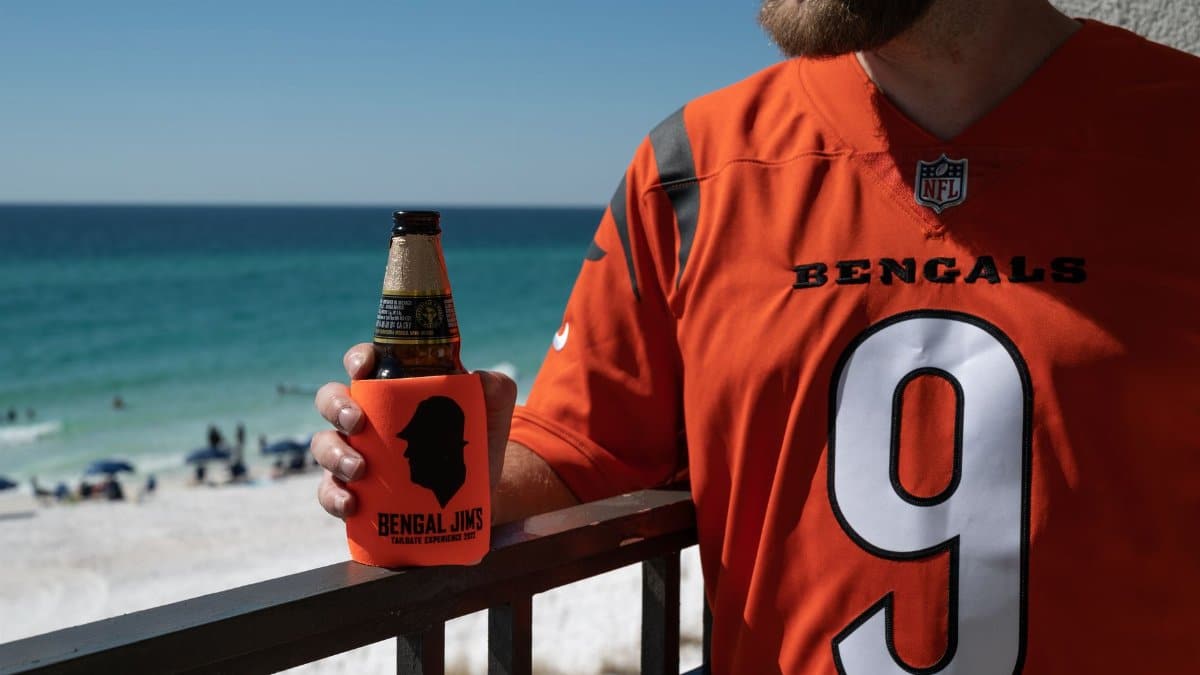
By midmorning the concrete outside NRG Stadium already throws heat back at the sky, and the people crossing it move with the particular patience Houston learns every summer. Coolers knock against tailgates. Someone argues about shade that does not exist yet. A forecast that sounded ordinary on a phone the night before becomes physical the moment a car door opens. For anyone planning the weekend around football, the Houston Texans heat forecast is not a sidebar. It is the condition under which the Texans and the Bengals will share a Sunday, with afternoon highs expected near 90 and a heat index that can press toward 100 before the first whistle.
A number that feels different once you are standing in it

Ninety degrees can sound manageable in a sentence. Houston has posted hotter afternoons, and plenty of residents will say they have worked, worshipped, or waited in worse. The trouble is that a single high temperature does not describe the air a body actually meets. Humidity holds heat against the skin. Sun on asphalt adds another layer. A light breeze that never quite arrives leaves the heat index, that combined reading of temperature and moisture, free to climb toward 100 even when the thermometer looks merely warm.
That gap between the number on a kitchen screen and the feeling in a parking lot is where weekends go wrong. People dress for the game they remember, not the air they are about to enter. They underestimate the walk from a distant lot, the line at a gate, the half hour spent arguing about seats while the sun does its quiet work. Forecast language is precise for a reason. Near 90 is not a promise of comfort. It is a warning that the margin for error shrinks.
What the weekend pattern is trying to say

Late summer in southeast Texas often settles into a familiar arrangement. High pressure keeps skies mostly clear. Moisture from the Gulf stays close to the ground. Storms, if they form, tend to be scattered and brief, more a pause than a rescue. Nights cool only so far, so each day begins with leftover warmth already in the walls, the seats, and the soil.
Public forecasts from the National Weather Service, available through weather.gov, translate that pattern into highs, heat index values, and timing. For this Texans weekend the expectation has been steady enough to plan around: afternoon temperatures near 90, and a heat index around 100 during the hours when fans are most exposed. A shower could break the heat in one neighborhood and miss the stadium entirely. Banking on that shower is not a plan. It is a wish.
The roof solves one problem and leaves the rest

NRG Stadium can close its roof and take the worst of the sun off the field. That matters for players, for the quality of the game, and for anyone who reaches a seat before kickoff. It does not air condition the freeway, the rail platform, the rideshare curb, or the long concrete approach where jerseys start to stick. Houston football has always been two events at once. One happens under the roof. The other happens in the ordinary city heat that delivers people to the door.
Visiting teams feel that split as well. Cincinnati players and staff step out of climate controlled routines into a Gulf afternoon that does not care about conference standings. Home fans sometimes forget they are not immune simply because the skyline is familiar. Acclimation is real. It is not a shield. The same reading that makes a visitor sweat will find a Houston native who skipped water because the line for it looked long.
Tailgates, trains, and the unpaid hours of game day
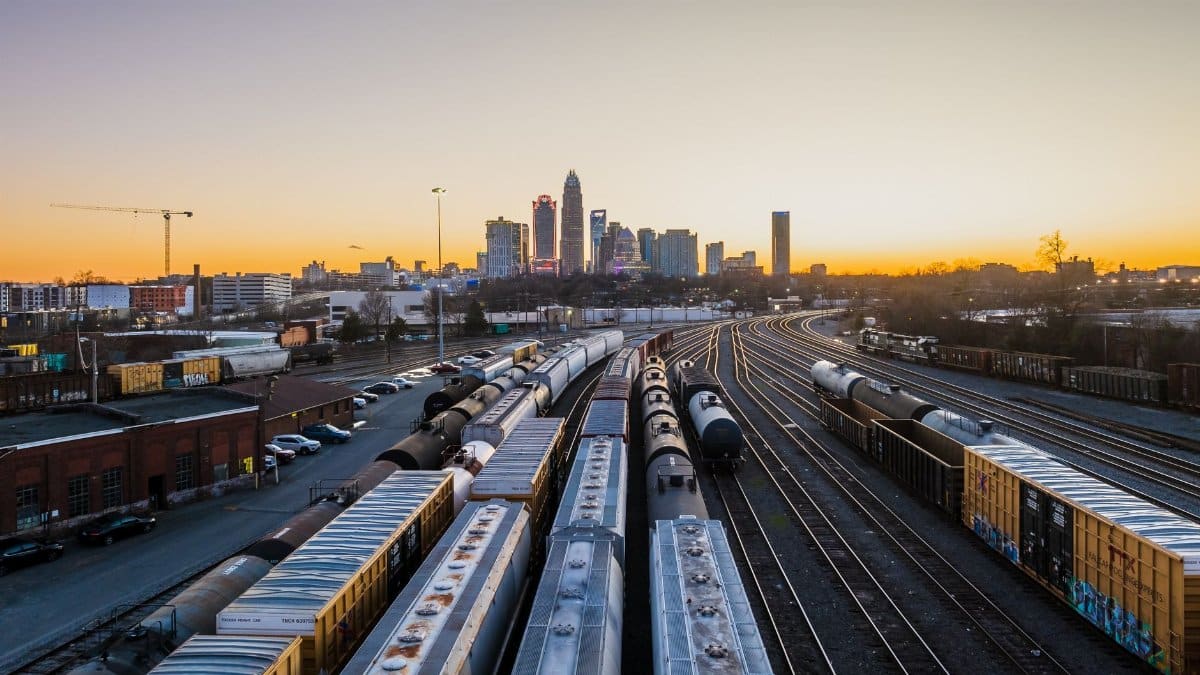
The hours that do not appear on a ticket are often the hottest. A tailgate that starts as a pleasant plan becomes a slow roast when the canopy is too small and the grill throws extra heat into an already heavy afternoon. Children last less time than adults expect. Older relatives, proud of never missing a Sunday, sit longer than they should because leaving early feels like surrender.
Transit changes the calculation without erasing it. A train or bus can spare a family the worst of a sunbaked lot, then deposit them into a walk that still counts. Rideshare cuts the walk and adds a wait in a queue of idling cars. None of these choices is foolish. Each one still requires a clock. The Houston Texans heat forecast is most useful when it is read against those unpaid hours, not only against the scheduled kickoff. If the heat index is near 100 at 1 p.m., the person who arrived at 11 has already spent a small season outdoors.
How players and staff treat heat as a workplace
Professional football builds heat into its routines. Trainers watch body weight, cramps, and the small changes in posture that precede a larger problem. Practices in camp are staged with breaks and medical staff for a reason. A Sunday in September or whenever this weekend falls on the calendar is not camp, but the body does not grant a holiday because the lights are brighter and the crowd is louder.
Fans sometimes romanticize toughness. They should not. A league that employs full time medical people is admitting that effort alone does not negotiate with physics. Hydration starts before the stadium, not at the first sign of a headache. Shade is a tool, not a luxury. The same is true for ushers, concession workers, police officers, and the people directing traffic who will be outside longer than most ticket holders. Their Sunday is a shift. Heat is part of the job description, which is exactly why it deserves the same respect as any other workplace hazard.
A Sunday gathering with older habits than the scoreboard
There is a reason so many people still organize a week around a single afternoon. Football in this city functions as a civic ritual, closer to a standing appointment than to entertainment consumed alone. Families meet. Congregations of friends claim the same corner of a lot. Someone brings the food their people expect. Someone else keeps a seat for a person who is always late. The heat does not cancel that impulse. It tests it.
Rituals survive when they bend. A shorter visit can still be a faithful one. Watching the first half from a shaded spot, then the rest from a room with moving air, is not a lesser kind of loyalty. It is attention paid to the people in the chairs, not only to the team on the field. Houston has churches, mosques, temples, and living rooms that already know this lesson. Weather is not a moral test. Ignoring it is not devotion. It is forgetfulness.
What to carry, and what to leave in the car
Practical preparation is less glamorous than a new jersey and more likely to decide whether the day ends well. Water matters more than another sweet drink. A hat and a light shirt with sleeves beat the costume that photographs well and cools poorly. Sunscreen belongs on skin that will see the lot, not only on skin that might see the field. A cooling towel sounds like a gadget until the neck starts to pound.
Know the early signs of trouble and treat them as information, not as embarrassment. Heavy sweating that suddenly stops, confusion, nausea, a headache that will not yield, skin that feels hot and dry: those are reasons to get into shade, to cool the body, and to ask for medical help rather than to wait for the next commercial. The Centers for Disease Control and Prevention keeps plain guidance on heat illness at cdc.gov. Reading it on Saturday is a better use of ten minutes than discovering it on a phone in a crowded concourse.
Leave the heroics in the car. That includes the plan to tough out a full afternoon with one bottle of water because lines are annoying. Lines are annoying. Heat illness is worse.
Reading the Houston Texans heat forecast like a local
Locals have a vocabulary for this season that visitors should borrow. Muggy means the heat index deserves more attention than the high. A slight chance of storms means a small geographic lottery, not a scheduled cooldown. Feels like 100 means the walk will cost more than the map suggests. The Houston Texans heat forecast earns its keep when those phrases are translated into decisions: when to leave the house, where to meet, how long to stay outside, who in the group needs the shortest exposure.
It also earns skepticism of false precision. A forecast is a best reading of a moving sky, updated as new observations arrive. Check it again in the morning. Check the heat index, not only the pretty icon of a sun. If a heat advisory appears, treat it as the official voice catching up to what the parking lot already knows. If it does not appear, do not relax simply because a formal label is absent. Near 90 with thick Gulf moisture can still punish a careless afternoon.
The city around the stadium keeps its own clock

Game day heat is not confined to one address on Kirby Drive. The same air sits over bus stops, church parking lots, youth fields, and restaurant patios where people will gather whether or not they hold a ticket. A Texans Sunday concentrates the issue because so many bodies move at once toward one place. It does not invent the issue. Houston lives with this climate for months, and the weekends when football returns simply make the arithmetic visible.
That visibility is useful. When tens of thousands of people share a forecast, small choices scale. Extra water stations, earlier openings of cooled space, clearer messages about the heat index, patience from drivers who would rather not idle in a furnace: these are civic details, not extras. They will not change the score. They will change who gets home upright.
After the whistle, the air does not reset
Kickoff is a beginning for the game and a midpoint for the weather. Evening can ease the sun without easing the humidity. The walk back to the car often happens in air that still feels close, with the added fatigue of noise, standing, and a day that started too early. People who felt fine at noon sometimes feel worst in the garage, or on the couch later, when the headache arrives with a delay.
Monday will bring its own forecast, and the pattern that produced this weekend may linger. One hot Sunday does not define a season. It does reveal habits. The fans who treated the Houston Texans heat forecast as part of the plan, rather than as scenery behind a highlight, will have spent their attention where it belonged: on the people beside them, and on a city that asks for respect every time the Gulf breathes across it.
A clear eyed way to want the game

None of this requires gloom. Houston knows how to host a Sunday. The Texans and the Bengals can still give the crowd a reason to stand up. Food can still taste better outdoors than it has any right to. The point is proportion. Want the game. Want the company. Want the noise. Then give the heat the same seriousness you would give a starting quarterback who has earned it. Highs near 90 and a heat index around 100 are not exotic. They are enough.
Check the morning update. Leave earlier than pride suggests. Drink before thirst becomes a speech. Sit the person down who says they are fine and looks otherwise. The forecast has already done its job if it changes the shape of the day by a few careful degrees. The rest is football, which is plenty.