
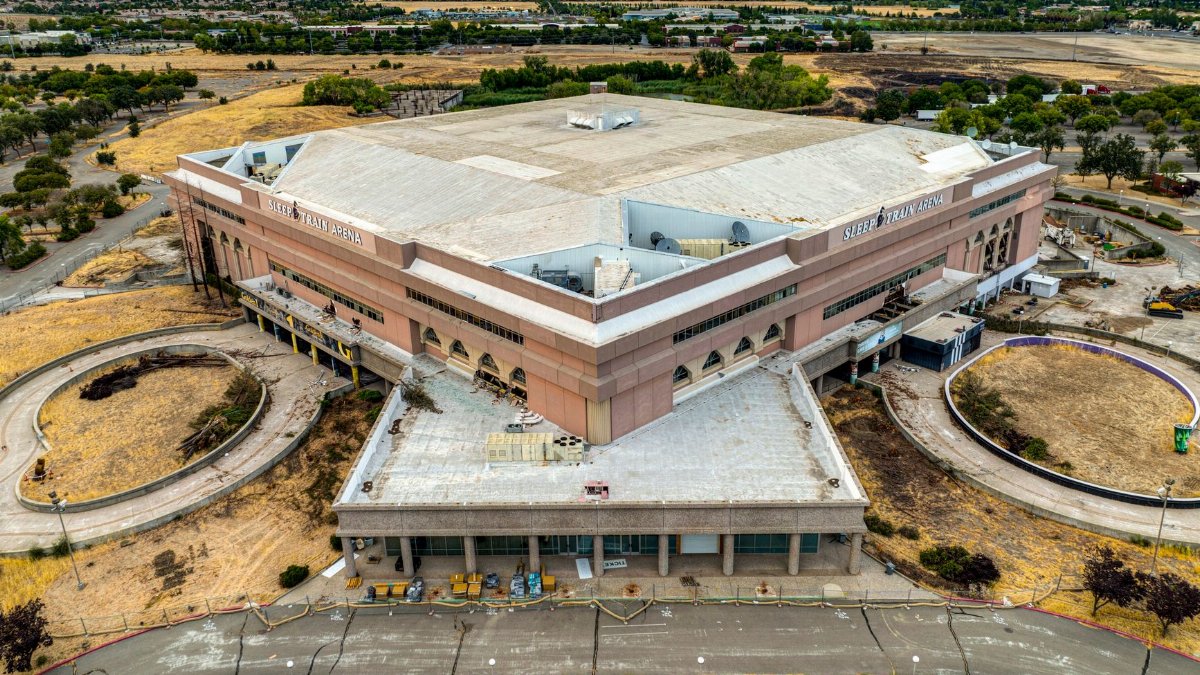
The Cow Palace stands as a relic of another era on the southern fringe of San Francisco. Built decades ago this massive arena once hosted rodeos political conventions and rock concerts that drew crowds from across the region. Now with the relentless growth of artificial intelligence and cloud computing the site is under consideration for transformation into the Cow Palace data center. This proposal highlights the intense pressure on land use in the Bay Area as technology companies seek space for their expanding operations.
Origins of a Landmark Arena
Constructed in the middle of the twentieth century the Cow Palace earned its name from early plans to shelter livestock during major agricultural events. Over time it evolved into a versatile venue capable of accommodating everything from basketball games to national political gatherings. Its location near the edge of San Francisco made it accessible yet somewhat removed from the denser urban core allowing for large scale events without immediate residential conflicts.
Shift Toward Technology Infrastructure
Recent interest in converting the property reflects broader trends in the technology sector. Companies require vast facilities to house servers that support artificial intelligence applications and data storage needs. The Cow Palace data center concept would repurpose existing structures and surrounding land to meet these demands in a region already known for innovation.
Economic Pressures Driving Change
San Francisco and its surrounding counties face high costs for commercial real estate which pushes developers to explore unconventional sites. A data center at this location could generate steady tax revenue and construction jobs during the build phase. Local officials have begun preliminary discussions about zoning adjustments that might allow such a project to proceed while balancing other community priorities.
Community Reactions and Concerns
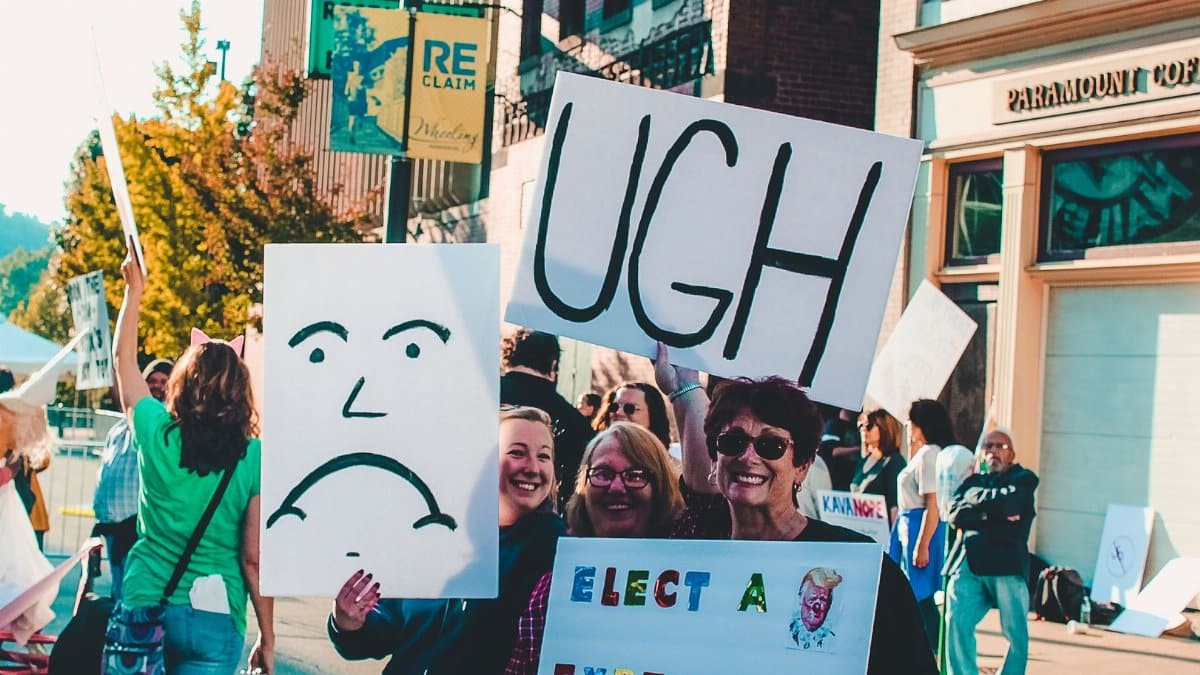
Residents in nearby neighborhoods have expressed mixed feelings about the potential conversion. Some welcome the prospect of new employment opportunities while others worry about increased traffic noise and changes to the character of the area. Public meetings have provided forums for voicing these perspectives though no final decisions have been reached.
Energy Demands and Environmental Factors
Data centers consume significant amounts of electricity which raises questions about power sources and sustainability. Planners would need to address how the Cow Palace data center could integrate with regional grids without straining existing resources. Discussions have touched on possibilities for renewable energy partnerships that might offset some of the operational impacts.
Comparisons With Other Regional Projects
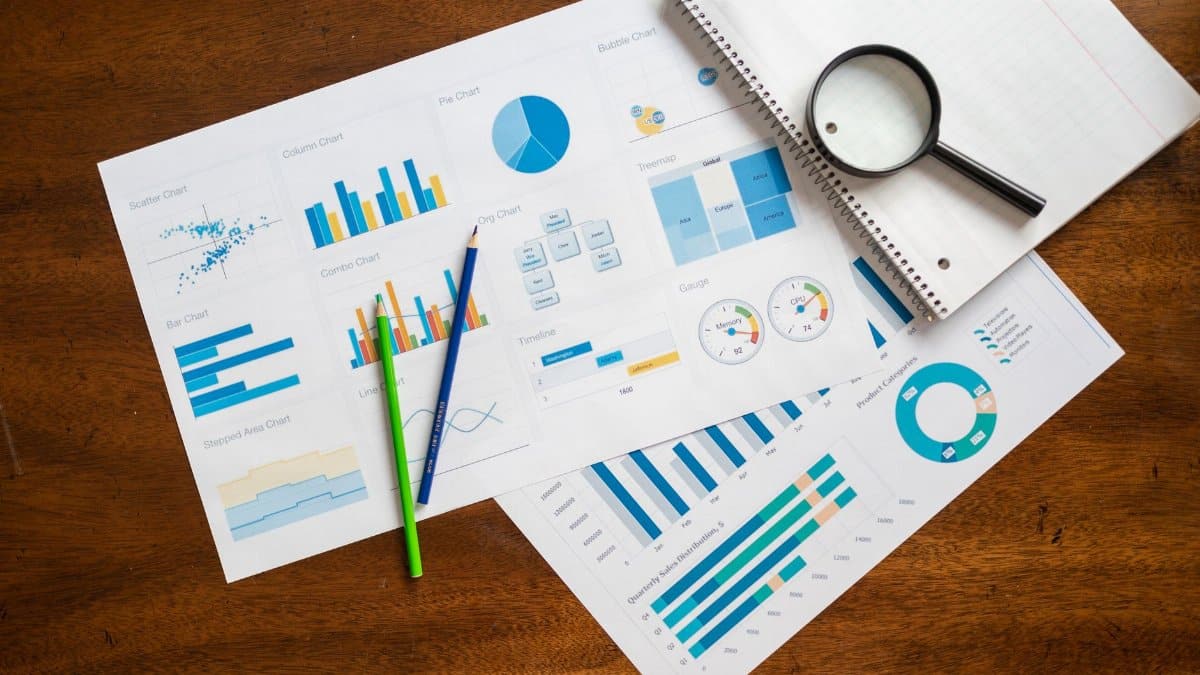
Similar conversions have occurred elsewhere in California where older industrial or entertainment sites were adapted for technology use. These examples offer lessons on traffic management and community integration that could inform decisions here. The scale of the Cow Palace site presents both opportunities and challenges distinct from smaller facilities developed in recent years.
Regulatory Steps Ahead
Any development would require approvals from city and county agencies along with environmental reviews. These processes typically involve detailed studies on traffic patterns air quality and water usage. Advocates for the Cow Palace data center emphasize the need for streamlined yet thorough evaluations to keep pace with industry growth.
Future Possibilities for the Site

If approved the project could mark a notable transition for a venue with deep roots in local culture. Preservation of certain architectural elements might be considered to honor its history while accommodating modern requirements. The outcome will likely influence how other legacy properties in the Bay Area are viewed amid ongoing technology expansion.