
On a late summer morning the white bathtub ring around Lake Mead looks less like a shoreline and more like a verdict. Tour boats idle below rock that used to sit underwater. In Phoenix, Las Vegas, and the farm towns of the Imperial Valley, the same shrinking reservoir is the quiet engine of a Colorado River water war that no governor can win by press release. The river that once seemed large enough for cities, alfalfa, and lawns is now a ledger of promises written in a wetter century. Arizona and Nevada are pressing harder for a share they say the rules still owe them. California answers with senior rights and a long memory of who built the canals. The water, meanwhile, does not increase to match the argument.
A ledger written for a wetter river
The modern fight begins with arithmetic that no longer fits the landscape. In 1922 the Colorado River Compact split the basin and assigned large volumes to the upper and lower states, on the belief that the river would keep delivering what tree rings later showed was an unusually generous run of years. Later agreements gave California the largest lower basin claim, Arizona a smaller but still vast one, and Nevada a thin slice suited to a small population that did not stay small. Mexico received a treaty share. Cities grew. Farms stayed. Snowpack faltered. The Bureau of Reclamation has already had to declare shortages and cut deliveries. The contracts did not shrink on their own. That gap, between paper and flow, is what turns ordinary bargaining into a Colorado River water war.
Why the three states cannot all be satisfied
Arizona, Nevada, and California share the lower basin, but they do not share the same political pain. California holds senior priority on much of its supply, a fact that still shapes every closed door meeting. Arizona spent decades in court to secure its allocation and then built the Central Arizona Project to move that water uphill to Phoenix and Tucson. Nevada depends on Lake Mead for most of the water that keeps Las Vegas alive, even after the city became a national model for reuse and conservation. If the reservoir keeps falling, junior users feel the cut first. If seniors are asked to give ground anyway, they call it a rewrite of law. Either path leaves someone short. There is no hidden surplus waiting behind the next wet winter.
Arizona and the memory of being last in line

Arizona officials speak about this fight with the memory of exclusion. For much of the twentieth century the state watched California put river water to use while Arizona argued for a firmer claim. The Supreme Court eventually confirmed Arizona’s share, and the canal system that followed remade the desert cities. That history makes any new reduction feel like a return to second class status. Farmers in Pinal County and homeowners in Maricopa County do not experience a cut as an abstract percentage. They experience it as a well that must go deeper, a subdivision that may not get a assured supply, or a crop that no longer pencils out. State leaders therefore press the claim that burden should follow use, not only the age of a contract. Their voters expect nothing softer.
Nevada and the narrow margin of a desert city

Nevada uses less river water than its neighbors, and it likes to say so. Lawns have given way to desert landscaping. Indoor water is treated and returned. Hotel fountains are no longer the whole story, even if they remain the postcard. None of that erases a structural fact. Las Vegas sits downstream of a reservoir that also stores water for people who live hundreds of miles away. When Lake Mead drops, the intake pipes, the power generation, and the psychology of the city all move with it. Nevada’s negotiators argue that a state which has already squeezed waste should not be punished in proportion to neighbors who still flood irrigate low value crops. The argument is morally tidy. The hydrology is not. A small allocation can still be an existential one.
California and the weight of senior rights

California enters every round with the strongest paper and the largest thirst. Imperial Valley growers produce winter vegetables that stock grocery stores across the country. Coastal cities built their growth on imported supplies and on a legal culture that treats priority as something close to property. When federal officials ask the state to accept deeper voluntary cuts, farm districts answer that they have already fallowed land, lined canals, and transferred water to cities under agreements that took years to write. They are not wrong about those efforts. They are also not the only people who can point to sacrifice. Seniority was a rational rule when the river seemed endless. It becomes a political explosive when the river is not. California can win a lawsuit and still lose the climate.
Farms, cities, and the crops nobody wants to name
Public debate likes a simple villain. Alfalfa shipped overseas, golf courses, and swimming pools all make easy targets, and some of that criticism is fair. A large share of lower basin water still goes to agriculture, because that is what the original projects were built to do. Cities, for all their growth, remain the smaller slice. The harder conversation is about which crops, in which valleys, at what price, should continue when a shortage is no longer a temporary emergency. Paying farmers not to plant can bridge a year. It cannot be the permanent constitution of the West. Urban agencies can raise rates, ban ornamental grass, and recycle more wastewater. Those tools matter. They do not conjure snow in the Rockies. Any honest settlement has to say, in public, who will grow less.
Tribal nations and promises older than the compact
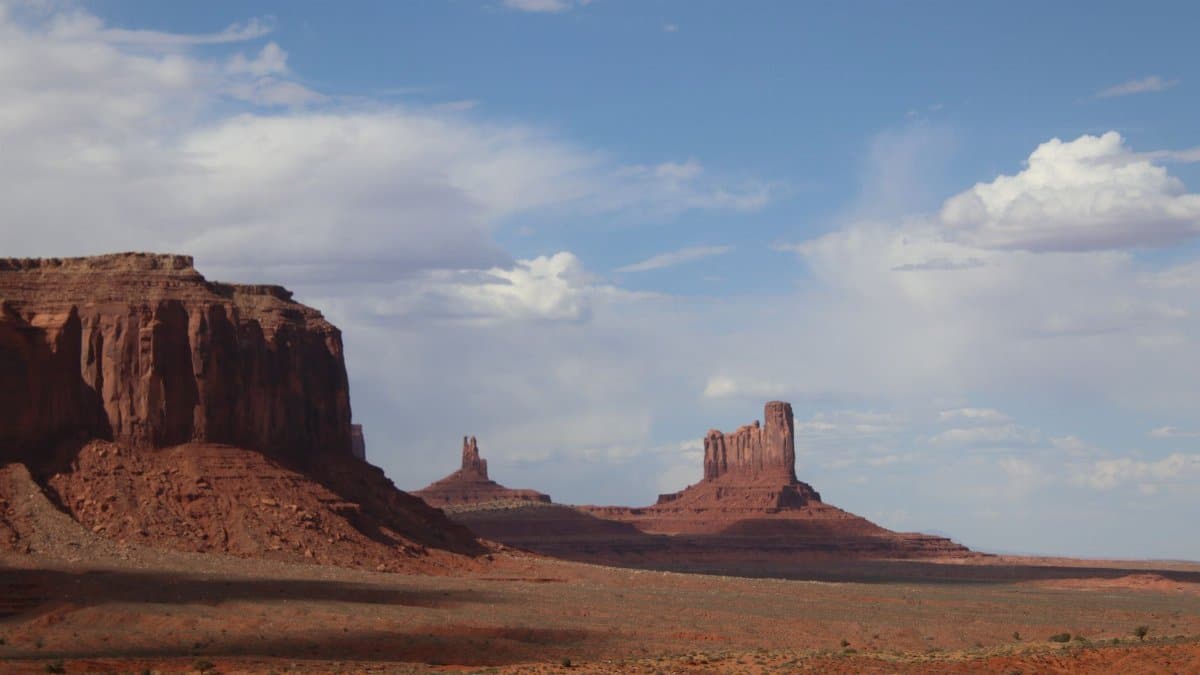
The three states do not negotiate on an empty map. Tribal nations hold rights that predate the compact and, in several cases, remain only partly delivered. The Colorado River Indian Tribes, the Quechan, the Navajo Nation, and others have claims that courts and settlements have recognized in pieces over decades. For a long time those rights were treated as a footnote while states divided the visible flow. That era is ending. A durable deal that ignores tribal water is not durable. It is a lawsuit waiting for a docket. Including those rights means the already insufficient supply must stretch further. It also means the moral frame of the Colorado River water war changes. This is not only a contest among statehouses. It is a reckoning with who was written out at the start.
The federal government as reluctant referee
When the states miss a deadline, Washington becomes the referee nobody fully trusts. The Interior Department can model shortages, threaten unilateral cuts, and try to force a compromise by publishing a preferred alternative. That power is real, and it is clumsy. A federal order can move water on paper faster than politics can move it on the ground. It can also land in court, where senior rights, environmental statutes, and treaty duties to Mexico all collide. Career hydrologists at the reclamation agency tend to describe the problem in elevation bands and release schedules. Governors describe it in jobs and elections. Both descriptions are accurate. Neither produces an extra million acre feet. The referee can assign pain. The referee cannot repeal evaporation.
What parched looks like beyond the reservoir
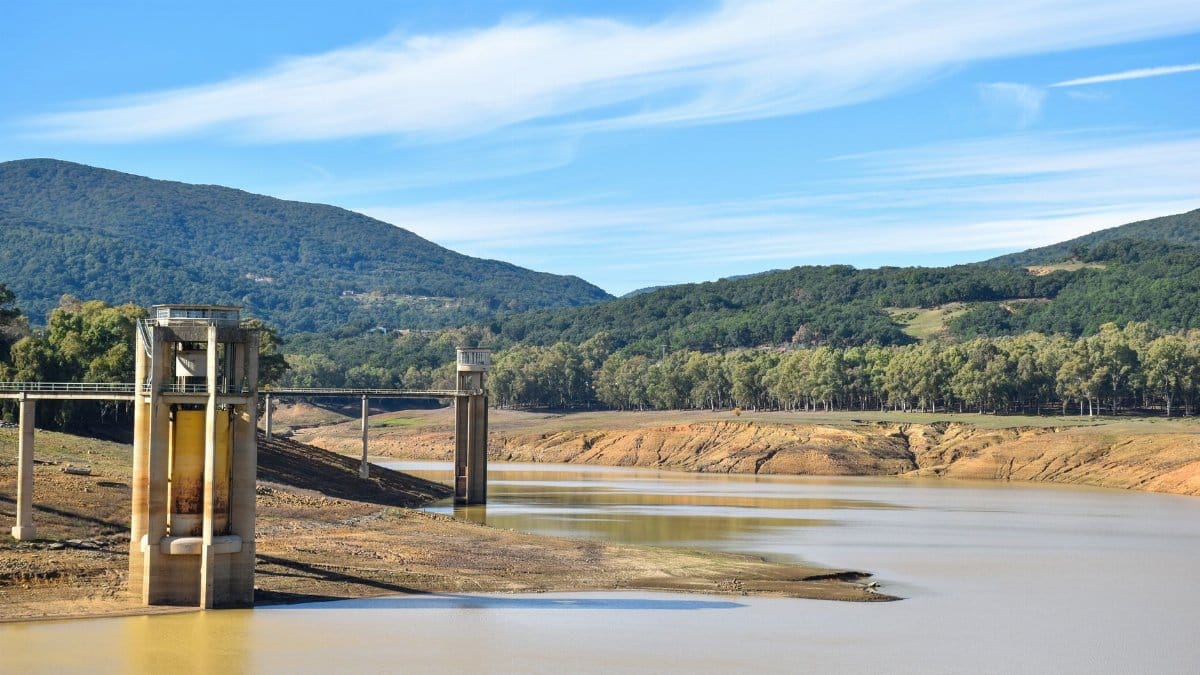
Shortage is often reported as a number of feet above a dead pool. Households feel it later, and differently. In a desert suburb it may arrive as a higher water bill, a brown common area, and a builder who cannot get a certificate because the assured supply is gone. In a farm town it may arrive as a field of dust, a crew that is not hired, and a school district with fewer children. Power customers notice when dams generate less electricity and utilities buy replacement power at a worse hour of the day. None of these effects require a single dramatic day when the taps stop. They accumulate. That is why the phrase water war misleads if it suggests a battle with a winner. The more likely end is a long period in which all three states are merely less parched than they feared, and more parched than they promised their voters.
Conservation that already happened, and why it is not enough
It would be false to write this story as if nothing has changed. Southern Nevada recycles nearly all of the water that enters its drains. Arizona cities have stored water underground for dry years. California agencies have paid for fallowing and canal lining, and urban use per person has fallen even as population rose. Those gains are why the system has not already failed in a more spectacular way. They are also why the next cuts are harder. The easy waste is partly gone. What remains is water tied to payrolls, mortgages, and food contracts. Asking for another round of voluntary sacrifice works until it does not. At that point the negotiation stops being about efficiency and becomes about rank. Who is junior. Who is essential. Who can afford to buy someone else’s shortage.
The upper basin is not a spectator
Although the sharpest public clash is among Arizona, Nevada, and California, the upper basin states watch every comma. Colorado, Utah, Wyoming, and New Mexico have their own growth plans, their own dry tributaries, and a long grievance that the lower basin used more than the compact imagined while the upper basin did not. They resist any deal that seems to lock in lower basin overuse or to demand releases the upper reservoirs cannot spare. A lower basin truce that ignores that grievance will not survive contact with the next dry year. The river is one system, even when the press conference is in one state capital. Snow that fails in the mountains does not ask which compact article it is supposed to satisfy.
Lawsuits, deadlines, and the temptation to wait

Every negotiator knows the dangerous incentive. If you believe a court will protect your priority, compromise looks like surrender. If you believe a wet decade is still possible, delay looks like prudence. Both bets have been made before. Both have costs that do not show up in a legal brief. Canals do not pause while appeals are briefed. Cities still issue building permits. Farmers still decide in winter what to plant in spring. A strategy of waiting for a friendlier judge or a friendlier snowpack is a strategy of letting the reservoir make the decision. Reservoirs are impartial. They are not kind. The Colorado River water war intensifies not because leaders enjoy conflict, but because the calendar of politics is slower than the calendar of evaporation.
A settlement that admits there is no victory
The adult version of a deal is easy to describe and hard to sign. It would cut deeper than the voluntary packages of recent years. It would spread pain across farms and cities rather than hiding it in the junior position of one state. It would fund tribal settlements with actual wet water, not only paper. It would price transfers so that a grower who fallows land is paid, and a city that buys that water cannot pretend the supply is new. It would tell voters, in plain language, that the twentieth century allocation is over. Arizona will not get everything the canal was built to carry. Nevada will not be insulated by good behavior alone. California will not be saved by seniority if the elevation keeps falling. That is not a slogan. It is the only forecast that matches the river.
Living with a smaller claim

Readers outside the basin sometimes treat this as a regional quarrel, a Western story with dusty photos and angry quotes. It is also a national food story, a housing story, and a test of whether old legal tools can survive a climate they never measured. The states will keep talking, because the alternative is a tangle of injunctions and empty ditches. They will also keep losing, in the limited sense that none of them will leave the table with the full amount their twentieth century documents describe. The useful measure is not who shouted last. It is whether the next operating rules tell the truth about a diminished river before the bathtub ring drops another story. In that Colorado River water war, the ending is already visible. All three states can be partly right about the past and still end up parched.