
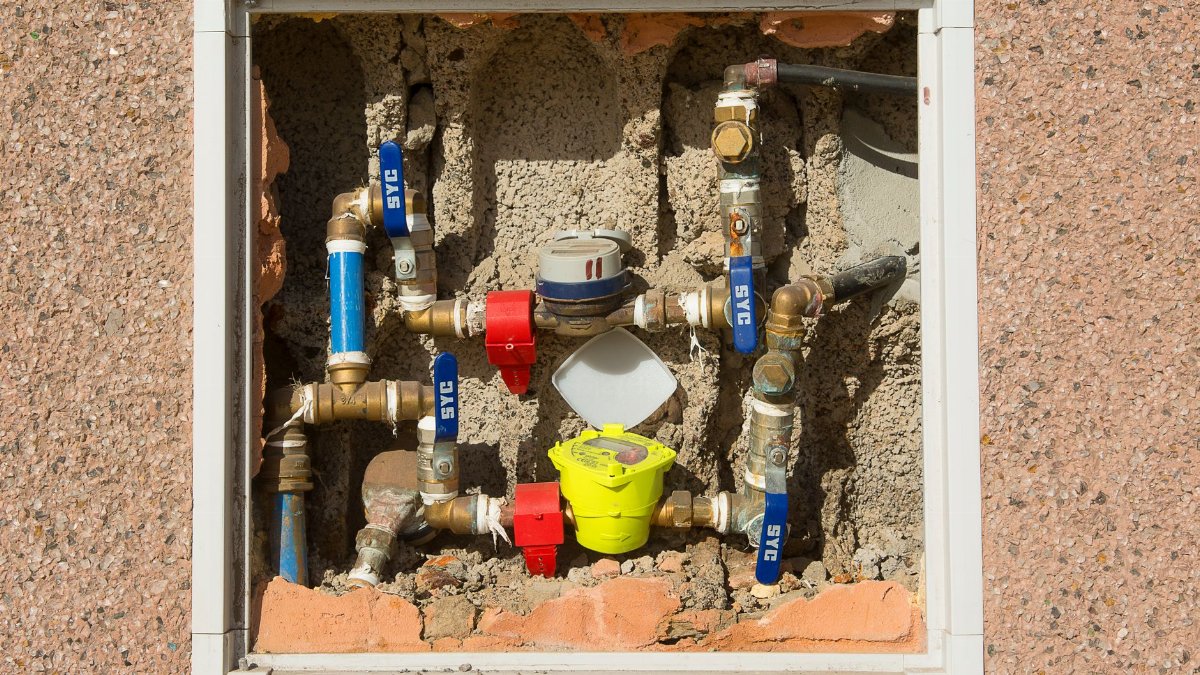
In the city of Hialeah a new initiative known as Water Meter Pilot has begun to test advanced technology for monitoring water usage among residents. This program aims to bring more precise measurements to utility services and potentially reduce costs for households by eliminating estimation errors in billing. Officials hope that the trial will demonstrate benefits that could lead to wider adoption across the area while addressing long standing concerns about fairness in how water is measured and charged.
Community Response to Utility Changes
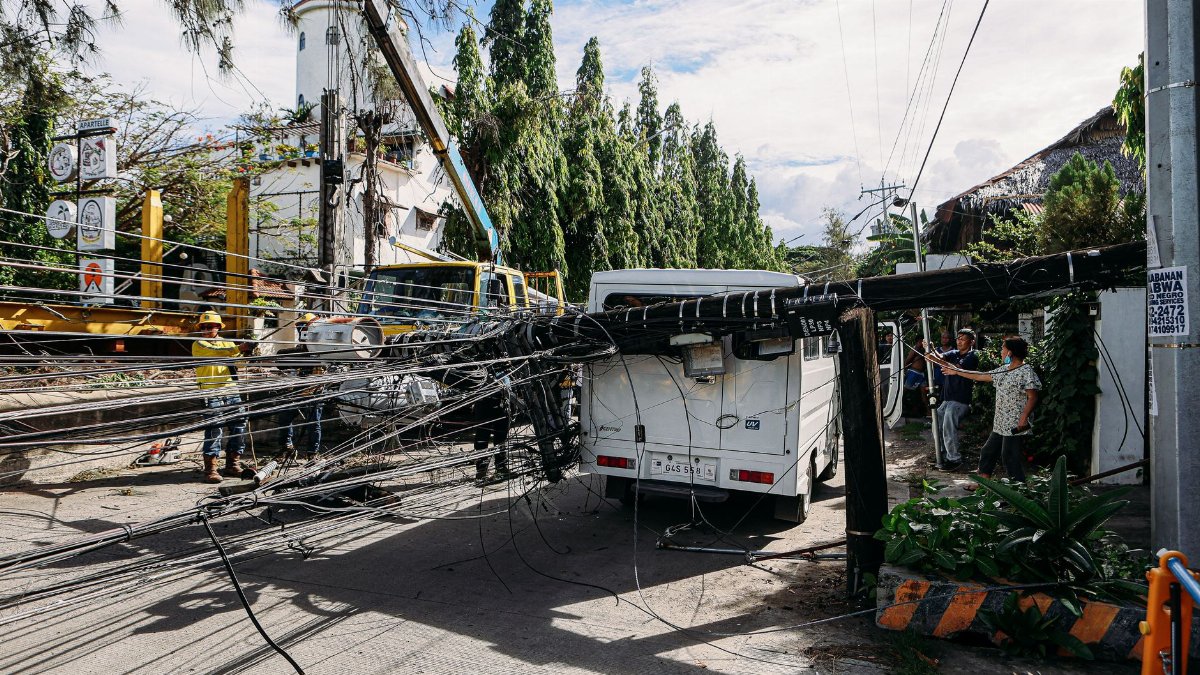
Residents in Hialeah have shown a mix of curiosity and caution toward the fresh approach to tracking water consumption. Many households have dealt with unexpected spikes in their bills due to outdated methods that rely on estimates rather than real time data. The pilot seeks to change that pattern by installing devices capable of delivering exact figures on a regular basis.
Technical Details Behind the Devices
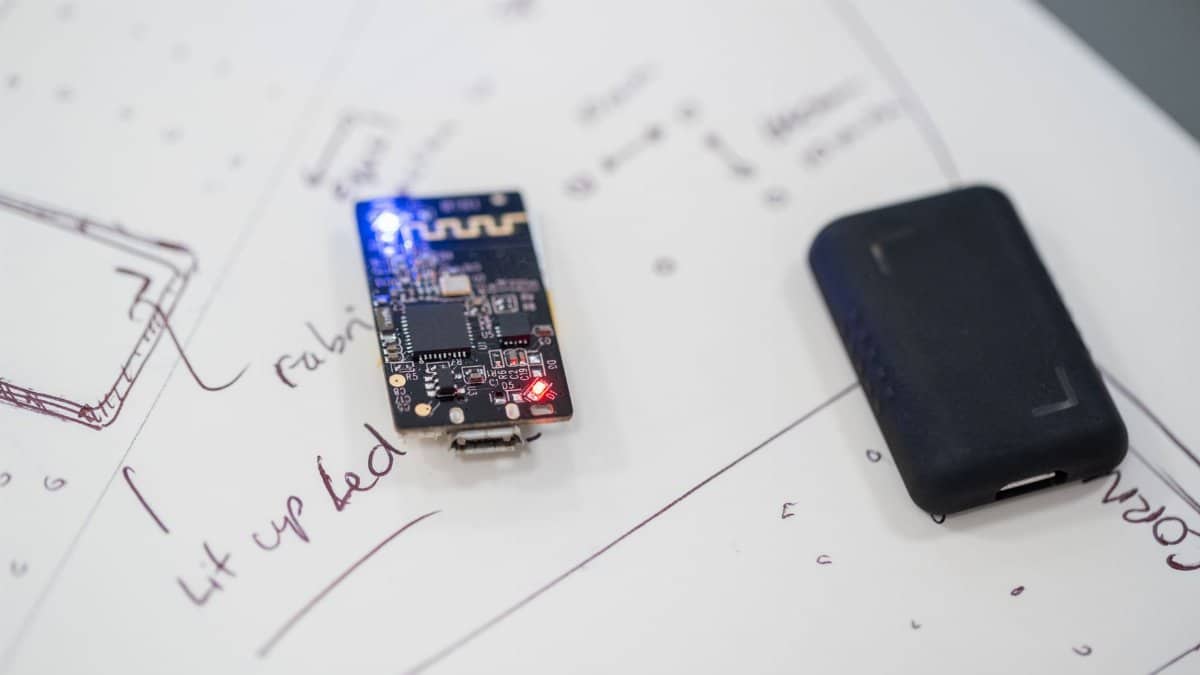
The equipment selected for this effort uses digital sensors to capture flow rates with greater reliability than older mechanical versions. City engineers explain that these tools can detect leaks earlier and provide data that helps both the utility and the customer understand patterns of use throughout the day or week.
Potential Savings for Local Households

Early projections suggest that accurate readings could lower average monthly expenses for families who have been overpaying because of faulty estimates. In areas where similar trials took place the shift to better technology often resulted in noticeable reductions once the system stabilized and adjustments were made.
Environmental Advantages of Precise Tracking

Better measurement supports conservation efforts by highlighting where water is being lost through undetected issues in pipes or fixtures. This aligns with broader goals of preserving resources in a region that faces periodic stress on its supply during dry seasons.
Role of City Officials in Oversight

Local leaders have formed a committee to review progress at regular intervals and gather feedback from participants. Their involvement ensures that the trial remains transparent and responsive to any problems that arise during the testing phase.
Comparisons With Other Regional Efforts
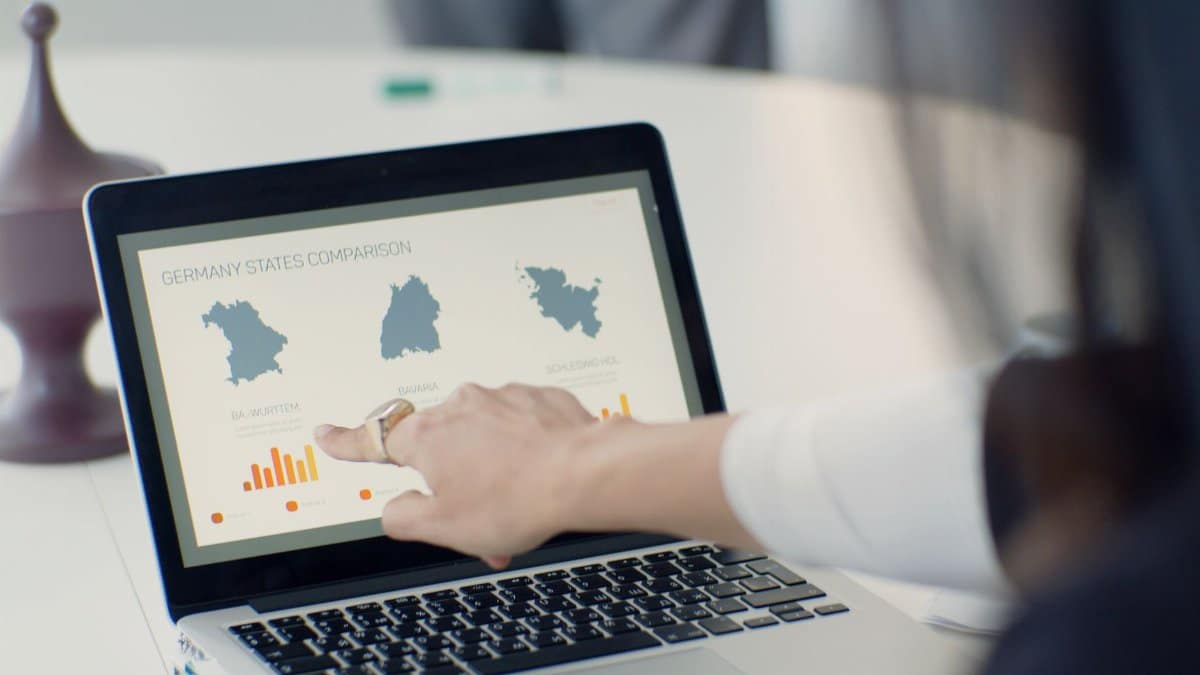
Nearby communities have explored upgrades to their own systems in recent years with varying degrees of success. Hialeah draws lessons from those experiences to refine its own rollout and avoid common pitfalls such as inadequate training for staff or insufficient public education.
Future Expansion Possibilities

If the current phase meets its targets the program could grow to cover additional neighborhoods within the next few years. Planners emphasize the importance of evaluating results carefully before committing to a full scale transition.
Impact on Daily Life for Participants

Families involved in the pilot report that the new meters require little adjustment on their part yet offer peace of mind through clearer statements. Some have begun to monitor their habits more closely as a result of seeing detailed breakdowns.
Challenges Encountered During Installation
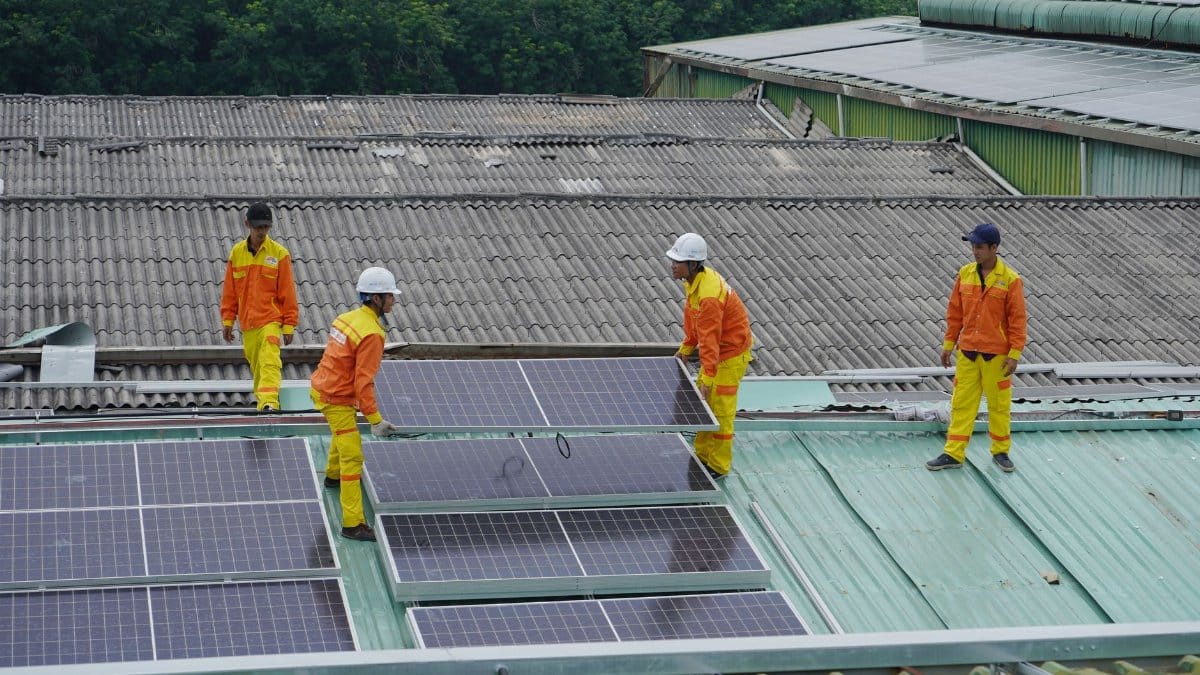
Workers faced occasional delays when accessing older properties or navigating narrow streets in certain districts. These hurdles were addressed through coordination with neighborhood associations and flexible scheduling.
Public Education Campaigns Underway

Workshops and informational materials have been prepared to explain how the technology functions and what residents can expect. Clear communication helps build trust and encourages cooperation throughout the trial period.