
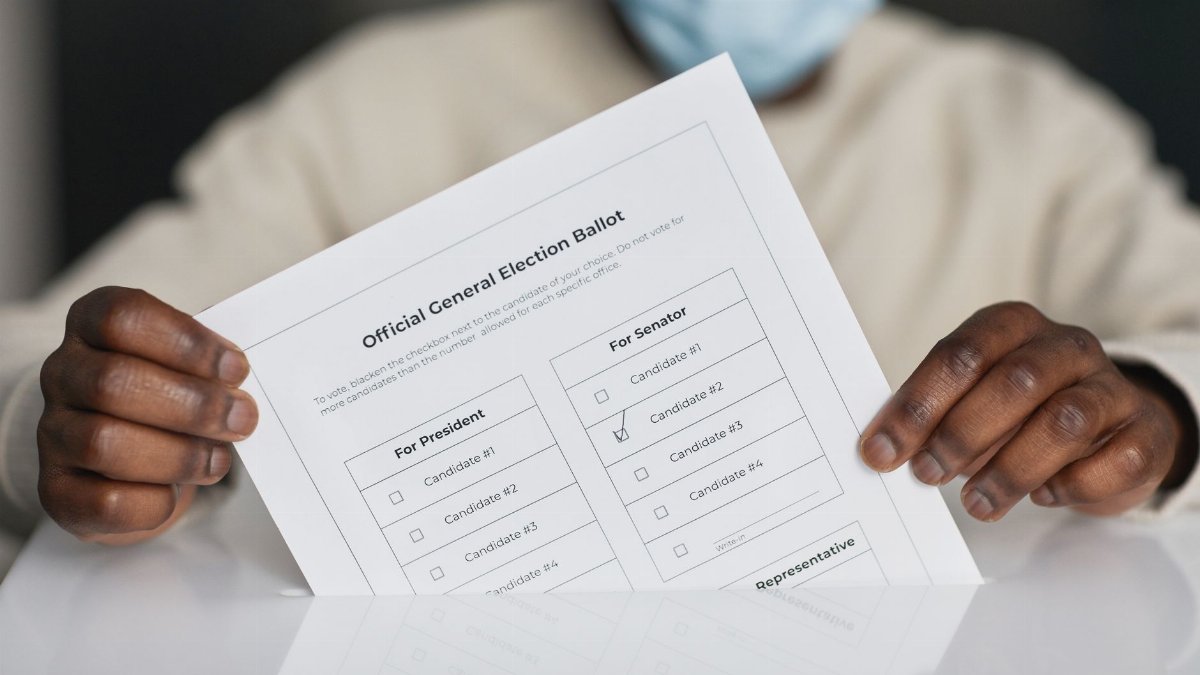
On a humid evening in Coconut Grove, a neighbor slid a folded sample ballot across a patio table and asked which names deserved a mark. The question was practical, not theatrical. Property taxes, school boards, judges, and a thicket of state contests can feel like a blur once the print gets small. That is why many readers still turn to the Miami Herald 2026 endorsements, not as a command but as a starting map drawn by people who sat through the interviews the rest of us missed.
What a recommendation actually promises
An endorsement is a judgment offered in public, with a byline the newsroom has to live with. It is not a coronation and it is not a secret handshake. The Herald Editorial Board’s general election package, released ahead of the November 3 ballot, gathers recommendations for local and state races into one place so a reader can see the pattern, not only the isolated name. The promise is narrower than critics sometimes claim and wider than fans sometimes admit. The board is saying: we asked questions, we weighed records, and this is the choice we would make.
That promise carries a duty. A recommendation that cannot explain itself is only a slogan. Readers in a city as argumentative as Miami have every right to demand the reasoning, the tradeoffs, and the places where the board hesitated. A good endorsement page leaves room for disagreement without pretending the disagreement is ignorance.
Why the ritual survives a skeptical age

Newspaper endorsements have lost some of their old magic. Party cues travel faster than editorials. Social feeds reward heat. Many voters already know how they feel about the biggest names before any board meets. Yet the ritual survives because so much of a Florida ballot is not famous. County commission seats, judicial retention, special districts, and down ballot legislative fights rarely earn a prime time argument. In those races a patient newsroom can still do work that a viral clip cannot.
I have watched friends who swear they ignore editorials still ask, the week before Election Day, what the paper said about a judge or a school board member. The ask is rarely obedience. It is a request for a second set of eyes. In a year when attention is scarce, that request is a form of trust, and trust is not the same thing as surrender.
Local races where the print still changes a Tuesday
Miami politics is intimate and expensive at the same time. A commission vote can redirect a waterfront, a zoning fight, or a bus route that a commuter uses every morning. Those decisions do not always announce themselves as ideology. They announce themselves as delay, density, drainage, and who gets heard at a late meeting. The Miami Herald 2026 endorsements matter most, in my view, when they slow the reader down in exactly those contests.
Local government rewards incumbents who know the machinery and challengers who know the grievance. Neither virtue is enough by itself. A board that has covered the beat for years can notice when experience has curdled into entitlement, and when a fresh voice has not yet learned the budget. That kind of notice is unglamorous. It is also the closest thing journalism has to neighborly advice.
State contests and a familiar masthead

State races pull the lens wider. Legislators write the rules that counties must live inside, from insurance to schools to the scope of local control. A Miami reader can care deeply about a street and still be governed by a vote cast in Tallahassee. Endorsements at that level ask a different question: not only who understands this city, but who will not treat this city as an afterthought.
The board’s recommendations for those contests will not settle the argument between parties. They can, however, mark where a candidate’s record diverges from a slogan. Insurance costs, housing supply, voting rules, and the health of public institutions are not abstractions here. They show up in premiums, rents, and the length of a line at a polling place. A masthead that has watched those pressures season after season has something to say, even to readers who start from a different prior.
How a board earns the right to choose
Process is the unfashionable part of credibility. Editorial boards typically interview candidates, read questionnaires, revisit prior coverage, and argue among themselves before a name goes on the page. None of that makes the board infallible. It does separate a recommendation from a mood. When the Miami Herald 2026 endorsements appear as a set, the useful reader looks for consistency of method. Were similar questions asked of similar candidates? Were failures in office treated as failures, regardless of party? Was a newcomer given a fair hearing without being graded on charm alone?
Transparency is not a performance. It is the difference between an opinion and a decree. Readers should be able to see what the board valued: competence, integrity, independence, a grasp of the job, a willingness to answer hard questions. If those values are clear, a voter can borrow the homework without borrowing the conclusion.
The readers who trust the paper and the readers who do not

South Florida does not share one political church. Cuban, Haitian, Venezuelan, Colombian, and long rooted American constituencies bring different memories of government into the same precinct. Some households treat the Herald as a civic utility. Others treat it as a suspect narrator. Both postures can be lazy if they stop at the logo.
A healthier habit is selective trust. Use the Miami Herald 2026 endorsements as a dossier, then test the dossier against what you have seen. If you already dislike the paper, read the endorsement you are most inclined to reject and ask whether the facts inside it are still facts. If you usually agree with the paper, read the endorsement that flatters your side and ask whether the praise is doing too much work. Agreement is not evidence. Neither is irritation.
Conscience, not cheerleading

This season of recommendations sits, oddly and fittingly, beside a broader hunger for meaning. Elections are civic machinery, but they are also moral occasions. They ask what we owe strangers who share our roads, our hospitals, our schools, and our storm seasons. Spiritual traditions differ on doctrine and converge, more often than campaign ads admit, on a few hard virtues: honesty, restraint, care for the vulnerable, and refusal to treat a neighbor as a prop.
An editorial board is not a pulpit. It should not pretend to be one. Still, the act of endorsing is a kind of public discernment. It says some ways of holding power are more worthy than others. Voters who pray, meditate, or simply sit quietly with a ballot are doing related work. They are trying to align a private conscience with a public choice. The paper can inform that alignment. It cannot complete it.
What November asks of this city

November 3 will not feel spiritual in a polling place. It will feel like a line, a pen, a sticker, and the ordinary anxiety of getting the address right. The spiritual part, if the word still earns its place, happens earlier, when a person decides that showing up is a form of stewardship. Miami knows fragility. Water, heat, insurance withdrawals, and the churn of new arrivals make complacency expensive. Local and state offices are where that expense is managed or ignored.
The editorial package is timed for that earlier decision. It arrives while there is still time to read, to argue at a kitchen table, and to look up a candidate’s actual duties. Waiting until the morning of the vote turns every recommendation into noise. Reading early turns it into material.
The limits of any slate of names
No board sees the whole field. Interviews can be staged. Records can be incomplete. A candidate who stumbles in a conference room may govern with care, and a candidate who sparkles may govern for donors. Endorsements also compress. A paragraph cannot hold a decade. Readers who want certainty will be disappointed, and they should be. Certainty is not on offer in a democracy that still lets you mark a different box.
There is another limit worth naming. A recommendation can crowd out quieter candidates if readers treat the list as a closed menu. The better use is comparative. See who was chosen, then see who was not, and ask what standard produced the gap. If the standard is intelligible, the list has done its job even when you defect from it.
A habit worth keeping after the stickers fade
The morning after an election, endorsements look either prophetic or foolish, depending on the count. That scoreboard is a poor teacher. The better measure is whether the city argued with better information than it had in September. If the Miami Herald 2026 endorsements helped a few thousand readers understand a judicial ballot, a legislative record, or a local budget fight, they earned their space. If they only rehearsed tribal lines, they wasted it.
I keep coming back to that patio in Coconut Grove. The ballot was still folded. Nobody was performing. Someone wanted a reason, not a mascot. That is the standard an editorial board should meet, and the standard a reader should demand, long after November 3 becomes another date on a damp sample ballot.