

In the heart of the Hamptons a village known for its scenic beauty and tight knit community has made a noteworthy choice. Officials there have passed a resolution that bans ICE cooperation with local police. This step aims to enhance trust among all who live and work in the area. The policy directs officers to focus on local laws rather than assisting federal immigration authorities. Supporters believe it will make the community safer by encouraging everyone to interact with police without hesitation. In an era of heated immigration debates this action stands out as a local effort to define its own priorities. It reflects a belief that effective policing depends on strong relationships. Residents hope the measure will protect vulnerable populations while maintaining public order. The development has sparked conversations about the proper role of local government in larger national issues.
A Village Draws a Clear Line

The small Hamptons village recently approved a formal directive that instructs its police department to cease participation in federal immigration enforcement actions. Passed during a public meeting that drew dozens of residents the resolution explicitly bars any agreements that would allow local officers to detain individuals solely for immigration violations. Village leaders emphasized that public safety remains the priority yet they argue that partnering with federal agents can undermine the confidence residents place in those who wear the badge. This marks one of the more pointed efforts by a Long Island community to assert local control over law enforcement practices. The language of the measure is careful yet firm avoiding any direct challenge to federal authority while clearly stating boundaries for day to day policing.
Roots of the Community Trust Effort

Discussions leading to this policy stretched over many months. Community meetings revealed stories of fear among immigrant workers who staff the kitchens restaurants and landscaping crews that keep the Hamptons functioning. Several faith groups quietly supported the conversation offering meeting space and encouraging dialogue grounded in principles of human dignity and neighborly concern. One local minister described the atmosphere as one of moral clarity rather than political confrontation. Data from regional surveys suggest that immigrant populations in similar suburban settings often avoid reporting crimes when they perceive any overlap between local police and federal immigration officials. By addressing that hesitation directly the village hopes to close a gap that has quietly affected response times and overall cooperation with law enforcement.
How the Policy Actually Works

Under the new rules officers may still exchange basic information already available in public records. However they cannot hold individuals beyond normal release times solely to accommodate Immigration and Customs Enforcement agents. Training sessions will reinforce these limits while reminding personnel that their primary mission involves responding to local concerns such as traffic safety theft and domestic disputes. Village officials consulted with legal experts to ensure the language would withstand potential challenges. The approach mirrors policies adopted in several other New York municipalities though its adoption in an affluent area known more for celebrity sightings than progressive experiments has drawn extra attention.
Immigrant Voices Find New Space
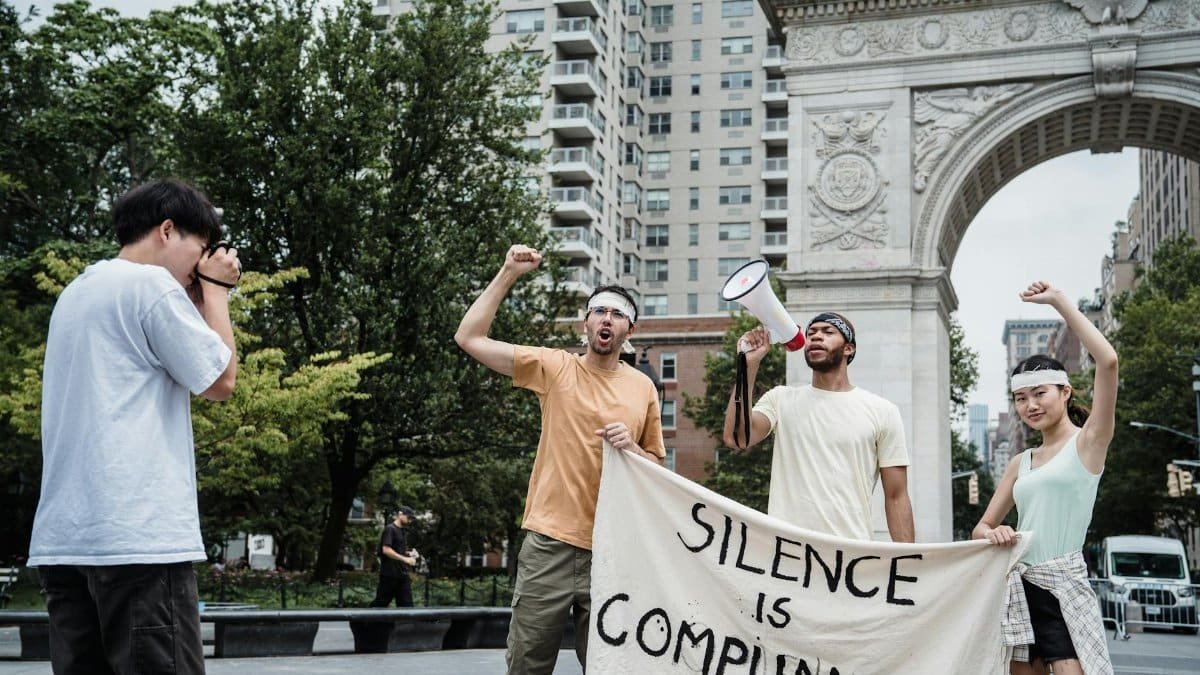
For many who have built lives in the shadows of multimillion dollar estates the decision brings measurable relief. One longtime restaurant worker who asked not to be named said he now feels more willing to call police if he witnesses trouble. Previously the risk of any encounter leading to deportation questions kept him and others silent. Community organizers report a noticeable uptick in attendance at neighborhood safety forums since the vote. These gatherings have allowed residents to discuss everything from bicycle theft to concerns about speeding vehicles along narrow lanes. The policy that bans ICE cooperation appears to be opening channels that were previously constricted by uncertainty and fear.
Perspectives from Local Officers

Police Chief Marcus Rivera has walked a delicate line in public comments. He acknowledges the value of community trust yet cautions that removing certain tools could complicate occasional cases. In private conversations with village board members he stressed that his department already focuses overwhelmingly on local matters. Most calls involve traffic accidents neighbor disputes or minor offenses. Rivera has committed to thorough training so every officer understands the new boundaries. His measured response has helped calm some residents who initially worried the change might signal a retreat from strong enforcement.
Faith Communities Shape the Conversation

This story carries a spiritual dimension that reaches beyond policy details. Several congregations in and around the village have framed the decision as an expression of compassion and justice drawn from longstanding religious teachings about welcoming the stranger. Clergy from Catholic Protestant and Jewish traditions jointly issued a statement praising the focus on human dignity. They described the measure as consistent with values that transcend political labels. Town hall meetings included moments of prayer and reflection before debates began. Such involvement reflects a broader trend in which faith groups seek to influence local governance on issues touching human vulnerability and community cohesion. Their presence lent moral weight to what might otherwise have remained a dry administrative debate.
Economic Realities in a Seasonal Landscape

The Hamptons economy depends heavily on seasonal labor. Many immigrant workers arrive each spring to prepare homes gardens and restaurants for the summer influx of visitors. These same workers often remain through winter maintaining properties and supporting year round residents. Local business owners have quietly welcomed the new policy noting that a fearful workforce can lead to higher turnover and operational headaches. Stable confident employees contribute more reliably to the local economy. By reducing anxiety around routine interactions with police the village may be protecting the very labor force that sustains its distinctive lifestyle. This practical consideration has proven persuasive even among residents who generally favor stricter immigration measures at the national level.
Legal Questions and Potential Pushback

Legal scholars are watching closely to see whether the resolution invites formal challenges. Federal authorities have in the past threatened to withhold certain grants from jurisdictions that limit cooperation though courts have often sided with local governments on such matters. A recent analysis by the Brennan Center for Justice notes that similar policies have survived scrutiny when carefully worded to avoid outright obstruction. Village attorneys reviewed comparable measures from across the state before drafting their language. While no immediate lawsuit has been filed observers expect the conversation to continue in legislative chambers and possibly in courtrooms during the coming year. The outcome could influence how other small communities approach this sensitive terrain.
Placing the Decision in National Context

Across the country hundreds of localities have adopted varying degrees of separation between local policing and federal immigration enforcement. The Hamptons village joins a list that includes both large cities and smaller towns seeking to balance competing priorities. Public opinion remains divided with polls from the Pew Research Center showing consistent majorities favoring some form of local discretion on these questions. Yet the symbolic weight feels different when the community in question sits within one of the nations most exclusive ZIP codes. The contrast between wealth and vulnerability has sharpened the debate and brought national media attention to what began as a local conversation. This decision that bans ICE cooperation therefore carries meaning beyond its immediate jurisdiction.
Reactions Reveal Deeper Divides

Response within the village has not been uniform. Some longtime property owners expressed concern that the policy might attract unwanted attention or reduce cooperation with federal agencies on serious criminal matters. Others cheered what they called a overdue recognition of shared humanity. Social media threads have reflected these tensions with sharp exchanges between neighbors who rarely disagree on other local issues. At the same time many residents have chosen to focus on practical outcomes rather than abstract arguments. Early indications suggest day to day policing continues without major disruption. The real test may come during the busy summer season when population swells and pressures on public services increase.
Looking Forward with Cautious Optimism

Village leaders plan to review the policy after twelve months of implementation. They will examine crime statistics community survey results and feedback from both police and residents. Should the data support continued success the measure could become a lasting feature of local governance. Even those who opposed the initial resolution have expressed willingness to examine evidence rather than ideology. The process itself models a form of deliberative democracy that feels increasingly rare in national discourse. By focusing on measurable impacts the community hopes to rise above partisan noise and discover what actually strengthens safety and cohesion in their unique corner of Long Island.
Values That Transcend Politics

At its core this story touches something deeper than administrative guidelines. It asks what kind of community the village wishes to become and what obligations its residents hold toward one another. The spiritual traditions represented in local congregations have repeatedly returned to themes of hospitality dignity and courage in protecting the vulnerable. These ideas resonate across faith lines and political affiliations. While the policy that bans ICE cooperation will continue to generate debate its deeper significance may lie in how it has compelled people to articulate their highest aspirations for the place they call home. In that sense the conversation has already yielded value that extends well beyond any single vote or legal clause.