
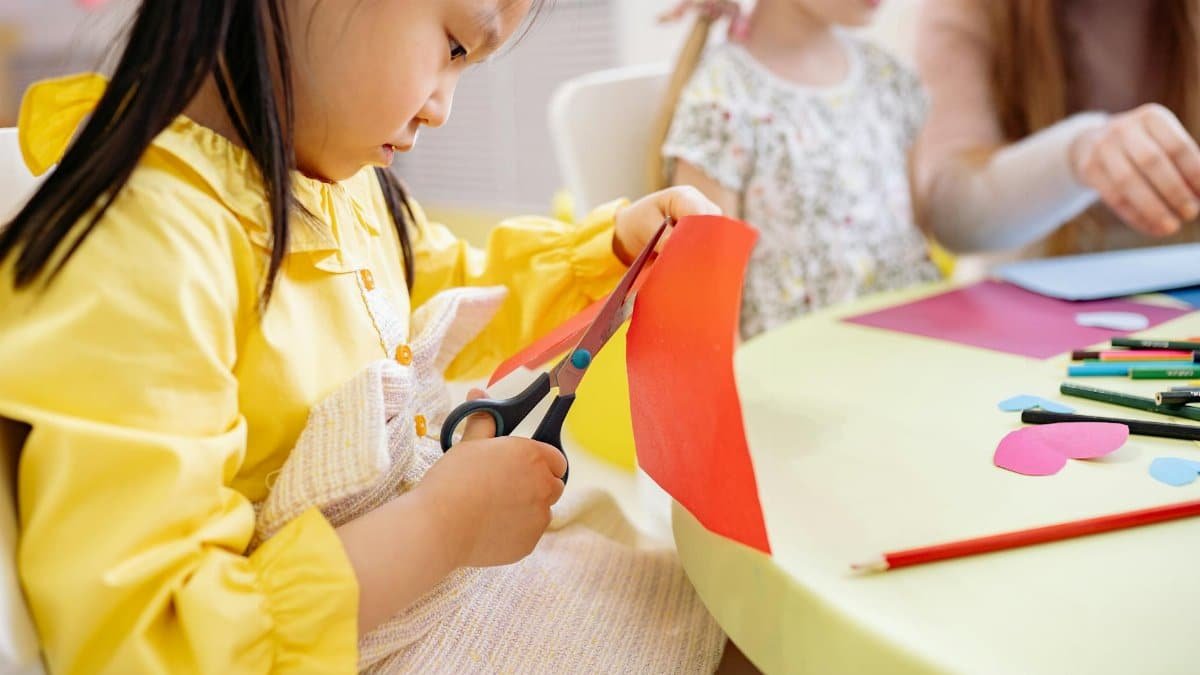
In a classroom nestled in the suburbs of Seattle a young boy named Lucas spends his mornings exploring colors shapes and the basics of sharing with friends. For many families like his these early learning experiences provided by WA preschool programs have become a vital foundation not only for academic readiness but for nurturing curiosity and empathy that resonate on a deeper level. Yet a new study suggests that proposed budget cuts could severely limit such opportunities potentially affecting generations of children across the Pacific Northwest.
The findings arrive as many parents balance demanding jobs with the desire to give their children the best possible start. What emerges is not merely a budget issue but a question of what kind of society we choose to become one that invests in its youngest members or one that steps back and accepts the consequences.
The Alarming Findings From Recent Research
A detailed analysis released last month indicates that funding reductions could force the closure of more than thirty preschool sites across Washington state. Researchers project that over four thousand children might lose access within the next two years. The study completed by a coalition including university scholars and policy experts identifies rising operational costs combined with flat state support as the central causes.
According to the Seattle Times report the data reveals sharp disparities. Urban centers may retain some options while smaller communities face near total elimination of services. These numbers are not abstract. They represent real children whose daily experiences of guided play storytelling and social interaction stand to disappear.
How These Cuts Affect Working Families

Parents who rely on reliable daytime care suddenly confront impossible choices. Many mothers and fathers in their thirties and forties report that without preschool they would be forced to reduce hours or leave the workforce entirely. This loss of income compounds stress in households already stretched thin by housing costs and inflation.
Single parents feel the pressure most acutely. A mother in Spokane described how the program gave her daughter structure and social practice while allowing her to maintain steady employment. With fewer openings available the ripple effects touch family stability mental health and long term economic security for an entire generation of workers.
The Connection Between Early Learning And Personal Development

Child development specialists have long understood that the years from three to five shape more than literacy and numeracy. These are the years when children form their first concepts of fairness kindness and wonder. Quality preschool environments support the growth of emotional regulation and empathy capacities that many educators describe as foundational to both psychological health and deeper moral awareness.
When young children learn to resolve conflicts listen to others and marvel at the natural world they develop resources that sustain them throughout life. Cutting access to these environments does more than delay reading skills. It interrupts the slow patient work of becoming a whole person capable of connection and purpose.
Nurturing The Spirit Through Early Education
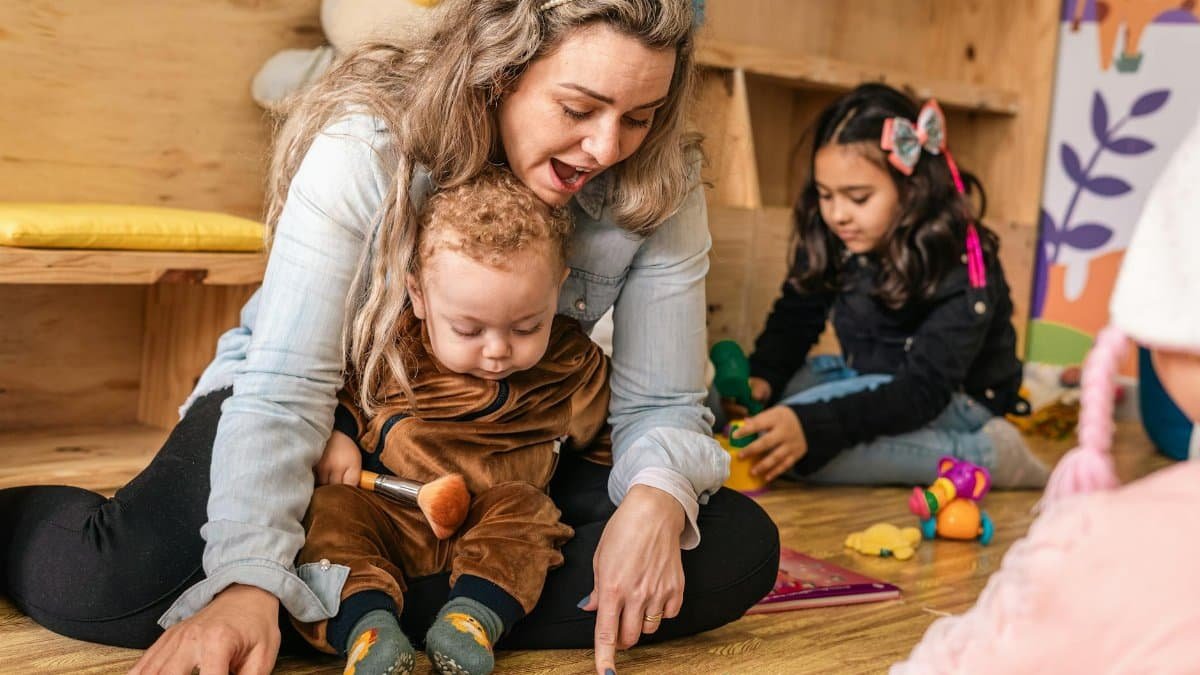
Many faith communities and spiritual leaders increasingly view early childhood programs as allies in the formation of character. Even in secular settings preschools often emphasize virtues such as gratitude respect and care for creation themes that echo across religious traditions. When these programs shrink an unseen form of spiritual formation shrinks with them.
Pastors rabbis and community elders in Washington have begun speaking about the moral dimension of this issue. They argue that society has a responsibility to protect the innate spark of curiosity and compassion in every child. In this light budget decisions become ethical decisions that reveal our collective values.
Perspectives From Local Educators

Teachers who witness the transformation each day express deep concern. One veteran instructor in Tacoma noted that children entering her classroom from supportive preschool settings show greater confidence and smoother transitions to kindergarten. Those without such preparation often require intensive catch up efforts that strain both staff and resources.
Educators emphasize that their work goes beyond academics. They create environments where children feel seen and valued experiences that build self worth. With impending cuts many teachers face larger class sizes or outright job loss further weakening the system precisely when families need it most.
Challenges In Rural Washington Areas

Outside major cities the situation grows more precarious. Rural counties often have only one or two programs serving wide geographic areas. Families may drive forty miles or more to reach the nearest site. When those sites close options essentially vanish forcing parents to patchwork together informal care of uneven quality.
This reality hits agricultural communities especially hard where seasonal work already creates instability. Children in these regions deserve the same developmental opportunities as their urban peers yet the current funding model consistently fails to bridge the distance.
A Look Back At How We Got Here

Washington once positioned itself as a national leader in early learning initiatives. Bipartisan efforts in the early 2000s expanded access and promised steady support. Over time however economic pressures competing budget priorities and shifting political winds eroded that commitment. What began as a robust vision has gradually contracted into a patchwork of programs vulnerable to annual negotiations.
Understanding this history helps explain the current crisis. The systems now threatened did not appear overnight. They reflect decades of incremental choices each one seemingly reasonable yet collectively leading to todays precarious position.
What The Data Tells Us About Future Outcomes

Decades of rigorous research demonstrate clear returns on investment in quality early education. Children who participate show higher graduation rates reduced involvement in the justice system and improved earning potential as adults. Nobel laureate economist James Heckman has calculated that society earns roughly seven dollars in benefits for every dollar spent on comprehensive preschool services.
These outcomes matter to taxpayers educators and communities alike. The Heckman Equation provides a compelling framework showing how early investment reduces later social costs. Ignoring this evidence does not eliminate the expenses. It simply postpones and enlarges them.
Community Leaders Call For Change
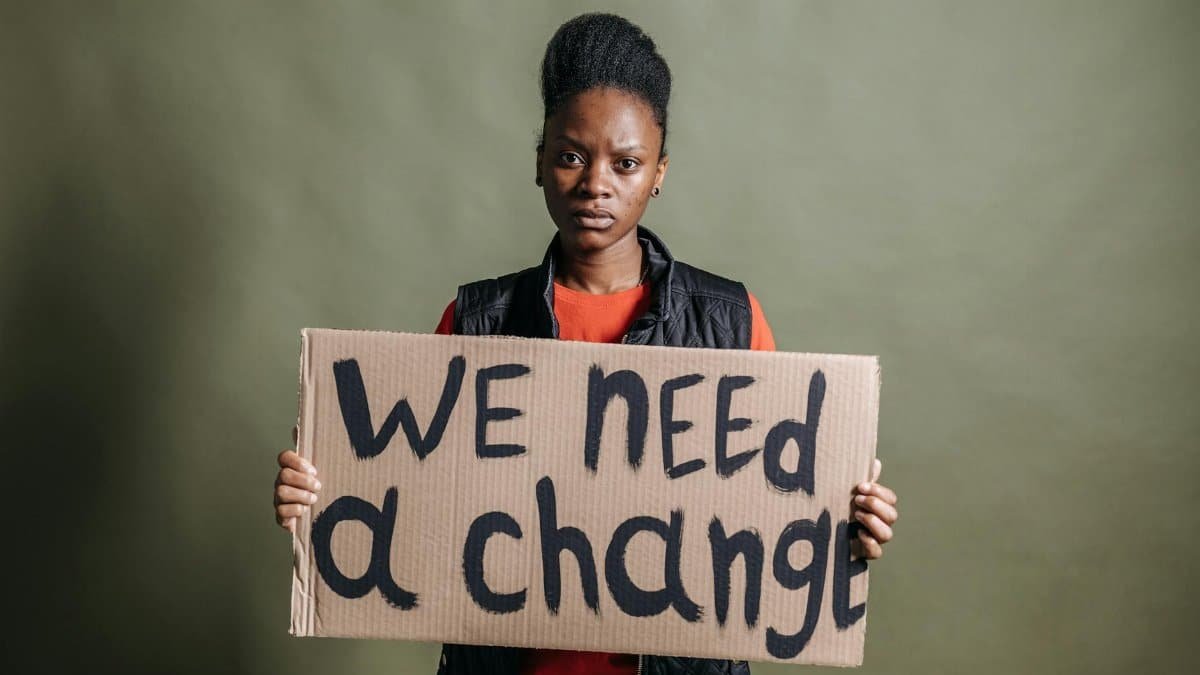
Voices from across Washington are rising in response. Parent advocacy groups school administrators and faith based organizations have formed coalitions urging lawmakers to reconsider the proposed reductions. Town hall meetings in cities from Bellingham to Vancouver have drawn hundreds of residents who view the issue as central to the states future vitality.
Religious leaders in particular frame the conversation in moral terms. They remind audiences that societies are judged by how they treat their most vulnerable members including those too young to vote or advocate for themselves. Their advocacy adds a dimension of ethical urgency to what might otherwise remain a dry policy debate.
Potential Paths Forward For Policymakers

Creative solutions exist for those willing to pursue them. Lawmakers could explore public private partnerships that leverage business contributions to supplement state funds. Targeted tax measures on high income earners could generate dedicated revenue streams insulated from annual budget battles. Expanding home visiting programs might serve as one bridge for families temporarily disconnected from center based care.
Regional cooperatives among school districts could also share resources more efficiently reducing administrative costs while maintaining quality. The path requires political courage and long term thinking yet the alternative accepting diminished futures for thousands of children carries far greater risk.
The Lasting Impact On Childrens Futures

The true cost of these cuts will reveal itself slowly over decades. Children denied rich early experiences may struggle more in school experience greater behavioral challenges and carry subtle disadvantages into adulthood. Communities will feel the effects through strained social services lower workforce productivity and diminished civic participation.
Yet the opposite scenario offers genuine hope. When society chooses to protect and expand access to quality early learning it invests not only in individual success but in the collective character of the next generation. The current moment presents Washington with a clear choice between short term savings and long term flourishing. The decision will shape the states spiritual economic and social landscape for years to come.
As families like Lucas and his parents wait for answers the conversation continues. What we choose to value in this season will echo through classrooms playgrounds and eventually the broader culture that our children inherit. The evidence the stories and the moral arguments all point toward the same conclusion. Protecting early education remains one of the wisest investments any society can make.