

On a warm coastal night, with the crowd rising and falling in long waves, Houston Dynamo draw San Diego became the only line that mattered once the final whistle blew. Guilherme had already done the sort of work forwards dream about, scoring twice and setting up another, and for long stretches the visitors looked like a side that would leave with all three points. Then the match turned in the last minutes, the way soccer so often does when one clearance hangs in the air a second too long. I have watched enough of these games to know that brilliance and regret can share the same box score. What remained was a draw, earned and also surrendered, and a result that will sit in the memory longer than a routine win.
A night that would not settle

From the opening minutes the tempo refused to settle into anything tidy. Houston pressed in bursts, then dropped into a compact shape when San Diego tried to play through the middle. The pitch felt quick. Passes skipped. Defenders had to decide early whether to step or hold. That tension is part of what makes a road match in this league so draining. You can control long passages and still feel that the next transition might undo the plan. Houston looked organized enough to believe in a clean sheet, and open enough that every attack carried a threat. San Diego, at home, kept enough of the ball to remind the visitors that comfort was temporary.
The forward who kept producing
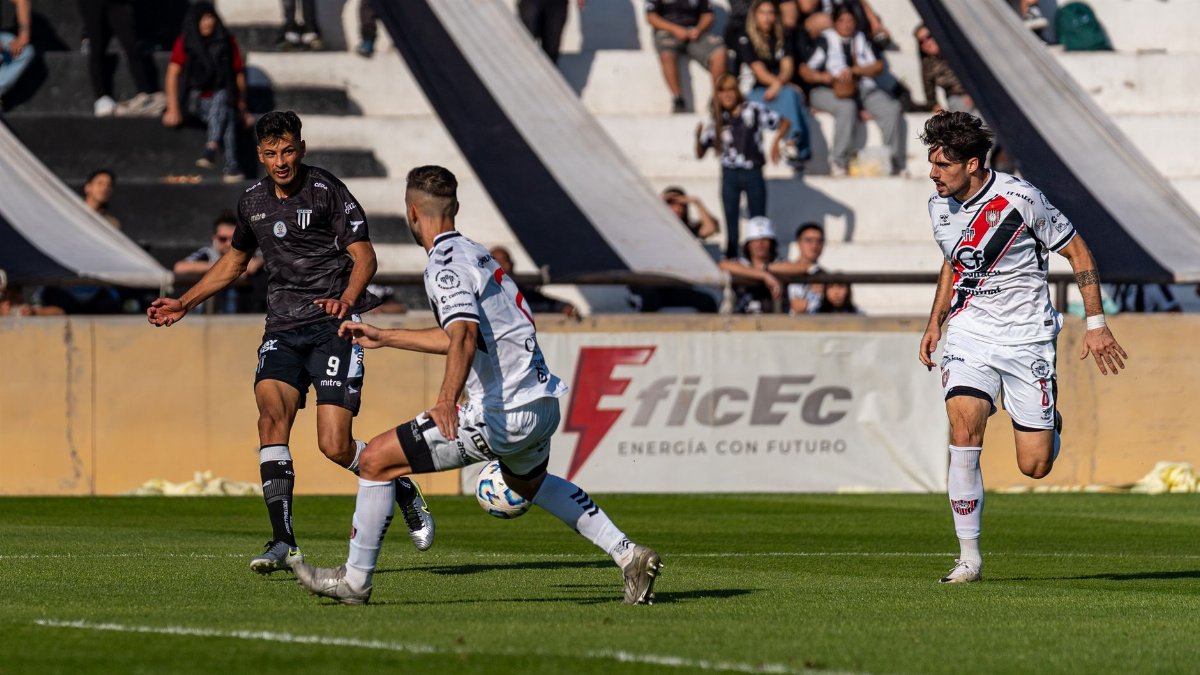
Guilherme was the clearest reason Houston led for so much of the night. His first goal arrived from a moment of calm rather than chaos, the kind of finish that looks simple only after the ball is already in the net. He did not snatch at it. He waited, shifted his weight, and chose a corner that asked the goalkeeper to guess. The second was sharper, a reward for staying alive inside the box when a cross might have been cleared. Two goals from one forward change the emotional math of a match. Teammates start looking for him earlier. Defenders start fouling sooner. The away bench starts calculating how to protect a lead that suddenly feels real.
What separated this display from a hot streak of finishing was the work between the goals. He dropped into pockets to link play, then spun back toward goal when the lane opened. That movement is harder to coach in the moment than it is to admire afterward. Houston did not need him to do everything. They needed him to be the player who turned good positions into numbers on the board. For most of the evening, he was exactly that.
An assist that changed the temperature

The assist mattered as much as either finish, because it showed the attack was not a one man show dressed up as a team performance. Guilherme found a teammate with a pass that took a defender out of the picture and left a simple decision in front of goal. Suddenly Houston had a cushion, and the stadium noise dipped in a way that traveling supporters notice. A two goal lead on the road is never safe in this league, but it changes how both teams breathe. The home side has to take more risks. The away side has to decide whether to keep hunting or to manage the clock without inviting panic.
That choice is where matches like this are often lost, not in the highlight of the goal itself. Houston had earned the right to be pragmatic. They also had attackers who were seeing the game clearly. Sitting too deep can invite the very pressure you hope to avoid. Staying aggressive can leave space behind a high line. The staff on the sideline had to read which version of caution was actually cautious.
San Diego refuses to fold

San Diego did not play like a team that accepted the score. Home crowds can force that posture even when the tactical plan would prefer patience. The hosts pushed numbers forward, recycled second balls, and looked for crosses that might create mess rather than beauty. There is a particular courage in continuing to attack when the opponent has already shown it can punish space. It is also how leads evaporate. Houston dealt with several of those waves cleanly. Clearances found teammates. The goalkeeper claimed what he could. For a while the visitors looked like they had answered the question of whether they could suffer.
Suffering, though, has a clock. Legs get heavy. Communication gets shorter. A fullback who has tracked runners all night mistimes one step. None of that erases the quality of what Houston built. It explains why a strong road performance can still end in shared points. San Diego stayed in the game long enough for one moment to matter more than the previous hour.
The concession that rewrote the result

The late goal did not need to be spectacular to feel decisive. Late goals rarely do. They arrive when the match is already telling one story, and they force everyone to tell another. Houston had been the side with the star turn, the side with the cushion, the side that seemed to have solved the away assignment. Then the ball was in their net, and the phrase Houston Dynamo draw San Diego stopped being a fear and became the fact. You could see the shift in body language before the restart. Shoulders dropped. A few players looked toward the bench as if a substitution might rewind the minute. It cannot.
Giving up a goal that late is a specific kind of frustration because the work before it was real. This was not a match in which Houston wandered through ninety minutes and stole a mention in the recap. Guilherme had two goals and an assist. The team had created enough to deserve a win on many nights. Deserving is not the same as finishing. The equalizer made that distinction impossible to ignore.
What a shared point actually buys

A draw on the road is not nothing. In a long season, points collected away from home keep a club in the conversation when the schedule turns cruel. Players know this in the abstract and still feel the loss of two points in the specific. The locker room after a game like this is quieter than the score suggests it should be. Someone will say the right thing about taking a point in a difficult place. Someone else will replay the cross that was not cleared. Both reactions are honest.
For supporters reading the result on a phone, Houston Dynamo draw San Diego lands as a mixed headline. The individual brilliance is easy to celebrate. The dropped lead is easy to resent. A grown fan base can hold both ideas at once. The club will need that maturity, because one night does not define a campaign, and pretending the ending did not sting would insult the people who watched it.
Control without closure

Control is a slippery word in soccer. Houston had spells in which they dictated where the ball went and how fast the game moved. They also had spells in which they were pinned, clearing rather than building. The useful question is not whether they dominated for a television graphic. It is whether their best habits showed up often enough to trust them next week. On that measure the night offered evidence in both directions.
The attack looked connected when Guilherme received the ball with options nearby. Wide players stretched the back line. Midfielders arrived late rather than standing and admiring. Those patterns are worth keeping. The defensive moments that led to the equalizer are worth studying without turning one mistake into a verdict on the whole group. Closure would have been a clean sheet and a bus ride home with three points. What they got instead was a film session full of almost.
The final stretch

The last minutes of a match you are trying to close are a different sport from the first minutes of a match you are trying to open. Houston had to manage fouls, throw ins, and the emotional urge to attack a rebound that was not really there. San Diego had to attack without leaving so much space that a counter would end the night for good. Both teams lived in that narrow corridor. When the ball finally beat the Houston defense, it felt less like a bolt from nowhere and more like the bill coming due for surviving so many previous attacks.
Goalkeepers live these endings in isolation. A save in the seventieth minute is forgotten if the eighty eighth goes the other way. That is unfair and also the job. Houston will not pin the result on one player, or they should not. The concession was a team problem arriving at the worst possible time. The response after the goal, the attempt to find a winner rather than shelter, said something about the group’s nerve even if it did not change the score.
Road nights and thin margins

Travel in this league is not a romantic detail. It is flights, hotel sleep, and a short window to feel the surface under your feet before kickoff. Performing away from home at the level Houston reached for long stretches is a skill. Converting that performance into a win is a separate skill, and it is the one this match did not reward. Thin margins are the cliche people reach for, and they are also the plain description. One clearance. One block. One run tracked to the edge of the six yard box. The difference between a statement win and a frustrating draw often lives in those details.
I keep coming back to how complete Guilherme’s night was, because it makes the ending harder rather than easier. When your best attacker delivers and the team still splits the points, the lesson is not that individual quality is overrated. The lesson is that soccer keeps a second scoreboard, the one that tracks concentration after you think you have done enough.
Lessons that do not need a speech

Coaches will talk about shape, about rest defense, about who should have been tighter to the scorer. Players already know most of that before the meeting starts. The useful work is narrower. Which cues were missed in the buildup to the equalizer. Which substitutions changed the distances between lines. Which attacking patterns should be repeated because they produced three goals worth of output from Guilherme’s goals and assist, even if the official assist chart is what the public sees. None of that requires a dramatic speech. It requires honesty and a short memory for blame.
There is also a lesson for anyone tempted to reduce the night to a single name. Guilherme was outstanding. He was not alone in the good passages, and he was not the reason the lead slipped. Team results are stubborn that way. They refuse to belong entirely to the player who filled the highlight package.
The table will not remember the mood

Standings are blunt instruments. They do not record that Houston played well enough to win, or that San Diego showed resilience that home fans will cherish. They record a point each. In a tight conference that point can look wise in August and meager in October, depending on what follows. Houston Dynamo draw San Diego will sit in the results column as a line of text. The people inside the club will remember the texture: the two finishes, the pass for the other goal, the noise when the equalizer went in, the silence on the walk to the locker room.
That gap between the table and the memory is where sports writing usually lives, and where supporters live too. You can accept the arithmetic and still argue with the feeling. A point away is useful. It is not what this performance briefly promised.
Looking toward the next kickoff
The next match will not wait for a perfect debrief. Soreness, travel, and the ordinary churn of a season will compress the lesson into something usable or bury it. Houston has a forward in form, which is a gift any coach would take, and a reminder that leads must be treated as live things until the whistle. San Diego leaves with a point rescued at home, which is its own kind of fuel. Neither club gets to frame the night only as moral victory or only as failure.
If there is a clean way to hold the result, it is this. Guilherme delivered a complete attacking night, Houston built a lead that looked like a road win, and a late goal forced them to settle. Houston Dynamo draw San Diego is the headline because headlines are short. The match was longer than that, and better than the ending, and still not quite enough. That is a hard truth to carry into the next kickoff, and it is the right one.