

In a quiet Minnesota town one September afternoon in 1876 an ordinary banking errand turned into a fierce gun battle that captured national attention. Citizens armed with whatever came to hand turned back a band of experienced robbers and preserved their community from greater harm. The Northfield Jesse James raid remains a vivid example of how ordinary people can alter the course of events when faced with sudden danger.
The Planning Behind The Assault

The robbers chose their target after careful scouting of several banks across the region. They sought a quiet place where resistance would be minimal and escape routes clear. Yet their calculations overlooked the resolve of residents who had grown wary of reports about similar crimes elsewhere. Local merchants and farmers formed an impromptu defense that no amount of prior study could have predicted.
How Residents Fought Back

Within moments of the first shot townspeople filled the streets. Some carried rifles kept for hunting while others used pistols or even farm tools. Their swift action trapped the gang inside the bank and forced a hasty retreat through alleys and across fields. The exchange lasted only minutes yet produced wounds and captures that ended the gang’s run of successes.
Surviving Artifacts From That Day
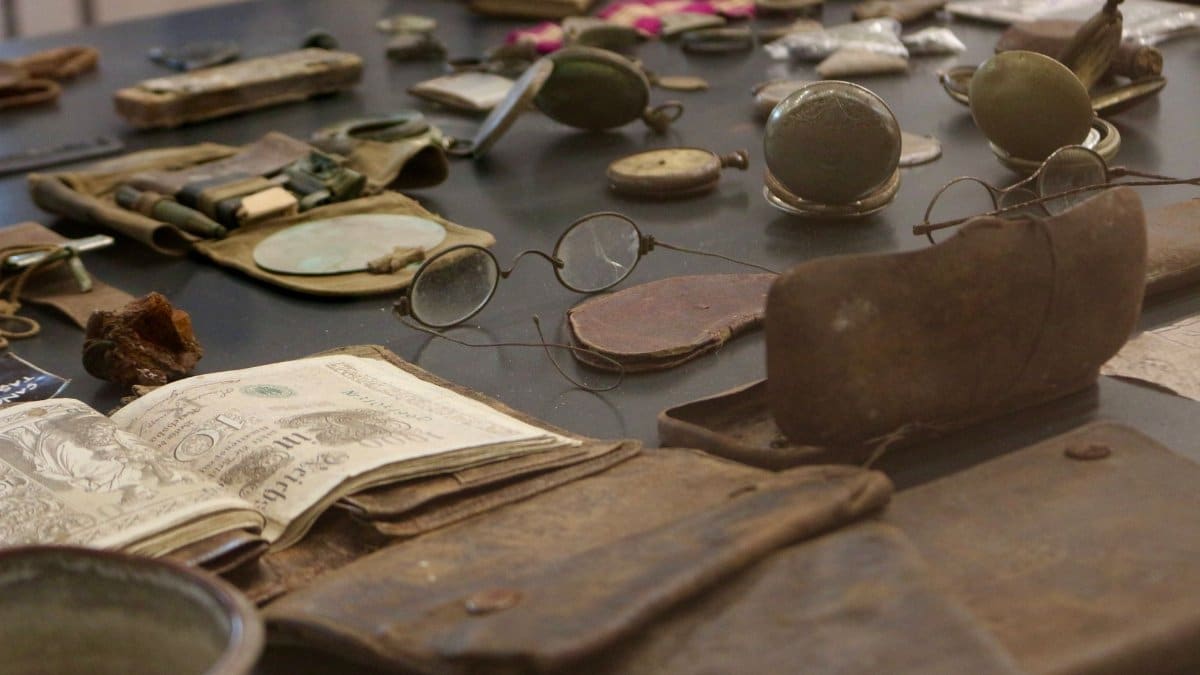
A coat worn by one of the robbers and a saddle left behind during the escape now rest in local collections. These items offer tangible links to the chaos and serve as reminders of how close the town came to a different outcome. Visitors can view them during annual commemorations that mark the anniversary with talks and reenactments.
The Role Of Local Heroes

Several individuals emerged from the event with reputations for courage. A cashier who refused to open the vault and a medical student who fired the shot that wounded the leader became symbols of civic duty. Their stories appear in town histories and continue to inspire later generations who value quick thinking under pressure.
Changes In Banking Security After The Event

Banks across the state reviewed their defenses in the months that followed. Stronger vaults thicker doors and better communication with law enforcement became standard. The Northfield Jesse James raid served as a cautionary tale that influenced practices for decades and helped shape modern approaches to protecting financial institutions in small communities.
Annual Commemoration Events Today

Each year the town hosts gatherings that blend education with remembrance. Parades displays of period clothing and lectures draw families from across the Midwest. Organizers emphasize factual accounts drawn from diaries and court records rather than legend to keep the memory accurate and meaningful.
Impact On Regional Tourism

The story attracts history enthusiasts who travel to see the preserved bank building and nearby sites. Hotels restaurants and shops benefit from the steady stream of visitors especially during anniversary years. This economic activity supports preservation efforts that might otherwise lack funding.
Lessons For Modern Communities

The episode illustrates how preparation and unity can deter larger threats. Town leaders now study the event when planning emergency responses to unexpected crises. Schools incorporate the account into local history lessons to teach students about responsibility and resilience.
Connections To Broader Outlaw Narratives

While the raid stands on its own it also fits into wider accounts of post Civil War banditry. Scholars compare it with other attempts that succeeded or failed depending on local conditions. The Northfield Jesse James raid stands out because civilian involvement proved decisive in ways rarely seen in similar episodes.
Future Plans For Preservation

Officials continue to seek grants for restoring related structures and expanding museum space. Digital archives of photographs letters and newspaper clippings are being created to reach audiences beyond those who can visit in person. These efforts ensure the details remain accessible long after living memory fades.