
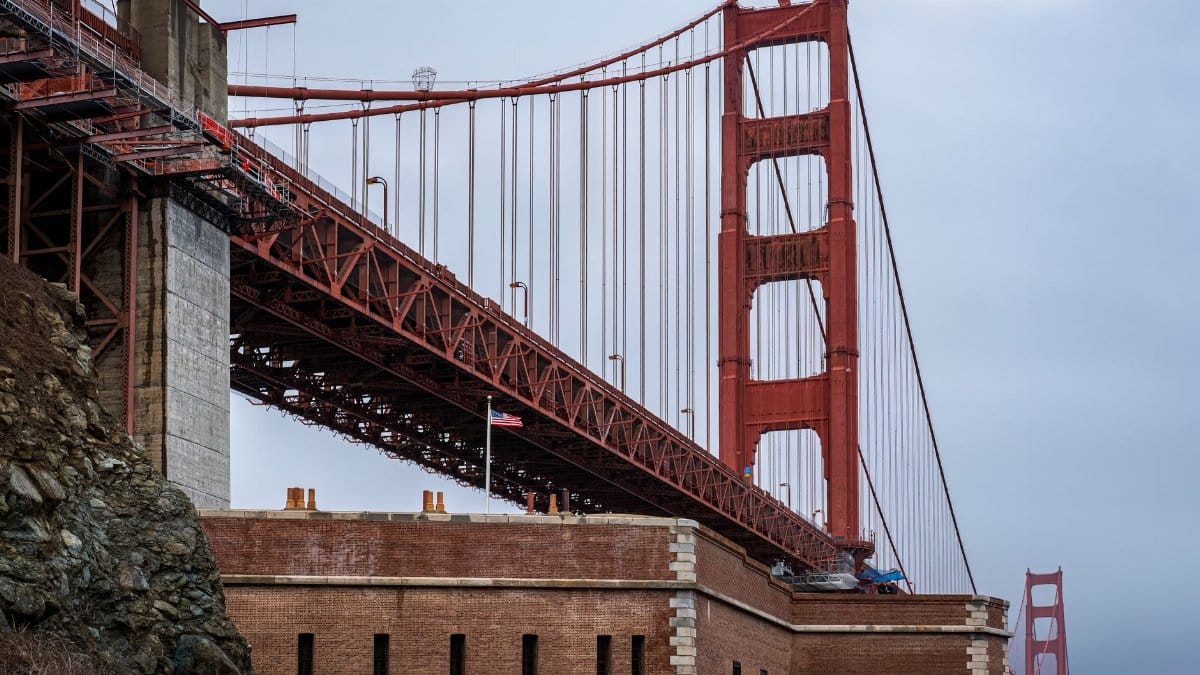
Travelers navigating the routes around San Francisco often encounter unexpected hurdles when infrastructure work takes precedence. The iconic structure spanning the bay requires periodic attention to maintain its integrity and safety for all who cross it. This leads to Golden Gate Bridge closures that affect countless routines and plans in the region as crews address wear from decades of heavy use and coastal conditions. Such interruptions highlight the delicate balance between preserving a landmark and ensuring reliable passage for commuters and visitors alike.
Effects on Regional Transportation Networks
Disruptions from these activities ripple through multiple counties as alternate paths become congested during peak hours. Officials note increased pressure on parallel routes and public transit options which must absorb extra riders seeking to avoid delays. Coordination among agencies helps distribute the load yet many residents report longer travel times and heightened frustration when trying to reach work or appointments on schedule.
Details of the Repair Schedule

Work begins on September 7 with midday lane reductions that will repeat in October and November according to plans from the managing authority. Crews focus on roadway surfaces and structural elements during these windows to minimize overall impact while completing necessary upgrades. Advance notice allows some flexibility for those who can adjust their timing or routes in advance of the changes.
How Drivers Can Prepare for Changes

Checking official updates through transportation department channels provides the latest information on timing and affected areas. Carpooling or shifting to earlier or later departures offers one way to navigate around the busiest periods. Local radio broadcasts and mobile applications also deliver real time alerts that help motorists make informed decisions before entering the corridor.
Historical Context of Bridge Maintenance

Since its opening the crossing has undergone regular upkeep to combat the harsh marine environment that accelerates corrosion and fatigue. Past projects have included similar lane adjustments to preserve functionality without full shutdowns. These efforts reflect ongoing commitments to safety that have kept the span operational for generations of users.
Economic Consequences for Local Businesses

Retailers and service providers near the approaches may see shifts in customer traffic as people alter their paths or postpone trips. Delivery schedules can stretch when trucks encounter added congestion leading some firms to explore contingency plans. Tourism operators also monitor developments closely since many visitors time their excursions around reliable access to the area.
Environmental Considerations During Work Periods

Reduced lanes can lead to slower moving traffic that increases emissions in the short term yet the repairs themselves aim to support smoother long term flow once completed. Planners incorporate measures to limit construction waste and protect nearby waters from runoff during the process. Such steps align with broader goals of balancing infrastructure needs with ecological responsibility.
Public Safety Measures Implemented

Enhanced signage and patrol presence help guide vehicles through altered configurations while emergency response teams remain on alert for any incidents. Lighting and barriers receive extra attention to maintain clear pathways even under reduced capacity. These precautions seek to protect both workers and the traveling public throughout the duration of the projects.
Future Outlook for Infrastructure Projects
Similar initiatives will likely continue as the structure ages and usage patterns evolve with population growth in surrounding communities. Investment in durable materials and innovative techniques promises to extend intervals between major interventions. Residents and officials alike recognize that proactive care sustains the vital connections that define the region.