

In the tree lined streets of Huntington a 24 years old woman named Sarah Thompson recently signed the papers for her first house. She had spent the previous year working entirely from her laptop while living in a cramped Brooklyn apartment. Like many of her peers she began searching for something more permanent after the isolation of remote work clarified what she truly valued. Thompson is part of a notable shift now visible across Nassau and Suffolk counties. Gen Z homebuyers are driving a real estate surge on Long Island that few analysts predicted even two years ago.
These young adults came of age during economic turbulence and a global health crisis. Their decisions reflect both pragmatism and a deeper longing for stability. They arrive with student debt yet also with savings accumulated during the pandemic and in many cases with flexible remote positions that no longer tie them to Manhattan offices. The trend offers a window into how a new generation defines success and security while raising questions for the middle aged homeowners who have long shaped these communities.
A Surprise Wave Of Young Buyers

Real estate agents across Long Island report a steady increase in offers from buyers under 28. What once seemed an anomaly has become a pattern. Data from local multiple listing services shows offers from this age group rising by nearly 40 percent in the past 18 months. These buyers tend to favor smaller colonials and ranches priced between 450000 and 650000 dollars. They often outbid older couples by moving quickly and waiving contingencies.
This surge coincides with falling inventory in many desirable school districts. Sellers who listed modest three bedroom homes in 2023 frequently received multiple bids within days. The presence of cash offers from young buyers with family assistance has added new pressure to an already competitive market. Yet the story extends beyond simple supply and demand.
Why Long Island Holds Special Appeal
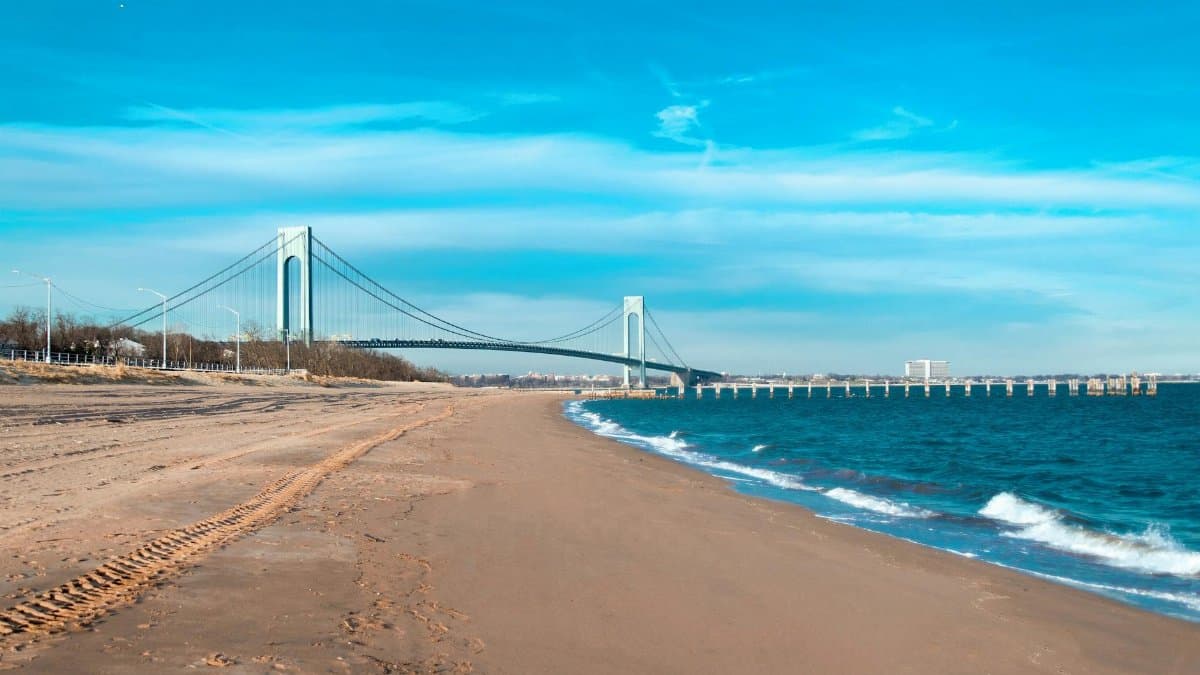
Many Gen Z homebuyers speak of seeking balance after years of urban density. They want backyards for pets space to garden and neighborhoods where they can form lasting connections. Long Island offers proximity to the city without the noise and expense. Towns such as Patchogue Rockville Centre and Huntington provide walkable downtowns combined with quiet residential blocks.
The shoreline trails and preserved parks also factor into their choices. Several buyers mentioned the spiritual comfort of living closer to nature after the disconnection many felt during remote work. In a world dominated by screens these young adults describe homeownership as a way to ground themselves in something tangible and enduring.
The Freedom That Remote Work Provides

Remote work remains the single largest factor enabling this migration. Buyers no longer need to live within commuting distance of midtown offices. A software developer can purchase a home in Sayville and collaborate with colleagues in California without conflict. This flexibility has expanded the pool of potential buyers dramatically.
Employers who adopted permanent remote policies inadvertently accelerated suburban revitalization. Young workers now weigh housing costs against quality of life in ways previous generations could not. The ability to earn a Manhattan salary while paying Long Island property taxes has created new economic possibilities.
Seeking More Than Just Property

Beyond financial calculations many Gen Z homebuyers describe their decisions in almost spiritual terms. They talk about creating sanctuaries where they can disconnect from constant digital demands. After witnessing the fragility of systems during the pandemic they seek permanence and community. Homeownership represents a form of rootedness that social media cannot provide.
This search for meaning aligns with broader cultural trends. Yoga studios community supported agriculture programs and mindfulness centers have proliferated across the Island. Young buyers often choose neighborhoods based on shared values as much as school ratings. They want to raise future families in places that nurture connection to both land and neighbors.
Smart Financial Moves In Uncertain Times

Despite perceptions of generational fragility these buyers demonstrate notable financial discipline. Many maximized contributions to retirement accounts while living at home during college years. Others developed side businesses that supplement their primary income. Their comfort with technology helps them research markets compare loan options and even negotiate repairs without traditional agents.
Still most acknowledge the role of family support. Grandparents and parents who benefited from earlier housing booms sometimes provide down payment gifts. This transfer of wealth across generations raises important questions about equity and access. Not every young adult enjoys such advantages yet those who do are reshaping entire zip codes.
Challenges That Remain Formidable

High interest rates and rising insurance costs present real obstacles. Property taxes on Long Island remain among the highest in the nation. Many Gen Z homebuyers stretch their budgets to cover monthly payments that consume nearly 40 percent of take home pay. They accept these burdens in exchange for the security of fixed housing costs over time.
Student loan debt complicates qualification for some. Others struggle to save enough for closing costs while rents continue climbing. Market volatility adds another layer of anxiety. These young buyers enter homeownership with open eyes fully aware that their timing may not be ideal yet choosing to act anyway.
Reactions From Established Residents

Longtime homeowners express mixed feelings about the influx. Some welcome the energy that young buyers bring to aging neighborhoods. They appreciate new families at local schools and fresh faces at town meetings. Others worry that rising prices will push out middle income workers who have served the community for decades.
School administrators note changing demographics in classrooms. Teachers observe students whose parents understand technology in ways that create both opportunities and tensions. The generational handoff happening on Long Island mirrors shifts occurring across many suburban regions yet it feels particularly pronounced here given the Islands history as a destination for those leaving New York City.
Learning From Those Who Came Before

Gen Z homebuyers often consult openly with older relatives before making offers. They study the mistakes of both baby boomers and millennials. Many avoid oversized houses that require constant maintenance. They prioritize energy efficiency and flexible spaces that can adapt as their lives change.
This pragmatic approach impresses many real estate veterans. Younger buyers ask detailed questions about septic systems roof conditions and flood zones. Their preparedness suggests a generation determined to make homeownership sustainable rather than aspirational. In doing so they may help stabilize markets that have experienced dramatic swings over recent decades.
Stories That Illustrate The Trend

Consider Marcus Rivera who purchased a small cape cod in West Babylon last spring. After building an online consulting business during the pandemic he sought a place where he could both work and recharge. The half acre lot allows him to grow vegetables and host friends around a fire pit. He describes the home as his first true investment in himself.
Similar stories emerge from Smithtown to Shirley. A graphic designer in her late twenties bought her first property after saving aggressively during two years of remote employment. Another couple in their early twenties pooled resources with siblings to buy a duplex in Bay Shore. Each narrative reveals determination and a willingness to redefine traditional paths toward adulthood.
What The Future May Hold For The Island

If current patterns continue Gen Z homebuyers could fundamentally alter Long Islands demographic landscape. Their preference for walkable communities may encourage denser development in certain villages. Their environmental consciousness might accelerate adoption of green building practices and solar installations.
Local governments will need to address the unique needs of this younger cohort. Expanded public transportation mental health resources and community gathering spaces could help integrate these new residents more fully. The Island stands at an inflection point where the values and priorities of digital natives will increasingly shape its physical and social infrastructure.
A Moment Of Generational Transition

The arrival of Gen Z homebuyers on Long Island represents more than a real estate story. It signals shifting definitions of success security and belonging. For middle aged observers it prompts reflection on our own journeys and the legacy we leave for those who follow.
These young buyers navigate unprecedented circumstances with creativity and resolve. Their choices suggest a generation less interested in keeping up with neighbors than in creating lives of purpose and connection. As they settle into their new homes they bring fresh perspectives to communities long set in their ways. The coming years will reveal how successfully Long Island adapts to their presence and whether their bold early moves inspire similar courage in those who come after them.
The surge driven by Gen Z homebuyers ultimately reminds us that housing markets reflect human yearnings that transcend any single generation. The desire for shelter stability and a place to truly call home remains constant even as the faces pursuing that dream grow younger.