
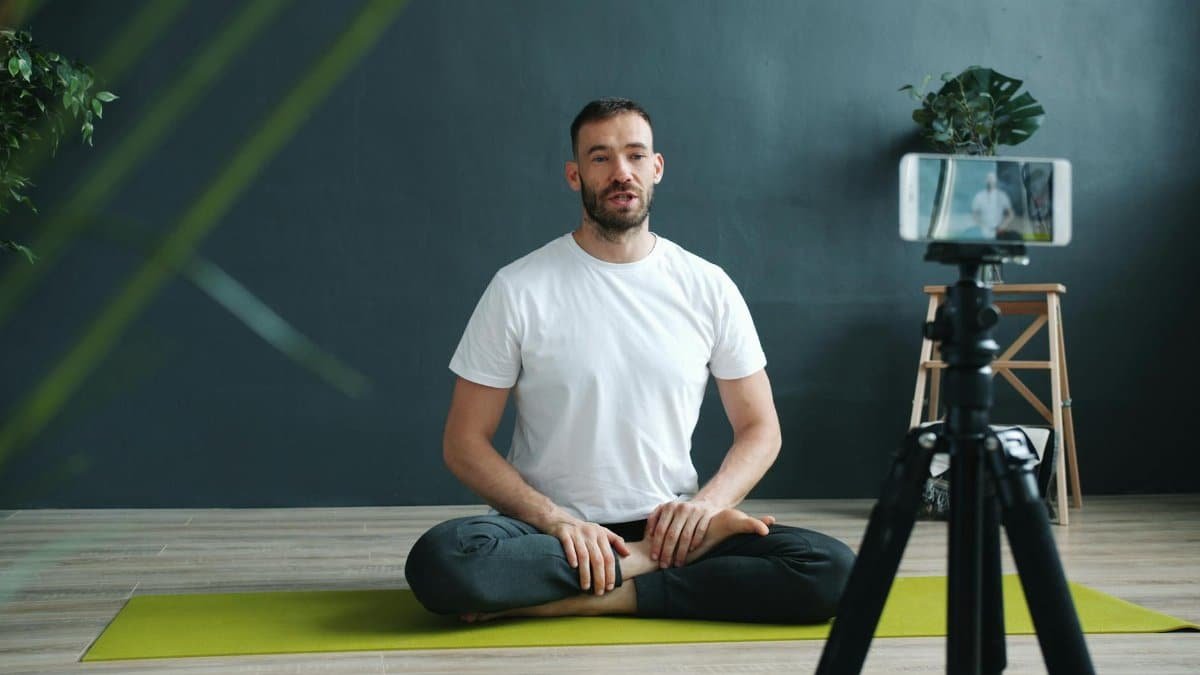
In the quiet hours after work, millions of middle aged Americans scroll through their feeds searching for motivation. They encounter influencers demonstrating intense workouts with promises of rapid transformation. What begins as inspiration can quickly turn problematic. An Olympian scientist explains why much of this material qualifies as dangerous online fitness content that risks both bodies and minds. Her unique background competing at elite levels while pursuing advanced research gives her a rare vantage point on how viral fitness trends often ignore human limits.
The Allure of Digital Transformation Narratives

Social media platforms have transformed how people approach physical well being. Short form videos showcasing dramatic results in weeks create powerful psychological hooks. For readers in their forties and fifties balancing careers and family obligations these messages feel particularly compelling. The carefully curated content rarely shows the years of training the recovery days or the genetic advantages many influencers possess. This selective presentation distorts expectations and sets the stage for disappointment when real life results fail to match the highlight reels.
An Olympians Journey from Competition to Research

Dr Elena Voss rowed for the United States in two Olympic Games before earning her doctorate in sports physiology. Her career taught her that sustainable performance emerges from patience and precise attention to bodily signals. Now she leads studies examining digital fitness trends at a prominent research university. Voss argues that many popular online programs contradict fundamental principles her sport demanded. She notes that athletes who ignored recovery or pushed through pain paid steep prices. Her research team has documented similar patterns among everyday people following unverified online regimens.
Voss believes the fitness industry has shifted away from evidence based practice toward engagement driven content. Algorithms reward dramatic claims and visually striking demonstrations rather than safe progressions. This environment particularly affects those seeking genuine health improvements later in life.
Physical Injuries Stemming from Poor Instruction
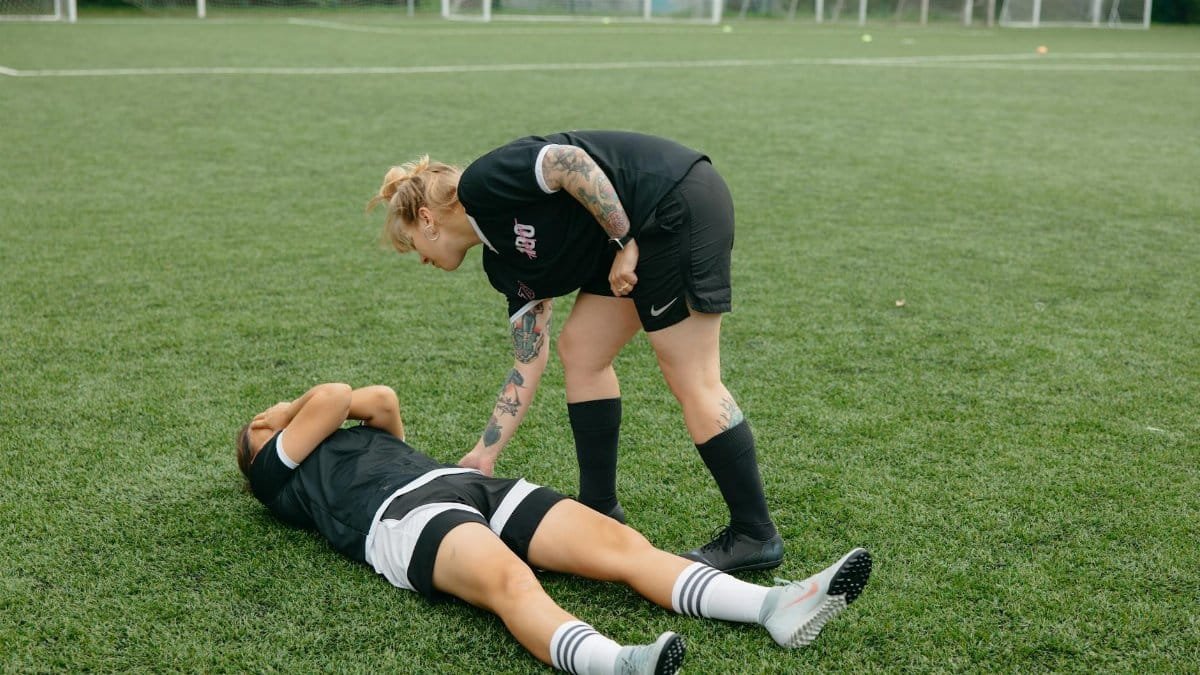
The most immediate threats involve musculoskeletal damage. Voss cites cases where followers attempted advanced movements without proper mobility or strength foundations. Middle aged bodies often carry decades of sedentary habits or old sports injuries that demand careful progression. When people mimic influencers demonstrating exercises with perfect form but no explanation of prerequisites the results can include disc herniations rotator cuff tears and stress fractures.
Her team reviewed emergency room data and found a measurable increase in fitness related injuries correlating with spikes in certain online challenges. Many patients reported attempting movements seen on popular platforms without adequate preparation. Voss emphasizes that proper coaching involves far more than demonstrating an exercise. It requires assessing individual readiness and teaching foundational movement patterns first.
The Mental Health Cost of Unrealistic Standards
Beyond physical harm dangerous online fitness content creates significant psychological strain. Constant exposure to idealized bodies and rapid transformations triggers comparison that erodes self confidence. Voss references multiple psychological studies showing strong correlations between fitness app usage and increased rates of anxiety and disordered eating patterns among adults over forty.
She has interviewed numerous individuals who described feelings of failure when their bodies did not respond as quickly as promised. This shame cycle often leads to extreme approaches followed by complete abandonment of physical activity. The mental burden compounds when people tie their worth to aesthetic outcomes rather than how movement makes them feel or function in daily life.
When Fitness Disrupts Inner Harmony

From her dual perspective as athlete and scientist Voss speaks about the spiritual dimensions of physical practice. True fitness she argues involves deep listening to the bodys wisdom rather than imposing external standards. Many online trends promote domination over the body instead of partnership with it. This approach conflicts with ancient wellness traditions that view physical cultivation as part of spiritual development.
In her lectures Voss encourages reconnecting with movement as a form of presence and gratitude. She observes that dangerous online fitness content often promotes dissociation from bodily signals in pursuit of external validation. The spiritual news emerging from her research suggests that sustainable health practices must honor the whole person including the need for rest reflection and self compassion.
Scientific Evidence Documenting These Concerns

Voss and her colleagues published findings in the Journal of Applied Physiology examining over two thousand adults following various online fitness programs. The data revealed that participants using supervised training showed significantly better adherence and fewer injuries than those relying solely on social media content. Another study from the American College of Sports Medicine linked heavy consumption of fitness influencer material with higher cortisol levels and disrupted sleep patterns.
These findings align with broader research from the Centers for Disease Control and Prevention showing that abrupt increases in exercise intensity often lead to setbacks rather than progress. Voss stresses that evidence based fitness prioritizes consistency over intensity especially for those navigating hormonal changes or accumulated stress common in middle age.
Recognizing Dangerous Online Fitness Content
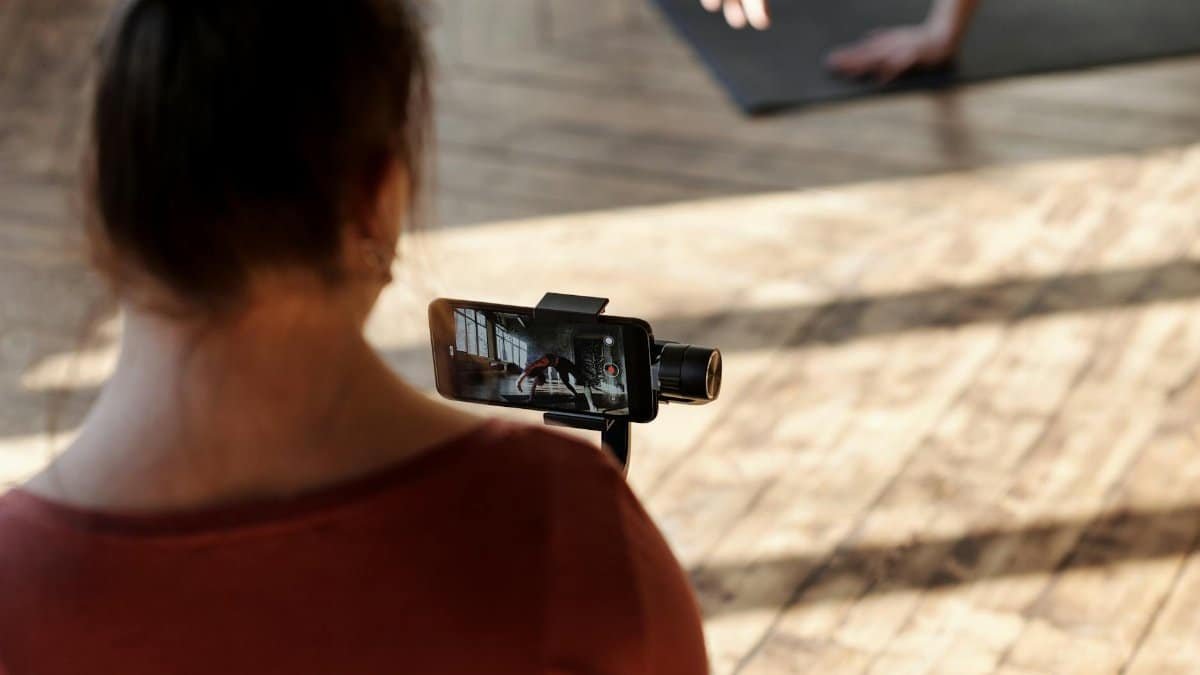
Voss offers clear indicators that viewers can use to evaluate fitness material. Promises of dramatic results in short timeframes absence of disclaimers about individual differences and lack of credentials from creators all signal potential problems. Content that shames rest days or suggests pain should be ignored also warrants skepticism.
She recommends looking for professionals who discuss recovery nutrition sleep and stress management alongside exercise demonstration. Dangerous online fitness content typically reduces health to appearance and performance metrics while ignoring the complex reality of human physiology.
Creating Sustainable Movement Practices
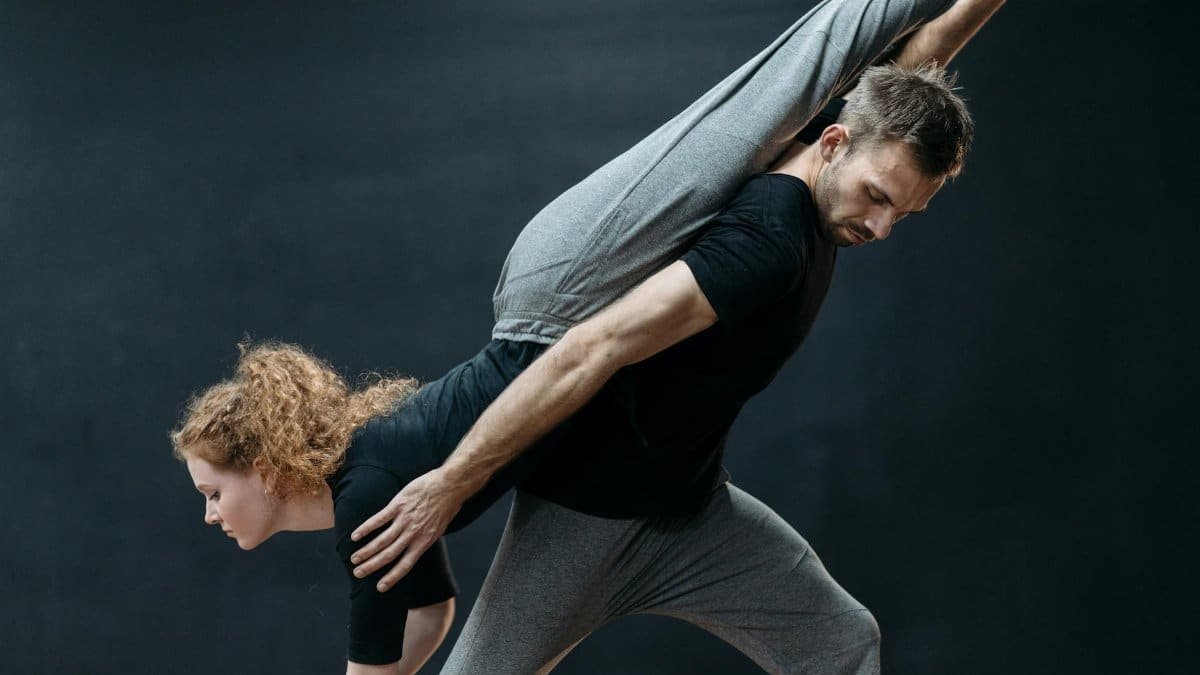
Instead of chasing viral trends Voss advocates building practices rooted in personal values and realistic schedules. She suggests beginning with simple assessments of current mobility and strength before adding complexity. Walking hiking swimming and mindful movement forms like tai chi often provide better foundations than high intensity protocols for middle aged bodies.
Her research participants who achieved lasting improvements shared several habits. They tracked how different activities affected energy and mood rather than just physical measurements. Many incorporated reflection or gratitude practices alongside physical training creating stronger mind body connections.
Practical Guidance for Healthier Digital Consumption

Voss recommends curating feeds mindfully by following qualified professionals who share educational content rather than just workouts. She encourages using technology as a supplement to professional guidance rather than a replacement. Working with trainers even occasionally can provide personalized feedback that generic online content cannot match.
She also stresses the importance of community. Joining local classes or walking groups offers social connection and accountability that digital platforms rarely provide. These real world interactions often prove more motivating than distant influencers.
Reclaiming Wellness Beyond Viral Trends
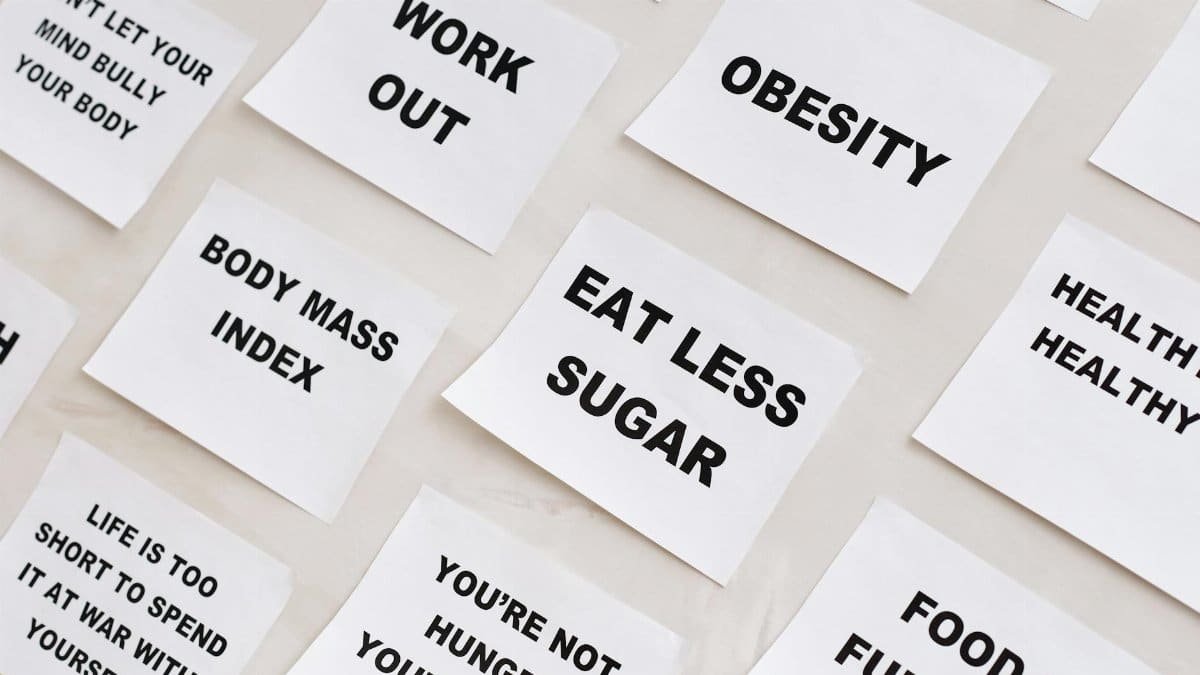
The Olympian scientist acknowledges that technology offers valuable tools for learning and connection. The challenge lies in maintaining critical perspective amid sophisticated marketing. Her work seeks to bridge the gap between cutting edge performance knowledge and accessible practices for everyday people.
As dangerous online fitness content continues proliferating Voss hopes greater awareness will lead to more nuanced conversations about health. She envisions a future where fitness content emphasizes sustainable joyful movement that enhances quality of life across decades rather than promising quick fixes that often create new problems.
Her message resonates particularly with readers navigating midlife transitions. The body changes. Priorities shift. What worked at twenty five may prove unsustainable at forty five. By approaching fitness with scientific understanding spiritual awareness and self compassion people can build practices that truly serve them for years to come.