
On a warm evening in Burbank, two men who want to govern the largest state in the country stood under bright lights and argued less about theory than about the cost of getting to work. The Becerra Hilton debate put gasoline, housing, electricity, and the long shadow of Donald Trump in the same frame, and the room treated those subjects as one problem wearing different clothes. For an hour that felt longer, Xavier Becerra and Steve Hilton traded blame for prices at the pump and for a politics that many Californians experience as a monthly bill rather than a slogan.
A hall in Burbank and a restless public
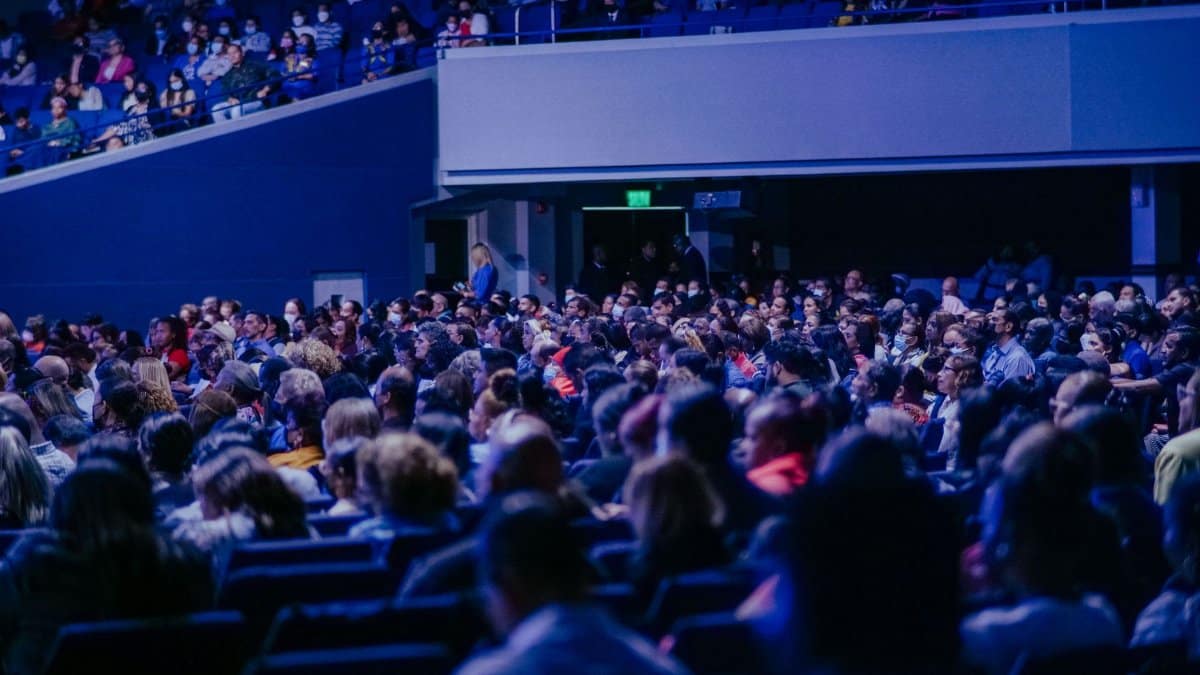
The setting was a television studio, not a town square, yet the questions had the texture of a kitchen table. Moderators pressed both candidates on what a family pays to fill a tank, to cool a house, and to keep a job that may sit an hour from home. Applause came in short bursts. Silence did the rest of the work. Viewers at home, if they stayed with the broadcast, heard a contest already narrowed to affordability and to the national figure neither man can fully escape.
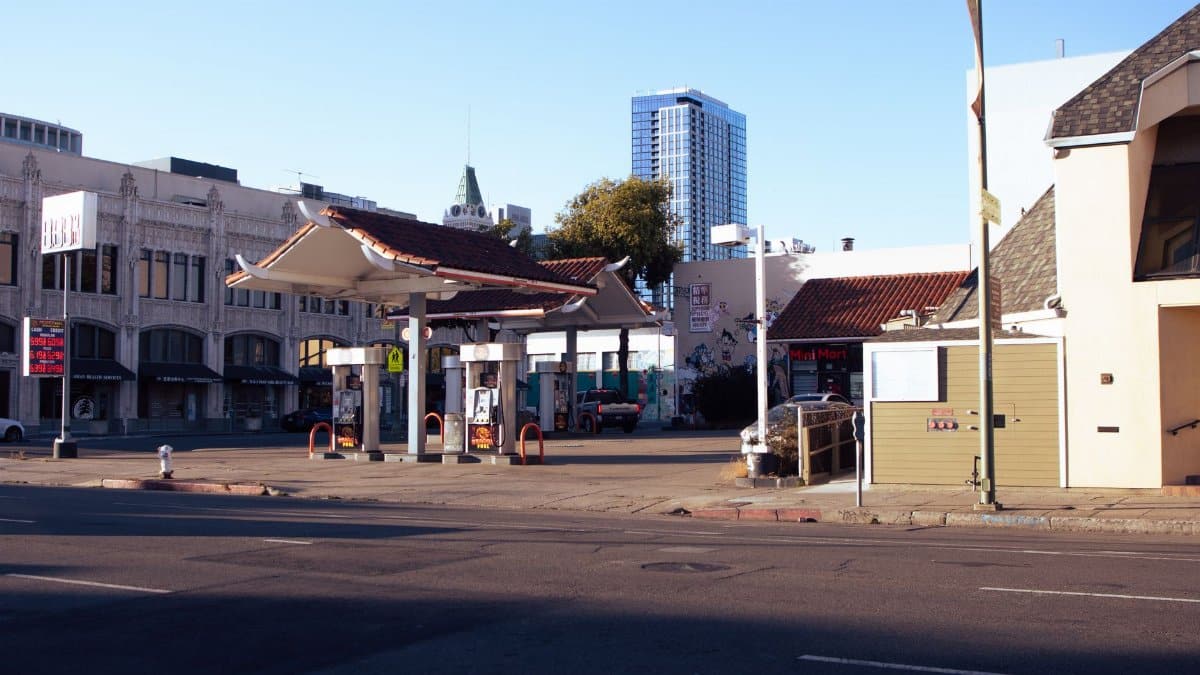
California elections often begin as arguments about identity and end as arguments about invoices. This one skipped the prologue. Gas prices opened the night and returned whenever either candidate needed a concrete image. A gallon is easy to picture. A regulatory docket is not. Both men understood that difference and used it.
Gas prices as the sharpest weapon
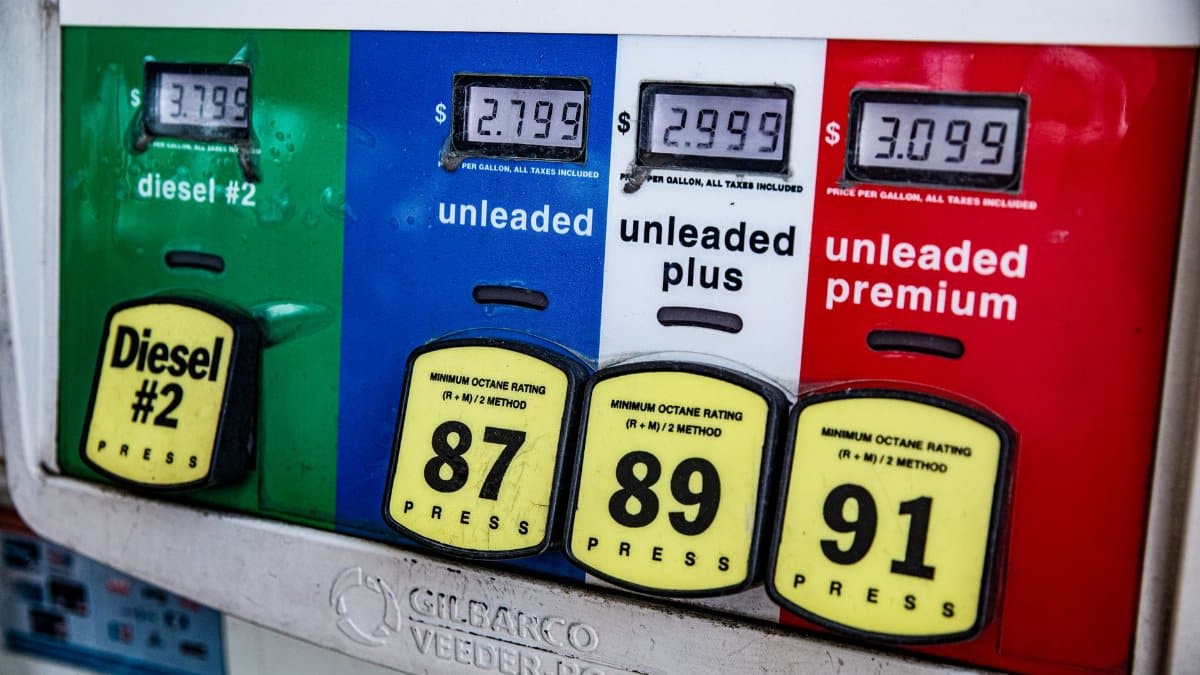
Hilton treated the pump as proof that Sacramento has lost the habit of ordinary life. He described rules, taxes, and a political culture that, in his telling, makes fuel scarce and expensive while lecturing drivers about virtue. The line was simple enough to travel: if the state makes energy harder to produce and move, drivers pay. He tied that claim to a broader complaint that California governs for activists and donors rather than for people who commute.
Becerra answered as a former attorney general and federal health secretary who has spent years inside institutions Hilton wants to shrink. He did not deny that prices hurt. He argued that blaming state government alone ignores global oil markets, refinery outages, and corporate decisions made far from the Capitol. In his account, a governor can police fraud, push competition, and shield consumers, but cannot decree a cheap gallon by speech. The contrast was managerial versus insurgent, and it never really left the stage.
What drivers hear when the numbers climb

For middle aged commuters in the Inland Empire or the Central Valley, the debate was not abstract. A few extra dollars a week at the station becomes rent delayed, a repair postponed, a weekend trip canceled. Journalists sometimes treat that arithmetic as color. Voters treat it as the story. When candidates speak of transition and climate goals without naming the Tuesday morning tank, they sound as if they live in a different state.
Neither man fully closed that gap. Hilton offered anger and a promise of reversal. Becerra offered process and a promise of protection. Anger is easier to remember. Process is what a governor actually signs. The evening left that tension unresolved, which may be why the subject kept returning. A candidate who cannot talk about gas without losing the room will struggle in a state this large and this car dependent.
Trump as the candidate who was not onstage
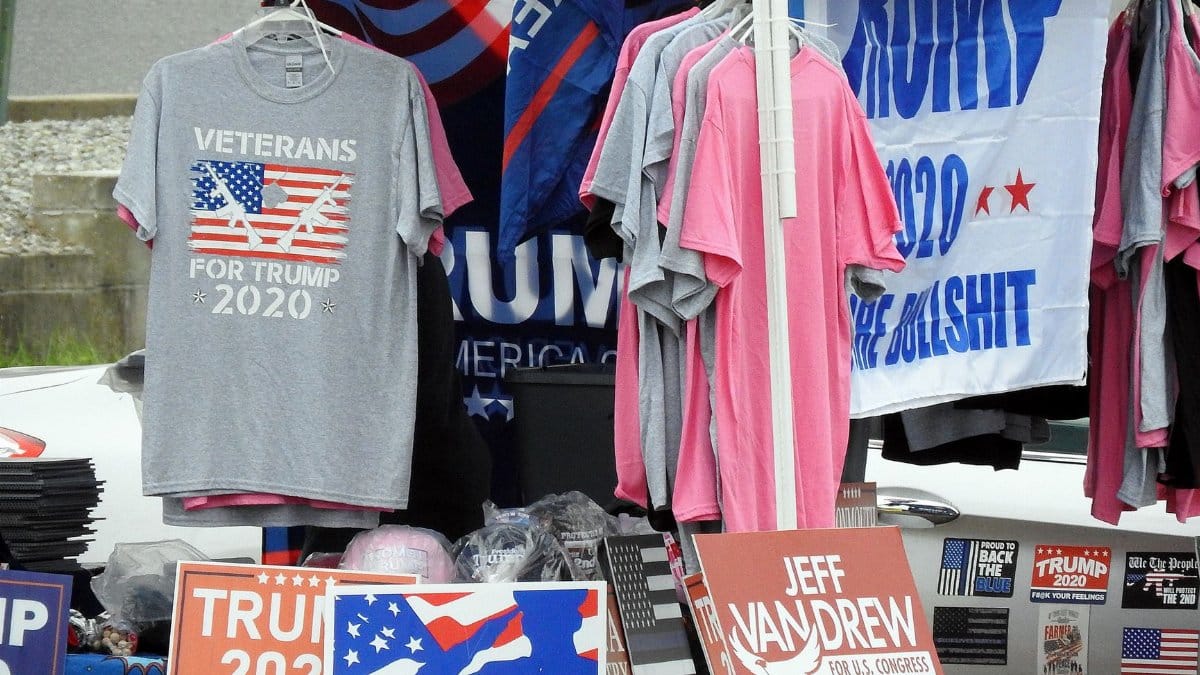
Donald Trump was not a participant, yet his name organized half the exchanges. Hilton has built a public profile as a conservative commentator who treats Trump era politics as a rebuke to coastal institutions. Becerra has built his as a Democrat who fought the first Trump administration in court and would do so again if federal power pressed California on immigration, health care, or environmental rules.
The strategic problem is familiar. A Republican hopeful in this state must energize a base that admires Trump without frightening the much larger group of voters who rejected him. A Democratic hopeful must show independence from Washington fashion without looking soft on a figure many supporters regard as a threat. In Burbank, each man tried to make the other carry the heavier baggage. Hilton cast Becerra as an extension of a national party voters already blame for prices. Becerra cast Hilton as a messenger for a politics that would trade state autonomy for loyalty tests.
Data centers and the next power bill

If gasoline was the old cost, electricity for data centers was the new one. California is courting, and also fearing, the warehouses of servers that train artificial intelligence and store the digital life of the country. They bring construction jobs and tax revenue. They also drink power and water in volumes that collide with a grid already strained by heat, wildfire risk, and ambitious clean energy targets.
Hilton warned that a state already scolding households about usage cannot quietly clear the path for industrial loads that dwarf a subdivision. He framed the issue as fairness: who gets to consume, and who gets the lecture. Becerra treated the buildout as a question of terms. Growth, in his view, can be bargained. A governor can demand local benefits, grid upgrades, and labor standards rather than issue a blanket welcome or a blanket refusal. The exchange mattered because it moved the affordability fight from the familiar pump to a technology most voters do not see, even as they will pay for it on a utility bill.
Immigration and the limits of state power
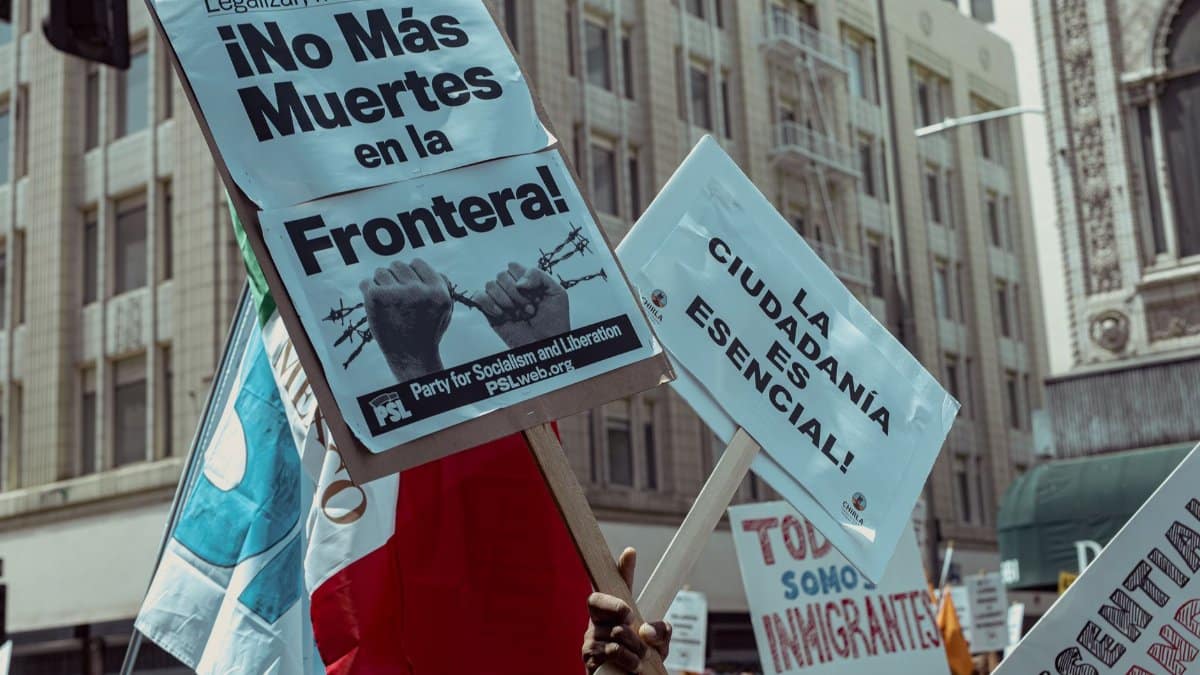
Immigration arrived as it usually does in California debates, as both moral claim and fiscal claim. Hilton argued that the state has spent political capital and public money on policies that, he said, strain housing, schools, and hospitals while signaling that rules are optional. Becerra defended a tradition of state resistance to federal overreach and warned that harsh spectacle does not fill labor gaps in agriculture, caregiving, and construction.
What neither fully answered is the practical border between compassion and capacity. Voters who support legal status for long settled neighbors can still resent disorder at the edge of the system. Voters who want stricter enforcement can still reject cruelty as a brand. The Becerra Hilton debate sketched those lines without settling them. In a governor’s race, immigration is less a single policy than a test of whether a candidate can speak to fear and to work in the same breath.
Affordability beyond a single commodity
Gas was the headline because it is visible. Housing is the deeper wound. Insurance withdrawals, child care, and college costs sit beside it. A governor who wins on pump rhetoric and then confronts a legislature, a coastal commission, city councils, and bond markets will discover how little a debate clap decides. Still, campaigns are won in the language voters already use. Affordability is that language now.
Becerra’s advantage is fluency with the machinery: attorneys, agencies, consent decrees, the slow levers of a state that employs hundreds of thousands and regulates millions more. Hilton’s advantage is distance from that machinery. Distance reads as freshness until it reads as unfamiliarity. The night rewarded whoever could sound specific without sounding captive. Specificity is hard on a stage built for clips.
Two biographies and two theories of the state
Becerra’s career is a sequence of public offices, from the Legislature to Congress to the attorney general’s post to the federal health department. He asks voters to see continuity as competence. Hilton’s career runs through British politics, American television, and a critique of administrative government. He asks voters to see outsideness as a cleansing fire.
Those theories imply different first hundred days. One would staff agencies and negotiate. The other would try to shrink, repeal, and redirect. California’s constitution, its initiative habit, and its divided local governments humble both styles. The debate rarely lingered on that humility. It preferred the cleaner drama of blame. That is what televised politics is for, and also why governing later feels like a different profession.
The audience in the room and the one at home

Studio audiences are curated weather. They laugh on cue and fall quiet when a line cuts. The more important audience was scattered across kitchens where the debate played beside a phone. Clips will outlive the full hour. A sentence about Trump will travel farther than a paragraph about refinery capacity. A jab about data centers will reach younger viewers who never bought a gallon in the era of cheap fuel.
Journalists covering the Becerra Hilton debate will be tempted to score points as if the contest were a sport. Voters score differently. They ask whether anyone onstage sounded as if they had paid a bill this month. That test is crude and often unfair to complex answers. It is also the test that decides late deciders in a state exhausted by grandeur.
What the clash left unfinished
No single evening chooses a governor. It does choose the questions that stick. After Burbank, the sticky questions are plain. Who owns the price of gas, a global market or a statehouse habit? How should California host the machines of artificial intelligence without handing households the invoice? How close can a candidate stand to Trump without becoming a proxy for him? How does a state that prizes inclusion also keep housing, schools, and emergency rooms from buckling?
Becerra left as the candidate of institutions under strain, asking for one more chance to make them deliver. Hilton left as the candidate of rupture, asking voters to believe that rupture can lower a bill. Between those offers sits a public that has heard promises in both keys and still watches the total at the pump. The Becerra Hilton debate did not invent that mood. It gave the mood a stage, a pair of voices, and a reminder that in this race the national argument and the local receipt are the same argument.
A race that will be priced, not merely narrated
In the weeks ahead, both campaigns will claim the evening. Operatives will circulate the moments that flatter their man and bury the pauses. Donors will hear confidence. County chairs will hear whether the candidate can survive a hostile follow up. None of that replaces the slower measurement already underway in grocery lines and on freeways.
California has a gift for turning policy into identity and identity into stalemate. The Burbank exchange suggested a slight correction. Identity still mattered, especially whenever Trump entered the sentence. But the sentences that landed were about cost. A governor who cannot reduce the felt price of daily life, or at least explain it without contempt, will own the anger that Hilton is trying to harvest and that Becerra is trying to redirect.
There is no honest way to promise a cheap gallon by spring or a grid that expands without friction. There is an honest way to say who pays, who decides, and what a state will refuse to subsidize in the name of progress. On that narrower ground, the debate was more useful than its theatrical framing. It showed two plausible governors and one impatient state, and it left the winner still unchosen.